
A Natural Skincare Routine For Sensitive Skin
Key Takeaways:
- Natural Routine Benefits: A natural skincare routine for sensitive skin reduces irritation, supports the skin barrier, and improves hydration without harsh additives.
- Ingredients That Matter: Botanical oils, rose water, and cold-pressed extracts nourish sensitive skin, while synthetic fragrances and alcohols are best avoided.
- Mindful Application: Turning daily care into a ritual enhances results and self-care, making it easier to stay consistent with your routine.
Some days, your skin seems to have a mind of its own. One moment, it’s calm and soft, and the next, it’s reacting to something as simple as a new cleanser or a shift in the weather. Finding balance with sensitive skin often means seeking gentler solutions that don’t compromise results.
At Sacred Rituel, we create organic skin care rooted of herbal wisdom. Every blend is crafted in small batches using cold-pressed botanicals and medicinal-grade plant oils, chosen for their ability to nourish, calm, and protect without harsh additives. Our commitment to purity and sustainability means every product is as kind to the planet as it is to your skin.
In this piece, we’ll cover what makes a skincare routine natural, which ingredients are good or not-so-great for sensitive skin, how to build an easy routine, ways to choose truly organic products, how to switch from regular products safely, and when it might be best to ask a professional for help.
What Makes A Skincare Routine “Natural”?
A natural skincare routine isn’t just about avoiding synthetic ingredients but choosing products made with botanicals, herbs, and oils that work harmoniously with the skin. These ingredients deliver vitamins, antioxidants, and fatty acids that nourish deeply without the irritation often caused by harsh chemicals.
Natural skin care products are also processed in ways that preserve their benefits. Cold-pressed oils, for example, keep their nutrients intact so your skin receives the full spectrum of hydration and protection. When paired with gentle practices, like cleansing without stripping and moisturizing without clogging, a natural routine supports the skin’s own ability to stay balanced and resilient.
This approach is transformative for sensitive skin. A natural moisturizer or face moisturizer can soothe dryness without added fragrances, while a natural body oil replenishes hydration from head to toe. Over time, these choices create a foundation for calm, radiant, and healthy-looking skin.

Key Ingredients To Look For And Avoid In Sensitive Skin Care
Choosing the right ingredients is the heart of any natural skincare routine for sensitive skin. The goal is to find botanicals that calm and nourish while removing elements that trigger irritation. Here are the most important ones to keep in mind:
- Ingredients That Calm and Soothe: Plants like chamomile, calendula, and lavender are known for their gentle, soothing effects on redness and inflammation. These botanicals deliver hydration without overwhelming sensitive skin, making them ideal for daily use. They also provide a protective layer that helps restore the skin’s barrier over time.
- Oils That Nourish and Protect: Cold-pressed oils such as jojoba, rosehip, and sea buckthorn are rich in essential fatty acids and antioxidants. They mimic the skin’s natural oils, providing deep hydration without clogging pores. Using them in a natural moisturizer or natural face moisturizer ensures long-lasting softness and balance.
- Antioxidant-Rich Botanicals: Ingredients like pomegranate, moringa, and goji berry offer powerful antioxidant benefits. They help neutralize free radicals that can damage sensitive skin and accelerate aging. These nutrients also support cell renewal, leading to a healthier, more radiant complexion.
- Fragrance and Harsh Additives to Avoid: Synthetic fragrances, alcohols, and sulfates are common irritants for sensitive skin. They can strip natural moisture and disrupt the skin’s protective barrier, leading to dryness and flare-ups. Choosing natural skin care products free from these ingredients is essential for maintaining skin health.
- Essential Oils: Use with Care: While some essential oils can be beneficial, high concentrations may irritate sensitive skin. Oils like frankincense or rose can be soothing when properly diluted, but citrus oils may cause reactions. Always patch test new products to ensure compatibility with your skin.
Step-By-Step Natural Skincare Routine For Sensitive Skin
Building a natural skincare routine for sensitive skin is about choosing products that support, rather than overwhelm, your skin’s natural defenses. Each step should help calm irritation, lock in moisture, and protect against environmental stressors. Here’s how to structure your daily ritual for the best results:
Step 1: Spray Rose Toner
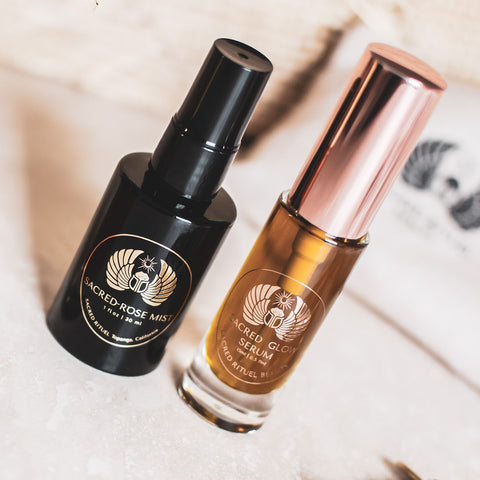
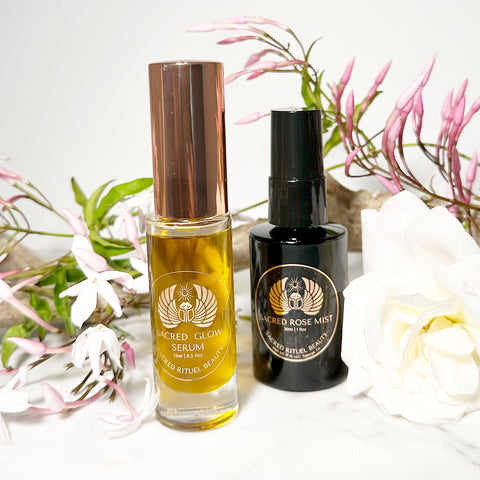
Begin with a clean, dry face and mist a hydrating rose toner generously over your skin. The lightweight hydration preps your face for the next steps, calming any redness or tightness. This first layer also helps your moisturizer and oils absorb more effectively.
Step 2: Apply The Serum
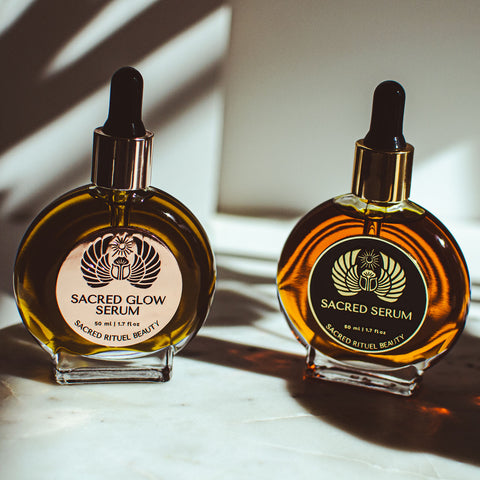
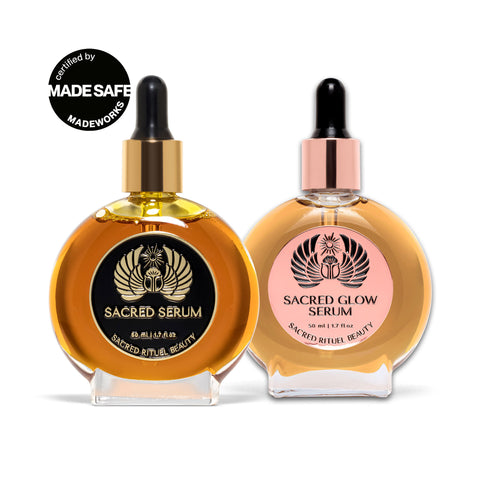
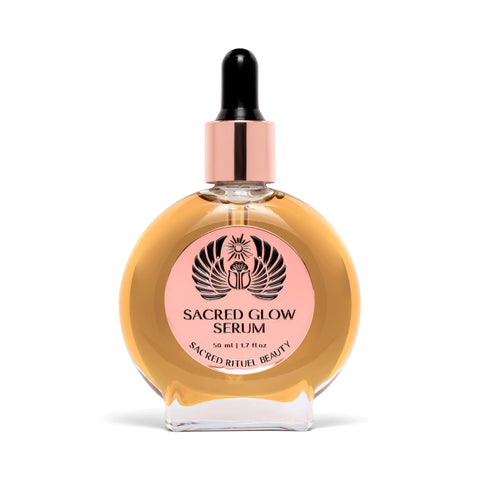
Use a dropper or vial to dispense a few drops of serum into your palm or directly onto your face. Natural serums packed with antioxidants and botanical oils deliver concentrated nutrients to sensitive skin. This step sets the foundation for moisture and protection throughout the day.
Step 3: Massage Into Skin
Spread the serum evenly with light, upward motions, allowing your skin to absorb nutrients. Gentle patting encourages absorption while avoiding unnecessary friction. Take your time with this step; it can double as a calming moment to release tension.
Step 4: Seal With Love
Finish by applying your favorite natural moisturizer or natural body oil to lock in hydration. Think of this step as sealing your care into the skin, letting it radiate outward as softness and glow. A mindful ending to the ritual helps you start or end your day on a peaceful note.
Tips For Choosing Products That Are Truly Organic And Sustainable
Not every product labeled “natural” or “organic” meets the same standards of quality. For sensitive skin, knowing how to spot truly clean formulations ensures you get the benefits without hidden irritants. Here are key tips to help guide your choices:
- Check for Certified Organic Ingredients: Look for products made with certified organic botanicals grown without pesticides or harmful chemicals. This protects your skin from irritants and supports eco-friendly farming practices. Brands like Sacred Rituel prioritize pure, ethically sourced, and nutrient-rich ingredients.
- Choose Cold-Pressed Oils: Cold-pressed oils retain vitamins and antioxidants that nourish and protect sensitive skin. Unlike refined oils, they don’t lose their potency during processing, making them ideal for natural face moisturizers and natural body oils. These oils absorb easily and leave skin soft without heaviness.
- Avoid Synthetic Fragrances and Harsh Additives: Fragrance blends and preservatives are common triggers for irritation. Instead, select products scented with gentle and calming natural plant extracts or essential oils. Keeping ingredient lists short and recognizable is often the safest choice for delicate skin.
- Look for Transparent Sourcing: Sustainable skincare brands share where and how their ingredients are sourced. Transparency builds trust and often indicates better environmental and ethical practices. Supporting these companies ensures your routine benefits both your skin and the planet.

How To Transition From Conventional To Natural Products Safely
Switching to a natural skincare routine for sensitive skin can feel refreshing, but it’s essential to do it gradually. This approach helps your skin adjust and reduces the risk of unexpected reactions. Here are a few steps to make the change smooth and effective:
Introduce One Product At A Time
Start by replacing one product in your routine, such as a cleanser or natural face moisturizer, rather than overhauling everything at once. This lets you see how your skin responds and pinpoint potential sensitivities. A slower pace also helps you appreciate the benefits of each change.
Perform A Patch Test First
Before applying a new product to your face, test a small amount on the inside of your wrist or behind your ear. Waiting 24 hours helps you check for redness, itching, or discomfort. This extra step is especially valuable for sensitive skin, which can react unexpectedly even to natural ingredients.
Give Your Skin Time To Adjust
Natural skin care products often work with your skin’s natural cycle, which takes about 3–4 weeks. During this time, your skin may go through a brief adjustment period as it adapts to new ingredients. Be patient; consistent use will reveal healthier, more balanced skin over time.
When To Consult A Professional For Sensitive Skin Concerns
Even with a thoughtful natural skincare routine for sensitive skin, there are times when professional guidance is the best next step. Persistent irritation, recurring breakouts, or sudden changes in your skin may signal something deeper that needs attention. Here’s how to know when it’s time to seek help:
Ongoing Redness Or Inflammation
If your skin remains red, swollen, or uncomfortable despite using gentle natural skin care products, it’s worth checking in with a dermatologist. Chronic inflammation can sometimes point to underlying conditions like eczema or rosacea. A professional can help you identify triggers and suggest treatments that complement your natural routine.
Painful Or Worsening Breakouts
Occasional sensitivity is common, but painful or spreading breakouts shouldn’t be ignored. A dermatologist can confirm if your products contribute to the issue or if there’s another cause, such as allergies or hormonal changes. Addressing these quickly prevents further irritation and scarring.
No Improvement After Routine Changes
If you’ve transitioned to natural products and followed a consistent ritual but see no improvement after several weeks, professional advice can clarify what’s missing. They may recommend additional treatments or adjustments tailored to your unique skin needs.
Severe Itching Or Burning Sensations
Persistent itching or a burning feeling after applying products should never be ignored. These reactions can indicate an allergy or sensitivity to natural ingredients, like essential oils or plant extracts. Consulting a professional ensures you identify the cause and avoid worsening the condition.

Final Thoughts
Embracing a natural approach to sensitive skin is more than just a skincare choice; it’s a lifestyle shift toward gentler, more intentional self-care. When you prioritize botanicals and minimally processed ingredients, you’re giving your skin space to thrive without the stress of harsh additives.
As you explore natural routines, trust your skin’s response and adjust as needed. Sensitive skin can be unpredictable, but with patience and consistency, these mindful choices can lead to lasting balance, resilience, and a healthier relationship with your skin.
Read also:
- Top Organic Skincare Ingredients And How They Transform Your Skin
- Tips For A Smooth Switch To Organic Skincare
- Best Vegan Skincare Brands For Conscious Consumers
Frequently Asked Questions About Natural Skincare Routine For Sensitive Skin
How often should I follow a natural skincare routine for sensitive skin?
Twice daily — morning and evening — is ideal for maintaining balance and hydration. Consistency helps reduce flare-ups and keeps the skin barrier strong. Adjust frequency if your skin feels overly dry or reactive.
Are natural moisturizers effective enough for very dry, sensitive skin?
Yes, natural moisturizers rich in plant oils like shea butter, jojoba, or moringa deeply nourish dry, sensitive skin. These ingredients provide lasting hydration without heavy residue. Using them right after cleansing locks in moisture for hours.
Will switching to a natural face moisturizer help with redness?
Natural face moisturizers with calming botanicals like calendula or chamomile often reduce redness over time. They soothe irritation while strengthening the skin barrier. Consistent use is key to noticeable results.
Are natural body oils safe for sensitive skin prone to acne?
Lightweight natural body oils like sunflower or apricot oil are non-comedogenic and unlikely to clog pores. They hydrate without leaving a greasy feel. Always patch test to ensure compatibility with your skin.
Do natural skin care products expire faster than conventional ones?
Yes, since they lack synthetic preservatives, their shelf life is usually shorter. Most last 6–12 months when stored in a cool, dry place. Check packaging dates and use within the recommended timeframe.
Can sensitive skin react to natural ingredients, too?
It’s possible, especially with essential oils or certain botanicals. Even natural formulas should be patch tested to rule out sensitivities. Reactions vary depending on individual skin conditions.
Are natural products suitable for sensitive skin during seasonal changes?
Yes, but you may need to adjust the formula’s richness. Lightweight oils work better in warmer months, while richer blends help in colder, dry seasons. Listen to how your skin responds and adapt accordingly.
How soon will I see results from a natural skincare routine?
Most people notice subtle improvements, like reduced dryness or irritation in the first few weeks. Deeper benefits, like improved tone or resilience, may take a full skin cycle, about 27 days. Consistency is more important than speed.
Can natural skincare help reduce sensitivity over time?
Many natural botanicals strengthen the skin barrier and reduce reactivity when used consistently. Over time, this creates healthier and more resilient skin. A balanced routine helps prevent future flare-ups.
What makes natural skin care products better for the environment?
They’re typically made with biodegradable ingredients and avoid harmful chemicals that can pollute water and soil. Ethical sourcing also supports sustainable farming practices. Choosing them benefits both your skin and the planet.
Sources:
- Ribeiro, A., Estanqueiro, M., Oliveira, M., & Sousa Lobo, J. (2015). Main Benefits and Applicability of Plant Extracts in Skin Care Products. Cosmetics, 2(2), 48–65. https://doi.org/10.3390/cosmetics2020048
- Dawid-Pać, R. (2013). Medicinal plants used in treatment of inflammatory skin diseases. Advances in Dermatology and Allergology, 3(30), 170–177. https://doi.org/10.5114/pdia.2013.35620
- Silva, D., Ferreira, M. S., Sousa-Lobo, J. M., Cruz, M. T., & Almeida, I. F. (2021). Anti-Inflammatory Activity of Calendula officinalis L. Flower Extract. Cosmetics, 8(2), 31. https://doi.org/10.3390/cosmetics8020031
- Lin, T.-K., Zhong, L., & Santiago, J. (2017). Anti-Inflammatory and Skin Barrier Repair Effects of Topical Application of Some Plant Oils. International Journal of Molecular Sciences, 19(1), 70. https://doi.org/10.3390/ijms19010070
Radiance Is Personal. Let’s Reveal Yours...


All Day Glow Essentials