
Natural Skincare For Acne-Prone Skin
How often do breakouts leave you searching for gentle solutions for your skin? Many treatments promise quick fixes, yet leave behind dryness, irritation, or an endless cycle of flare-ups. For acne-prone skin, this constant trial and error can be overwhelming.
Products formulated with Arnica to address reduce skin inflammation, bruising, and swelling.

Why Natural Skincare Works For Acne-Prone Skin
Acne-prone skin is often reactive and quick to show redness, irritation, or excess oil. Harsh cleansers and treatments can strip away protective layers, leaving skin vulnerable and unbalanced. Natural skincare takes a gentler approach by nourishing the skin barrier instead of fighting it.
Plant-based ingredients are rich in antioxidants, vitamins, and essential fatty acids that support the skin’s natural repair process. Oils like jojoba and rosehip mimic the skin’s own sebum, helping regulate oil production without clogging pores. This balance allows breakouts to calm over time and promotes healthier renewal cycles.
Natural skincare for acne-prone skin encourages steady improvement rather than temporary fixes by avoiding synthetic fillers and unnecessary chemicals. Consistent use results in skin that feels more resilient, hydrated, and less inflamed.
Common Irritants To Avoid In Conventional Acne Treatments
Conventional acne products are often designed to treat symptoms quickly but can unintentionally harm the skin’s natural balance. Many contain ingredients that dry, strip, or irritate, leading to more breakouts over time. Here are some of the most common irritants you’ll want to stay away from when choosing natural skincare for acne-prone skin:
- Harsh Drying Agents: Ingredients like benzoyl peroxide and high concentrations of salicylic acid are known for aggressively targeting acne. While they can reduce blemishes fast, they also disrupt the skin barrier, causing dryness and increased sensitivity. Over time, this can leave the skin more vulnerable to irritation and prolonged healing.
- Synthetic Fragrances: Artificial fragrances are frequently added to create a pleasant scent, but can be one of the leading causes of skin reactions. They can trigger redness, itching, or inflammation, especially for acne-prone and sensitive skin types. Choosing fragrance-free or naturally scented options helps reduce unnecessary stress on the skin.
- Alcohol-Based Formulas: Certain alcohols give products a quick-drying feel but often strip away essential moisture. This can cause the skin to overproduce oil to compensate, leading to clogged pores and new breakouts. Natural alternatives use plant-based extracts and oils to keep the skin balanced instead of dehydrated.
- Synthetic Preservatives: Parabens and other synthetic preservatives are commonly found in conventional skincare to extend shelf life. These additives may disrupt the skin’s microbiome, which is essential for keeping acne under control. Switching to products with natural preservatives, like plant-based extracts, supports healthier skin function and reduces potential irritation.
Key Natural Ingredients That Calm And Heal Breakouts
Certain botanicals are naturally rich in vitamins, antioxidants, and essential fatty acids that support clearer, calmer skin. These ingredients work with the skin’s own processes to reduce inflammation and regulate oil production without harsh side effects. Below are some of the most effective components to look for in natural skincare for acne-prone skin:
- Jojoba Oil: Jojoba oil closely resembles the skin’s natural sebum, making it excellent for balancing oil production. It hydrates without clogging pores and helps calm irritation caused by breakouts. Its lightweight texture also makes it suitable for daily use, even on sensitive or inflamed skin.
- Rosehip Seed Oil: Rosehip seed oil is packed with vitamins A and C, which support cell renewal and fade the appearance of post-acne marks. It delivers lightweight hydration while helping repair the skin barrier. Over time, it can promote a more even skin tone and smoother texture.
- Hemp Seed Oil: Hemp seed oil is known for its strong anti-inflammatory properties, which soothe redness and irritation common in acne-prone skin. It’s rich in omega fatty acids that help replenish moisture and strengthen the skin barrier. This oil also supports healthy cell turnover, encouraging clearer skin over time.
- Chamomile: Chamomile contains calming compounds that help reduce swelling and redness associated with acne. It’s gentle enough for sensitive skin and works to soothe irritation caused by environmental stressors. Used regularly, chamomile can support a more balanced and comfortable complexion.
- Sea Buckthorn Oil: Sea buckthorn oil is dense with antioxidants and vitamin E, which help protect the skin from environmental stressors that worsen acne. Its rich omega-7 fatty acids promote healing of damaged tissue and support hydration. This ingredient also helps improve elasticity while calming inflamed areas.
- Calendula: Calendula is widely recognized for its soothing and antibacterial properties, making it ideal for acne-prone and irritated skin. It helps calm active breakouts while supporting the healing of marks and uneven texture. Regular use can also strengthen the skin barrier, reducing sensitivity over time.
Daily Rituals For Clear, Balanced Skin
Consistency is essential when caring for acne-prone skin. A simple routine that nourishes, hydrates, and protects can make a noticeable difference over time. Here’s how to create a ritual using natural skin care products that support healthy, calm skin:
Step 1: Hydrate With Rose Toner
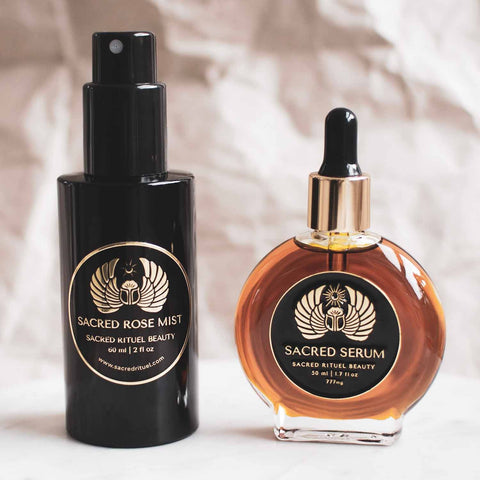
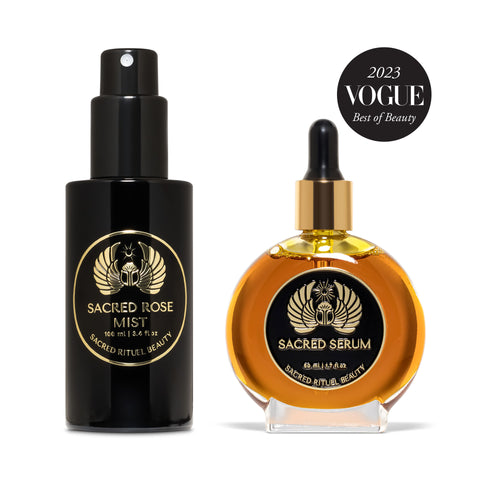
Begin with a clean, dry face and mist a gentle rose toner to prepare the skin. This layer of hydration softens and soothes while balancing pH levels for better absorption of the next steps. A lightweight toner also refreshes and calms redness before applying treatment products.
Step 2: Apply A Nutrient-Rich Serum
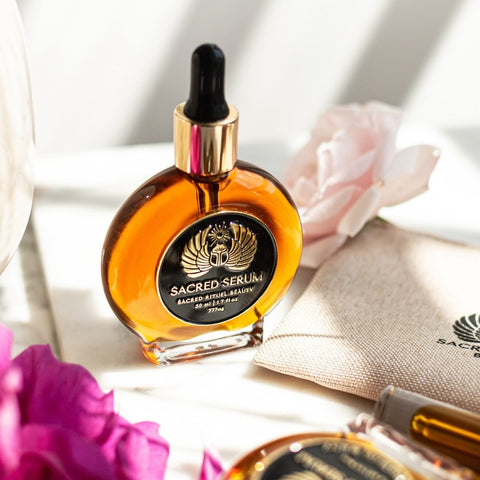
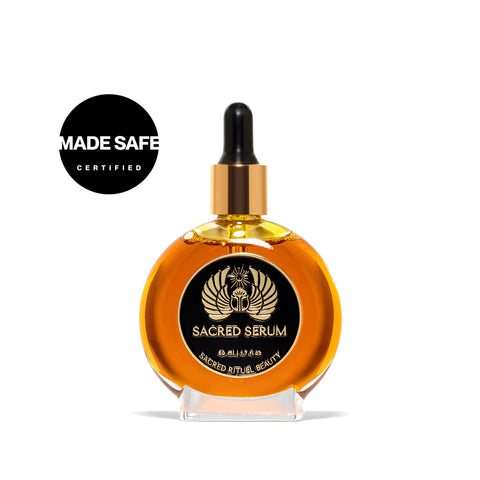
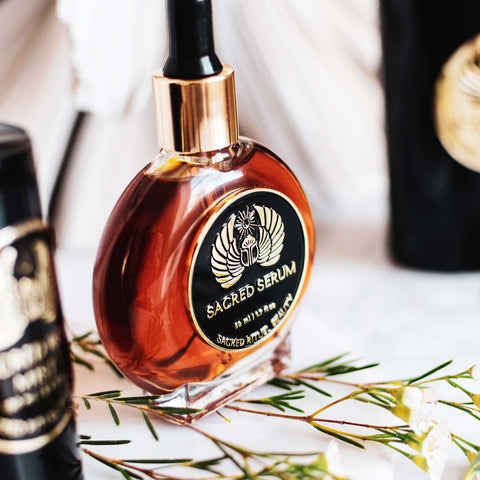
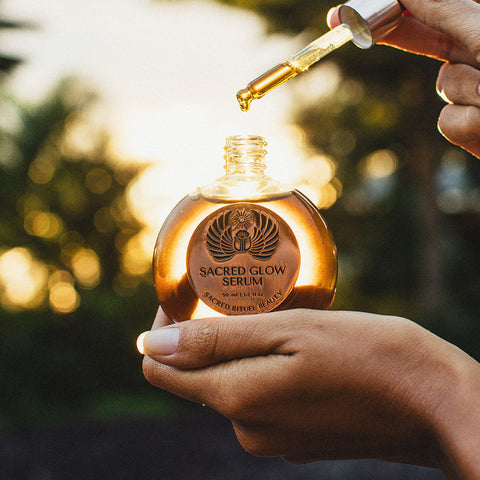
Use a dropper to place a few drops of serum into your palm or directly onto your skin. Serums rich in botanical oils like rosehip and hemp work to calm inflammation and deliver essential vitamins. This step targets healing and helps strengthen the skin barrier over time.
Step 3: Massage For Maximum Absorption
Gently pat and spread the serum across your face, allowing the oils to sink deeply without tugging on the skin. This moment of massage stimulates circulation, encouraging a healthy glow. It’s also an opportunity to slow down and turn your skincare into a calming ritual rather than a rushed task.
Step 4: Seal In Moisture With Natural Face Moisturizer
Follow with a natural moisturizer to lock in hydration and create a protective layer. Choose one with cold-pressed plant oils that won’t clog pores or trigger breakouts. This helps maintain balanced moisture levels and prevents dryness throughout the day.
Step 5: Care For The Body With Natural Body Oil
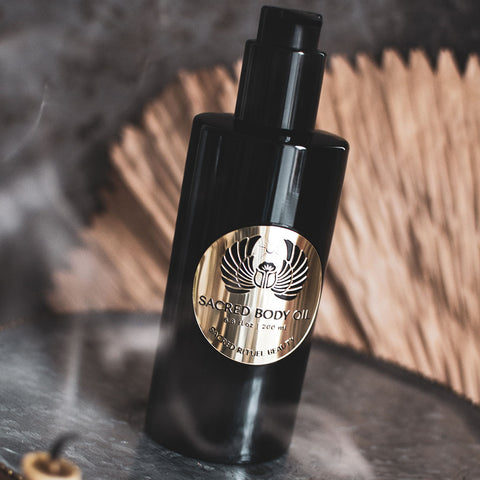
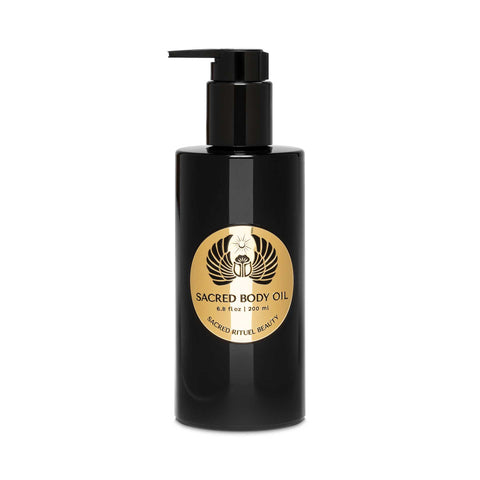
Don’t forget to extend care beyond your face. Applying a natural body oil after bathing nourishes the skin, supporting elasticity and protecting against dryness. This creates a complete ritual that benefits face and body, promoting overall skin health.
How To Choose The Right Organic Products For Your Skin Type
Finding the right products is essential when building a natural routine for acne-prone skin. Each skin type, from oily to dry, has unique needs that benefit from specific ingredients and textures. Here’s how to select natural skincare for acne-prone skin that works in harmony with your complexion:
For Oily Skin
Look for lightweight oils like jojoba or sacha inchi that help regulate excess sebum without clogging pores. Avoid heavy butters or waxes, which can feel greasy and may trap bacteria on the skin’s surface. Balancing hydration with these lighter ingredients keeps oil levels steady and reduces the likelihood of new breakouts.
For Dry Or Dehydrated Skin
Choose nutrient-rich options like rosehip or marula oil, which deeply moisturize while supporting barrier repair. These oils replenish essential fatty acids and help relieve flakiness without suffocating pores. Pairing them with a natural face moisturizer ensures hydration lasts throughout the day.
For Combination Skin
Combination skin benefits from multi-tasking botanicals such as hemp seed oil or camellia oil, which hydrate dry areas and balance oilier zones. A serum blended with calming and lightweight oils works well for this skin type. Layering products in thin, even amounts helps maintain harmony across the entire face.
For Sensitive Or Easily Irritated Skin
Opt for calming botanicals like chamomile and calendula, which help soothe redness and prevent flare-ups. Fragrance-free formulas are essential for this type, reducing unnecessary irritation. Choosing simple ingredient lists ensures the skin receives healing benefits without overwhelming it.
Tips For Maintaining Results Naturally
Clear skin isn’t only about the products you use; it’s also about creating supportive habits that keep results consistent. Combining nourishing routines with mindful choices can help maintain balance and reduce flare-ups. Here are practical ways to sustain the benefits of natural skincare for acne-prone skin:
- Keep a Consistent Routine: Sticking to the same gentle products allows your skin to adjust and respond positively. Frequent switching can disrupt the barrier and trigger new breakouts. A steady ritual morning and night encourages long-term clarity and balance.
- Protect Your Skin Daily: Even natural oils and serums need support from sun protection. Using products with built-in SPF or layering mineral sunscreen over your moisturizer helps prevent hyperpigmentation and irritation from UV exposure. Consistent protection also supports the skin’s natural healing cycle.
- Support Skin from Within: Hydration, balanced meals, and rest all help keep acne at bay. Nutrient-rich foods and plenty of water provide the building blocks for healthy skin renewal. Pairing internal care with natural skin care products enhances their benefits.
- Adjust with the Seasons: Skin often changes with the weather, becoming drier in winter or oilier in summer. Switching to slightly richer or lighter botanicals as needed helps maintain comfort and balance. Listening to your skin ensures it always receives the right level of care.
Read also:
- How To Read Labels: Identifying Truly Natural Skincare
- Top 10 Natural Ingredients For Glowing Skin
- Natural Skincare Routine For Every Skin Type
Frequently Asked Questions About Natural Skincare For Acne-Prone Skin
Is natural skincare suitable for hormonal acne?
Yes, natural skincare can help soothe inflammation caused by hormonal changes without over-drying the skin. Ingredients like hemp seed oil and rosehip help reduce redness and support healing. Consistency is key, as hormonal acne tends to fluctuate with monthly cycles.
Do natural moisturizers provide enough hydration for acne-prone skin?
Natural moisturizers are often rich in essential fatty acids, which deeply hydrate without clogging pores. They support the skin barrier rather than masking dryness, making them ideal for balancing oil production in acne-prone skin.
Can I layer natural body oil with other treatments?
Yes, natural body oil can be layered after lightweight serums or toners to lock in hydration. It absorbs quickly, so it won’t interfere with clothing or sunscreen. This layering approach helps maintain soft, nourished skin throughout the day.
Are cold-pressed oils better for acne-prone skin than refined oils?
Cold-pressed oils retain more nutrients and antioxidants compared to refined oils. These compounds support skin healing and barrier function while remaining gentle. For acne-prone skin, this means more benefits without unnecessary additives.
How long does it take to see results with natural skincare?
Most users notice improvements in hydration and reduced redness within two to three weeks. Deeper results, like fewer breakouts and more even texture, appear with consistent use over a few skin cycles. Patience and routine are essential for best results.
Are natural face oils safe to use under makeup?
High-quality natural oils absorb quickly and create a smooth base for makeup. They can reduce flakiness and help foundation sit more evenly on the skin. Opt for lightweight oils like jojoba for the best results under cosmetics.
How do I store natural skincare products to keep them fresh?
To preserve their nutrients, keep them in a cool, dark place away from direct sunlight, like those used by Sacred Rituel. Dark glass bottles protect oils from light damage. For maximum freshness, avoid storing them in humid environments, such as bathrooms.
Can natural skincare help reduce acne scars over time?
Certain botanicals, like rosehip seed oil and pomegranate oil, promote cell renewal and gradually fade discoloration. They nourish the skin while encouraging a smoother texture. Results vary, but consistent use can visibly soften the appearance of scars.
Do natural skincare routines work for body acne, too?
Yes, ingredients like hemp seed oil and calendula benefit facial and body breakouts. A natural body oil can hydrate and calm inflamed areas like the back or chest. Applying it after showering helps keep skin clear and balanced.
Is natural skincare suitable for teenagers with acne-prone skin?
Natural routines are gentle enough for younger skin, avoiding harsh chemicals that can cause long-term damage. Lightweight oils and simple botanicals work well for managing teenage breakouts. This approach supports clear skin without overwhelming the skin barrier.
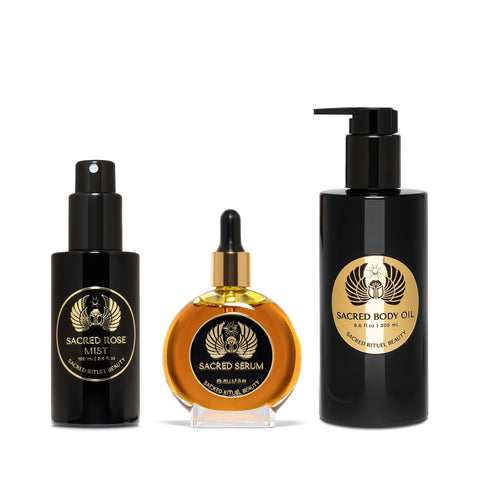
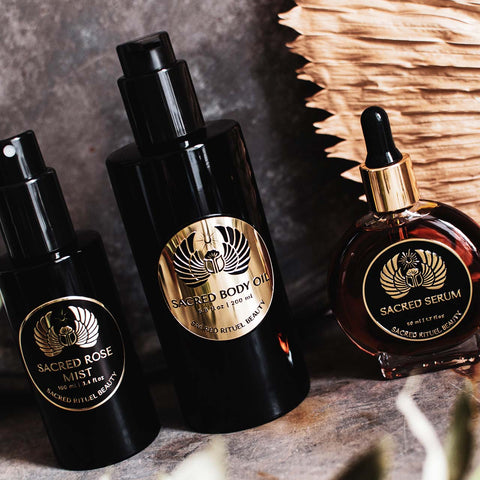
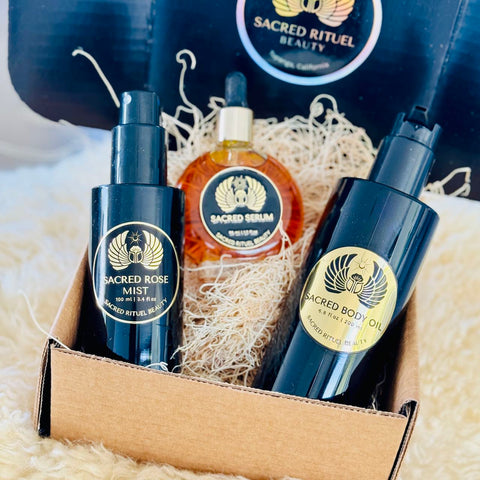
SACRED TRIO | SERUM + ROSE TONER + BODY OIL
Regular price $180.00 Regular price $257.00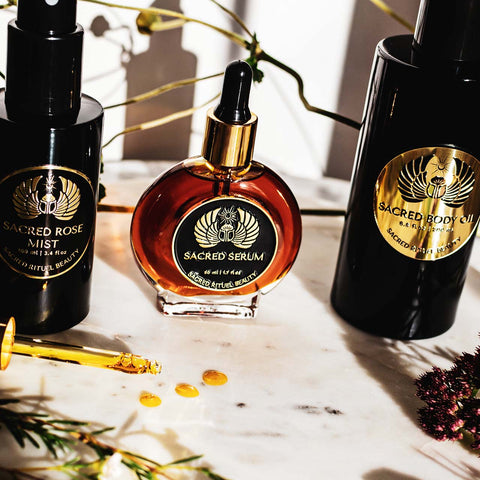

Radiance Is Personal. Let’s Reveal Yours...
All Day Glow Essentials
Free Shipping on orders over $90
FREE Shipping on orders over $90 and $7 flat rate on all other orders (USA).
See our shipping policy.
Auto Delivery w/ a Subscription
Ensure you ALWAYS have a steady stream of SACRED RITUEL on hand!
Details in our subscriptions page.
No Hassle 30-day Returns
Try SACRED RITUEL for 30 days and send it back for a full refund if it doesn't completely meet your expectations.
Details in our return policy.
SACRED RITUEL is
High potency all organic skincare
Newsletter
Stay connected on wellness tips, exclusive sales and events!