How Winter Weather Can Exacerbate Inflammatory Rosacea Symptoms
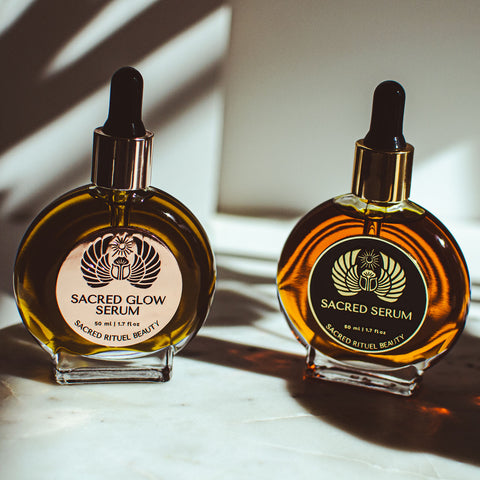
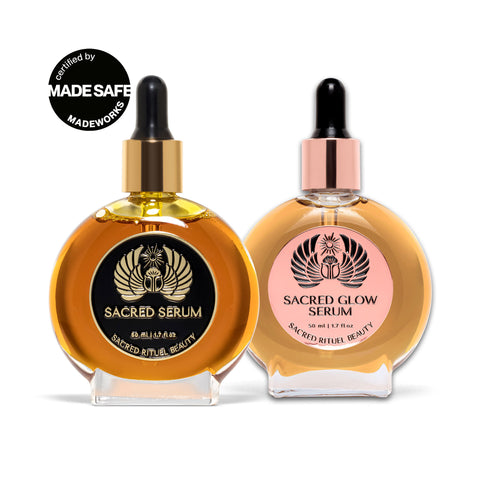
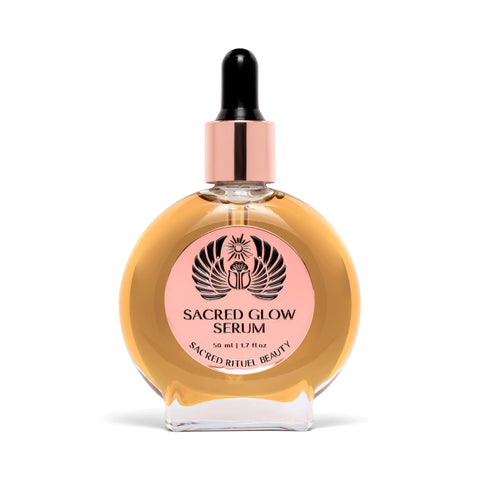
Winter is hard on inflammatory rosacea because cold winds, dry indoor heat, and sudden temperature swings strip the skin of moisture and provoke the flushing that rosacea-prone skin already reaches for, leaving the face looking redder and feeling more reactive. Inflammatory (papulopustular) rosacea is a chronic medical condition, so persistent, painful, or worsening redness belongs with a board-certified dermatologist, who is the right person to diagnose and manage this subtype. Alongside that care, the gentlest daily ritual is simple: protect skin from wind and cold, keep everything fragrance-free, and nourish the barrier. This is where whole-plant care has always lived. Sacred Rituel folk herbalist Marysia Miernowska formulated Sacred Serum as a cold-pressed blend of 14 botanical oils, and on reactive, redness-prone skin our community describes exactly the look and feel they were after: soothed sensitivity and calmer-looking redness, with one customer writing that my redness was calmed.
Key Takeaways:
- Winter is hard on rosacea-prone skin: Cold, dry air and swinging temperatures make inflammatory rosacea more visible, so a gentle, fragrance-free ritual matters most in the colder months.
- Whole-plant care, the look and feel of calmer skin: Protecting skin from wind and cold and nourishing the barrier with a cold-pressed oil such as Sacred Serum is the kind of care our community reaches for to support the look and feel of calmer, more comfortable skin.
- This is a medical condition: Inflammatory (papulopustular) rosacea is diagnosed and managed by a clinician. Persistent, painful, or worsening redness, suspected rosacea, or any eye symptoms warrant a board-certified dermatologist.
Winter is tough on anyone's skin, but for people living with inflammatory rosacea it is more than a seasonal inconvenience. Cold winds, dry indoor heat, and fluctuating temperatures can turn manageable symptoms into frustrating flare-ups. If your rosacea has felt harder to live with as the days get colder, you are far from alone, and there is a gentler way to care for reactive skin through the season.
Sacred Rituel was founded on whole-plant herbalism. Every formula is made by folk herbalist Marysia Miernowska, founder of the School of the Sacred Wild, who works with cold-pressed botanicals chosen for the way they nourish skin and support the look and feel of its moisture barrier. This guide explains why winter is so challenging for rosacea-prone skin, the triggers to watch for, the gentle plant-based ritual that supports more comfortable-looking skin, and when it is important to check in with a dermatologist.
What triggers inflammatory rosacea?
Inflammatory rosacea, also called papulopustular rosacea, is a chronic skin condition that primarily affects the face, causing persistent redness, swelling, and small, pimple-like bumps. Unlike ordinary acne, it does not resolve on its own; it is a medical condition managed by a clinician. While the exact cause is still being studied, it is understood to stem from a combination of genetic predisposition, immune-system differences, and environmental factors. People with fair skin or a family history of rosacea are more likely to experience it, though anyone can develop it.
Common triggers reported with rosacea include sun exposure, heat, spicy foods, alcohol, stress, and sudden temperature changes, which is why winter can be such a difficult season. Because the triggers and the right management plan differ so much from person to person, a dermatologist is the right person to diagnose the subtype and tailor care. Researchers continue to study how rosacea relates to broader immune patterns, and you can read more about the link between rosacea and autoimmune disorders.
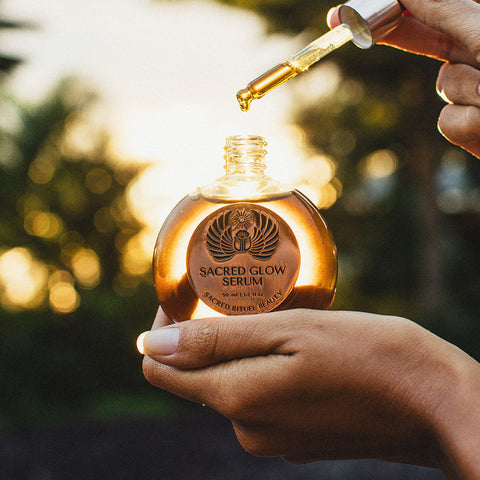
Through the colder months, the most supportive thing you can do at home is keep the routine calm and barrier-focused. Sacred Serum is Marysia's cold-pressed blend of 14 botanical oils, rich in the fatty acids and antioxidants that plant oils are documented to deliver to support the skin's own lipid matrix and moisture barrier. Rose, one of its botanicals, is documented in the research for calming, antioxidant, and soothing properties, and it is a plant herbalists have trusted to settle reactive skin for centuries. In our reviews, the people who reach for this oil on redness-prone skin most often describe soothed sensitivity, with one writing that their skin has never been so calm. The oil does not treat rosacea or change the condition itself; people simply describe their skin looking and feeling more comfortable as part of a gentle ritual.
What are 5 symptoms of rosacea?
Rosacea shows up differently from person to person, but a few signs come up again and again. Recognizing them helps you describe what you are seeing to a dermatologist, who is the right person to confirm the subtype:
- Persistent facial redness across the cheeks, nose, chin, or forehead that does not fully settle.
- Visible blood vessels (telangiectasia) just under the surface of the skin.
- Small, pimple-like bumps or pustules, which are characteristic of the inflammatory (papulopustular) subtype.
- Burning or stinging sensations, often with a feeling of heat or tenderness.
- Skin thickening over time, most often on the nose, in longer-standing cases.
Eye symptoms such as redness, grittiness, or irritation can also occur (ocular rosacea) and should be checked promptly. Winter is notorious for making the redness and reactivity more noticeable, so being mindful of the common triggers below helps you anticipate flare-ups.
Cold, Windy Weather
The icy chill of winter makes skin more prone to irritation by depleting its natural protective oils. Wind acts as a physical irritant, chafing exposed areas of the face like the cheeks and nose. For rosacea-prone skin, this combination often leaves the skin looking redder and feeling more reactive.
Dry Indoor Heating
Heating systems pull moisture out of the air, creating a dehydrating environment for your skin. That lack of humidity makes it harder for the skin to hold water, leading to dryness and flaking. For rosacea-prone skin, the dryness leaves the barrier feeling less comfortable and the face looking more red and irritated.
Hot Beverages
Hot drinks such as tea, coffee, and mulled wine raise your body temperature and dilate blood vessels. This reaction often shows up as flushed-looking skin, a common experience for people with rosacea. Even a slight increase in heat from a beverage can set off a flare-up, especially during an already challenging season.
Spicy Comfort Foods
Foods spiced with chili, cayenne, or black pepper stimulate nerve endings in the skin and increase blood flow to the face. This vasodilation leaves the skin looking flushed and feeling hot and uncomfortable. As warming and satisfying as these foods are in winter, they are a known trigger for rosacea symptoms.

Stress Of The Holidays
Winter often brings higher stress from social obligations, gift-giving, and end-of-year responsibilities. Stress is a frequently reported rosacea trigger, and for many people it leads to unpredictable, frustrating flare-ups during what should be a festive season.
Heavy, Occlusive Skincare Products
In winter, people often reach for heavier moisturizers to combat dryness, but thick or greasy formulations can trap heat and feel uncomfortable on reactive skin. For rosacea-prone skin, a lighter, gentle approach usually feels better than a heavy occlusive layer. If you are unsure how to settle a flare, here is more on how to soothe irritated skin with gentle remedies that work.
How To Adjust Your Skincare Routine For Winter
A gentle, fragrance-free routine makes a real difference in how rosacea-prone skin looks and feels during the colder months. Here is how to adjust your regimen to protect your skin from winter's harsh effects:
Switch To A Gentle, Hydrating Cleanser
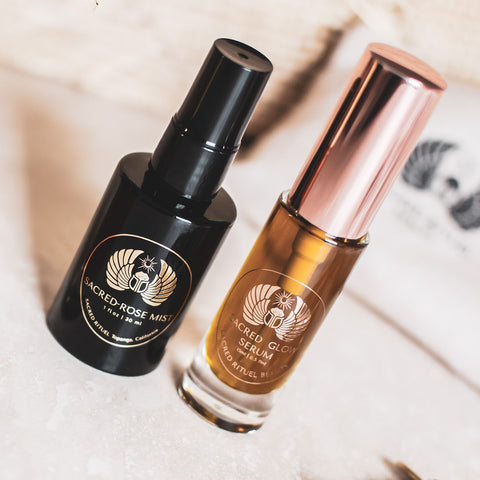
In winter, use a cleanser that does not strip your skin of its natural oils. Harsh, sulfate cleansers with added fragrance disrupt the skin barrier and leave reactive skin looking redder, and gentle oil cleansing helps preserve the skin microbiome that harsh surfactants strip away. Reach instead for a gentle, fragrance-free cleanser or toning mist like Sacred Rose Mist that cleanses and refreshes while keeping the skin feeling comfortable rather than tight.
Incorporate A Nourishing, Multi-Functional Oil
The cold season calls for a product that nourishes and supports the look and feel of the moisture barrier. A whole-plant oil made from cold-pressed botanical oils like Sacred Serum delivers the fatty acids and antioxidants that plant oils are documented to bring to the skin's lipid matrix, which is why so many people with sensitive skin find it comforting in winter. Among its 14 oils, Rosehip Oil is clinically shown to improve the look of redness and discoloration, and Jojoba Oil is lightweight yet deeply nourishing for reactive skin. The serum's vitamin C comes from botanical sources rather than acidic actives, and you can read more about Vitamin C Oil For Face and how it differs from acidic forms. Cold-pressing matters here: it preserves these delicate plant actives so the whole phytocomplex stays intact.
Don't Skip Sun Protection
UV rays are present in winter, even on cloudy or snowy days, and sun exposure is one of the most common rosacea triggers. Choose a mineral-based sunscreen with zinc oxide or titanium dioxide, which tend to be gentler on sensitive skin. A whole-plant oil is a nourishing step, not a sunscreen, so always pair it with dedicated daily sun protection.
Avoid Over-Exfoliating
Exfoliation worsens dryness and irritation during winter, especially on rosacea-prone skin. If you exfoliate at all, keep it occasional and skip harsh scrubs and strong chemical exfoliants. A soft washcloth and a very gentle touch are kinder to reactive skin.
Use A Humidifier Indoors
The dry air from indoor heating quickly dehydrates skin and makes redness more visible. Placing a humidifier in your bedroom or living area adds moisture back into the air for a more skin-friendly environment. Aim to keep indoor humidity between 40 and 60 percent.
Protect Your Skin Outdoors
When heading out in the cold, cover your face with a scarf or windproof mask to prevent windburn and excessive dryness. Choose soft materials like cotton or fleece to avoid friction, which irritates reactive skin. Keep the fabric clean, since a buildup of dirt or oils can aggravate rosacea-prone skin further.
How can I support the look of calmer rosacea-prone skin?
There is no overnight fix for rosacea, and the goal of an at-home ritual is comfort and the look of calmer skin, not treating the condition itself. The most supportive approach is a calm, consistent routine built around avoiding your personal triggers. A few habits make the biggest difference:
- Avoid your known triggers. Sun, heat, spicy food, alcohol, and sudden temperature swings come up most often. A trigger journal helps you spot your own patterns.
- Keep everything gentle and fragrance-free. Reactive skin does best with simple, fragrance-free products and a soft touch. Pat skin dry rather than rubbing.
- Nourish the barrier with whole-plant oils. A cold-pressed blend like Sacred Serum brings together rosehip, tamanu, and rose, botanicals herbalists have leaned on for generations to calm and soothe. Rosehip is clinically shown to improve the look of redness, and tamanu carries calophyllolide, a documented non-steroidal anti-inflammatory constituent. In our reviews, soothed sensitivity is the outcome people on reactive skin describe most, and calmer-looking redness comes up again and again, with one customer saying my redness was calmed and another that the oil helps the redness.
- Be patient and consistent. A change in how skin looks and feels usually takes weeks of steady, gentle care, not days.
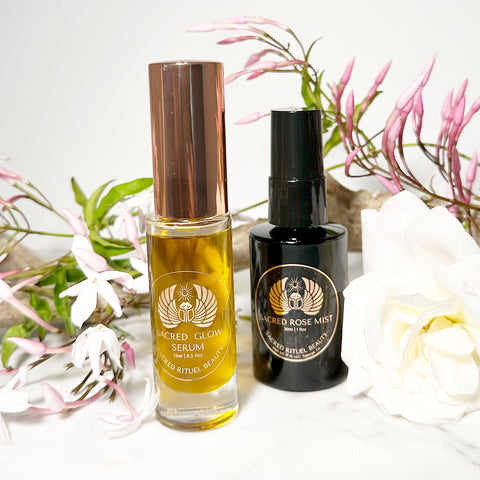
This whole-plant approach is exactly what many in our community reached for after dermatologist-prescribed products left their skin raw and reactive: a simpler, gentler ritual. Make it easy to keep up by refreshing with a fragrance-free toning mist, then pressing a few drops of whole-plant oil into slightly damp skin. The Sacred routine set pairs the serum with rose mist for a calm, fragrance-free morning and evening ritual that supports the look and feel of comfortable, less reactive skin.
If your symptoms are persistent or hard to manage, a dermatologist can talk through the options that suit your skin, and you can read more about why winter weather may influence your rosacea treatment choices.
Prevention Tips To Keep Flare-Ups At Bay
Preventing rosacea flare-ups, especially in winter, takes consistent care and attention to your triggers. Here are practical ways to keep symptoms calmer:
Stay Hydrated
Hydration supports healthy-looking skin, especially in winter when cold air and indoor heating cause dryness. Drinking water through the day helps replenish moisture, and water-rich foods like cucumbers, oranges, and watermelon help too.
Avoid Extreme Temperatures
Sudden exposure to freezing air or overly warm rooms leads to flushing and irritation. Limit time outside on very cold or windy days, avoid standing directly in front of heaters, and stick to lukewarm rather than hot water when you wash, since excessive heat strips natural oils and brings on visible redness.
Layer Smartly
Protective clothing like scarves shields skin from harsh winds, but choose fabrics carefully. Soft, breathable materials like cotton are ideal to avoid friction. If you wear wool, keep a softer layer underneath so it does not touch your skin directly.
Monitor Your Diet
Spicy dishes, alcohol, and steaming hot drinks dilate blood vessels and worsen flushing. Opt for room-temperature or lukewarm drinks where you can, and keep a food diary to pinpoint the items that set off your symptoms.
Be Gentle With Your Skin
Vigorous scrubbing or rough towels aggravate rosacea-prone skin, so always use a soft touch. After cleansing, gently pat your face dry. Pressing a nourishing oil into skin while it is still slightly damp helps it feel comfortable and supports the look and feel of the barrier.
Use Fragrance-Free Products
Rosacea-prone skin is often reactive, so products with added fragrance, alcohol, or harsh ingredients leave it looking redder. Look for simple, fragrance-free options labeled for sensitive skin. When introducing anything new, patch test it first (see below).
Plan Ahead For Social Events
Holiday gatherings and busy schedules raise stress, a common rosacea trigger. Relaxation practices like meditation, gentle movement, or simple deep breathing help settle your mind before stressful events. If you are worried about triggers, prep skin with a gentle, fragrance-free routine beforehand.
Track Your Triggers
Keeping a journal of your daily activities, meals, and environmental exposures helps you spot the patterns that lead to flare-ups. Once you know your triggers, you can take proactive steps to avoid them. If you want a deeper read on the relationship between facial serums and redness, here is more on how a facial serum can fit into a routine for redness-prone skin.
How To Patch-Test A New Oil
Before adding any new product to your routine, patch test it first, which is especially important for reactive, rosacea-prone skin. Apply a small amount on the inner arm and leave it for 24 hours before using it on your face. If you notice redness, itching, or any reaction during that time, do not apply it to your face and check with a dermatologist. This simple step is well worth the wait when your skin flares easily.
When To See A Dermatologist
Inflammatory rosacea is a chronic medical condition, and the papulopustular subtype in particular is best diagnosed and managed by a board-certified dermatologist rather than self-treated. At-home rituals support the look and feel of comfortable skin; they are not a substitute for professional care. See a dermatologist if any of the following apply:
- Your symptoms are worsening: Flare-ups that become more frequent, more severe, or harder to manage warrant expert advice.
- You have persistent pain or discomfort: Redness that brings significant burning, stinging, or tenderness should be assessed by a clinician.
- You suspect rosacea but have not been diagnosed: Rosacea can look like other conditions, so a professional diagnosis is the right starting point before any treatment.
- You notice eye symptoms: Ocular rosacea can cause redness, grittiness, irritation, or blurred vision and should be seen promptly to prevent complications.
- Your current routine is not helping: A dermatologist can discuss prescription and in-office options that suit your skin; never start, stop, or change a prescription on your own.
- You want a customized plan: A clinician can build a plan tailored to your subtype and skin, combining medical treatment with lifestyle guidance.
Getting professional guidance makes a real difference in managing inflammatory rosacea and protecting your long-term skin health.

Final Thoughts
Winter poses real challenges for people with inflammatory rosacea, but with the right knowledge and a gentle, fragrance-free ritual you can support the look and feel of calmer, more comfortable skin through the colder months. Understanding how cold weather and seasonal triggers affect your skin, adjusting your routine, leaning on whole-plant care, and getting professional advice when needed lets you meet winter with more confidence.
Remember that rosacea is a medical condition and management is personal: what works for one person may not work for another, so be patient, lean on a dermatologist for diagnosis and care, and trust the gentle, plant-based approach that suits your skin.
Sources:
- Powell, F. C. (2005). Rosacea. New England Journal of Medicine, 352(8), 793-803.
- Alia, E., & Feng, H. (2022). Rosacea pathogenesis, common triggers, and dietary role: the cause, the trigger, and the positive effects of different foods. Clinics in Dermatology, 40(2), 122-127.
- Valeron-Almazan, P., et al. (2015). Evolution of skin scars, redness, and discoloration with topical rosehip seed oil. Journal of Cosmetics, Dermatological Sciences and Applications, 5(2), 161-167.
- Lin, T. K., Zhong, L., & Santiago, J. L. (2018). Anti-inflammatory and skin barrier repair effects of topical application of some plant oils. International Journal of Molecular Sciences, 19(1), 70.
- Goh, C. L., Wu, Y., Welsh, B., Abad-Casintahan, M. F., Tseng, C. J., Sharad, J., ... & Chan, H. N. K. (2023). Expert consensus on holistic skin care routine: Focus on acne, rosacea, atopic dermatitis, and sensitive skin syndrome. Journal of Cosmetic Dermatology, 22(1), 45-54.
Frequently Asked Questions
What is the biggest trigger for rosacea?
The biggest trigger varies from person to person, but sun exposure is one of the most commonly reported. Other frequent triggers include heat, spicy foods, alcohol, stress, and sudden temperature changes, which is part of why winter can be such a challenging season. A trigger journal helps you spot your own patterns, and a dermatologist can help you identify and manage them.
Why did I suddenly get rosacea?
Rosacea can appear due to a combination of genetic predisposition, environmental factors, and immune-system differences. It often shows up in adulthood, and triggers like stress, diet, or a change in climate may bring on the first noticeable symptoms. Because rosacea can resemble other conditions, a board-certified dermatologist is the right person to confirm a diagnosis.
What are 5 symptoms of rosacea?
Common signs include persistent facial redness, visible blood vessels (telangiectasia), small pimple-like bumps or pustules, burning or stinging sensations, and, in longer-standing cases, skin thickening, often on the nose. Eye symptoms such as redness or grittiness can also occur. Only a dermatologist can confirm the subtype, so see one if these signs are persistent.
What triggers inflammatory rosacea?
Inflammatory (papulopustular) rosacea flares are commonly linked to sun exposure, heat, spicy foods, alcohol, stress, and sudden temperature changes, with the exact triggers differing from person to person. Winter cold, wind, and dry indoor heat are frequent culprits in colder months. A dermatologist can help you identify your individual triggers and build a management plan.
How can I support the look of calmer rosacea-prone skin?
A gentle, fragrance-free ritual is the supportive approach: avoid your known triggers, keep products simple, use a soft touch, and nourish the barrier with a cold-pressed, whole-plant oil. Rosehip, one of its botanicals, is clinically shown to improve the look of redness. In our reviews, people on reactive skin most often describe soothed sensitivity with Sacred Serum, and many mention calmer-looking redness, one saying "my redness was calmed." It supports the look and feel of comfortable skin; it does not treat rosacea, which is a medical condition. See a dermatologist for persistent or worsening symptoms.
Radiance Is Personal. Let’s Reveal Yours...
All Day Glow Essentials