When To Use Face Oil For Combination Skin And How It Works
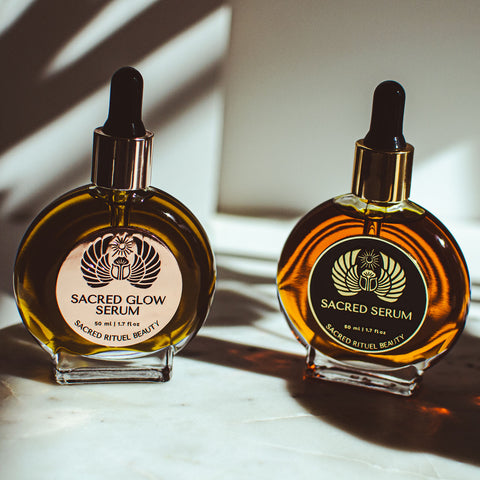
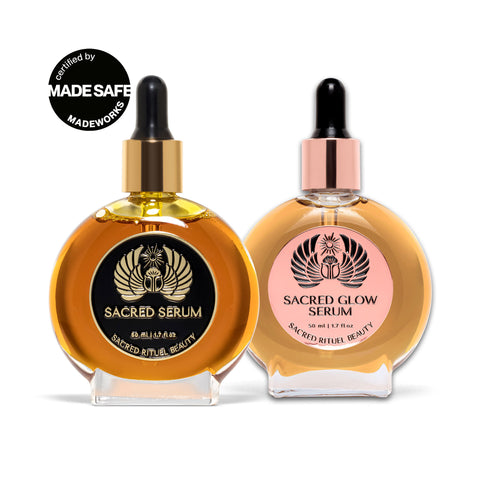
Yes, a face oil suits combination skin, and a whole-plant one is one of the kindest things you can give skin that is oily in the T-zone and dry on the cheeks. The instinct to strip the shine and mattify the oily zones is exactly what keeps combination skin off balance: harsh, drying products push the skin to overproduce oil and leave the dry areas even more parched. A whole-plant facial oil works the other way. Because plant lipids are compatible with the skin's own and reinforce its moisture barrier (Lin et al. 2018), a well-made oil sinks in to comfort the dry zones while absorbing cleanly on the oily ones, so the skin looks and feels balanced rather than tugged in two directions. That is what people tell us about Sacred Serum, the cold-pressed whole-plant facial oil formulated by folk herbalist Marysia Miernowska: many describe an even, hydrated glow, and one writes it "absorbs right away and doesn't leave me greasy." A quick note of good practice: patch test any new oil on your inner arm first.
Key Takeaways:
- An oil can balance both zones at once: A whole-plant facial oil comforts dry cheeks while absorbing cleanly on the oily T-zone, so combination skin looks and feels balanced rather than mattified in one place and parched in another.
- It works because plant lipids match your skin: Plant oils are documented to support and repair the moisture barrier and are compatible with the skin's own lipid matrix (Lin et al. 2018), so they sink in to condition rather than sit on top. Jojoba in particular closely resembles the skin's own sebum.
- Whole-plant and cold-pressed matters: Cold-pressing preserves the delicate fatty acids and antioxidants that nourish skin, and the synergy of the full plant complex does more for the look of balanced, glowing skin than any isolated oil could.
Have you ever struggled to find the right balance for combination skin, where some areas feel oily while others are dry and flaky? It can feel like a constant tug of war between hydration and oil. The honest, confident answer is that the fix is rarely more stripping and more mattifying. It is the right oil. A well-made whole-plant facial oil meets both zones where they are, and the plant world has been doing this balancing work far longer than any mattifying gel.
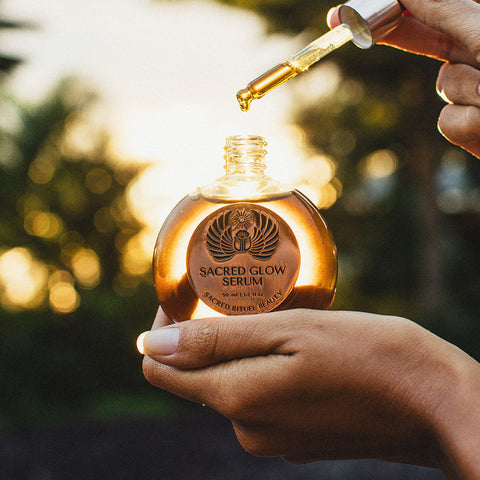
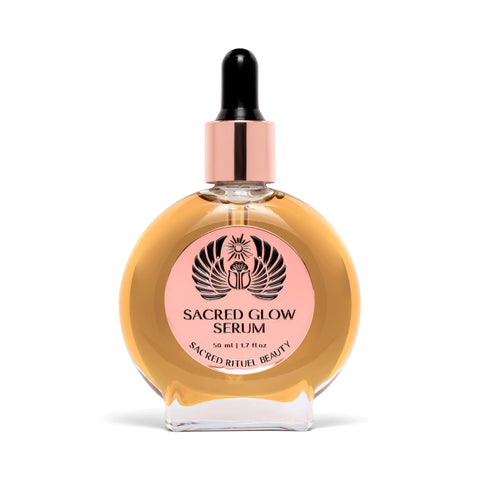
At Sacred Rituel, every product is formulated by folk herbalist Marysia Miernowska, founder of the School of the Sacred Wild, from cold-pressed, whole-plant botanicals chosen for what plants actually do for skin. Our facial hero is Sacred Serum, a whole-plant blend of fourteen cold-pressed organic botanical oils that absorbs cleanly and leaves combination skin looking even and hydrated.
In this guide we will look at what combination skin actually is, why a whole-plant oil balances the look and feel of both zones, the botanical ingredients worth knowing, and how to fold an oil into your daily ritual so your skin looks balanced and glowing.
Understanding Combination Skin
Combination skin shows oily and dry characteristics at the same time. The T-zone across the forehead, nose, and chin tends to look shiny and can show congested-looking pores, while the cheeks and outer areas often feel dry, tight, or flaky and ask for more moisture.
This mix asks for a balanced approach. Over-mattifying the oily zones can leave the rest of the face parched, while heavy, occlusive creams can make the T-zone look greasier. The aim is not to wage war on the shine but to bring the whole face back into balance, and a lightweight whole-plant oil does this gracefully, comforting the dry areas without weighing down the oily ones.
For a balanced approach that comforts dry zones without overwhelming the oily ones, many in our community reach for Sacred Serum. This lightweight, cold-pressed whole-plant oil absorbs cleanly and leaves combination skin looking even and hydrated.

Common Challenges Of Caring For Combination Skin
Caring for combination skin is its own art, because it asks you to comfort dryness and balance oiliness at the same time. The goal is to bring the skin into harmony without overloading it or stripping it. Here are the most common struggles and how a whole-plant approach meets them:
- A shiny-looking T-zone: The forehead, nose, and chin can look shiny and show congested-looking pores by afternoon. The reflex is to strip the oil away, but harsh, drying products often push the skin to look oilier still. A lightweight oil that absorbs cleanly is gentler company for this zone, which is why people tell us our oil "absorbs right away and doesn't leave me greasy."
- Dry patches on the cheeks: While the T-zone looks shiny, the cheeks and outer face are often dry and prone to flakiness. These areas want real lipids, not just surface water. A whole-plant oil delivers the fatty acids dry skin runs short on and helps it look soft and comfortable again.
- Over-cleansing and stripping the skin: Many people with combination skin reach for stripping foam washes to cut the oil, but stripping the skin's natural oils can leave it looking both drier in places and shinier in others. A gentle oil cleanser respects the skin's barrier while it lifts away makeup and the day's grime, a much kinder starting point than a stripping foam.
- Product layering difficulties: Heavy, occlusive products can weigh down the oily zones, while skipping moisture for fear of breakouts leaves the dry areas irritated. A single well-made oil simplifies the whole routine, comforting the dry zones and absorbing cleanly on the oily ones.
- Reacting differently across the face: Combination skin can react one way on the oily zones and another on the dry ones. Gentle whole-plant botanicals, rather than harsh actives, are the safest way to give every part of the face what it needs without irritation. Our guide to ingredients worth avoiding in skincare is a useful companion here.
- Uneven-looking texture: Combination skin can look uneven, rough and dry in some places, slick in others. A whole-plant oil conditions the skin so it looks smoother and more even over time, without the heaviness of a rich cream.
How Face Oils Benefit Combination Skin
Combination skin asks for a balanced approach, and a whole-plant facial oil is one of the most elegant ways to give it one. The reason comes down to what the oil is and how it meets the skin. As the old herbalist principle goes, like dissolves like: the lipids in a plant oil are kin to the skin's own, so an oil is welcomed rather than resisted.
Hydration Without Heaviness
A whole-plant oil offers combination skin moisture without the weight of a heavy cream. A lightweight botanical oil conditions the dry cheeks while absorbing cleanly enough for the oily T-zone, so the whole face is nourished without anything sitting greasy on the surface. Pressed in after misting, a few drops are usually all it takes.
Balancing The Look And Feel Of Both Zones
This is where an oil surprises people. Many with combination skin assume they should avoid oil entirely, yet the right oil is precisely what helps the face look balanced. Jojoba, a cornerstone of a good facial oil, is rich in wax esters that closely resemble the skin's own sebum, so it sits in beautiful harmony with combination skin. Rather than mattifying the shine and starving the dry areas, a whole-plant oil meets both zones at once, which is why people consistently tell us an oil helps them "manage oily skin but also dry skin." The promise here is about the look and feel of balance, not about overriding what the skin does.
Supporting The Skin's Moisture Barrier
Whole-plant oils are rich in antioxidants and essential fatty acids, and plant oils are documented to support and repair the skin's moisture barrier, the very layer that keeps the dry zones from getting drier and the whole face calm (Lin et al. 2018). Combination skin often feels stressed by harsh products, and a clean, cold-pressed oil gives the barrier the lipids it needs to look resilient and comfortable again.
Comforting The Look Of Irritated Skin
Combination skin can be reactive, swinging between moisture and oil and quick to look red or feel tight, especially in harsh weather. Oils rich in antioxidants and soothing botanical constituents help the skin look calm and comforted. Sacred Serum is built from botanicals chosen for exactly this, hydrating the dry zones while leaving the skin looking soft and settled. People in our community often describe redness looking calmer and the skin feeling soothed.
The Look Of Smoother, More Even Skin Over Time
A whole-plant oil is also rich in the antioxidants that help skin look its best against everyday environmental stress. Rosehip, a hero of a good facial oil, is a natural source of vitamin C and carotenoids associated with the look of even, smooth, more radiant skin, and it is clinically shown to improve the look of redness and discoloration. Over time, people tell us their combination skin simply looks more even and luminous, without the heaviness of a traditional cream.
Key Ingredients To Look For In Face Oils For Combination Skin
When choosing a face oil for combination skin, look for whole-plant botanicals that comfort dryness and absorb cleanly on the oily zones. These are the ones worth knowing, and you will find them at the heart of a thoughtfully composed oil:
- Jojoba Oil (Simmondsia Chinensis Seed Oil): Rich in wax esters that closely resemble the skin's own sebum, jojoba sits in natural harmony with combination skin, comforting dry areas while absorbing cleanly. To go deeper, see our guide to how jojoba oil suits both oily and dry skin.
- Pomegranate Seed Oil (Punica Granatum Seed Oil): Abundant in antioxidants, pomegranate seed oil helps protect the skin from everyday environmental stress and supports the look of an even, healthy glow on dull or dry areas.
- Tamanu (Calophyllum Inophyllum Seed Oil): Carrying the soothing constituent calophyllolide, tamanu is treasured in herbal tradition for helping irritated-looking skin look calm and comforted, a gift for both the oily and dry zones of combination skin.
- Rosehip Oil (Rosa Canina Seed Oil): A natural source of vitamin C, carotenoids, and essential fatty acids, rosehip supports the look of smoother, more even-toned skin and is clinically shown to improve the look of redness and discoloration.
- Chamomile (Matricaria Recutita Flower): A classic calming botanical, chamomile helps soothe the look of redness and irritation while gently comforting dry patches, without aggravating the oily zones.
- Calendula: Long loved by herbalists for soothing the look of irritated, sensitive skin, calendula is a gentle conditioner that nourishes and balances combination skin.
- Rosa Damascena (Rose): Naturally hydrating and toning, rose helps the skin look balanced and dewy across both zones, with a subtle, grounding botanical aroma.
The real magic, though, is never in a single oil. It is in the way a whole-plant blend brings many botanicals into synergy, what herbalists call the entourage effect, where the full plant complex does more than any isolated part. Cold-pressing keeps those delicate fatty acids and antioxidants alive, which is why how an oil is made matters as much as what is in it.
When should I apply face oil if I have combination skin?
Apply face oil after cleansing and misting, both morning and night, on slightly damp skin. The right timing helps an oil comfort the dry zones and absorb cleanly on the oily ones. Here is when an oil earns its place in a combination-skin routine:
Morning Ritual
A few drops of oil in the morning condition the skin and help it look balanced and glowing through the day. After cleansing and misting, press the oil gently into slightly damp skin so it absorbs cleanly without leaving the T-zone looking shiny. A whole-plant oil also gives the skin antioxidants to face the day's environmental stress.
Evening Ritual
At night the skin has hours to drink in nourishment. After cleansing and misting, a thin layer of oil conditions the dry zones and supports the moisture barrier while you sleep, so you wake to skin that looks even and comfortable. This is often where people with combination skin notice the biggest difference over time.
After Masking
Combination skin appreciates extra care after a mask. A few drops of oil at this stage replenish the lipids and leave the skin looking calm and comforted. If you love a weekly treatment, our DIY botanical face masks for glowing skin pair beautifully with a whole-plant oil to finish.
Can face oil help balance both oily and dry areas?
Yes. Applied well, a whole-plant facial oil is one of the simplest ways to help combination skin look balanced across both zones. Here is how to get the most from it, and how it fits into a complete ritual.
Start With A Gentle Cleanse
Begin with a gentle oil cleanser rather than a stripping foam. Lifting away makeup and grime without stripping the skin's own lipids is the foundation of a balanced combination-skin routine, and it sets the stage for everything that follows.
Mist To Prepare The Skin
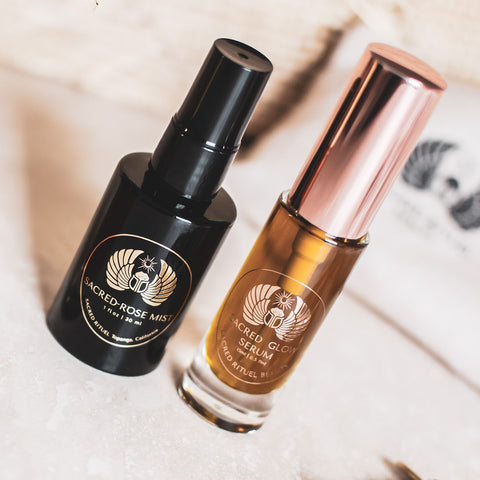
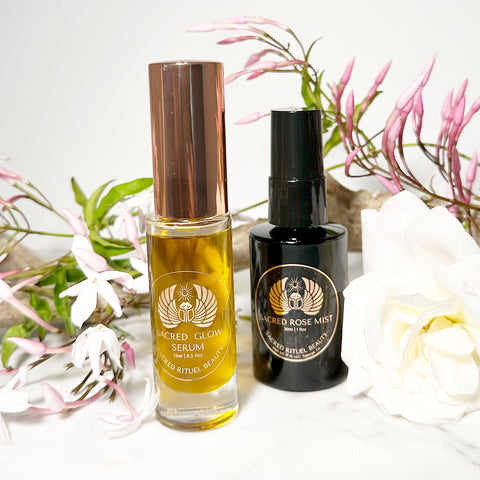
After cleansing, mist the skin with a hydrating toner. A rose mist adds lightweight moisture, especially welcome on the dry zones, and leaves the skin damp so the oil that follows absorbs evenly. For a complete daily ritual, the Sacred routine set pairs the mist, the facial oil, and a body oil so the whole ritual lives together.
Layer The Oil
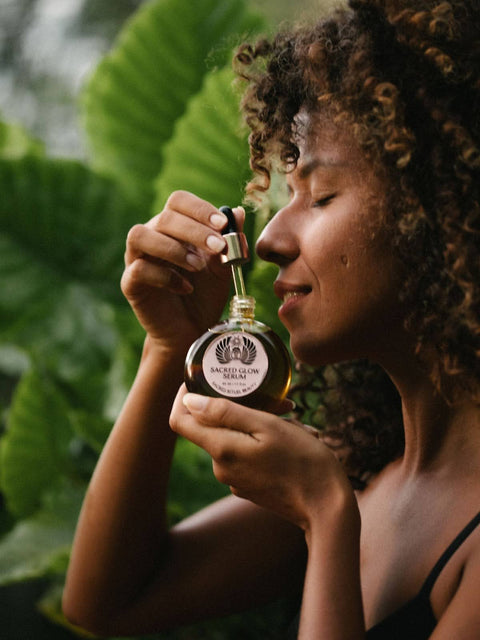
Dispense a few drops of Sacred Serum into your palm or straight onto slightly damp skin, then press and gently massage it across the whole face with light patting motions. A little goes a long way. Pressing it into damp skin helps it absorb cleanly so the T-zone is comforted, not coated, and the dry cheeks are nourished. This is the ritual people describe when they tell us the oil leaves their skin looking even and never greasy.

Final Thoughts
The kindest thing you can do for combination skin is stop fighting it. Instead of stripping the shine and starving the dry zones, a whole-plant facial oil brings the whole face back into balance: it conditions the dry cheeks with the plant lipids and fatty acids they are missing, supports the moisture barrier (Lin et al. 2018), and absorbs cleanly on the oily T-zone because, like dissolves like, plant lipids are kin to the skin's own. Jojoba resembles the skin's sebum, rosehip lends vitamin C and the look of even tone, and the whole-plant synergy does more than any single oil could.
The people in our community describe it simply: an even, hydrated glow, skin that looks balanced rather than shiny in one place and flaky in another, and an oil that absorbs cleanly and never feels greasy. If you want combination skin that looks calm, even, and luminous, a daily ritual built around a whole-plant facial oil is one of the most rewarding things you can keep. Patch test any new oil on your inner arm first, then let your skin find its balance.
If you love a pared-back routine, you may also enjoy our look at the best minimalist skincare brands.
Sources:
- Purnamawati, S., Indrastuti, N., Danarti, R., & Saefudin, T. (2017). The Role of Moisturizers in Addressing Various Kinds of Dermatitis: A Review. Clinical Medicine & Research, 15(3-4), 75-87. https://doi.org/10.3121/cmr.2017.1363
- Xie, M., Jiang, Z., Lin, X., & Wei, X. (2024). Application of plant extracts cosmetics in the field of anti-aging. Journal of Dermatologic Science and Cosmetic Technology, 100014-100014. https://doi.org/10.1016/j.jdsct.2024.100014
- Lin, T.-K., Zhong, L., & Santiago, J. (2018). Anti-Inflammatory and Skin Barrier Repair Effects of Topical Application of Some Plant Oils. International Journal of Molecular Sciences, 19(1), 70. https://doi.org/10.3390/ijms19010070
Frequently Asked Questions
When should I apply face oil if I have combination skin?
Apply face oil after cleansing and misting, both morning and night, on slightly damp skin. In the morning it conditions the skin and helps it look balanced and glowing through the day; at night it nourishes the dry zones and supports the moisture barrier while you sleep. Pressing a few drops of Sacred Serum into damp skin helps it absorb cleanly so the oily T-zone is comforted, not coated.
Can face oil help balance both oily and dry areas?
Yes. A whole-plant facial oil comforts the dry cheeks with the plant lipids and fatty acids they are missing while absorbing cleanly on the oily T-zone, so combination skin looks and feels balanced rather than shiny in one place and flaky in another. Because plant oils are compatible with the skin's own lipid matrix and support the moisture barrier (Lin et al. 2018), the skin welcomes an oil rather than resisting it. People consistently tell us an oil helps them "manage oily skin but also dry skin."
What type of face oil is best for combination skin?
Look for a lightweight, cold-pressed whole-plant oil rather than a single isolated oil. Jojoba is a standout for combination skin because its wax esters closely resemble the skin's own sebum, so it sits in natural harmony with both zones, and rosehip lends vitamin C and the look of even, smooth skin. A blend such as Sacred Serum brings many of these botanicals into synergy, which does more for the look of balanced skin than any one oil alone.
Can face oils cause breakouts on combination skin?
A well-made, lightweight whole-plant oil is unlikely to. Jojoba in particular closely resembles the skin's own sebum and absorbs cleanly, which is why people with combination skin tell us our oil "absorbs right away and doesn't leave me greasy." Skin is individual, so it is always good practice to patch test a new oil on your inner arm for 24 hours first. Starting with a gentle oil cleanser also helps keep the skin clear and comfortable.
Is it necessary to use a face oil if I have combination skin?
It is not mandatory, but a whole-plant oil is one of the simplest ways to bring combination skin into balance. Rather than mattifying the oily zones and starving the dry ones, an oil conditions both at once and supports the moisture barrier, so the whole face looks more even and comfortable. Many in our community find a single well-made oil replaces several heavier products.
How often should I use face oil on combination skin?
Twice a day, morning and night, is ideal for most combination skin, always on slightly damp skin after cleansing and misting. A few drops are plenty; a little goes a long way. If your skin feels like more than it needs, scale back to once a day in the evening and let it find its balance. Consistency matters more than quantity.
Which oil is best for face combination skin?
Jojoba and rosehip are two of the best-loved oils for combination skin. Jojoba's wax esters closely resemble the skin's own sebum so it absorbs in natural harmony with both zones, and rosehip is a natural source of vitamin C and carotenoids associated with the look of even, smooth skin. The most balanced choice, though, is a cold-pressed whole-plant blend like Sacred Serum that brings these botanicals together in synergy.
Should I use face oil if I have combination skin?
Yes. The old worry that oil makes oily zones worse has it backwards: a lightweight whole-plant oil is one of the kindest things you can give combination skin. It comforts the dry cheeks, absorbs cleanly on the oily T-zone, and supports the moisture barrier so the whole face looks balanced. People consistently tell us an oil helps them "manage oily skin but also dry skin." Patch test a new oil first, then let your skin settle into balance.
Radiance Is Personal. Let’s Reveal Yours...


All Day Glow Essentials