How To Soothe Irritated Skin: Gentle Remedies That Work
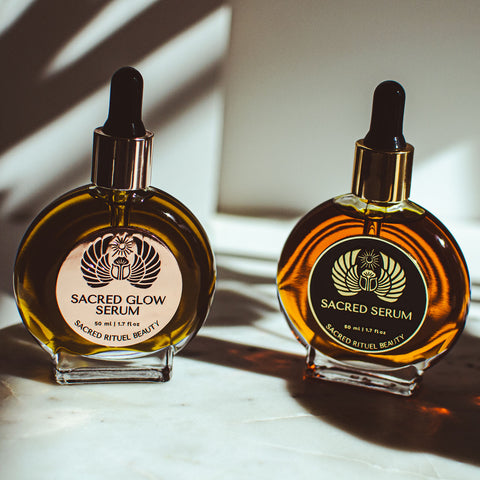
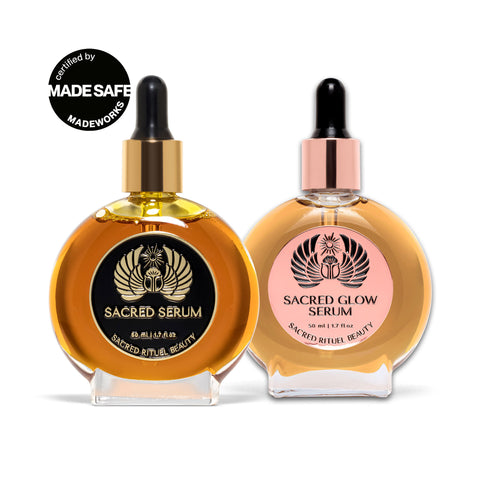
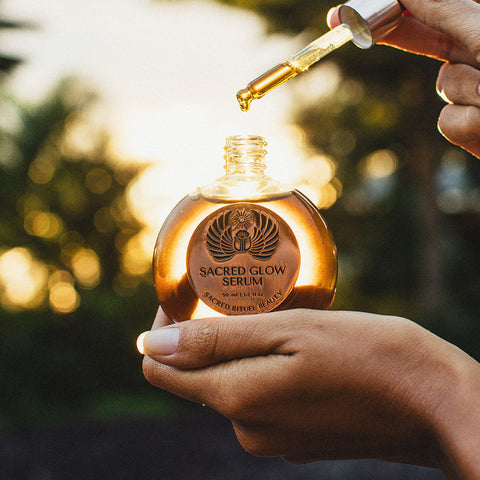
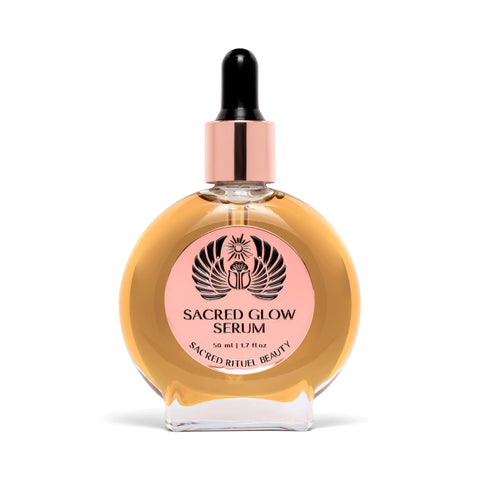
Irritated skin calms when you remove the trigger and give the barrier gentle, soothing care: cleanse with lukewarm water and a fragrance-free cleanser, set aside harsh actives and exfoliants for a while, protect from the sun, and let the skin's moisture barrier recover so skin feels soothed and comfortable again. This is home turf for whole-plant care. Sacred Serum, the cold-pressed blend of 14 botanical oils formulated by folk herbalist Marysia Miernowska, is rich in the fatty acids, antioxidants, and soothing botanical constituents that support a comfortable barrier, and people with reactive, easily-flushed skin reach for it often. In our reviews, soothed sensitivity is the single most common thing people mention, with one writing, "my skin has never been so calm." If irritation is severe or persistent, or you suspect rosacea or eczema, see a dermatologist, and always patch test a new product first.
Key Takeaways:
- Find the trigger: Identifying what is irritating your skin, whether an allergen, a harsh product, or an environmental factor, is the first step to calmer-looking, more comfortable skin.
- Lean on gentle, whole-plant care: Simple soothing steps and a cold-pressed botanical oil like Sacred Serum followed by Sacred Rose Mist help skin feel soothed and look calmer, which is why soothed, less reactive skin is what people mention most in our reviews.
- Know when to get help: Redness or irritation that is severe, persistent, spreading, or worsening, or suspected rosacea or eczema, warrants a board-certified dermatologist. Always patch test a new product first.
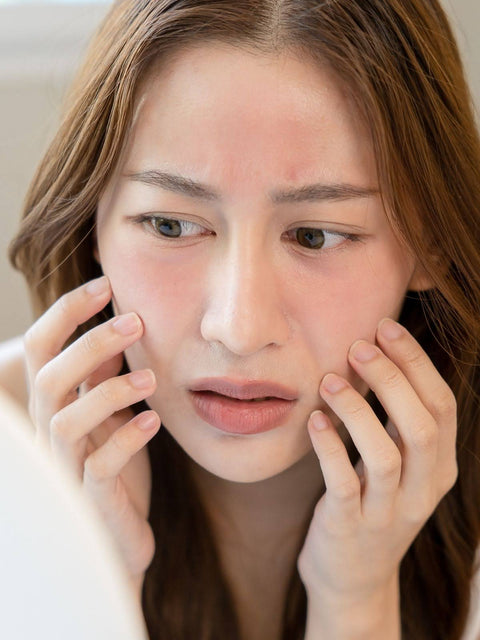
Irritated skin is uncomfortable and, for reactive skin, exhausting. Whether it shows up as redness, dryness, or itching, almost everyone meets it at some point. At Sacred Rituel, soothing is what we do. Marysia Miernowska, the folk herbalist who formulates every Sacred Rituel product and founded the School of the Sacred Wild, builds her blends from organic, cold-pressed whole-plant botanicals chosen for the soothing, barrier-loving constituents herbalists have trusted for generations.
In this guide, we will walk through what actually makes irritation settle, the gentle steps that help skin feel calmer and more comfortable, the botanicals worth reaching for, and the moments when it is worth checking in with a dermatologist.
What makes skin irritation go away?
Skin irritation settles once you remove the trigger and let the barrier recover, supported by gentle hydration and calm, consistent care. Understanding the cause is the first step. Here are the most common culprits:
Environmental Factors
Weather is hard on skin. Cold, low-humidity air pulls moisture out, leaving skin dry and flaky. Hot weather and heavy sweating can clog pores and trigger irritation, especially when sweat mixes with dirt or bacteria. This is exactly where a barrier-supporting oil earns its place: plant oils are documented to reinforce the skin's moisture barrier because their fatty acids are compatible with skin's own lipid matrix (Lin et al., 2018).
Allergens And Irritants
Everyday things like laundry detergents, synthetic fabrics, and synthetic fragrances in skincare are surprisingly irritating, especially for sensitive skin. Nickel in jewelry or plants like poison ivy can spark reactions from mild redness to full rashes. If irritation shows up after a new product, it likely contains an ingredient your skin does not agree with. This is why Marysia keeps her formulas fragrance-free and built from whole, recognizable plants.
Overuse Of Skincare Products
It is tempting to think more is better, but stacking harsh actives and acids strips skin of its natural oils. Over-exfoliating weakens the barrier, leaving redness, sensitivity, and peeling in its wake. Gentle, balanced care is the way out. Even the act of cleansing matters here: gentle oil cleansing protects the skin microbiome that harsh surfactants strip away, so skin starts from a calmer baseline.
Underlying Skin Conditions
Chronic conditions like eczema, psoriasis, and rosacea make skin more prone to irritation, even from everyday weather or stress. These are medical conditions diagnosed and managed by a clinician, not something to self-diagnose. If you suspect one, a dermatologist can give you a clear diagnosis and a care plan suited to you. You can also read more about how to tell rosacea and eczema apart and about the link between rosacea and autoimmune disorders.
Stress And Lifestyle Factors
Your mental and physical health show up on your skin. High stress raises cortisol, which can leave skin looking more reactive and prone to breakouts. Poor diet or too little rest weakens the barrier, making redness and irritation more likely. Caring for irritated skin is partly a nervous-system practice, which is the spirit behind a slow, sensory ritual rather than a rushed routine.

Sun Or Environmental Damage
Time in the sun without protection is one of the fastest ways to leave skin red and uncomfortable. UV exposure can leave skin burned, red, and peeling, and pollutants like smoke and smog irritate skin over time. If you live with rosacea, weather and sun are common triggers, and you can read more on why winter weather may influence your rosacea care choices.
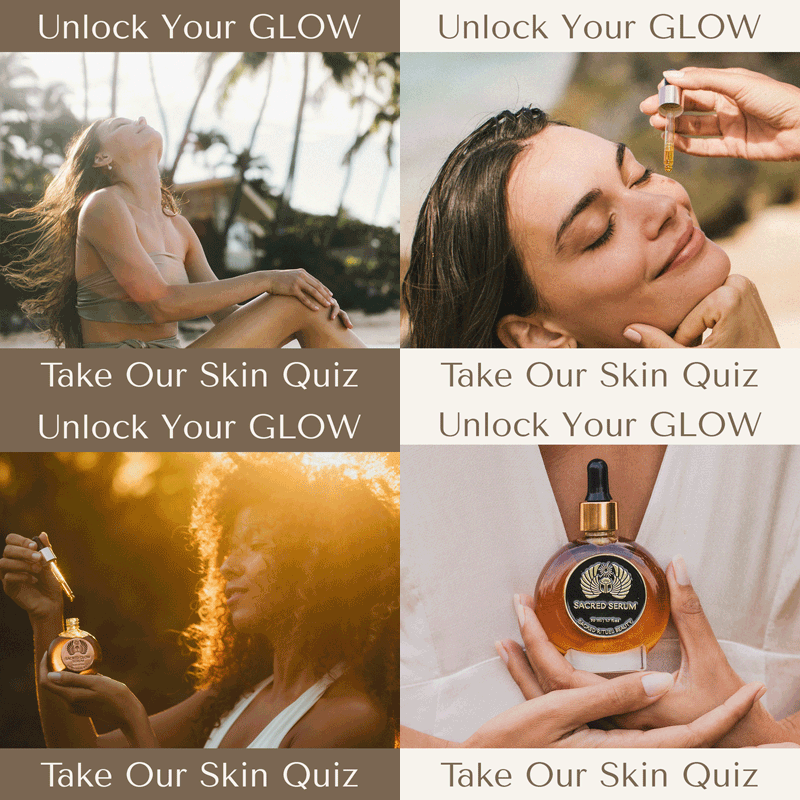
When skin is flushed and reactive, Sacred Serum is built for exactly this moment. It is a cold-pressed blend of 14 whole-plant botanical oils rich in fatty acids, antioxidants, and polyphenols, and several of those plants are documented soothers: rosehip seed oil is clinically shown to improve the look of redness and discoloration over a 12-week study (Valeron-Almazan et al., 2015), tamanu carries calophyllolide, a documented non-steroidal anti-inflammatory constituent, and rose and calendula contribute calming, antioxidant compounds long used in herbalism. Its Pomegranate Seed Oil rounds out a profile many people with reactive skin associate with calmer, more comfortable skin. As one reviewer focused on sensitive, reactive skin put it, "my skin has never been so calm."
How do you reset irritated skin?
When skin is irritated, gentleness wins. Here are the steps that help it feel calmer, fast:
Cleanse Gently
Wash with lukewarm water so you do not shock the skin with temperature extremes. Use a mild, fragrance-free cleanser that respects your skin's natural oils rather than stripping them, then pat dry with a soft towel instead of rubbing.
Apply A Cool Compress
If skin feels hot, press a clean, damp cloth to the area for a few minutes to cool and calm the feel of it. It offers immediate comfort and leaves skin looking less flushed. Skip applying ice directly, which can irritate further.
Use A Fragrance-Free Moisturizer Or Oil
Reach for a gentle, hydrating moisturizer, or a whole-plant oil like the Sacred Serum blend. Its cold-pressed botanical oils hydrate and support the look and feel of a comfortable barrier, and cold-pressing matters: it preserves the delicate plant actives that heat-extraction degrades, so the soothing constituents arrive intact.
Avoid Touching Or Scratching
Scratching an itchy spot makes things worse, introducing bacteria and causing micro-tears. Distract yourself, keep hands clean and nails trimmed, and let the skin settle undisturbed.
Switch To Gentle Products
Set aside anything with alcohol, harsh exfoliants, or strong actives while skin is reactive. Choose gentle, whole-plant formulations free of harsh additives. A simple daily ritual makes this easy to keep up: cleanse, then press a whole-plant oil into slightly damp skin. The Sacred routine set pairs the serum with rose mist so the whole routine stays as gentle as the skin needs.
Stay Hydrated
Drinking water through the day supports skin from within. Pair it with hydrating foods like cucumber and watermelon for an extra boost.
Protect Your Skin
Before heading outside, apply a sensitive-skin-friendly broad-spectrum sunscreen, cover up with a hat or clothing, and avoid long exposure during peak hours so skin has room to recover.
Gentle Home Remedies For Irritated Skin
Nature offers a deep bench of soothers, and herbalists have leaned on them for centuries. Here are gentle options worth trying at home:
Aloe Vera Gel
Aloe is a classic for soothing the feel of irritated skin. It is cooling and calming and leaves skin looking less flushed. Use fresh gel from the plant, or a product free of artificial additives.
Oatmeal Bath
Colloidal oatmeal dissolves in water and creates a soothing layer on the skin, well loved for helping skin feel less itchy and dry. Add a cup to a lukewarm bath, soak 15 to 20 minutes, and pat dry gently.
Cucumber Slices
Cucumber is a natural hydrator thanks to its high water content and cooling feel. Chilled slices cool the area, ease the look of puffiness, and leave skin looking calmer, especially around sensitive areas like the eyes and cheeks.
Honey Mask
Raw honey is moisturizing and has long been used to comfort the feel of irritated skin. Apply a thin layer of raw, organic honey, leave it 10 to 15 minutes, and rinse with lukewarm water. It forms a protective layer while drawing in moisture.
Chamomile Tea Compress
Chamomile is documented in the research for soothing, calming botanical constituents, and it is rich in natural antioxidants. Brew a strong cup, let it cool, soak a soft cloth, and apply to the area for 10 to 15 minutes, repeating as needed for a calming feel.
Sacred Serum And Sacred Rose Mist
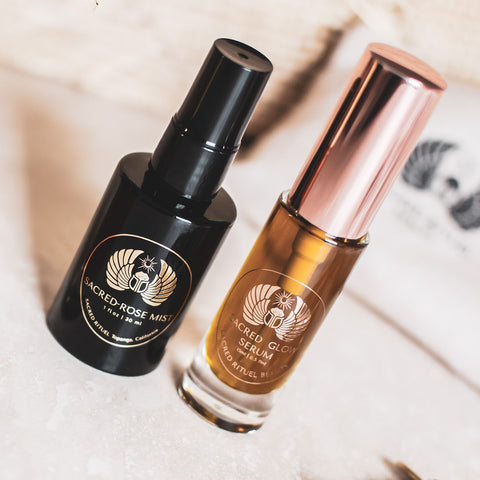
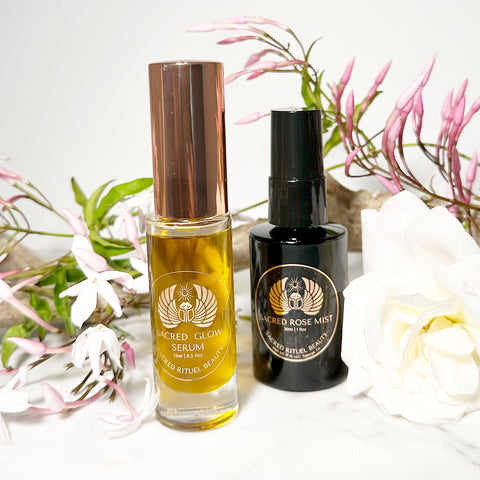
This is where whole-plant care shines. Sacred Serum brings together organic, cold-pressed oils and botanical extracts whose synergy is the point: the full phytocomplex of a whole plant works together in a way isolated molecules cannot, the entourage effect documented across plant-medicine research (Russo, 2019). Rose damascena, documented for anti-inflammatory, antioxidant, and calming properties, is naturally cooling and barrier-supporting, and you get it twice over when you follow the serum with Sacred Rose Mist, whose rose hydrosol helps lock in hydration and leaves skin feeling refreshed and looking calmer. The proof is in the feedback: soothed sensitivity is the single most common thing people mention, with many describing calmer, less reactive skin, another many noting calmer-looking redness, and one customer writing simply that it "helps the redness."
When To See A Dermatologist
Whole-plant care is a beautiful part of a gentle, comfort-focused routine, and some situations still call for a board-certified dermatologist. Rosacea and eczema in particular are medical conditions that need a clinician's diagnosis and care. Here are the signs it is time to seek professional advice:
Persistent Symptoms
If skin stays red, itchy, or irritated after a week of gentle care, it may point to an underlying condition. A dermatologist can identify the cause and the right next steps.
Severe Discomfort
Intense burning, itching, or pain that disrupts daily life is not something to ignore. It can signal an allergic reaction or a condition like eczema, and a professional can assess it and discuss prescription options where appropriate.
Spreading Or Worsening Redness
If the irritated area spreads or the redness worsens, it could signal an allergic reaction, infection, or an autoimmune-linked condition. A dermatologist can diagnose it and recommend the right approach. If rosacea is a concern, here is more on how a facial serum fits into a gentle routine for the look of redness.
Signs Of Infection
Irritation with pus, oozing, or crusting often points to infection, which can spread if left alone. Seek medical attention to get the right treatment.
Suspected Rosacea Or Eczema
Recurring redness, itching, or flaking may indicate a chronic condition like eczema, psoriasis, or rosacea. These are medical conditions, and a dermatologist can confirm what is going on and discuss prescription options where appropriate. A whole-plant oil belongs in a gentle, comfort-focused routine, not in place of medical care for these conditions, so talk with your dermatologist before adding anything new.

Patch-Testing A New Product
Before adding any new oil or product, patch test it. Apply a small amount to the inside of your forearm and leave it 24 hours before using it on your face. This matters most for reactive, sensitive skin, where a new product is more likely to cause a reaction. If you notice redness, itching, or stinging, do not apply it to your face.
Final Thoughts
Irritated skin is real, and so is the relief that comes from treating it gently. Remove the trigger, simplify the routine, and reach for the whole-plant botanicals that herbalists and our own community trust to leave skin feeling soothed and looking calmer. That is the heart of how Marysia formulates, and it is what people tell us again and again in their reviews.
Your skin is unique, so be patient as you learn what it responds to best, and never hesitate to consult a dermatologist for guidance tailored to you, especially if you suspect rosacea or eczema.
Sources:
- Valeron-Almazan, P., Gomez-Duaso, A. J., Santana-Molina, N., Garcia-Bello, M. A., & Carretero, G. (2015). Evaluation of the Effect of Topical Rosehip (Rosa aff. rubiginosa) Seed Oil on Skin Aging Signs. Journal of Cosmetics, Dermatological Sciences and Applications, 5(2), 161-167.
- Lin, T. K., Zhong, L., & Santiago, J. L. (2018). Anti-Inflammatory and Skin Barrier Repair Effects of Topical Application of Some Plant Oils. International Journal of Molecular Sciences, 19(1), 70.
- Russo, E. B. (2019). The Case for the Entourage Effect and Conventional Breeding of Clinical Cannabis: No "Strain," No Gain. Frontiers in Plant Science, 9, 1969.
- Nikbakht, A., & Kafi, M. (2004, June). A study on the relationships between Iranian people and Damask rose (Rosa damascena) and its therapeutic and healing properties. In VIII International People-Plant Symposium on Exploring Therapeutic Powers of Flowers, Greenery and Nature 790 (pp. 251-254).
- Silva, D., Ferreira, M. S., Sousa-Lobo, J. M., Cruz, M. T., & Almeida, I. F. (2021). Anti-inflammatory activity of Calendula officinalis L. flower extract. Cosmetics, 8(2), 31.
Frequently Asked Questions
What makes skin irritation go away?
Skin irritation settles once you remove the trigger, such as an allergen, a harsh product, or an environmental factor, and give the barrier time to recover. Gentle hydration, soothing whole-plant care, and a calm, consistent routine help skin feel soothed and comfortable again. Staying hydrated and avoiding further irritation matter too. If irritation is severe or persistent, see a dermatologist.
How do you minimize skin irritation?
Minimize irritation with fragrance-free, gentle products, by avoiding harsh scrubs and strong actives, and by moisturizing daily, ideally with a barrier-supporting whole-plant oil. Patch test any new product on your inner arm for 24 hours before applying it to your face, which is especially important for reactive, sensitive skin. Protect your skin from sun and extreme weather.
How do you reset irritated skin?
To reset irritated skin, pause all strong or harsh products and switch to a minimal routine built on gentle, hydrating, soothing care. A cold-pressed whole-plant oil like the Sacred Serum face oil followed by Sacred Rose Mist supports the look and feel of a comfortable barrier, and people with reactive skin describe calmer-looking, less reactive skin. Give your skin time to recover by avoiding triggers.
How can I calm the look of irritated skin?
Keep your routine simple and gentle: lukewarm water, a fragrance-free cleanser, a cool compress, and a nourishing whole-plant oil that supports the feel of a comfortable barrier. Skip strong actives and exfoliants while skin is reactive. Botanicals like rosehip, documented to improve the look of redness, and rose, documented for calming properties, are why so many people describe calmer-looking skin with a whole-plant oil, though appearance, not a medical change, is what to expect.
What helps soothe a compromised skin barrier?
A compromised barrier feels soothed when you simplify your routine and stop stripping it. Use lukewarm water, a gentle cleanser, and a cold-pressed whole-plant oil rich in fatty acids and antioxidants; plant oils are documented to support the skin's moisture barrier because their lipids are compatible with skin's own. Avoid harsh actives and over-exfoliating, and protect from the sun. If irritation is severe or persistent or you suspect rosacea or eczema, see a dermatologist.
Radiance Is Personal. Let’s Reveal Yours...
All Day Glow Essentials