
Eczema vs. Acne: How To Identify Each And Support Your Skin
The quickest way to tell eczema and acne apart is by what each looks like and where it shows up: eczema appears as broad patches of dry, itchy, scaly skin (often on the hands, elbows, knees, neck, or face), while acne shows up as pimples, blackheads, or cysts in oil-rich areas like the face, chest, and back. Both are conditions a clinician should diagnose and manage: eczema (atopic dermatitis) is a medical condition, and persistent or cystic acne also warrants professional care, so a dermatologist is the right place for diagnosis and a treatment plan. What you do at home alongside that care is where a calm, gentle, whole-plant routine earns its place. Folk herbalist Marysia Miernowska, who formulates every Sacred Rituel product, built Sacred Serum as a cold-pressed blend of 14 botanical oils that supports the look and feel of the skin's moisture barrier, and it is the kind of nourishing care thousands in our community reach for when their skin feels reactive and raw. Patch test any new oil first, and talk to your dermatologist before layering it with prescribed treatment.
Key Takeaways:
- Identify before you choose care: Eczema shows as broad, dry, itchy, scaly patches; acne shows as pimples, blackheads, and cysts in oil-rich areas. Telling them apart matters because the wrong products can make either one worse.
- Both belong with a clinician: Eczema (atopic dermatitis) is a medical condition, and persistent or cystic acne also warrants professional care. A board-certified dermatologist is the right place for diagnosis and a treatment plan.
- Whole-plant care holds the calm between: Alongside that guidance, a simple routine of cold-pressed botanicals supports the look and feel of comfortable, balanced-looking skin. Patch test any new oil first, and pair home care with professional treatment rather than in place of it.
Sacred Rituel is the work of folk herbalist Marysia Miernowska, founder of the School of the Sacred Wild, who formulates every product from cold-pressed, whole-plant botanicals chosen to nourish skin and support the look and feel of its moisture barrier. Eczema and acne are two of the most commonly confused skin conditions, and this article tells them apart clearly, shows how a gentle whole-plant routine supports comfortable-looking skin alongside medical care, and names when to see a dermatologist. Sacred Serum is a nourishing 14-oil blend; it is not a treatment for eczema, acne, or any skin condition.
Understanding Eczema
Definition And Symptoms
Eczema, or atopic dermatitis, is a long-term medical condition that leads to dry, scaly, and rough-looking skin. It frequently affects areas like the face, hands, elbows, and knees. Typical signs include intense itching, redness, and skin that can appear cracked or leathery. Scratching the affected areas often makes things worse and can break the skin. Eczema tends to come and go, with calmer periods and flare-ups. Because eczema is a medical condition, a clinician is the right person to diagnose it and guide care.
Causes And Triggers
The causes of eczema are multifaceted, involving a combination of genetics and environmental factors. If you have a family history of allergies or asthma, your chances of developing eczema may be higher. External factors like allergens (dust mites, pollen), irritants (harsh soaps, fragranced products), or sudden temperature changes can provoke flare-ups. Emotional stress and certain foods may also play a role. Identifying and minimizing these triggers is an important part of managing the condition.
Supportive Care And When To Get Guidance
Living with eczema usually means a layered approach guided by a clinician, and keeping skin well nourished is the cornerstone of it. This is exactly where plant oils shine: a major review of topical plant oils (Lin et al., 2018) documents that their composition is highly compatible with the skin's own lipid matrix, so they help support the moisture barrier rather than sitting on top of it. Marysia leans on this in her formulating, choosing fragrance-free, whole-plant oils like calendula, which herbalists have trusted for centuries to soothe sensitive, compromised skin and which the research credits with calming, anti-inflammatory constituents. Your dermatologist may also discuss prescription options for flare-ups, and those decisions belong with them. Alongside that care, many people with reactive skin tell us their skin simply feels calmer and more comfortable on a simple, consistent routine. If you are not yet sure what you are seeing, our guide on How To Soothe Irritated Skin: Gentle Remedies That Work is a gentle starting point, but a dermatologist should confirm the diagnosis.
Understanding Acne
Definition And Symptoms
Acne is a common skin condition that happens when hair follicles become clogged with oil, bacteria, and dead skin cells. It often shows up as pimples, blackheads, or cysts on the face, neck, chest, or back. Breakouts can range from mild to severe and are sometimes accompanied by redness, swelling, and scarring. Hormonal changes, stress, and genetics all influence how acne presents. It can affect people of any age, although it is most common among teenagers and young adults.
Causes And Triggers
Multiple factors can contribute to acne, including hormonal fluctuations (especially during puberty or menstrual cycles), excess oil, and acne-associated bacteria. Harsh skincare habits, like over-exfoliation or stripping cleansers, can further irritate the skin. Here herbalist wisdom and the science agree: stripping the skin backfires. Research on the skin microbiome (Boxberger et al., 2021) shows that harsh surfactants disrupt the microbial community that keeps skin balanced, which is the whole reason Marysia builds the routine around gentle, microbiome-preserving care rather than aggressive cleansing. Dietary patterns such as a lot of sugar or dairy may aggravate acne for some people, and environmental factors like pollution and certain medications can play a part too.
Supportive Care And When To Get Guidance
A gentle, consistent routine is the foundation of supporting acne-prone skin: a mild cleanser and a lightweight, non-clogging botanical care suited to your skin. It surprises people that an oil can sit well on acne-prone skin, but our community keeps reporting it. One person who came to Sacred Serum with sensitive, acne-prone skin wrote that it is "gentle and protective," and another, skeptical it would break her out, found "nothing! ... not clogging my pores or causing blemishes." For persistent, painful, or cystic acne, a dermatologist can talk through prescription options that suit you, and those are professional decisions best made under their guidance. Sacred Serum is a nourishing oil, not a treatment for acne, so it sits alongside that care, never in place of it.

Eczema Vs. Acne: Key Differences
- Appearance. Eczema often presents as broad patches of dry, red, scaly skin that can look swollen or weep, typically across larger areas, and may leave discoloration over time. Acne is more localized, showing as pimples, blackheads, or cysts that vary in size. Eczema can make skin look rough and leathery, while acne mainly produces bumps. Both can leave marks or post-inflammatory pigmentation behind.
- Location on the body. Eczema frequently affects the hands, elbows, knees, and neck, often symmetrically on both sides, and in infants the face and scalp. Acne shows up most on the face, chest, and upper back, where oil glands are concentrated. Recognizing these patterns helps distinguish the two.
- Sensation. Eczema is intensely itchy, and scratching tends to make it worse. Acne tends to feel sore or tender around inflamed spots, especially cystic ones. Both need gentle, consistent care, and a dermatologist can confirm which you are dealing with.
Gentle, Whole-Plant Skincare To Support Comfortable-Looking Skin
Once a dermatologist has helped you understand what you are working with, the day-to-day goal at home is simple: nourish the skin and let it find its calm. Whole-plant botanicals are made for this, because they feed the barrier instead of stripping it. This is the heart of Marysia's formulating philosophy, and the science backs it: whole-plant extracts work through the synergy of their full phytocomplex, the entourage effect (Russo, 2019), and cold-pressing preserves those delicate actives that heat and solvents destroy. Here is how a calm Sacred Rituel routine fits in.
Sacred Serum
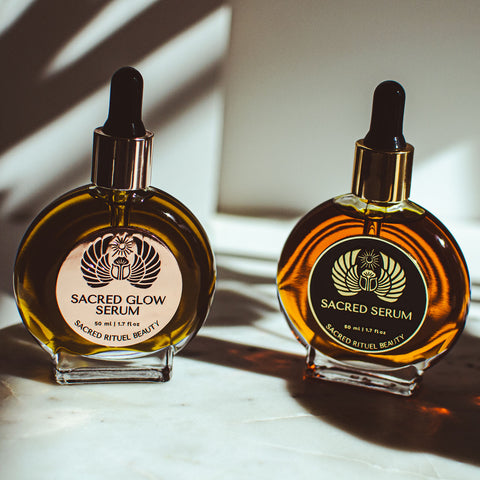
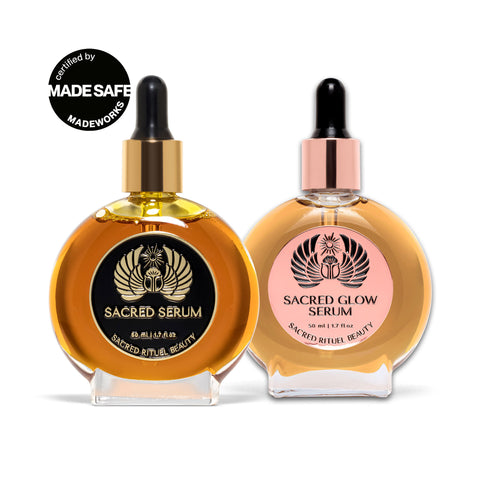
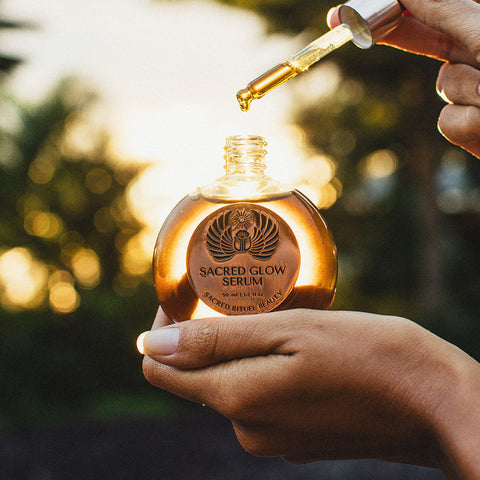
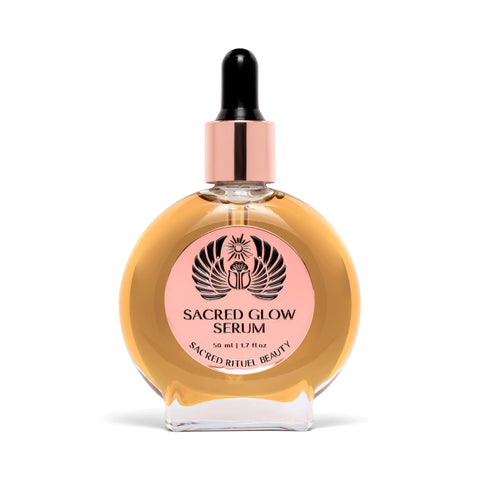
Sacred Serum is a cold-pressed blend of 14 whole-plant botanical oils, rich in fatty acids, antioxidants, and polyphenols, that supports the look and feel of the skin's moisture barrier. The blend is built on botanicals herbalists have reached for across generations: tamanu, which carries calophyllolide, a documented non-steroidal anti-inflammatory constituent (Bhalla et al., 1980); rosehip seed oil, clinically shown over 12 weeks to improve the look of redness and discoloration (Valeron-Almazan et al., 2015); and calendula, helichrysum, and rose, all documented in the research for their soothing, calming constituents. The verdict from our community of reactive, sensitive skin is consistent: across these reviews, roughly 44 percent describe soothed sensitivity and a further share describe calmer-looking redness. One person wrote that "my skin has never been so calm," another reported "only clearer healthier, less reactive skin," and a third, navigating reactive perimenopausal skin, said it "helps the redness and sensitivity I developed in perimenopause." It is a nourishing oil, not a treatment, so it sits alongside any care a dermatologist recommends.
Sacred Rose Mist
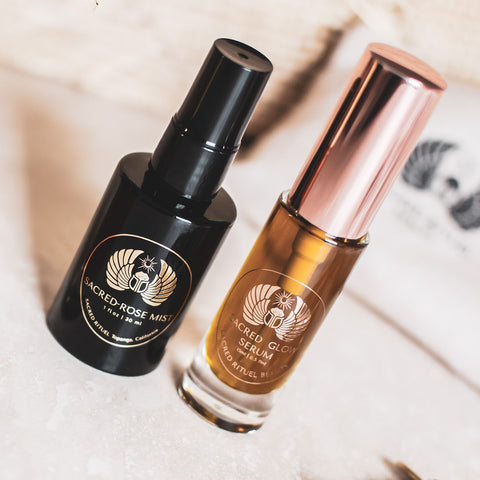
Sacred Rose Mist is made with rose hydrosol from Bulgarian growers who prioritize organic farming. Rose hydrosol is naturally cooling and a gentle source of hydration, surrounding the face in a fine, rose-infused mist, and research on Rosa damascena documents its calming, antioxidant, and barrier-supporting properties (Boskabady et al., 2011). Many people use it as a fragrance-free-friendly toning step to refresh and add moisture before pressing in a facial oil. Used regularly, it helps prepare the skin to take in the oils that follow.
A Simple Daily Ritual
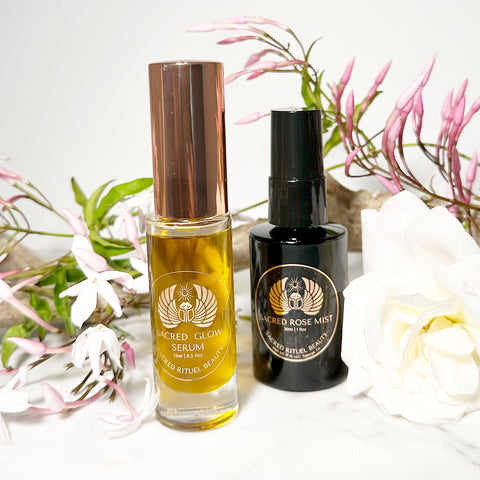
For an easy routine: mist with Sacred Rose Mist, then press Sacred Serum into slightly damp skin. The Sacred routine set pairs the two together, which makes a gentle, consistent routine easy to keep up. For more on calming the look of reactive skin, see How A Facial Serum Can Help Reduce Skin Inflammation And Redness.

Avoiding Common Mistakes In Skincare
Misidentifying Symptoms And Overusing Strong Products
It is important to know whether you are dealing with eczema or acne, because the wrong products can backfire. Strong exfoliants or harsh antibacterial products can irritate dry, eczema-prone skin and make it worse, while heavy creams meant for very dry skin can clog pores for acne-prone skin. This is exactly why a dermatologist's diagnosis is so valuable: it tells you which path to take before you choose products.
Ignoring Diet And Environmental Triggers
Skin care is not only about what you put on your skin. Foods like dairy or sugar can aggravate acne for some people, while allergens can provoke eczema flare-ups. Stress, pollution, and a dry environment are other common triggers. Noticing and minimizing your personal triggers can make a real difference, and a dermatologist can help you connect the dots.
Importance Of A Gentle, Consistent Routine
A consistent, gentle routine supports the look and feel of the skin barrier and helps both acne-prone and sensitive skin stay comfortable. Over-exfoliating or constantly switching products can disrupt that calm. Whole-plant, fragrance-free botanicals offer balanced, barrier-friendly care. A simple, steady routine built around a few thoughtful products is usually more supportive than a crowded shelf.
Patch-Testing A New Oil
Before adding any new oil to your routine, patch test it first, which is especially important for reactive or sensitive skin. Apply a small amount of Sacred Serum to the inner arm, leave it for a full 24 hours, and check for any redness, itching, or irritation before using it on your face. Eczema-prone and acne-prone skin can both react to new products, so this simple step is well worth the wait.
When To See A Dermatologist
Whole-plant care supports comfortable-looking skin beautifully, and it works best alongside a clinician, not instead of one. See a board-certified dermatologist if your skin is persistently red, itchy, painful, or worsening, if you suspect eczema (atopic dermatitis), or if your acne is persistent, painful, or cystic. Eczema is a medical condition that a clinician diagnoses and manages, and stubborn acne deserves the same professional attention. A dermatologist can confirm what is going on, rule out other conditions, and discuss the approaches and any prescription options that suit your skin. Your gentle routine is the calm you keep at home around that care, so it is a good idea to talk to your dermatologist before layering a new oil with prescribed treatment.
Final Thoughts
Telling eczema and acne apart is the first step toward caring for either one well, because their symptoms, triggers, and care look quite different. Eczema brings dry, itchy patches; acne brings breakouts in oil-rich areas. Both are best diagnosed and managed with a dermatologist, and that is the floor. The calm you build on top of it, a steady routine of nourishing, cold-pressed, whole-plant botanicals with sun protection and patch testing, is what so many in our community say finally gave their reactive skin a place to settle. Your skin is unique, so give it patience, and let your dermatologist be your partner in getting there.
Rosacea is another condition that can look similar to eczema and acne. If your redness shows as flushing or visible vessels, read The Link Between Rosacea And Autoimmune Disorders, and if the seasons seem to set off your flushing, Why Winter Weather May Influence Your Rosacea Treatment Choices digs into that.
Sources:
- Sasaki, G. H. (2017). Atopic dermatitis: a review of current diagnosis and management. Clinical, Cosmetic and Investigational Dermatology.
- Lynde, C. B., & Tan, J. (2018). Acne vulgaris: diagnosis and treatment. Canadian Family Physician.
Frequently Asked Questions
How can I tell the difference between rosacea and eczema?
Eczema usually appears as dry, itchy, scaly patches that can show up on the hands, elbows, knees, neck, or face, while rosacea tends to center on the face with persistent-looking redness and visible vessels on the cheeks and nose. Because these conditions can look similar and sometimes overlap, a dermatologist is the right person to diagnose based on the distribution and appearance of your skin.
Can rosacea and eczema occur simultaneously?
Yes, it is possible to have more than one skin condition at the same time, and signs can overlap, which is part of why self-diagnosis is so tricky. If you are seeing a mix of redness, dryness, and itching, it is worth consulting a dermatologist for a precise diagnosis and a care plan suited to your skin.
What are common rosacea triggers I should avoid?
Commonly reported rosacea triggers include spicy foods, alcohol, extreme temperatures, sun exposure, and emotional stress, all of which can make facial redness look more pronounced. Triggers are individual, so noticing your own patterns helps. A dermatologist can confirm a rosacea diagnosis and help you build a gentle, low-irritation routine around it.
Are eczema triggers different from rosacea triggers?
They can overlap but often differ. Eczema is frequently provoked by allergens and irritants like pollen, harsh soaps, fragranced products, and sudden temperature changes, along with stress and certain foods. Rosacea triggers lean more toward heat, sun, spicy food, and alcohol. Recognizing which irritants affect you is key, and a dermatologist can help you sort it out.
Should I exfoliate if I have rosacea or eczema?
Exfoliating can irritate sensitive, reactive skin and make redness and dryness look worse, so it is best approached cautiously with either condition. Gentle cleansing and consistent moisturizing to support the look and feel of the skin barrier is usually a kinder approach. If you want to exfoliate at all, ask a dermatologist what, if anything, is appropriate for your skin.
How do I know if it's rosacea or eczema?
Location and sensation are useful clues: eczema is typically itchy and dry across patches on the body or face, while rosacea centers on facial redness and visible vessels. That said, the two can look alike and sometimes coexist, so the only reliable way to know is a professional diagnosis. A board-certified dermatologist can examine your skin and confirm which condition you have.
What are the main triggers for rosacea and eczema?
For rosacea, common triggers include sun, heat, spicy foods, alcohol, and stress. For eczema, they more often include allergens, harsh soaps, fragranced products, dry air, and temperature swings. Both can be aggravated by stress. Keeping a gentle, consistent routine and noting your personal triggers helps, and a dermatologist can tailor guidance to your specific condition.
Radiance Is Personal. Let’s Reveal Yours...
All Day Glow Essentials