
Rosacea And Winter Weather: How To Support Calmer-Looking Skin
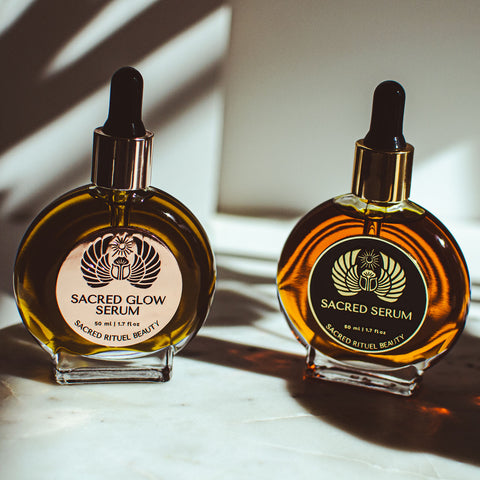
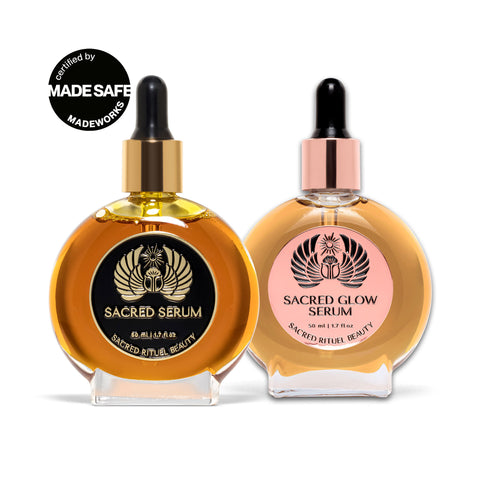
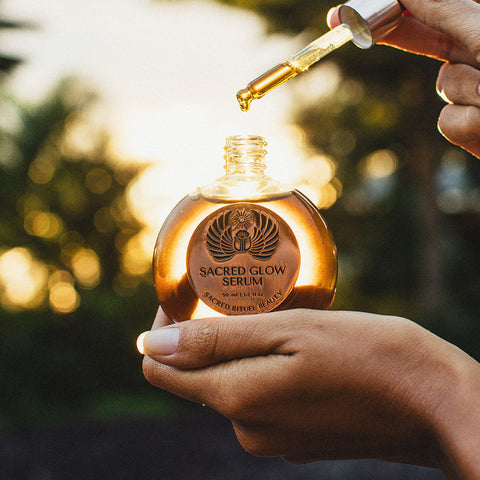
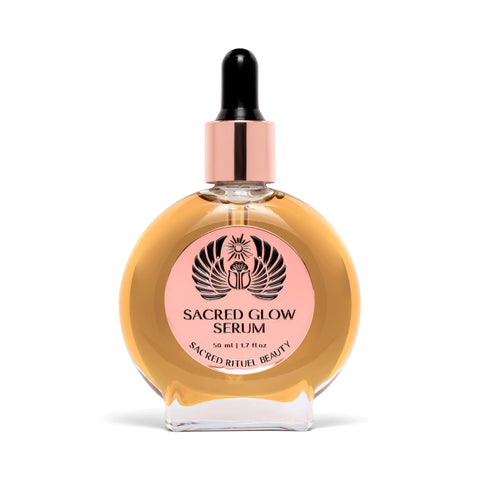
Winter weather makes rosacea-prone skin look more flushed because cold wind, dry indoor heating, and sudden swings between hot and cold prompt the small blood vessels in the face to widen, leaving skin looking redder and feeling more reactive. Because rosacea is a medical condition, a board-certified dermatologist is the right person to diagnose it and guide any treatment. Alongside that care, the way you support your skin day to day matters, and this is where whole-plant botanicals earn their place. Rosehip seed oil is clinically shown to improve the look of redness and discoloration, and blended with tamanu, rose, and calendula, botanicals herbalists have trusted for centuries to calm and soothe, it is the kind of nourishing care that thousands in our community reach for. In Sacred Serum, our cold-pressed blend of 14 botanical oils, those plants work together to support the look and feel of calmer, more comfortable skin through the season.
Key Takeaways:
- Winter makes flushing more visible: Cold air, dry indoor heating, and sudden temperature changes are common rosacea triggers that leave sensitive skin looking redder and feeling more reactive.
- Rosacea is a medical condition: Diagnosis and treatment belong with a board-certified dermatologist. Alongside that care, a gentle, fragrance-free routine built on whole-plant botanicals like the rosehip, tamanu, and rose in Sacred Serum face oil supports the look and feel of calmer, comfortable skin.
- Protect, simplify, and patch-test: Shield your face from the elements, keep your routine simple, manage triggers like spicy foods, alcohol, and stress, and patch-test anything new before facial use.
At Sacred Rituel, our founder and herbalist Marysia Miernowska formulates every blend from cold-pressed, whole-plant botanicals chosen for the way they nourish skin and support the look and feel of its moisture barrier. Winter can be a magical time, but if you have rosacea, the colder months can feel less like a wonderland and more like a season your skin braces against. In this article we explore how winter weather affects rosacea-prone skin, the gentle plant-powered routine that supports calmer-looking skin, the lifestyle habits that keep triggers in check, and when it is time to see a dermatologist.
What Is Rosacea And How Is It Diagnosed?
Rosacea is more than a bit of redness on your face: it is a chronic skin condition that many people live with. It often shows up as persistent redness, visible blood vessels, or acne-like bumps on the cheeks, nose, chin, or forehead. For some, it can also bring a burning sensation, swollen-looking skin, or eye irritation (a form known as ocular rosacea).
Because rosacea does not have a one-size-fits-all appearance, its signs can vary widely, which makes it hard to self-diagnose. That is why a visit to a board-certified dermatologist is key. A dermatologist will typically look at your symptoms and medical history to make the diagnosis, and because there is no single test for rosacea, they may rule out other conditions to confirm what is going on. If you are unsure whether you are seeing rosacea or something else, our guides on Eczema Vs. Acne - Identifying And Treating Your Condition and The Link Between Rosacea And Autoimmune Disorders can give you helpful context before that appointment.
Living with reactive, rosacea-prone skin, many people want a gentle daily step that genuinely supports the look and feel of calmer skin. This is exactly where whole-plant care shines. In our community we hear it constantly from people who came to Sacred Serum after prescriptions and harsh actives left their skin raw: "my skin has never been so calm," "my redness was calmed," and "only clearer healthier, less reactive skin." Sacred Serum is a cold-pressed blend of 14 botanical oils plus herbal infusions, rich in fatty acids and antioxidants, that supports the look and feel of a comfortable moisture barrier. It is a cosmetic skincare oil, not a treatment for rosacea, so it works best alongside the care your dermatologist recommends.
What are common rosacea triggers to avoid?
If you live with rosacea, you have likely noticed certain things that set off a flush. Learning your personal triggers is one of the most useful things you can do. Here are the most common ones to watch for:
- Temperature extremes: Cold wind, hot rooms, and sudden swings between the two make skin look flushed and feel reactive.
- Spicy foods and hot drinks: Both are well-known to prompt blood vessels to widen, which leaves skin looking redder.
- Alcohol: Red wine in particular is a common trigger for visible flushing.
- Sun exposure: UV is one of the most frequently reported rosacea triggers, even on cloudy or snowy days.
- Stress: Emotional stress is a common lead-in to a flush for many people.
- Harsh or fragranced skincare: Alcohol, menthol, and added fragrance irritate reactive skin, so fragrance-free choices are gentler.
Not everyone reacts to all of these, and triggers can change over time. Keeping a simple log of what preceded a flush helps you spot your own patterns. For more gentle, plant-powered ideas, see How To Soothe Irritated Skin: Gentle Remedies That Work.
How Winter Weather Can Impact Rosacea Flare-Ups
Winter is especially challenging for rosacea-prone skin. The combination of cold air outside and dry, heated air indoors creates a perfect storm for sensitivity. Here is how the season stirs up visible redness:
Cold Temperatures And Wind
When temperatures drop, the skin's moisture barrier loses lipids and struggles to hold on to moisture. Cold winds act like a sandblaster, stripping away the protective oils that keep skin feeling comfortable and hydrated. This leaves skin looking redder and feeling more sensitive, which are classic rosacea triggers. Replenishing those lost lipids with plant oils that are compatible with the skin's own lipid matrix is one of the most direct ways to support a comfortable barrier through the cold.

Dry Indoor Heating
Indoor heating systems create a low-humidity environment that draws moisture out of your skin. That dryness makes skin feel tight and flaky and look more reactive to other triggers. When skin feels parched, it tends to look less calm and more flushed.
Sudden Temperature Changes
Moving quickly from the frosty outdoors into a warm, heated building prompts the blood vessels to widen fast. That shows up as visible redness or a flushed look, especially for those prone to rosacea. Over time, repeated swings can make flushing episodes feel more frequent.
Holiday Indulgences
The holidays bring spicy foods, hot drinks, and alcohol, all of which prompt blood vessels to widen and trigger a flush. Emotional stress from holiday planning adds to the mix, and even favorite winter treats like chocolate or peppermint can be sneaky culprits for some people.
Adapting Your Skincare Routine For Winter
When winter rolls around, it is time to show your skin some extra care. A few gentle, plant-powered adjustments help your skin look calmer and feel more comfortable through the colder months. Here is where to start:
Switch To A Gentle Cleanser
Harsh, foaming cleansers strip your skin of its natural oils and disrupt the microbiome that keeps the barrier resilient, leaving skin even more vulnerable to dryness. Gentle oil cleansing cleanses without stripping, preserving the delicate microbial balance that harsh surfactants wash away. Opt for a mild, fragrance-free cleanser designed for sensitive skin, and avoid anything with alcohol or exfoliating beads, which irritate reactive skin.
Hydrate, Hydrate, Hydrate
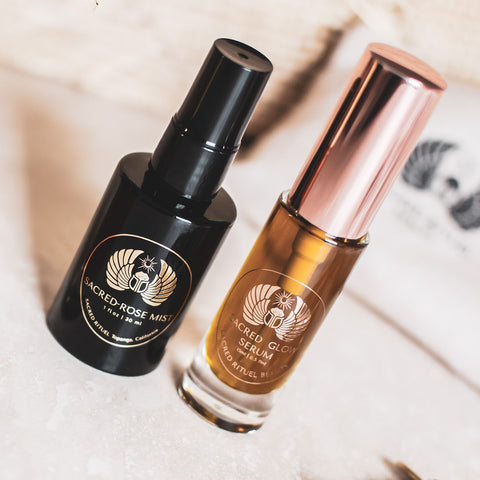
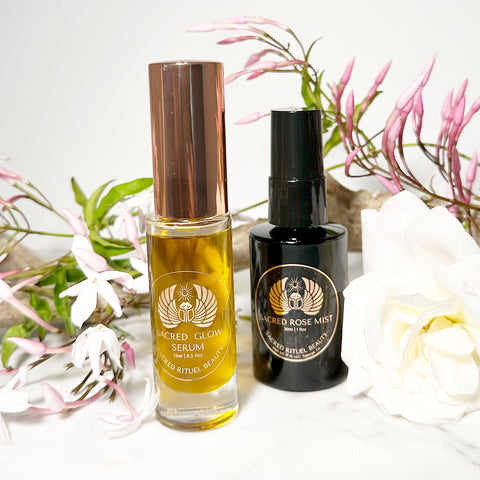
Winter leaves skin parched, so replenishing its lipids is essential. The Sacred Serum face oil is a cold-pressed blend rich in fatty acids, antioxidants, and polyphenols, and plant oils like these are documented to support the skin's moisture barrier because they are so compatible with the skin's own lipids. Within the blend, rosehip seed oil is clinically shown to improve the look of redness and discoloration over twelve weeks, while tamanu carries calophyllolide, a documented non-steroidal anti-inflammatory constituent, and rose and calendula contribute calming, soothing botanical compounds long trusted in herbalist tradition. Press a little into slightly damp skin after cleansing, and reapply through the day if your skin feels tight. To refresh skin between steps, a fragrance-free hydrosol such as Sacred Rose Mist can be misted on throughout the day.
Don't Skip The Sunscreen
Even when it is cloudy or snowing, UV rays reach your skin and trigger flare-ups. Choose a broad-spectrum sunscreen with SPF 30 or higher, look for fragrance-free and non-comedogenic on the label, and apply it as the last step in your morning routine. Sacred Serum is a nourishing whole-plant oil, not a sunscreen, so always pair it with dedicated sun protection.
Avoid Hot Showers And Overwashing
A steamy shower might feel relaxing on a cold day, but the heat strips essential moisture and triggers flushing. Stick to lukewarm water when washing your face, avoid scrubbing, keep showers to 10 to 15 minutes, and apply your oil right after to seal in hydration.
Use A Humidifier
Winter heating creates very dry air that depletes your skin's moisture. A humidifier adds moisture back into the room, helping skin feel supple and look less reactive. Aim to keep the humidity in your home between 30 and 50 percent for comfortable skin.
Choose Products Wisely
Ingredients such as alcohol, menthol, or added fragrance are harsh on rosacea-prone skin. Instead, look for gentle, fragrance-free products that support the look and feel of calmer, comfortable skin. Patch-test any new product on a small area before applying it to your whole face.
Lifestyle Changes To Support Calmer-Looking Skin
Supporting rosacea-prone skin is not just about skincare: your daily habits play a huge role in keeping triggers at bay. Here are some lifestyle tweaks that help, especially during winter:
Watch Your Diet
Your diet influences how your skin looks and feels. Spicy foods, hot soups, and chili peppers are common culprits that prompt blood vessels to widen and leave skin looking redder. Keeping a food journal helps you spot your unique triggers, and when in doubt, gentle options like leafy greens, omega-3-rich fish, and warm (not steaming) chamomile tea are soothing choices.
Dress Smart For The Weather
Protect your face from the elements by bundling up with a scarf or a brimmed hat. Soft, breathable fabrics are best to avoid irritation, and try not to overheat, since sweating can also trigger flushing.
Manage Stress Levels
Stress is a known trigger for many people with rosacea. Mindfulness, yoga, or other relaxation practices make a real difference. Even five minutes a day of deep breathing helps.
Stay Hydrated
Drinking plenty of water helps your skin feel its best against environmental irritants. Aim for around eight glasses a day, and lean on water-rich foods like cucumbers, oranges, and watermelon. In winter, hydration matters even more since cold air and heating sap skin of moisture.
Limit Alcohol And Hot Drinks
Alcohol, particularly red wine, is a well-known rosacea trigger because it prompts blood vessels to widen and promotes flushing. Piping hot beverages do the same by raising skin temperature. Opt for lukewarm drinks, or soothing herbal teas served warm but not steaming.
Exercise With Care
Movement is wonderful, but very intense workouts can trigger a flush. Try low-impact options like walking or yoga, avoid exercising in extreme temperatures, and shield your face from cold wind when you are outdoors.
Track Your Triggers
Everyone's rosacea is different, and understanding your own triggers is key. Keep a log of your daily habits, food, weather, and skincare to spot the patterns that precede a flush. Over time, this helps you make gentler choices and sidestep preventable triggers.
Supporting Calmer-Looking Skin This Winter
When it comes to rosacea, there is no one-size-fits-all answer, and any treatment plan belongs with your dermatologist. Alongside their care, a gentle daily routine and thoughtful lifestyle choices support the look and feel of calmer skin through the colder months. Here is how to fine-tune that supportive care during winter:
Keep Your Routine Simple
Overloading reactive skin with too many products does more harm than good. Stick to a minimalist ritual: a gentle, fragrance-free cleanser, a nourishing whole-plant oil, and sunscreen during the day. A simple daily ritual makes this easy to keep up. To make it effortless, the Sacred routine set pairs the whole-plant face oil with a fragrance-free rose hydrosol so you have a calm, two-step ritual morning and night.
Choose Gentle, Fragrance-Free Products
Daily products made for sensitive, rosacea-prone skin help skin feel comfortable and look calmer. Look for gentle, fragrance-free formulas and avoid alcohol or exfoliating acids, which irritate reactive skin. This is the whole-plant philosophy in practice: the synergy of a full botanical phytocomplex, with its delicate actives preserved by cold-pressing, does more together than any isolated molecule. Whole-plant oils that are naturally a source of vitamin C, such as the rosehip and sea buckthorn in our blend, are ingredients many people associate with the look of healthy, comfortable skin. You can read more in our Vitamin C Oil For Face glossary.
Patch-Test New Products
When trying a new product, apply a small amount to an inconspicuous spot like the inner arm, then wait a full 24 hours to see if there is any reaction such as redness, itching, or swelling. This is extra important for reactive, rosacea-prone skin, and it can save you from the discomfort of a full-face reaction.

See Your Dermatologist For Treatment
Because rosacea is a medical condition, a board-certified dermatologist is the right person to diagnose it and to discuss any treatment that suits you. They can talk you through prescription options and in-office procedures if those are appropriate, and they will tailor a plan to your specific symptoms. A whole-plant oil supports the look and feel of calmer skin, but it does not replace professional care, so check in with your dermatologist if your symptoms change or worsen.
Adjust As Needed
Rosacea changes over time, so stay flexible. What helped last winter might need tweaking this year. Listen to your skin, and do not hesitate to seek professional advice if your symptoms shift.
When To See A Dermatologist
Rosacea is a medical condition, so a board-certified dermatologist is your most important resource. Make an appointment if your redness is persistent, painful, or worsening, if you have not yet had a formal diagnosis, or if you suspect rosacea or eczema, since these conditions need professional diagnosis and care. See a dermatologist promptly if you notice eye irritation that could be ocular rosacea, thickening skin, or symptoms that are not responding to a gentle routine. A dermatologist can confirm what is going on, discuss any prescription or clinical options that suit you, and tailor a treatment plan to your skin. Gentle, whole-plant skincare and the habits in this article support the look and feel of calmer skin alongside that professional care, never as a substitute for it.
Final Thoughts
Rosacea can be challenging to live with, especially in winter when cold air and dry environments work against sensitive skin. But with the right professional care and a calm, consistent routine, you can move through the season with confidence.
The plants have been doing this work for a long time. Generations of herbalists reached for rose, calendula, and rosehip to calm and soothe, and today both the research and thousands of voices in our community point the same way: in our reviews, people with reactive skin describe soothed sensitivity and calmer-looking redness, many of them after harsher products failed them. Pair that whole-plant care with your dermatologist's guidance, simplify your routine around fragrance-free, nourishing botanicals, protect your face from harsh weather, and make thoughtful lifestyle choices to minimize triggers.
Remember, you are not alone in this. With some patience and the steady support of plants that have soothed skin for centuries, you will find a routine that helps your skin look calmer and feel more comfortable, and winter will feel less like a foe and more like another season your skin is ready to face.
Sources:
- Powell, F. C. (2005). Rosacea. New England Journal of Medicine, 352(8), 793-803.
- Alia, E., & Feng, H. (2022). Rosacea pathogenesis, common triggers, and dietary role: the cause, the trigger, and the positive effects of different foods. Clinics in Dermatology, 40(2), 122-127.
- Valerón-Almazán, P., et al. (2015). Evolution of Post-Surgical Scars Treated with Pure Rosehip Seed Oil. Journal of Cosmetics, Dermatological Sciences and Applications, 5(2), 161-167.
- Lin, T. K., Zhong, L., & Santiago, J. L. (2018). Anti-Inflammatory and Skin Barrier Repair Effects of Topical Application of Some Plant Oils. International Journal of Molecular Sciences, 19(1), 70.
- Goh, C. L., Wu, Y., Welsh, B., Abad-Casintahan, M. F., Tseng, C. J., Sharad, J., et al. (2023). Expert consensus on holistic skin care routine: Focus on acne, rosacea, atopic dermatitis, and sensitive skin syndrome. Journal of Cosmetic Dermatology, 22(1), 45-54.
Frequently Asked Questions
What is the root cause of rosacea?
The exact cause of rosacea is not fully understood, but it is thought to involve a mix of genetics, an overactive immune response, and environmental triggers. Skin mites (Demodex), gut bacteria, and changes in the facial blood vessels may also play a part. Because the picture is complex, a board-certified dermatologist is the right person to diagnose rosacea and explain what is driving it for you.
Who is most prone to rosacea?
Rosacea is most common in people with fair skin, particularly those of Northern European descent, and it often develops in adults between the ages of 30 and 50. It can affect anyone, and a dermatologist can confirm a diagnosis regardless of skin tone or background. If you have a family history of rosacea or notice persistent facial redness, it is worth getting a professional opinion.
Is cold water good for rosacea?
Cool or lukewarm water is generally gentler on rosacea-prone skin than hot water. Cool water feels soothing and comfortable, while hot water and steam prompt flushing and leave skin looking redder. Wash with lukewarm water, avoid scrubbing, and pat skin dry rather than rubbing. If redness is persistent or worsening, a dermatologist can advise on care.
What helps support the look of rosacea-prone skin?
A gentle, consistent routine helps skin look calmer and feel more comfortable: cleanse with a mild fragrance-free cleanser, protect your face from sun and cold, and nourish the moisture barrier with a gentle, fragrance-free whole-plant oil. Rosehip seed oil is clinically shown to improve the look of redness and discoloration, and blended with tamanu, rose, and calendula in Sacred Serum it supports the look and feel of a comfortable barrier. In our reviews, many people with reactive skin describe calmer-looking skin ("my redness was calmed"). It supports the look and feel of calmer skin alongside, not instead of, a dermatologist's care.
What are common rosacea triggers to avoid?
Common rosacea triggers include temperature extremes (cold wind and hot rooms), sudden temperature changes, spicy foods, hot drinks, alcohol (especially red wine), sun exposure, stress, and harsh or fragranced skincare. Triggers vary from person to person, so keeping a simple log helps you spot your own. Choosing gentle, fragrance-free products and protecting your face from the elements are good general habits, and a dermatologist can help you build a plan.
Radiance Is Personal. Let’s Reveal Yours...
All Day Glow Essentials