Addressing Hyperpigmentation For Dark Skin Types
Caring for hyperpigmentation on deeper skin tones starts with gentleness and patience, because richer skin tones carry more melanin and tend to respond to irritation by producing darker-looking marks. The kindest place to begin is daily sun protection, a calm and consistent routine, leaving breakouts and bumps alone, and a 24-hour patch test before trying anything new, with a visit to a board-certified dermatologist if marks are persistent, spreading, or you suspect melasma, which on richer skin tones can be especially stubborn and needs professional care. Many people also support the look of a more even tone with a nourishing whole-plant oil like Sacred Serum, whose rosehip and sea buckthorn carotenoids customers associate with brighter, more even-looking skin.
Key Takeaways:
- Gentleness matters most: On deeper, richer skin tones, even minor irritation can leave darker-looking marks, so a calm, consistent routine and daily sun protection support a more even-looking tone over time.
- Prevention is kindest: Daily broad-spectrum sun protection, not picking at breakouts or bumps, and treating breakouts gently help keep new marks from forming.
- When to get guidance: If marks are persistent, spreading, or you suspect melasma, a board-certified dermatologist can tailor care to your skin and skin tone. True melasma needs professional care.
At Sacred Rituel, we work with cold-pressed, whole-plant botanicals to nourish skin and support its moisture barrier, with deep respect for the beauty of every skin tone. Hyperpigmentation on richer skin tones is a common and understandably frustrating cosmetic concern, and this article explains what tends to cause it, why deeper skin tones ask for an especially gentle approach, how to support a more even-looking complexion, and when it is worth checking in with a dermatologist.
Understanding Hyperpigmentation: What It Is And Why It Happens
Hyperpigmentation simply describes areas of skin that look darker than the surrounding skin. This happens when the skin produces extra melanin, the pigment that gives skin its color. A few common triggers are behind it:
- Post-breakout marks: the darker-looking spots left behind after a breakout settles.
- Sun exposure: over time, UV light can prompt extra melanin, leaving darker-looking patches.
- Hormonal shifts: patterns like melasma are often linked to hormonal changes, including during pregnancy.
- Skin injuries: anything from a small cut to a rash can leave a darker-looking mark as it heals.
On deeper skin tones, these marks can look more pronounced because there is already a higher baseline of melanin, and richer skin tones are often more reactive, so even a minor irritation can leave a noticeable mark. If you are noticing darkening you cannot explain, here is more on Addressing Unexplained Skin Darkening With Facial Serums.
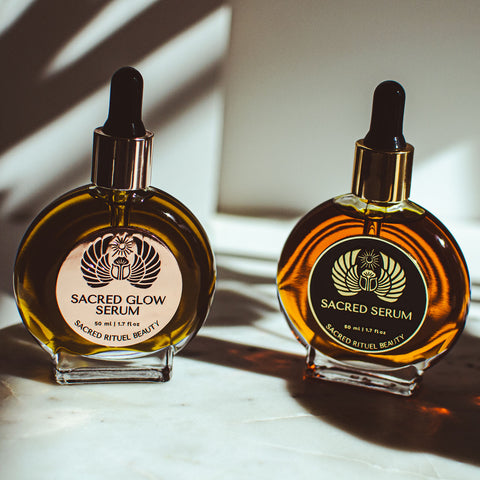
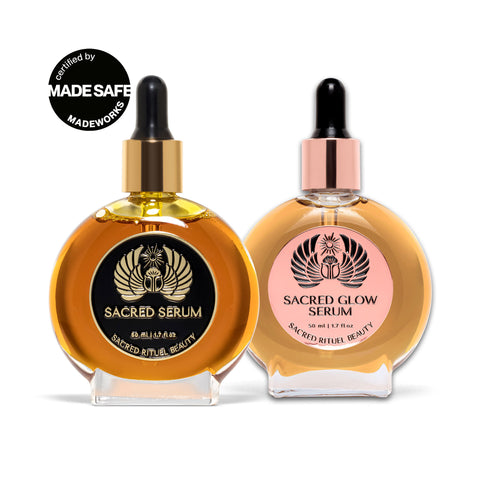
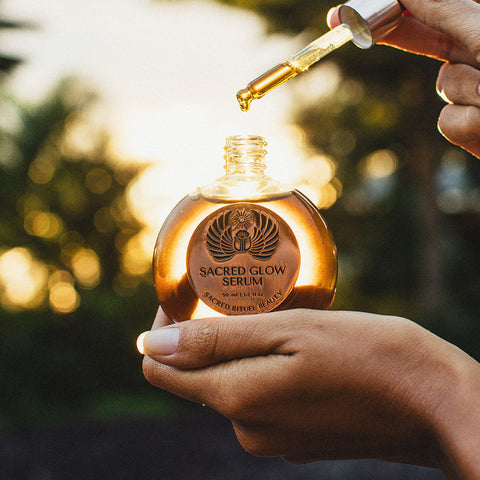
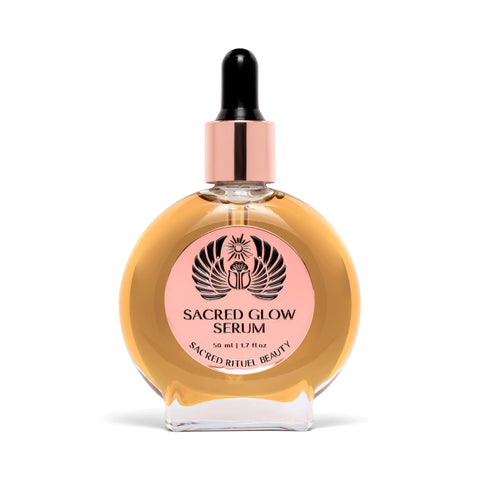
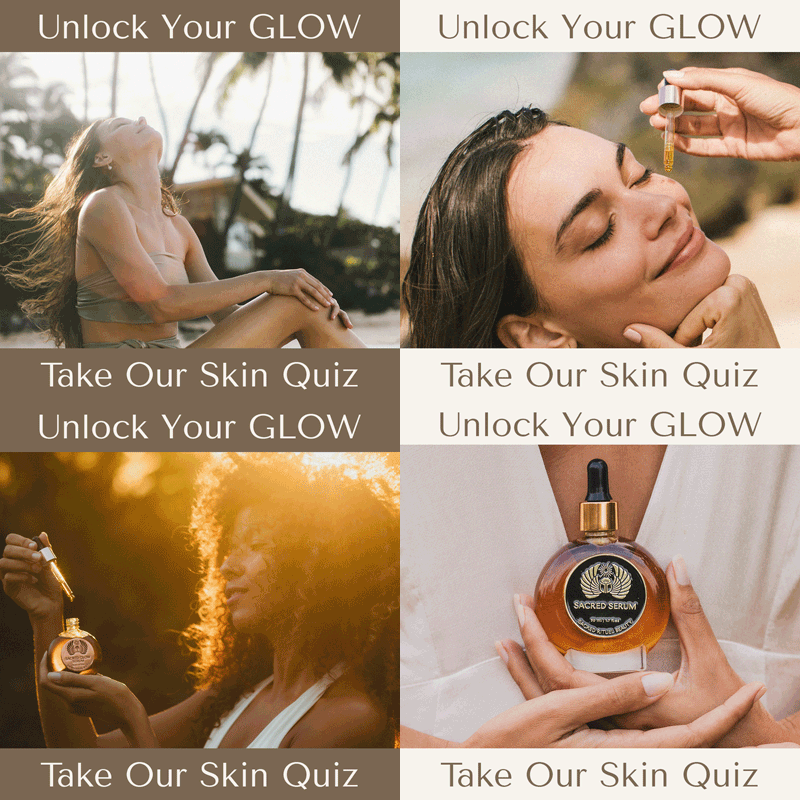
One gentle step many people reach for is our Sacred Serum face oil, a cold-pressed blend of 14 whole-plant botanical oils that supports the skin's moisture barrier with fatty acids, antioxidants, and polyphenols. Its Rosehip Oil and Sea Buckthorn Oil carotenoids are ingredients customers associate with brighter, more even-looking skin. In our reviews, many people focused on dark marks describe that their dark spots have diminished in appearance, and many note their skin tone starting to even out.
How can I care for hyperpigmentation on deeper skin tones?
Caring for hyperpigmentation on richer skin tones comes with its own considerations, and a gentle approach matters more here than almost anywhere else. Here is why:
Higher Melanin Levels
Deeper skin tones naturally carry more melanin, which can make hyperpigmentation look more pronounced and slower to settle. The extra melanin means that even minor triggers, like a breakout or a small scratch, can leave longer-lasting darker marks. This is exactly why a gentle, non-irritating routine matters, since anything that overstimulates the skin can make marks more noticeable rather than less.

Sensitivity To Harsh Or Strong Products
Strong, clinical, or aggressive products can carry more risk on richer skin tones. If used incorrectly, they can cause irritation, and on deeper skin tones irritation itself is a common lead-in to more darker-looking marks or uneven-looking tone. This is why a gentle, whole-plant approach is often the kinder starting point, and why anything stronger is best discussed with a dermatologist who can talk you through prescription or clinical options suited to your skin tone.
Post-Inflammatory Hyperpigmentation (PIH)
PIH happens when the skin responds to inflammation, like a breakout, eczema, or an injury, by producing extra melanin. On deeper skin tones this response is often stronger, which is why even mild inflammation can leave darker-looking marks that take months to settle. The gentlest path is to calm the source of irritation while supporting the skin barrier with soothing, non-irritating care.
Patchy-Looking Tone From Aggressive Care
Overly aggressive approaches can leave the skin looking patchy or paler than its natural tone in spots, which can read as uneven on richer skin tones and is difficult to undo. Finding a balanced, gentle routine, and leaning on a dermatologist for anything stronger, is the safest way to support an even-looking tone without that risk. If you want to understand how sun-related marks differ, see Sun Damage: How To Tell If It's Freckles Or Age Spots A.
What gentle ingredients support even-looking tone on dark skin?
If you lean toward a natural routine, there are gentle, plant-based oils and extracts that nourish the skin and support the look of a more even tone, especially when paired with a consistent routine and daily sun protection. A few whole-plant favorites:
Rosehip Seed Oil + Frankincense
Rosehip seed oil is a natural source of Vitamin C Oil For Face and carotenoids, constituents many people associate with the look of brighter, more even skin. Paired with calming frankincense, this whole-plant duo is gentle on richer skin tones. Apply to clean skin as part of a steady routine.
Sea Buckthorn Oil + Chamomile
Sea Buckthorn Oil is rich in antioxidants and essential fatty acids that nourish the skin and support the look of an even complexion. Combined with soothing chamomile, it helps comfort the skin while supporting a more even-looking tone over time. A gentle choice for an evening routine.
Pomegranate Seed Oil + Geranium
Pomegranate seed oil carries antioxidants that support skin's natural renewal and the look of a brighter complexion. Paired with balancing geranium, this gentle blend supports a more even-looking tone. Massage a small amount into clean skin daily.
Tocotrienol Vitamin E
Tocotrienols Vitamin E, a whole-plant form of vitamin E, nourishes the skin and supports the barrier against oxidative stress. This makes it a comforting addition for skin working toward a more even-looking tone. Apply a thin layer to lock in moisture.
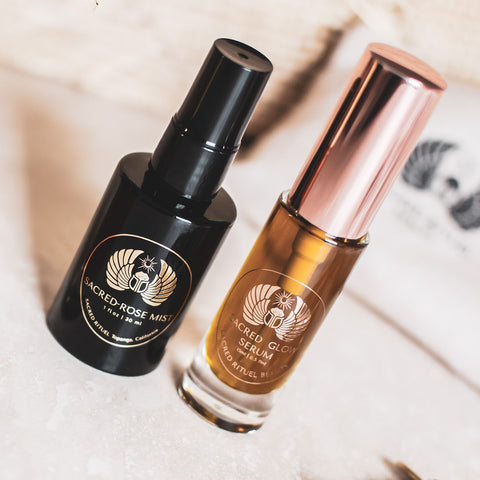
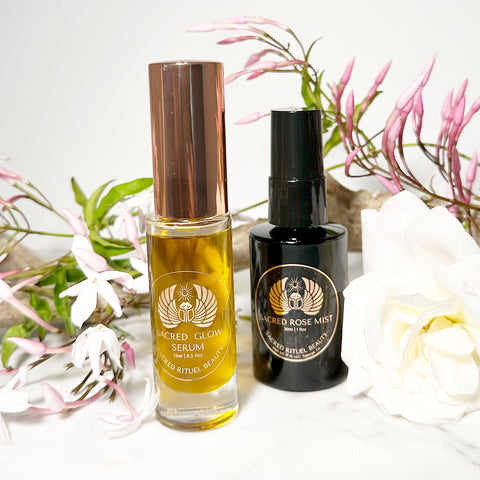
Many of these whole-plant oils come together in Sacred Serum, a cold-pressed blend of 14 botanical oils that supports the look of the moisture barrier. A simple daily ritual makes it easy to keep up: cleanse, mist with Sacred Rose Mist, then press the oil into slightly damp skin. The Sacred routine set pairs the two so the steps flow together.
A Note On Common Brightening Ingredients
Vitamin C is one ingredient many people associate with the look of a brighter, more even tone, and it occurs naturally in the rosehip and sea buckthorn that go into the Sacred Serum blend. Beyond what a whole-plant oil offers, a dermatologist can talk you through prescription or clinical options if you want them, which is especially worth doing on richer skin tones, where some stronger options carry a higher risk of irritation and darker-looking marks. Sacred Serum is not a substitute for any of those options; it is a gentle, whole-plant oil that supports the barrier and the look of a more even tone as part of a calm routine, and it is a good idea to talk to a dermatologist before layering it with other treatments.
Preventing Hyperpigmentation: Tips For Everyday Care
Prevention is always gentler than chasing marks after the fact. Here is how to help keep darker-looking spots from forming in the first place:
Sun Protection Every Day
The sun is one of the biggest triggers, because UV rays prompt extra melanin. Even indoors, UVA rays reach through windows. Use a broad-spectrum sunscreen of at least SPF 30 every day, and reapply every two hours outdoors. On richer skin tones this everyday habit is one of the most helpful things you can do.
Avoid Picking At Your Skin
Picking or scratching a breakout, scab, or bump can lead to post-inflammatory hyperpigmentation, which often lingers longer on deeper skin tones. Instead, calm the area with gentle, soothing products and let it settle. If you tend to pick, keeping your hands busy or covering the spot can help.
Use Gentle Skincare Products
Harsh scrubs, strong actives, or products with drying alcohol can irritate the skin, and on richer skin tones that irritation can trigger darker-looking marks. Choose products made for sensitive or richer skin tones, and remember that consistency with gentle care does more than quick fixes that can stress the barrier. Look for fragrance-free formulas, since added fragrance is a common irritant.
Hydration Is Key
Comfortable, hydrated skin is more resilient and less prone to the irritation that can lead to darker marks. A whole-plant oil like Sacred Serum delivers nourishing moisture and supports the look and feel of plump, comfortable skin, layering easily into a simple routine.
Incorporate Antioxidants
Antioxidants help defend the skin against free radicals from pollution, UV, and stress, which can make hyperpigmentation look worse over time. Whole-plant oils rich in vitamin C, carotenoids, and polyphenols, worn under daily sun protection, are a gentle way to support the skin.
Treat Breakouts Gently And Early
Breakouts are a common source of darker-looking marks, especially on richer skin tones. Calm them gently and early rather than letting them become inflamed, and resist picking, which makes a lasting mark more likely.
Be Mindful Of Hair Removal
Waxing, threading, or shaving can irritate the skin, leading to redness and darker-looking spots. Prep the skin with a soothing gel or oil to reduce friction, and afterward calm the area with a gentle, soothing product to lower the risk of a mark.

Patch-Testing A New Oil
Before adding any new oil to your routine, patch test it first. Apply a small amount of the Sacred Serum oil on your inner arm and leave it for 24 hours before using it on your face. Richer skin tones can be reactive, and a reaction can itself leave a darker-looking, post-inflammatory mark, so this simple step is well worth the wait. For context on telling sun-related marks apart, see How to Tell Melasma from Freckles and Sun Spots.
When To See A Dermatologist
Most everyday hyperpigmentation is a cosmetic concern you can support at home with daily sun protection and a gentle routine. It is worth seeing a board-certified dermatologist if your marks are not improving after a few months of consistent care, if they are spreading, darkening, or flaring with certain products, or if you suspect melasma, which on richer skin tones can be especially persistent and is not something to self-diagnose. True melasma needs professional care. A dermatologist can confirm what is going on, rule out other causes, and discuss the approaches that suit your skin and skin tone, including any prescription or clinical options. Seasonal shifts can change the picture too, as in Why Winter Weather Might Change Your Treatment Approach For .
Final Thoughts
Hyperpigmentation can feel like a long, frustrating journey, and your skin, in every tone, is worthy of patience and care. With a gentle, consistent approach, those darker-looking marks tend to become less noticeable over time, leaving the look of a more even, glowing complexion.
The key is consistency: keep to your routine, protect your skin from the sun, and treat it with care. Try gentle products patiently to find what suits you, and reach out to a dermatologist whenever you want extra guidance, especially if you suspect melasma. Most of all, honor your skin at every stage. The marks do not define you, and caring for them is simply part of your own self-care.
Sources:
- Baker, S. J., Ignatius, M., Johnson, S., & Vaish, S. K. (1963). Hyperpigmentation of skin. British Medical Journal, 1(5347), 1713.
- Markiewicz, E., Karaman-Jurukovska, N., Mammone, T., & Idowu, O. C. (2022). Post-inflammatory hyperpigmentation in dark skin: molecular mechanism and skincare implications. Clinical, Cosmetic and Investigational Dermatology, 2555-2565.
- Stratigos, A. J., & Katsambas, A. D. (2004). Optimal management of recalcitrant disorders of hyperpigmentation in dark-skinned patients. American journal of clinical dermatology, 5, 161-168.
Frequently Asked Questions
Why is my face darker than my body?
The face is more exposed to sun and the elements than the rest of the body, so over time UV light can prompt extra melanin and leave the skin looking darker or more uneven in places. Daily broad-spectrum sun protection is the most helpful everyday habit. If the darkening is patchy, spreading, or you suspect melasma, a board-certified dermatologist can help you understand what you are seeing.
What not to use on black skin?
On deeper, richer skin tones the kindest approach is to avoid anything harsh or abrasive, like strong physical scrubs and overly aggressive treatments, since irritation itself can leave darker-looking marks. Stronger clinical options are best chosen with a dermatologist who can tailor them to your skin tone. A gentle, fragrance-free, whole-plant routine with daily sun protection is a safe place to start.
How can I care for hyperpigmentation on deeper skin tones?
Lead with gentleness: daily broad-spectrum sun protection, a calm and consistent routine, not picking at breakouts or bumps, and a 24-hour patch test before trying anything new. A nourishing whole-plant oil such as Sacred Serum supports the look of the moisture barrier and a more even tone over time. Because PIH and melasma can be especially persistent on richer skin tones, see a board-certified dermatologist if marks are persistent or spreading.
What gentle ingredients support even-looking tone on dark skin?
Gentle, whole-plant oils are a kind starting point. Rosehip is a natural source of vitamin C and carotenoids, with sea buckthorn adding more antioxidants and fatty acids, ingredients many customers associate with the look of brighter, more even skin. These come together in Sacred Serum. In our reviews, many people focused on dark marks describe that their dark spots have diminished in appearance. Give it weeks to months, pair it with daily sun protection, and see a dermatologist for anything persistent.
Radiance Is Personal. Let’s Reveal Yours...
All Day Glow Essentials