Addressing Unexplained Skin Darkening With Facial Serums
If your skin looks darker for no obvious reason, it is usually down to a few quiet contributors rather than one cause: accumulated sun exposure, hormonal shifts like melasma, post-inflammatory marks after irritation or breakouts, certain medications, or environmental stress, each linked to the skin making extra melanin, the pigment that gives skin its color. Most darkening is a cosmetic concern, and the gentlest place to start is daily sun protection, a calm and consistent routine, and a visit to a board-certified dermatologist if the darkening is spreading, persistent, or you suspect melasma, since true melasma needs professional guidance. Many people also support the look of a more even tone with a nourishing whole-plant oil such as the Sacred Serum face oil, whose rosehip and sea buckthorn carotenoids customers associate with brighter, more even-looking skin.
Key Takeaways:
- Common causes: Unexplained skin darkening is usually linked to accumulated sun exposure, hormonal shifts (including melasma), post-inflammatory marks, certain medications, or environmental stress, all connected to the skin producing extra melanin.
- Appearance-side support: Daily sun protection, a gentle and consistent routine, and a nourishing whole-plant oil such as Sacred Serum face oil can support a brighter, more even-looking tone over time.
- When to get guidance: If the darkening is spreading, persistent, sudden, or you suspect melasma, a board-certified dermatologist can assess your skin and guide care.
Have you ever looked in the mirror and noticed your skin seems darker than it used to be, with no clear reason why? It is a common and understandable worry, and while unexplained darkening is usually a cosmetic concern, it is worth knowing what tends to cause it and when to check in with a professional. At Sacred Rituel, we work with cold-pressed, whole-plant botanicals to nourish skin and support its moisture barrier, and this article walks through the likely contributors, how to support a more even-looking complexion with a calm routine, and when it is wise to see a dermatologist.
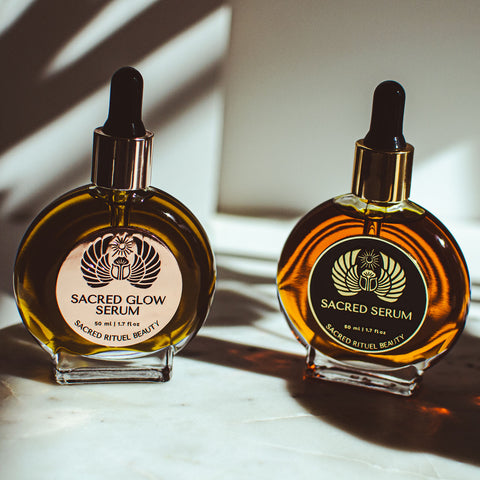
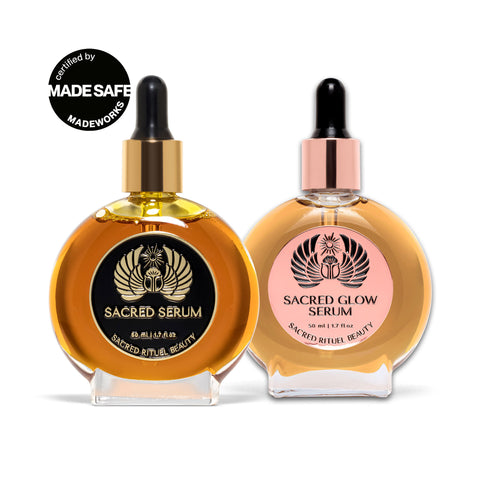
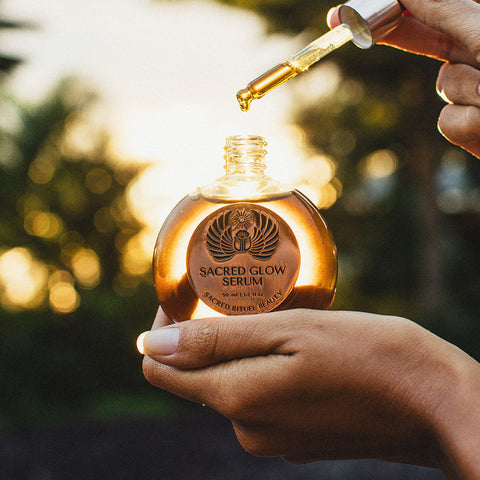
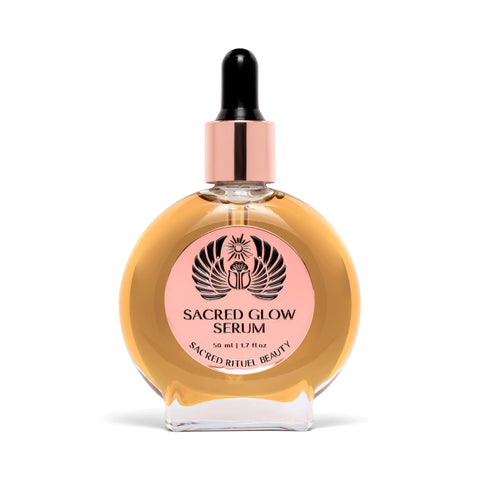
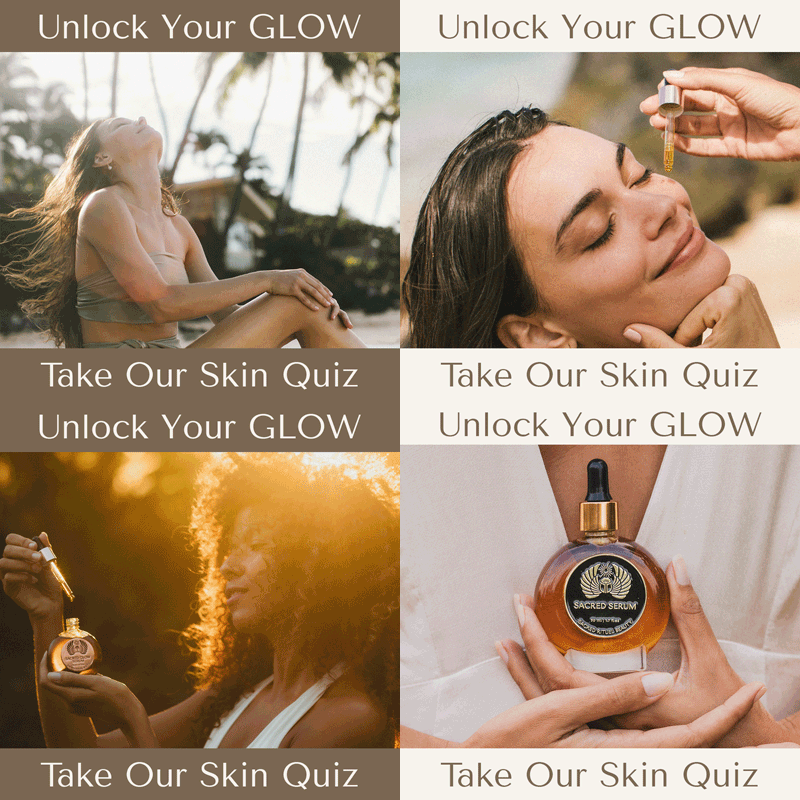
If you want one gentle step that supports your skin's barrier and a more even-looking glow, many people reach for the Sacred Serum face oil, a cold-pressed blend of 14 whole-plant botanical oils whose Rosehip Oil and sea buckthorn carotenoids customers associate with brighter, more even-looking skin.
Why Is My Skin Getting Darker For No Reason?
It can be unsettling to notice your skin looking darker when you cannot pinpoint an obvious cause. There is rarely a single reason. Unexplained darkening usually traces back to subtle factors that add up over time, each linked to the skin producing more melanin in an area. Here are the most common contributors:
- Sun exposure: Even if you are diligent with sunscreen, occasional exposure accumulates. UV light prompts the skin to make more melanin, which can leave darker-looking patches or an overall deeper tone that develops gradually rather than overnight. It helps to understand how sun-related freckles and age spots show up on the skin.
- Hormonal changes: Hormonal shifts, often during pregnancy, with birth control, or other treatments, can be associated with darkening. Melasma, for instance, is linked to hormonal fluctuations and shows up as darker-looking patches, often on the face. If you are unsure what you are seeing, here is how to tell melasma from freckles and sun spots.
- Post-inflammatory marks (hyperpigmentation): When skin is inflamed by a breakout, irritation, or a healed injury, the area can produce extra melanin as it settles, leaving a darker-looking mark behind. This is the same way post-breakout darkening tends to linger until the skin is protected and supported.
- Medications: Some medications, such as certain chemotherapy drugs, antibiotics, or topical treatments, can be associated with darker-looking skin as a side effect. A doctor or dermatologist can tell you whether this applies to you.
- Pollution and environmental stress: Pollutants and toxins in the air can stress the skin barrier and contribute to a dull or darker look. They also drive oxidative stress, which is associated with the appearance of pigmentation over time.
For people noticing darkening, many reach for a gentle, nourishing step like our Sacred Serum, a cold-pressed blend of whole-plant oils that supports the skin's moisture barrier with fatty acids and antioxidants. It is a nourishing oil, not a single oil and not a sunscreen, designed to support comfortable, calm-looking skin as part of a consistent routine.
How Whole-Plant Facial Oils Can Support A More Even-Looking Tone
Supporting The Look Of Pigmentation And Even Tone
A nourishing facial oil does not bleach or erase pigment, and Sacred Serum is not a treatment for melasma or sun damage. What a gentle, whole-plant oil can do is support the skin barrier and a brighter, more even-looking surface as part of a calm routine. In our reviews, many people focused on dark marks describe that their dark spots have diminished in appearance, and many note their skin tone starting to even out. As one customer put it, "my sun spots are now practically gone." Those are customer experiences, not a promise of results.

Lightweight And Easily Absorbed
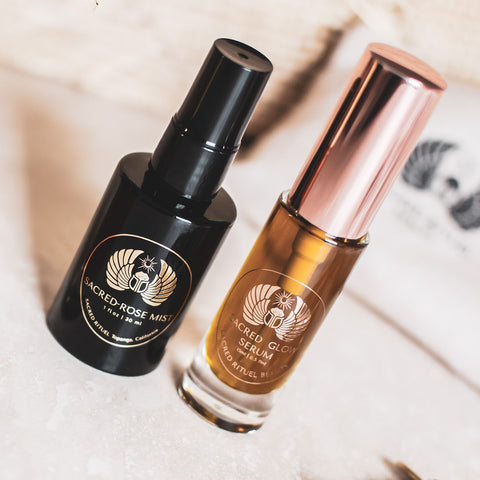
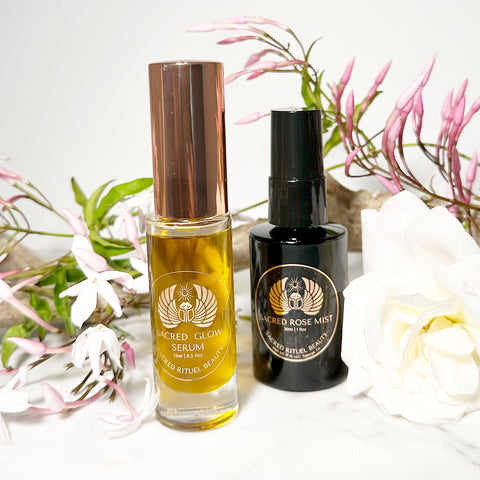
Unlike heavy creams, a well-made facial oil feels lightweight and sinks in without a greasy residue. That makes it easy to layer into a daily ritual: mist with Sacred Rose Mist, then press a whole-plant oil such as Sacred Serum into slightly damp skin so it absorbs comfortably.
Supporting Skin Against Environmental Stressors
Whole-plant oils carry antioxidants that help skin stand up to everyday environmental stress like UV and pollution, both of which are associated with the look of darkening over time. A cold-pressed oil like Sacred Serum delivers these the whole-plant way, with rosehip vitamin C and carotenoids, sea buckthorn, and pomegranate polyphenols. A nourishing oil is not a sunscreen, so always pair it with dedicated daily sun protection.
Supporting The Barrier And Hydration
A well-supported moisture barrier looks calmer and more even, and dryness can make pigment look more noticeable. Whole-plant oils provide lasting moisture that keeps skin comfortable, which many customers describe as one of the things they notice most. Jojoba Oil closely mimics the skin's own oils, so it supports hydration without a heavy feel.
Benefits Of Cold-Pressed Oils In Whole-Plant Facial Oils
Cold-pressed oils are pressed without heat, which helps them retain more of their plant nutrients than heat-extracted oils. They are rich in vitamins, antioxidants, and fatty acids that nourish skin. Here is how they support skin that looks darker than you would like:
Rich In Nutrients
Cold-pressed oils such as Rosehip Oil and jojoba keep their nutrients because they skip the heat, preserving vitamins and antioxidants. Rosehip is a natural source of vitamin C and carotenoids, ingredients many customers associate with a brighter, more even-looking tone over time.
Antioxidant Protection
Cold-pressed oils are rich in antioxidants, which help neutralize the free radicals generated by environmental stress like UV and pollution. Free radicals are associated with the look of darkening and aging skin, so antioxidant-rich oils such as rosehip, sea buckthorn, and pomegranate support a brighter-looking surface as part of a gentle routine. Tocotrienols Vitamin E is one of the antioxidants whole-plant oils carry.
Natural Hydration
Cold-pressed oils hydrate without clogging pores. Oils like jojoba and the botanicals in Sacred Serum closely echo the skin's own oils, providing moisture that keeps the barrier comfortable. Well-hydrated skin looks plumper and more even, and dryness can make pigment look more pronounced, so steady hydration is a quietly helpful habit.
Soothing Properties
Many cold-pressed and infused botanicals, such as calendula and chamomile, are naturally calming for skin that feels irritated or looks inflamed. Because irritation is a common lead-in to darker-looking, post-inflammatory marks, keeping skin calm supports a more even-looking tone and lowers the chance of new marks forming.
Can stress cause skin darkening?
Once you have started supporting your skin, a few steady habits help keep new darkening from creeping in. Stress is part of the picture too: it does not directly create pigment, but it is linked to hormonal shifts and inflammation, both of which can be associated with skin looking darker. Managing stress, alongside the habits below, supports a brighter, more even-looking complexion.
Wear Sunscreen Daily
Sunscreen is your first line of defense against UV-related darkening. Even brief exposure prompts the skin to make more melanin, so a broad-spectrum sunscreen of at least SPF 30, applied every morning and reapplied every couple of hours outdoors, is the single most helpful habit.
Avoid Peak Sun Hours
UV is strongest between 10 AM and 4 PM. Limiting outdoor time during those hours, or wearing a wide-brimmed hat, sunglasses, and long sleeves, lowers how much UV reaches your skin, especially the face. Even brief midday exposure adds up.

Incorporate Antioxidants Into Your Routine
Antioxidants such as vitamin C and vitamin E help skin stand up to environmental stress like pollution and UV. A whole-plant oil like the Sacred Serum blend carries these naturally through rosehip, sea buckthorn, and pomegranate, supporting a brighter, more even-looking tone alongside, never instead of, your daily sunscreen.
Be Gentle With Your Skin
Over-exfoliating or using harsh, strongly fragranced products can irritate skin and lead to the inflammation behind post-inflammatory marks. Choose a gentle cleanser and avoid scrubbing. A soothing step like Sacred Rose Mist can help calm and hydrate the skin, and patting rather than rubbing your skin dry keeps this gentle.
Patch-Test Anything New
Before adding any new oil to your routine, patch-test it first. Apply a small amount of Sacred Serum on your inner arm and leave it for 24 hours before using it on your face. Skin that is already prone to darkening can be sensitive, and a reaction can itself leave a darker-looking, post-inflammatory mark, so this simple step is worth the wait.
Build A Simple, Consistent Ritual
Consistency matters more than any single product. A calm routine of cleansing, misting, nourishing with a whole-plant oil, and daily sun protection supports the skin over time. The Sacred routine set pairs the serum with rose mist to make this easy to keep up. Many people on a stripping routine reach for a gentle whole-plant oil like this to support the look and feel of comfortable, even-looking skin.
When To See A Dermatologist
Most unexplained darkening is a cosmetic concern you can support at home with daily sun protection and a gentle routine. It is worth seeing a board-certified dermatologist if the darkening is sudden, spreading, persistent, or changing, or if you suspect melasma, since true melasma needs professional guidance and is not something to self-diagnose. Sudden or widespread darkening can occasionally signal an underlying health matter, so a professional check is wise when it appears quickly or alongside other symptoms. People with deeper skin tones in particular may find that post-inflammatory marks and melasma are more persistent, which makes professional guidance especially worthwhile. A dermatologist can confirm what is going on and discuss the prescription or clinical options that suit your skin and skin tone, which are decisions to make with a professional rather than on your own. If you want to learn more about pigment on richer skin tones, here is a guide to supporting an even-looking tone on deeper skin tones.
Final Thoughts
Sudden or unexplained skin darkening can feel frustrating, but a calm, consistent approach helps you support your skin over time. Understanding the likely contributors, from sun exposure and hormones to environmental stress, is the first step. Daily sun protection, a gentle routine, and a nourishing whole-plant oil such as the Sacred Serum oil all support a brighter, more even-looking complexion.
The key is patience. The look of darkening changes gradually, so staying consistent with your routine and protective habits is what gets you there. Your skin is unique, and if the darkening is sudden, persistent, or you suspect melasma, a board-certified dermatologist can tailor guidance to your needs.
Sources:
- Thawabteh, A. M., Jibreen, A., Karaman, D., Thawabteh, A., & Karaman, R. (2023). Skin pigmentation types, causes and treatment: a review. Molecules, 28(12), 4839.
- Stallings, A. F., & Lupo, M. P. (2009). Practical uses of botanicals in skin care. The Journal of clinical and aesthetic dermatology, 2(1), 36.
- Vaughn, A. R., Clark, A. K., Sivamani, R. K., & Shi, V. Y. (2018). Natural oils for skin-barrier repair: Ancient compounds now backed by modern science. American journal of clinical dermatology, 19(1), 103-117.
Frequently Asked Questions
Can stress cause skin darkening?
Stress does not directly create pigment, but it can play an indirect role. It is linked to hormonal shifts and to inflammation, and both can be associated with skin looking darker over time. Managing stress, protecting skin from the sun every day, and keeping your routine gentle all support a more even-looking tone.
Why does my skin get darker during the winter?
Winter darkening is often about dryness and environmental stress rather than the sun. Cold air and indoor heating can pull moisture from the skin, and a dry, stressed barrier can make existing pigment look more pronounced. UV still reaches your skin in winter too, so daily sun protection and a nourishing whole-plant oil to support the barrier both help.
Can my skincare products cause skin darkening?
They can, indirectly. Harsh or strongly fragranced products can irritate skin, and irritation is a common lead-in to darker-looking, post-inflammatory marks. A gentle, fragrance-free routine lowers that risk. Patch-test anything new on your inner arm for 24 hours first, and if darkening persists, a dermatologist can help you identify the cause.
Why is my face darker than the rest of my body?
The face gets far more sun exposure than most of the body, often without enough protection, so it tends to show darkening sooner. Hormonal pigment like melasma also favors the face. Daily broad-spectrum sun protection on the face and a gentle routine help, and a dermatologist can advise if the difference is sudden or pronounced.
Why do I have dark patches only on one side of my face?
One-sided darkening is often down to asymmetric sun exposure, such as the window side during driving, or to how you sleep. Hormonal pigment like melasma can also be uneven. If a patch is new, changing, or you are unsure what it is, a board-certified dermatologist can take a look and tell melasma apart from sun-related marks.
Why is my skin getting darker for no reason?
There is rarely one cause. Unexplained darkening usually traces back to accumulated sun exposure, hormonal shifts like melasma, post-inflammatory marks after irritation, certain medications, or environmental stress, each linked to the skin making extra melanin. Most of it is a cosmetic concern, but sudden, spreading, or persistent darkening is worth a dermatologist's review.
Can you support more even-looking skin tone naturally?
A gentle, consistent routine is the natural approach: protect skin from the sun every day, keep products non-irritating, and nourish the barrier with a cold-pressed, whole-plant oil. Sacred Serum's rosehip is a natural source of vitamin C and carotenoids, with sea buckthorn and pomegranate adding more, ingredients many customers associate with a brighter, more even-looking tone. In our reviews, many people focused on dark marks describe that their dark spots have diminished in appearance. Give it weeks to months, and see a dermatologist if darkening is persistent.
Radiance Is Personal. Let’s Reveal Yours...
All Day Glow Essentials