Sun Damage: How To Tell If It's Freckles Or Age Spots And What To Do About It
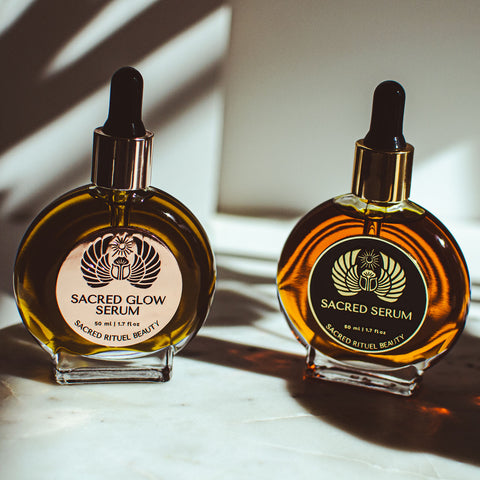
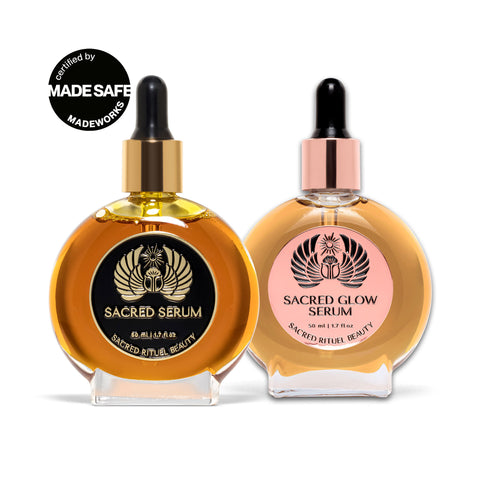
The quickest way to tell freckles from age spots is size and timing: freckles are small, clustered, often appear in childhood, and tend to come and go with the seasons, while age spots are larger, single, more defined patches that build up over years of sun exposure and stay year-round. Both are forms of sun-linked pigmentation and are usually harmless, but a spot that changes quickly in size, shape, or color, or anything you suspect is melasma, should be looked at by a dermatologist. For everyday care, the gentlest place to start is daily sun protection, a calm and consistent routine, and a nourishing whole-plant oil such as Sacred Serum, whose rosehip and sea buckthorn carotenoids customers associate with brighter, more even-looking skin.
Key Takeaways:
- Differentiating spots: Freckles and age spots both come from sun exposure, but they differ in size, color, and how long they last. Freckles are small and seasonal; age spots are larger, defined, and persistent.
- Appearance-side support: Daily sun protection, a gentle and consistent routine, and a nourishing whole-plant oil such as Sacred Serum face oil can support a more even-looking tone over time.
- When to get guidance: A spot that changes rapidly in size, shape, or color, new spots later in life, or anything you suspect may be melasma warrants a visit to a board-certified dermatologist.
At Sacred Rituel, we work with cold-pressed, whole-plant botanicals to nourish skin and support its moisture barrier. Too much sun can leave behind more than a tan, and this article explains how to tell freckles from age spots, how to support a more even-looking complexion with a calm routine, and when it is worth checking in with a dermatologist. A gentle whole-plant oil such as Sacred Serum is one nourishing step many people fold into that routine.
Can freckles turn into age spots?
Freckles do not turn into age spots, but they are related: both are forms of sun-linked pigmentation, they are just not quite the same thing. Freckles, also known as ephelides, are usually small, flat, and tend to appear in clusters. They often show up in childhood and can become less noticeable during the winter months when sun exposure is lower. People with lighter skin tones and red or blonde hair are more prone to developing freckles, although anyone can get them.
Age spots, on the other hand, are larger, more defined areas of pigmentation that develop over time, usually after the age of 40. Also called liver spots or solar lentigines, age spots tend to persist year-round and are often found on areas like the face, hands, shoulders, and arms, places that get a lot of sun exposure over the years.
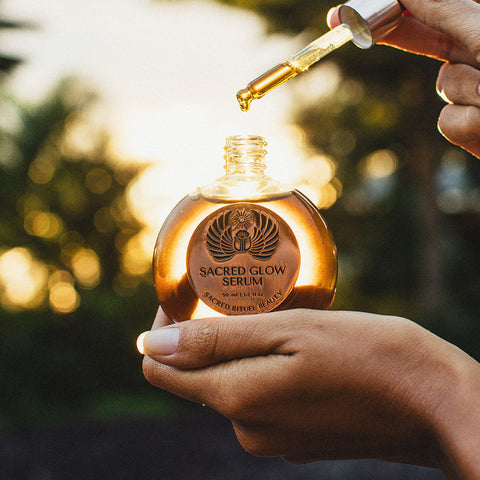
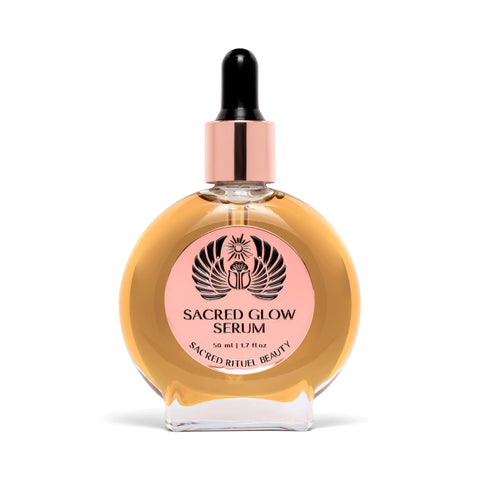
Both freckles and age spots respond well to a gentle, sun-aware routine. Many people reach for a cold-pressed oil such as our Sacred Serum face oil, a blend of 14 whole-plant botanical oils that supports the skin's moisture barrier with fatty acids and antioxidants. Its Rosehip Oil and Sea Buckthorn Oil carotenoids are ingredients customers associate with brighter, more even-looking skin. In our reviews, many people focused on dark spots describe that, in their words, their dark spots have diminished in appearance, with one noting their "sun spots... now practically gone." If darkening is unexplained, here is more on Addressing Unexplained Skin Darkening With Facial Serums.
Why Do Freckles And Age Spots Form?
Freckles and age spots are both caused by the skin's response to ultraviolet (UV) radiation from the sun. When your skin is exposed to sunlight, it produces more melanin, the pigment that gives your skin its color, as a way to protect itself. This increase in melanin can result in various forms of pigmentation, like freckles and age spots.
Freckles tend to form in response to short bursts of sun exposure, especially in people with a genetic predisposition to them. They are essentially clusters of melanin that appear on the skin's surface. The formation of freckles is often a genetic trait and tends to be more common in individuals with fair skin.
Age spots, however, are more closely linked to cumulative sun exposure over time. As skin ages, it renews itself more slowly, and the look of larger, more persistent patches of pigmentation, commonly known as age spots, can develop. Essentially, these spots reflect your skin's history of sun exposure and how its appearance has changed over the years.
In both cases, UV exposure is the primary culprit, which is why wearing sunscreen and taking other protective measures is key to preventing these spots from forming. If you are trying to sort one kind of mark from another, here is a guide on How to Tell Melasma from Freckles and Sun Spots.
Do freckles go away with age?
At first glance, freckles and age spots might look similar, but there are a few key differences that can help you tell them apart. Freckles often become less noticeable with age and reduced sun exposure, though they tend to persist throughout life, while age spots usually appear later and stay year-round. Here is what to look for:
Size And Shape
Freckles are typically small and tend to cluster together, creating a speckled appearance on the skin. These spots are often no bigger than the head of a pin, giving them a delicate and scattered look. In contrast, age spots are larger and more defined, appearing as single, standalone spots that are more spread out on the skin.

Color
Freckles can range in color from light tan to dark brown and sometimes even have a reddish tint, depending on your skin tone and the amount of sun exposure. They often vary in color across the face, contributing to a less uniform appearance. Age spots, on the other hand, are generally a consistent shade of brown or black and tend to be more uniform in color, making them easier to identify as individual spots.
Location On The Body
Freckles most commonly show up on areas frequently exposed to the sun, such as the face, shoulders, and upper arms. They are more likely to appear in these areas due to even brief periods of sun exposure, particularly in fair-skinned individuals. Age spots are more commonly found on areas with accumulated sun exposure over the years, such as the face, hands, forearms, and shoulders, where they can develop due to prolonged sun exposure.
Persistence
Freckles are often seasonal, becoming more pronounced during the summer months and less noticeable in the winter when sun exposure decreases. They are influenced by UV exposure, which can darken them temporarily before they ease off when exposure is reduced. Age spots are generally more persistent; once they form, they do not fluctuate with the seasons and stay visible year-round.
Supporting The Look Of Even Skin: Whole-Plant Botanicals
There is no overnight fix for sun-linked spots, and the most honest goal is a more even-looking tone over time rather than an instant change. A gentle, consistent routine built around whole-plant oils supports the skin barrier while you protect against further darkening. Here is a look at the botanicals in the Sacred Serum blend and what they bring to the skin:
Rose Hip Seed Oil
Rosehip Oil is a natural source of vitamins A and C and is rich in fatty acids and antioxidants that support the look and feel of nourished skin. Its naturally occurring vitamin C is one reason many people associate it with the look of a brighter, more even tone, and its moisturizing properties leave skin feeling smooth and supple.
Sea Buckthorn Fruit Oil
Sea Buckthorn Oil is loaded with antioxidants, including naturally occurring vitamins C and E, along with carotenoids that give it its deep orange color. These antioxidants help comfort the look of sun-exposed skin, and the oil's nourishing fatty acids support a soft, hydrated feel, which many people associate with a more even-looking complexion.
Pomegranate Seed Oil
Pomegranate Seed Oil is packed with antioxidants and punicic acid, a fatty acid that supports the look and feel of supple, resilient skin. Its rich composition also helps hydrate and replenish, adding a healthy-looking glow, which makes it a favorite for mature skin.
A Natural Source Of Vitamin C
Vitamin C is one ingredient many people associate with the look of a brighter, more even tone, and it occurs naturally in the rosehip and sea buckthorn that go into Sacred Serum, so you can read more about a Vitamin C Oil For Face in our glossary. Beyond what a whole-plant oil offers, a dermatologist can talk you through prescription or clinical options if you want them, and because some of those can cause side effects they are best used under professional guidance. Sacred Serum is not a substitute for any of those options; it is a gentle, whole-plant oil that supports the barrier and a more even-looking tone as part of a calm routine, and it is a good idea to talk to a dermatologist before layering it with other treatments.
A Simple Daily Ritual
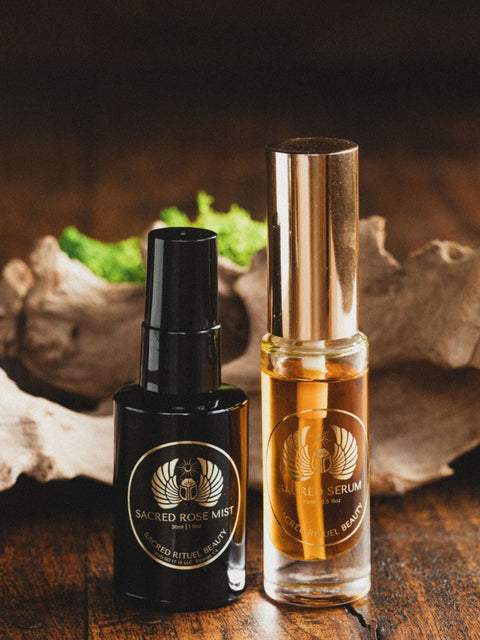
A consistent routine is what makes gentle care easy to keep up. Press the Sacred Serum oil into slightly damp skin morning and night, and follow with a hydrating mist such as Sacred Rose Mist to refresh skin through the day. The Sacred routine set pairs the whole-plant oil with the rose mist so you have both steps on hand. Many people on a sun-aware routine reach for a gentle whole-plant oil like this to support the look and feel of comfortable, even-looking skin.
Before adding any new oil to your routine, patch test it first. Apply a small amount of the Sacred Serum face oil on your inner arm and leave it for 24 hours before using it on your face. Skin that has had a lot of sun can be sensitive, so this simple step is worth the wait.
When To See A Dermatologist For Sun Damage
While freckles and age spots are generally harmless, there are times when it is a good idea to consult with a dermatologist, especially if you are concerned about any changes to your skin. Here is when to consider making an appointment:
- Rapid Changes in Size, Shape, or Color: If you notice any freckle or age spot that suddenly grows, changes shape, or becomes darker, it is worth getting it checked. These changes could indicate something more serious, like skin cancer, so it is important not to ignore them.
- New Spots That Appear Later in Life: While freckles often appear in childhood, age spots usually show up as we get older. If you suddenly develop new spots in areas not previously affected by sun damage, a dermatologist can help determine if they are harmless or require care.
- Itching, Pain, or Bleeding: If any spot on your skin becomes itchy, painful, or starts to bleed, it is wise to have a dermatologist examine it. These symptoms are not typical of regular freckles or age spots and could signal an underlying issue.
- Patches You Suspect May Be Melasma: Melasma is a distinct form of pigmentation, often hormonally linked, that can be more persistent and more noticeable on richer skin tones. True melasma needs professional care and is not something to self-diagnose, so see a dermatologist if you suspect it.
Regular skin check-ups can also be a proactive way to monitor sun exposure and catch any potential issues early. Dermatologists have the tools and expertise to assess your skin thoroughly, helping you maintain skin health and peace of mind. For more on a persistent presentation, here is Why Winter Weather Might Change Your Treatment Approach For Pigmentation, and for deeper skin tones specifically, Addressing Hyperpigmentation For Dark Skin Types.
Prevention Tips: Protecting Your Skin From Sun Damage
Prevention is the gentlest way to keep new freckles and age spots from forming over the long term. Here are some effective ways to protect your skin:
Use Sunscreen Daily
Applying a broad-spectrum sunscreen with at least SPF 30 is one of the best ways to prevent sun damage. Make it a daily habit, even on cloudy days or when you are indoors, as UV rays can penetrate through windows. Reapply every two hours if you are outside for extended periods. Sacred Serum is a nourishing oil, not a sunscreen, so always pair it with dedicated sun protection.
Wear Protective Clothing
Opting for wide-brimmed hats, long-sleeved shirts, and sunglasses with UV protection helps create a physical barrier against the sun's rays. Specialized clothing with built-in UV protection offers additional defense, especially if you are outdoors for long stretches. Covering up reduces direct sun exposure, significantly lowering the risk of sunburn and the development of new freckles and age spots.
Seek Shade During Peak Hours
The sun is at its most intense between 10 a.m. and 4 p.m., which increases the likelihood of sunburn and long-term skin damage. If you need to be outside during these hours, try to find shaded areas, or bring a sun umbrella to create your own shade. Limiting direct sun exposure during peak hours can drastically reduce your overall UV exposure and protect your skin.
Avoid Tanning Beds
Tanning beds emit concentrated UV radiation that penetrates the skin deeply, accelerating the formation of freckles, age spots, and other signs of aging. Instead of using tanning beds, which increase the risk of skin cancer, consider sunless tanning products for a safer alternative. Embracing your natural skin tone can also help prevent unnecessary UV exposure and the associated skin damage.
Incorporate Antioxidants Into Your Routine
Antioxidants play a vital role in neutralizing the free radicals caused by UV exposure. Incorporating antioxidant-rich foods like berries, spinach, and nuts into your diet can support your skin from the inside out. Topical antioxidants, such as a whole-plant oil with naturally occurring sources of vitamin C, can also help support the skin's resilience to everyday UV exposure.

Final Thoughts
Freckles and age spots are common signs of sun exposure, and while they are usually harmless, they can sometimes be a source of concern or curiosity. Understanding the differences between the two, along with knowing how to support and protect your skin, can help you make informed decisions about its care.
With a gentle skincare routine and steady sun protection habits, you can support the look of a more even tone while minimizing further sun damage. A nourishing whole-plant oil like our Sacred Serum fits naturally into that ritual. Remember, if you ever have concerns about a spot on your skin, or you suspect melasma, it is always wise to consult a dermatologist for a professional opinion.
Taking care of your skin is a lifelong journey, and a few mindful steps each day can make all the difference. Here is to keeping your skin healthy, protected, and glowing.
Sources:
- Kiralan, M., & Yildirim, G. (2019). Rosehip (Rosa canina L.) oil. Fruit Oils: Chemistry and Functionality, 803-814.
- Gęgotek, A., Jastrząb, A., Jarocka-Karpowicz, I., Muszyńska, M., & Skrzydlewska, E. (2018). The effect of sea buckthorn (Hippophae rhamnoides L.) seed oil on UV-induced changes in lipid metabolism of human skin cells. Antioxidants, 7(9), 110.
- Afaq, F., Zaid, M. A., Khan, N., Dreher, M., & Mukhtar, H. (2009). Protective effect of pomegranate-derived products on UVB-mediated damage in human reconstituted skin. Experimental dermatology, 18(6), 553-561.
Frequently Asked Questions
Can freckles turn into age spots?
Freckles do not turn into age spots, but prolonged sun exposure can lead to age spots forming in addition to freckles. They are both forms of sun-linked pigmentation, just with different patterns: freckles are small and seasonal, while age spots are larger and persist year-round.
Do freckles go away with age?
Freckles often become less noticeable with age and reduced sun exposure, but they frequently persist throughout life, especially with continued time in the sun. A gentle, sun-aware routine supports the look of a more even tone over time.
Do freckles and age spots affect only certain skin types?
Anyone can develop freckles or age spots. People with fair skin are more prone to freckles, and age spots commonly affect anyone with years of accumulated sun exposure. Pigmentation can also be more persistent on richer skin tones, which is one reason a dermatologist visit matters if you are unsure what you are seeing.
Do men get freckles and age spots too?
Yes. Freckles and age spots can affect anyone, regardless of gender, though they are often more visible on fairer skin tones. The same gentle, sun-aware care applies to everyone.
Can freckles darken or multiply?
Freckles can look darker and appear in greater numbers with more sun exposure, especially during the summer months, and often ease off again as exposure decreases. Daily sun protection is the most helpful habit for keeping them from becoming more pronounced.
What's the difference between freckles, age spots, and sun damage?
Sun damage is the broad term for the changes UV exposure leaves on skin over time. Freckles and age spots are two of those changes: freckles are small, clustered, and often seasonal, while age spots are larger, defined, and persistent, usually appearing after years of sun exposure. If a spot changes quickly or you suspect melasma, see a dermatologist.
How can I support more even-looking skin after sun exposure?
A gentle, consistent routine is the natural approach: protect skin from the sun every day, keep products non-irritating, and nourish the barrier with a cold-pressed, whole-plant oil. Sacred Serum's rosehip and sea buckthorn are natural sources of vitamin C and carotenoids, ingredients many customers associate with a brighter, more even-looking tone. In our reviews, many people focused on dark spots describe that their dark spots have diminished in appearance. Give it weeks to months, and see a dermatologist if a spot is changing or you suspect melasma.
Radiance Is Personal. Let’s Reveal Yours...
All Day Glow Essentials