
Hyperpigmentation And Winter Weather: Adjusting Your Approach For An Even-Looking Tone
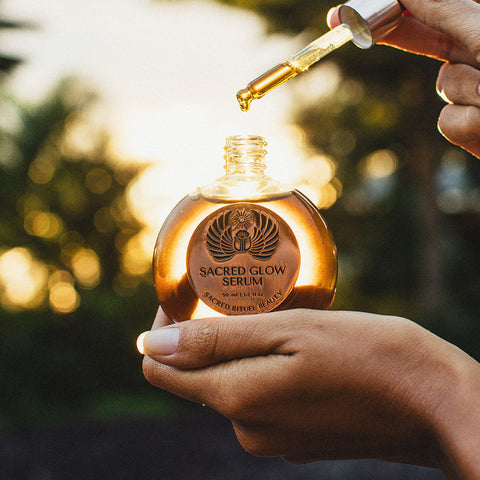
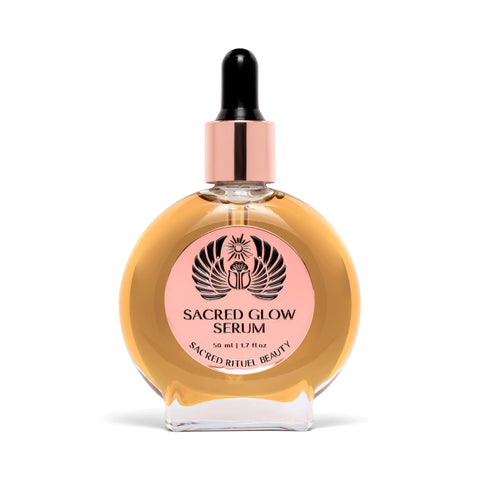
Winter shifts how you care for hyperpigmentation because the cold, dry air makes skin more sensitive while weaker UV gives you a calmer season to focus on a gentle, protective routine. Hyperpigmentation is simply areas where the skin has made extra melanin, the pigment that gives skin its color, leaving darker-looking spots or patches. There is no overnight fix, and the gentlest place to start is daily sun protection, plenty of hydration, a calm and consistent routine, and a visit to a dermatologist if darkening is persistent, spreading, or you suspect melasma. Many people also support the look of a more even tone with a nourishing whole-plant oil like Sacred Serum, whose Rosehip Oil and Sea Buckthorn Oil carotenoids customers associate with brighter, more even-looking skin.
Key Takeaways:
- Hyperpigmentation has many causes: Sun exposure, hormonal shifts, and inflammation after a breakout are common reasons the skin makes extra melanin, leaving darker-looking spots or patches.
- Winter changes your approach: Cold, dry air makes skin more sensitive, but weaker UV makes the colder months a calm time to focus on a gentle, hydrating, protective routine.
- Gentle habits matter year-round: Daily sun protection, steady hydration, a consistent routine, and a nourishing whole-plant oil such as Sacred Serum face oil all support a more even-looking tone over time.
Hyperpigmentation can feel like a stubborn skin concern, and those darker-looking spots or uneven patches seem to stick around no matter the season. Winter, though, can be a helpful time to focus on it, because the colder months often call for changes in how you care for your skin, and those changes can work in your favor.
At Sacred Rituel, we work with cold-pressed, whole-plant botanicals to nourish skin and support its moisture barrier. In this article we look at what hyperpigmentation is, what tends to cause it, why winter weather might shift how you approach it, and how to adjust your routine, plus when it is worth checking in with a dermatologist.
What Is Hyperpigmentation And Why Does It Happen?
Hyperpigmentation is a common, often frustrating skin concern. It is simply when certain areas of your skin produce more melanin, the pigment that gives skin its color, leaving behind darker-looking spots or patches. This can happen for a number of reasons, such as:
- Sun exposure: Time in the sun can prompt the skin to make more melanin as a natural way to protect itself.
- Hormonal shifts: Melasma is a type of hyperpigmentation often associated with pregnancy or hormonal changes, and it is best assessed by a dermatologist.
- Post-inflammatory hyperpigmentation (PIH): The darker-looking marks that linger after a breakout or skin injury settles.
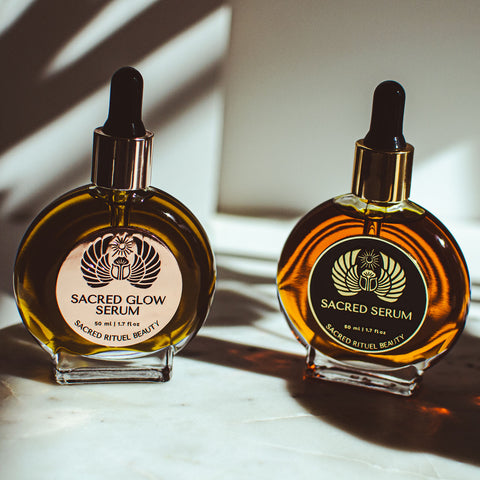
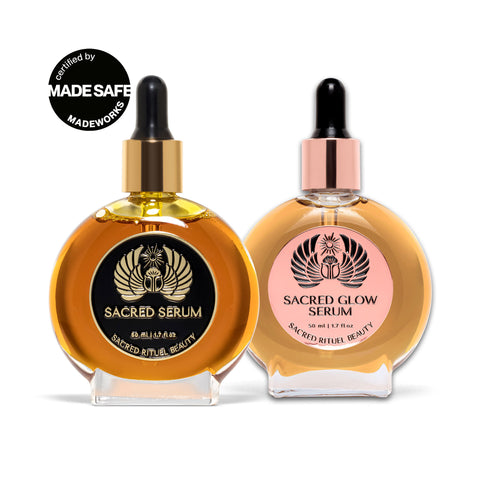
While hyperpigmentation is a cosmetic concern rather than a harmful one, it can still affect how you feel about your skin. A gentle, sun-aware routine is the place to start, and many people reach for a nourishing whole-plant oil such as Sacred Serum to support the look of a more even tone. It is a cold-pressed blend of 14 whole-plant botanical oils that supports the moisture barrier with fatty acids and antioxidants, and its rosehip and sea buckthorn carotenoids are ingredients customers associate with brighter, more even-looking skin. If you are not sure whether what you are seeing is sun-related, it helps to read up on Sun Damage: How To Tell If It's Freckles Or Age Spots A.
How Winter Weather Affects Your Approach To Hyperpigmentation
Winter might feel like a break for your skin, but it brings its own challenges, especially when you are focused on hyperpigmentation. Here is why the season can change your approach:
Dry Skin Can Become A Barrier
Cold, harsh winter air can leave skin drier and more prone to flakiness or irritation. When the barrier is compromised, skin becomes more sensitive, and irritation is a common lead-in to darker-looking marks, so keeping skin calm and hydrated matters more in winter.

Reduced UV Exposure Is A Bonus
Fewer daylight hours and weaker UV rays mean your skin sees less of one of the biggest contributors to hyperpigmentation. That makes the colder months a calmer time to focus on a gentle, supportive routine. Even so, do not skip your sun protection, since UV rays still reach your skin in winter, especially on cloudy days or through windows.
Healing Takes Longer In The Cold
Cold weather slows your skin's natural processes, including how it settles after inflammation. This means darker-looking marks from a breakout or other irritation may be slower to become less noticeable, which can feel discouraging. Keeping your skin nourished and protected through winter helps you stay consistent while the look of those marks changes gradually.
Moisture Matters More
Your skin barrier, the protective shield that keeps irritants out and hydration in, becomes more fragile in winter. Without enough hydration, skin is more easily irritated, and that irritation can leave darker-looking marks behind. Adding a hydrating step and a nourishing oil to your routine helps lock in moisture and keeps skin comfortable. A whole-plant oil such as the Sacred Serum face oil supports the look and feel of a calm, hydrated barrier, which many customers describe as lasting hydration through the day.
Leaning Into A Whole-Plant Routine During Winter
Winter can be a perfect time to lean into gentle, whole-plant care. These botanicals tend to be kind to the skin, which is extra important when cold weather is already making it more sensitive and prone to dryness. Here are some of the plant oils and botanicals worth knowing:
Green Tea
Green tea is rich in antioxidants like EGCG (epigallocatechin gallate), which help protect skin from free-radical stress and soothe the look of redness. It is especially welcome in winter, when wind and cold can leave skin looking irritated. You can sip it or use cooled green tea as a gentle toner.
Rosehip Oil
A natural source of vitamins A and C and carotenoids, Rosehip Oil deeply nourishes dry winter skin and supports the look of a brighter, more even tone. Its essential fatty acids help support the moisture barrier, which can take a hit in cold weather. It is one of the 14 cold-pressed oils in Sacred Serum. If you want to go deeper on plant-derived vitamin C, here is more on Vitamin C Oil For Face.
Sea Buckthorn Oil
This vibrant orange oil is rich in vitamins C and E and carotenoids, ingredients many people associate with the look of a brighter, more even tone. Sea Buckthorn Oil also brings fatty acids that support the barrier through winter's drying effects, leaving skin looking more radiant.
Chamomile
Chamomile is as soothing for the skin as it is for the nerves. Its calming properties help ease the look of redness and irritation, which can make uneven tone appear less pronounced. Over time, it leaves the complexion looking refreshed and comfortable.
Pomegranate Seed Oil
This antioxidant-rich oil acts like a protective layer for the skin, helping it stand up to the environmental stressors that can make darker-looking spots more noticeable. It supports the skin's natural renewal, leaving the complexion looking smoother and more even, even in the coldest months.
Geranium Extract
Geranium is a balancing botanical that supports the look of clear, comfortable skin. Its gently astringent, toning quality leaves skin feeling refreshed and looking firmer, which is a welcome counter to winter dullness.
Tocotrienol Oil (Vitamin E)
A potent form of vitamin E, Tocotrienols Vitamin E are antioxidants that help protect skin from oxidative stress and lock in moisture, easing the dryness that often comes with winter. Over time they support the look of healthy, hydrated, more even-toned skin, and they are among the constituents in Sacred Serum.
Adjusting Your Skincare Routine In Winter
Winter weather calls for some smart tweaks so your skin stays calm and your tone keeps looking even. The key is balancing gentle care with protection and hydration. Here is how:
Switch To Gentle Cleansers
Foam and gel cleansers can be too stripping in winter, pulling away the natural oils your skin needs to stay balanced. Opt for a gentle cleanser that cleans without leaving skin tight or dry, such as an oil cleanser like Cosmic Cleansing Oil. This gentle step helps maintain your skin's natural barrier and reduces the irritation that can make uneven tone more noticeable.
Don't Skip Sun Protection
Even though the sun feels weaker in winter, UVA rays are present year-round and can make darker-looking marks more noticeable. A broad-spectrum sunscreen of at least SPF 30, applied daily even indoors (UV rays pass through windows), is a must. Sacred Serum is a nourishing oil, not a sunscreen, so always pair it with dedicated sun protection.
Incorporate A Hydrating Oil
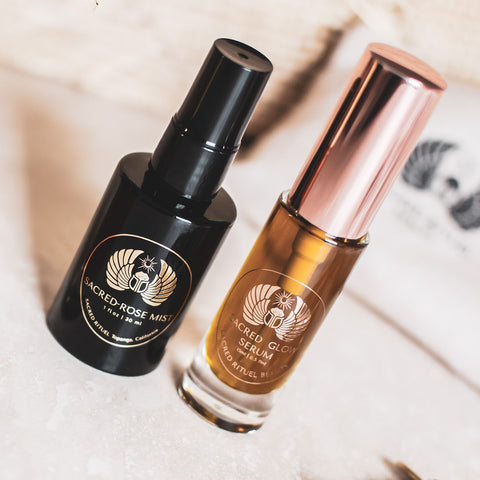
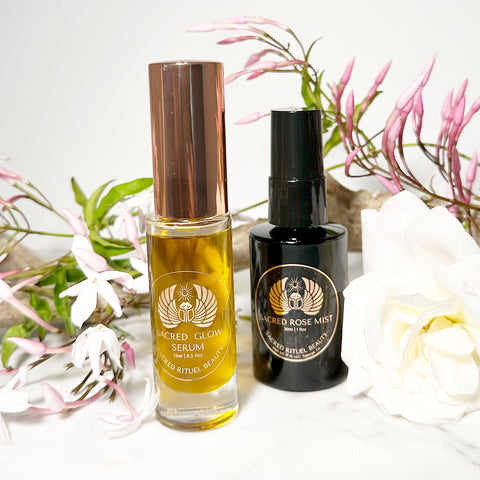
A nourishing facial oil is perfect for countering winter dryness. Press a whole-plant oil such as the Sacred Serum blend into slightly damp skin after cleansing to help it hold onto moisture through the day. A pre-mist with Sacred Rose Mist first gives the oil dewy skin to lock into, which many customers describe as more comfortable, lasting hydration. For an easy daily ritual, the Sacred routine set pairs the serum with the rose mist so the two steps are always on hand.
Exfoliate Gently
Gentle exfoliation helps lift away dead surface cells, but overdoing it in winter can disrupt the barrier. Stick to a mild, gentle approach and limit it to once or twice a week. This keeps skin smooth and comfortable without risking dryness or irritation that could make tone look more uneven.
Tips To Support An Even-Looking Tone In Any Season
A little consistency goes a long way with hyperpigmentation. Whether it is sunny summer days or chilly winter nights, these habits help keep your skin looking calm and even.
Always Wear Sun Protection
UV rays are the biggest everyday contributor to hyperpigmentation, and they are present even on cloudy or snowy days. A broad-spectrum sunscreen of SPF 30 or higher helps protect your skin and keeps darker-looking marks from becoming more noticeable. Reapply every two hours, especially outdoors or near reflective surfaces like snow or water.
Be Gentle With Your Skin
Picking at blemishes or scratching irritated areas can trigger inflammation, which is a common lead-in to post-inflammatory hyperpigmentation (PIH). Resist the urge to touch your face, and if your skin feels itchy or inflamed, reach for calming botanicals like aloe vera, colloidal oatmeal, or chamomile.
Hydrate, Inside And Out
Well-hydrated skin is less prone to irritation and settles more comfortably, which helps when you are caring for uneven tone. Drink plenty of water through the day and eat water-rich foods like cucumbers and oranges. On the outside, use nourishing, hydrating products to keep skin plump and comfortable.
Incorporate Antioxidants
Antioxidants like vitamin C and green tea help protect your skin from the free-radical stress of sun and pollution and support the look of a brighter complexion. Vitamin C occurs naturally in the rosehip and sea buckthorn in Sacred Serum, so a few drops in the morning, paired with sunscreen, adds an antioxidant layer to your day.
Stick To A Routine
Consistency is everything with hyperpigmentation. The look of marks changes gradually, so it helps to stay with your routine even when you do not see immediate change. Balance gentle care, hydration, and protection to keep skin looking healthy and even.

Know What You Are Looking At
Not all darkening is the same, and telling the types apart helps you respond gently and know when to ask for guidance. If you are unsure, it is worth reading How to Tell Melasma from Freckles and Sun Spots, or, if a patch seems to be appearing without an obvious cause, Addressing Unexplained Skin Darkening With Facial Serums. Deeper skin tones can hold post-inflammatory marks and melasma longer, so here is more on Addressing Hyperpigmentation For Dark Skin Types.
Patch-Testing A New Oil
Before adding any new oil to your routine, patch test it first. Apply a small amount of Sacred Serum to your inner arm and leave it for 24 hours before using it on your face. Winter skin can be especially sensitive, and a reaction can itself leave a darker-looking, post-inflammatory mark, so this simple step is worth the wait.
When To See A Dermatologist
Most hyperpigmentation is a cosmetic concern you can support at home with daily sun protection and a gentle, hydrating routine. It is worth seeing a board-certified dermatologist if darkening is persistent or spreading, if it is not responding to gentle care, or if you suspect melasma, since true melasma needs professional guidance and is not something to self-diagnose. A dermatologist can confirm what is going on and talk you through the approaches that suit your skin and skin tone, including any prescription or clinical options. Sacred Serum is a gentle, whole-plant oil, not a substitute for professional care, so it is a good idea to check with a dermatologist before layering it with other treatments.
Final Thoughts
Hyperpigmentation can feel like a challenge, but it becomes more manageable when you adapt your routine to the season. Winter is a calm time to focus on hydrating and protecting your skin with gentle, whole-plant care while UV exposure is lower. Whichever botanicals you reach for, the key is consistency and a light touch.
Prevention is just as important as care after the fact: protect your skin with sun protection, stay hydrated, and treat your skin gently no matter the season. A nourishing whole-plant oil like Sacred Serum supports the look of a more even tone as part of that routine, and the Sacred Rose Mist makes an easy hydrating first step. And if you are ever unsure about what is best for your skin, a dermatologist can tailor guidance to your needs.
With a steady, gentle approach, you can keep your skin looking glowing, healthy, and even-toned all year round.
Read also:
Sources:
- Belkhelladi, M., & Bougrine, A. (2024). Rosehip extract and wound healing: A review. Journal of Cosmetic Dermatology, 23(1), 62-67.
- Koskovac, M., Cupara, S., Kipic, M., Barjaktarevic, A., Milovanovic, O., Kojicic, K., & Markovic, M. (2017). Sea buckthorn oil: A valuable source for cosmeceuticals. Cosmetics, 4(4), 40.
- Srivastava, J. K., Shankar, E., & Gupta, S. (2010). Chamomile: A herbal medicine of the past with a bright future. Molecular medicine reports, 3(6), 895-901.
Frequently Asked Questions
Can hyperpigmentation go away?
Many forms of hyperpigmentation become less noticeable over time with a gentle, consistent routine and daily sun protection, though how long it takes depends on the cause and how deep the darkening is. Some kinds, like melasma, can be more persistent and may need ongoing professional care, so a dermatologist is the right person to assess what you are seeing and guide you.
Can stress cause hyperpigmentation?
Stress can play an indirect role by triggering hormonal changes or increasing inflammation, which may make conditions like melasma or post-inflammatory hyperpigmentation more noticeable. Managing stress through movement, rest, and a gentle, sun-aware routine supports calmer-looking skin. If darkening is persistent or you suspect melasma, a dermatologist can help.
What causes hyperpigmentation, and can it improve over time?
Hyperpigmentation is areas where the skin has produced extra melanin, the pigment that gives skin its color, usually triggered by sun exposure, hormonal shifts, or inflammation after a breakout or injury. With a gentle, consistent routine and daily sun protection, the look of many marks improves gradually over weeks to months. Persistent or spreading darkening, or suspected melasma, is worth a dermatologist visit.
How can I support more even-looking skin tone?
A gentle, consistent routine is the natural approach: protect your skin from the sun every day, keep products non-irritating, stay hydrated, and nourish the barrier with a cold-pressed, whole-plant oil. Sacred Serum's rosehip is a natural source of vitamin C and carotenoids, with sea buckthorn adding more, ingredients many customers associate with a brighter, more even-looking tone. In our reviews, many people focused on dark spots describe that their dark spots have diminished in appearance. Give it weeks to months, and see a dermatologist if darkening is persistent.
Radiance Is Personal. Let’s Reveal Yours...
All Day Glow Essentials