Why Dry, Flaky Skin And Dark Discoloration Around The Mouth Occurs And How To Avoid It
Dry, flaky skin around the mouth usually comes from a stressed moisture barrier: cold or dry weather, dehydration, harsh or fragranced products, frequent lip licking, or a condition such as perioral dermatitis. The darker look that often appears alongside it is usually post-inflammatory, where irritation prompts extra melanin that settles slowly. The gentlest approach is to calm and nourish the barrier with a fragrance-free routine and a whole-plant oil like Sacred Serum, whose jojoba, sweet almond, and baobab oils customers associate with softer, more comfortable, more even-looking skin, and to see a dermatologist if it is persistent or painful.
Key Takeaways:
- Understand the causes: Dry, flaky skin and a darker look around the mouth often come from a stressed moisture barrier, dehydration, environmental stress, product irritation, and skin conditions such as perioral dermatitis.
- Nourish gently: Soothing, barrier-supporting plant oils like those in Sacred Serum face oil (jojoba, sweet almond, baobab) can calm dryness and support a softer, more even-looking appearance.
- Know when to get help: If symptoms persist, worsen, or become painful, see a dermatologist for a diagnosis and personalized guidance.
Dry, flaky skin around the mouth is a common concern that can feel uncomfortable and look noticeable. Sometimes it appears alongside darker discoloration, which can make the area stand out even more. This combination leads many people to look for gentle, natural ways to support the skin. If your skin turned dry and flaky quite suddenly, that is worth understanding too.
At Sacred Rituel, we craft skincare with cold-pressed, plant-based ingredients that nourish and support the skin without harsh chemicals. For a delicate area like the skin around your mouth, that gentle, whole-plant approach matters.
In this article, we explain what tends to cause dry, flaky skin and darker discoloration around the mouth, and how to support the area with a calm, natural routine.
Understanding Dry, Flaky Skin And Dark Discoloration Around The Mouth
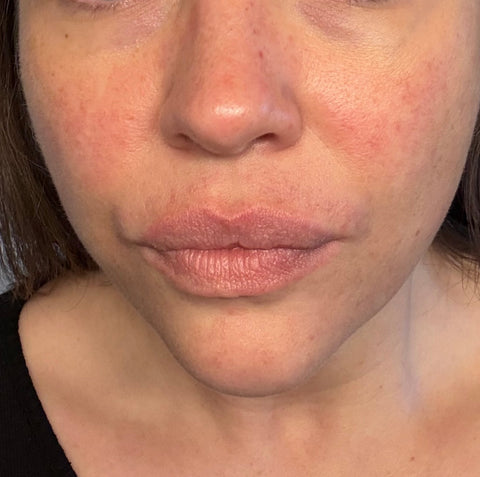
Dry, flaky skin around the mouth can feel rough, scaly, and tight. The skin here is thinner and more easily irritated than other parts of the face, so it can peel or flake, and that is often accompanied by a darker look in the affected area.
The darker discoloration that sometimes appears alongside flaky skin usually comes from a mix of factors, including inflammation, post-inflammatory marks, and the kind of repeated irritation this area is prone to. It is closely related to hyperpigmentation around the mouth, and for many people the darker look becomes more noticeable over time, especially when the skin is repeatedly dry or exposed to harsh conditions.
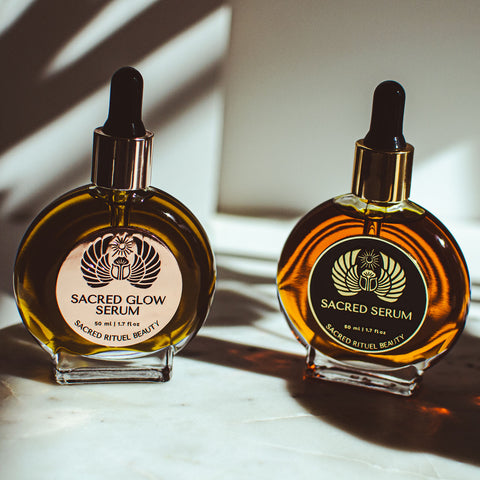
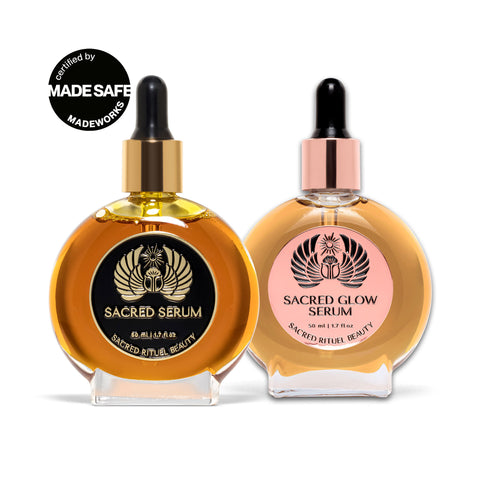
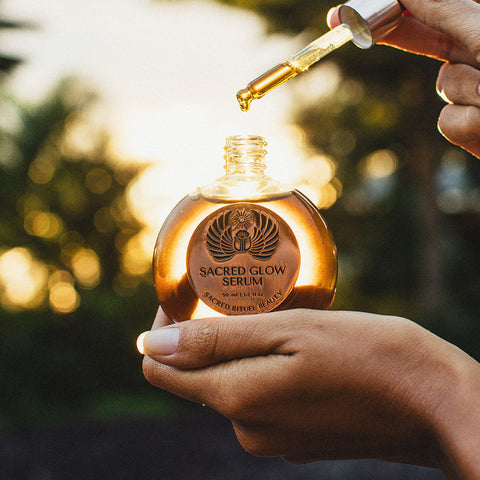
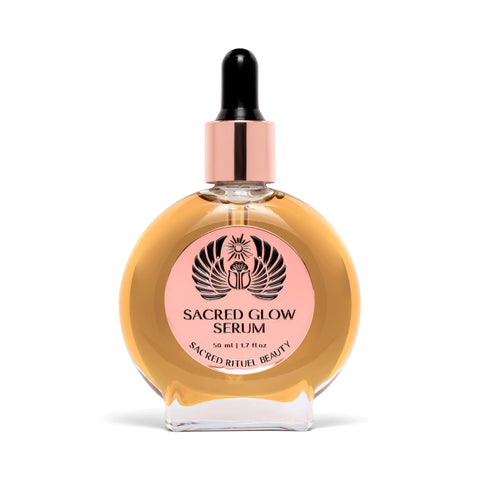
A gentle, barrier-supporting oil such as the Sacred Serum face oil can help here. Its cold-pressed oils carry soothing botanicals that nourish and comfort sensitive skin, supporting both the dryness and the more even look of the skin around the mouth as part of a calm routine.
Why is the skin around my mouth suddenly dry and flaky?
Dry, flaky skin around the mouth can come from several things. Here are some of the most common contributors:
Environmental Factors
Cold, dry weather can pull natural oils from the skin, leaving it tight and flaky, and harsh winds add physical irritation and moisture loss in sensitive areas like around the mouth. Prolonged sun exposure can stress the skin's protective barrier too, leaving it more prone to dryness and peeling. The same triggers can dry out skin elsewhere, so it helps to know how to care for dry skin on the face more broadly.
Dehydration
When the body is low on water, skin has a harder time holding moisture, which shows up as dry, flaky patches in delicate areas like around the mouth. This area is especially exposed to saliva and constant movement, so even mild dehydration can change how it looks and feels.
Irritation From Products
Products with harsh ingredients, such as alcohol, sulfates, or synthetic fragrances, can strip natural oils and disrupt the skin's protective barrier, leading to irritation and flaking. The skin around the mouth is sensitive and may respond with redness, itching, or dryness, and allergens in skincare or oral-care products can trigger reactions too.
Skin Conditions
Conditions like eczema, perioral dermatitis, and psoriasis often show up as dryness, redness, and flaking around the mouth. They are associated with inflammation and a weakened skin barrier. Perioral dermatitis in particular causes red, inflamed, flaky patches around the mouth and usually needs a tailored, professional approach.
Lip Licking And Saliva Contact
Licking the lips can create a cycle of dryness, since saliva evaporates quickly and leaves the skin more dehydrated than before. Saliva can also be harsh on the skin's barrier, so repeated contact often leads to ongoing flakiness.

Why does dark discoloration appear around the mouth?
A darker look often accompanies dry, flaky skin because of inflammation and the skin's natural settling process. A few reasons it can appear alongside flaky skin around the mouth:
Post-Inflammatory Marks (PIH)
When skin becomes inflamed from dryness, irritation, or a skin condition, it can produce more melanin. That extra melanin is what leaves darker-looking spots or patches, known as post-inflammatory hyperpigmentation (PIH), which can take several weeks or months to become less noticeable. It is more common on deeper skin tones but can affect anyone, especially in areas prone to repeated irritation.
Chronic Irritation And Friction
The area around the mouth is rubbed and moved constantly, by eating, talking, lip licking, and wiping. Each bout of irritation can prompt more melanin as the skin protects itself, and over time that cycle can leave darker-looking patches.
Sun Exposure
Sun exposure can deepen the look of existing discoloration. UV rays prompt more melanin, especially where skin is already inflamed or stressed, and even brief unprotected exposure can slow how quickly darker-looking spots become less noticeable, so daily sun protection on this area matters.
Dehydration And A Stressed Skin Barrier
Dehydration weakens the skin's natural barrier, making it more vulnerable to the environmental stress that contributes to a darker look. When the barrier is compromised, irritants get in more easily, leading to more inflammation. A well-moisturized, healthy barrier is one of the best ways to support a more even-looking surface.
Nourishing Plant Oils To Soothe And Moisturize Flaky Skin
Gentle, cold-pressed plant oils are a soothing way to support flaky skin around the mouth. Several of the oils below are part of our Sacred Serum, so you get them together in one finished, barrier-supporting blend rather than mixing your own:
Rosehip Oil
Rosehip oil is a natural source of vitamin C and carotenoids, ingredients many people associate with a brighter, more even-looking tone, and it helps support the moisture barrier on dry, sensitive skin.
Jojoba Oil
Jojoba oil closely resembles the skin's own oils, so it is a comfortable moisturizer for dry skin. It absorbs easily, helps support the skin's moisture balance, and feels soothing on irritated, flaky areas.
Hemp Seed Oil
Hemp seed oil is rich in essential fatty acids that nourish the skin and support comfort. It is lightweight, which suits the delicate area around the mouth.
Sweet Almond Oil
Sweet almond oil is rich in vitamins E and A. It softens dry, flaky skin and helps the barrier hold on to moisture, supporting a smoother, more even-looking surface.
Vitamin E (Tocopherol)
Vitamin E is a well-known antioxidant that supports the look of dry, stressed skin and helps the skin feel smoother and more resilient over time.
Baobab Fruit Oil
Baobab is rich in omega fatty acids that help restore moisture to dry skin and support the skin barrier, which is especially helpful for flaky skin.
Tips To Support A More Even-Looking Tone Naturally
Alongside soothing dryness, a few gentle habits can support a more even-looking tone around the mouth over time:
Build A Simple, Soothing Routine
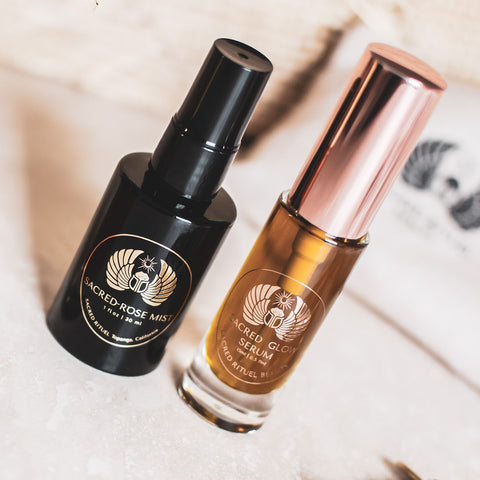
A short daily ritual keeps the barrier comfortable: mist with Sacred Rose Mist, press the Sacred Serum botanical oil into slightly damp skin, and use Sacred Body Oil for the rest of your skin. The Sacred Trio routine brings all three together. The same body oil is handy for stubborn dryness elsewhere, like peeling skin on your hands.
Lean On Antioxidant Oils
Antioxidant-rich oils such as rosehip and the vitamin E in Sacred Serum's whole-plant blend support the look of stressed skin and a more even-looking tone over time. Gently press a few drops into the area as part of your routine.
Use A Calming Rose Hydrosol
A rose hydrosol is naturally calming and can be used as a toner after cleansing. Used regularly, it helps the skin look calmer and more even by soothing the look of redness and supporting the skin's moisture balance. If you are new to toners, here is how skin-balancing toners work and why you might want one.
Moisturize With Nourishing Plant Oils
Sweet almond, apricot kernel, and camellia seed oils are gentle, nourishing oils that soften the skin and support a more even-looking tone. Apply them, or a finished blend like Sacred Serum that contains them, as part of your nighttime routine for soft, dewy-looking skin.
Stay Hydrated And Eat Antioxidant-Rich Foods
Supporting your skin from the inside matters too. Drinking enough water and eating antioxidant-rich foods like berries, leafy greens, and nuts helps your skin stand up to the everyday oxidative stress that contributes to a darker look.
Apply Sun Protection Regularly
Sun exposure deepens the look of discoloration, so daily broad-spectrum sun protection is worth the habit, even when you mostly use natural products. Oils like baobab offer a little surface comfort but are not a substitute for dedicated sun protection.
When To Seek Professional Help For Skin Issues
Natural, gentle care helps many cases of dry, flaky skin and a darker look around the mouth, but some situations call for a dermatologist or healthcare provider:
- Persistent or worsening symptoms: If dryness and discoloration stick around despite a consistent gentle routine, it may point to an underlying condition like eczema, psoriasis, or perioral dermatitis that benefits from professional diagnosis.
- Severe irritation or pain: If the area becomes red, swollen, or painful, it could signal an infection or significant irritation. A healthcare provider can advise and help keep it from getting worse.
- Rapid changes in skin color or texture: Sudden dark patches or thickened, rough skin are worth having a dermatologist look at.
- Reactions to natural ingredients: Even gentle ingredients can cause reactions in some people. If you notice redness, itching, or swelling, stop use and ask a dermatologist about alternatives for your skin.
- No change with a gentle routine: If a calm, consistent routine is not helping the look of discoloration, a dermatologist can discuss options suited to your skin and skin tone.
Professional guidance can bring clarity and relief, especially when at-home care is not getting the results you want. A dermatologist can build a plan around your specific skin and goals.

Final Thoughts
Dry, flaky skin and a darker look around the mouth can be frustrating, but a gentle approach helps. Understanding the causes, from environmental stress to skin conditions, is the first step. A calm, fragrance-free routine with nourishing, barrier-supporting plant oils can soothe irritation, restore moisture, and support a more even-looking tone over time.
Consistency matters, since gentle care takes time to show. Moisturizing regularly, protecting the skin from the sun, and being mindful of irritants all help. It is also important to recognize when professional help is the right call, since a dermatologist can offer guidance tailored to your skin.
By pairing a gentle natural routine with professional guidance when needed, you can care for dry, flaky skin and a darker look around the mouth, and help your skin feel healthier and more comfortable.
Sources:
- Blaak, J., & Staib, P. (2022). An updated review on efficacy and benefits of sweet almond, evening primrose and jojoba oils in skin care applications. International Journal of Cosmetic Science, 44(1), 1-9.
- Weber, C., Podda, M., Rallis, M., Thiele, J. J., Traber, M. G., & Packer, L. (1997). Efficacy of topically applied tocopherols and tocotrienols in protection of murine skin from oxidative damage induced by UV-irradiation. Free Radical Biology and Medicine, 22(5), 761-769.
- Callaway, J., Schwab, U., Harvima, I., Halonen, P., Mykkänen, O., Hyvönen, P., & Järvinen, T. (2005). Efficacy of dietary hempseed oil in patients with atopic dermatitis. Journal of Dermatological Treatment, 16(2), 87-94.
Frequently Asked Questions
Can dry skin around the mouth be related to a fungal infection?
Sometimes. Yeast such as candida can be involved when the area stays damp from saliva, and it can look like dryness, flaking, or redness. If the skin is not settling with a gentle, barrier-supporting routine, or it is spreading or uncomfortable, a dermatologist can check whether a fungal issue or perioral dermatitis is involved.
Can toothpaste cause dry, flaky skin around the mouth?
It can for some people. Ingredients in some toothpastes, such as sodium lauryl sulfate or strong flavor oils, can irritate the skin right around the mouth and leave it dry or flaky. If flaking lines up with brushing, try wiping the area afterward, switching to a gentler formula, and keeping the skin barrier nourished.
Can I use essential oils for dry, flaky skin around the mouth?
Essential oils should always be diluted in a carrier oil and patch-tested first, since undiluted oils can irritate this delicate area. A gentler option is a finished cold-pressed blend like Sacred Serum face oil, which carries soothing botanicals in barrier-supporting carrier oils such as jojoba, sweet almond, and hemp, so you are not mixing your own. Stop and see a dermatologist if anything stings or worsens.
How long until dark discoloration around the mouth looks more even with a natural routine?
There is no instant change. Post-inflammatory darkening becomes less noticeable slowly, usually over several weeks to a few months, and only with daily sun protection and a calm, barrier-supporting routine. Consistency matters more than any single product, and a dermatologist can help if it is not changing.
Why is the skin around my mouth suddenly dry and flaky?
A sudden change usually means the moisture barrier is stressed: cold or dry weather, dehydration, a new or harsh product, frequent lip licking, or a flare of something like perioral dermatitis or eczema. Switching to a gentle, fragrance-free routine and nourishing the barrier often helps, and a dermatologist can confirm the cause if it persists.
What gets mistaken for perioral dermatitis?
A few things can look similar: ordinary dryness or product irritation, eczema, contact reactions to toothpaste or lip products, and sometimes fungal irritation. Because true perioral dermatitis often needs a specific approach and can be worsened by some common products, it is worth seeing a dermatologist for a clear diagnosis rather than guessing.
How can I soothe dry, flaky skin around the mouth?
Keep it simple and gentle: avoid licking or picking, skip harsh or strongly fragranced products, and nourish the barrier with a soothing, cold-pressed oil. the Sacred Serum face oil's jojoba, sweet almond, and baobab oils are barrier-supportive, and customers most often describe their skin feeling more hydrated, soft, and comfortable. Protect the area from the sun daily, and see a dermatologist if it stays raw or painful.
Radiance Is Personal. Let’s Reveal Yours...
All Day Glow Essentials