How Long Does Hormonal Acne Last? What To Expect And How To Support Your Skin
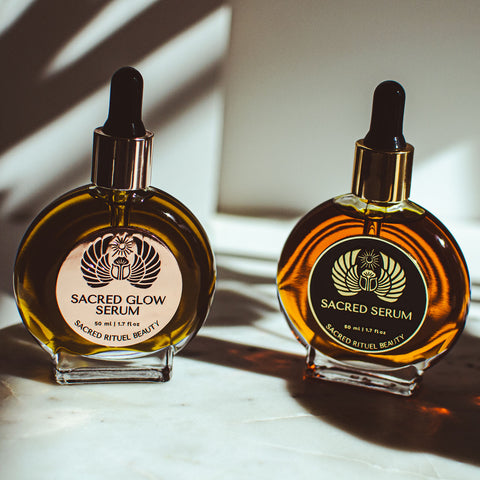
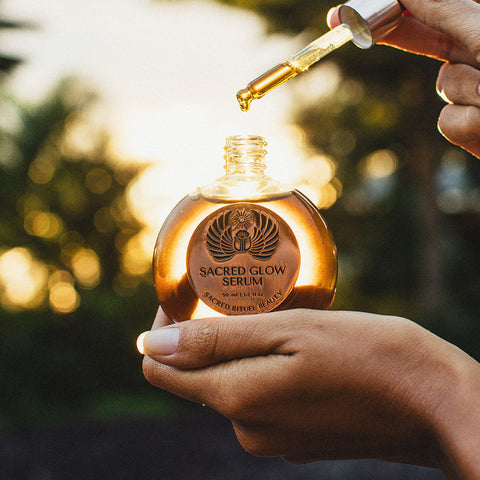
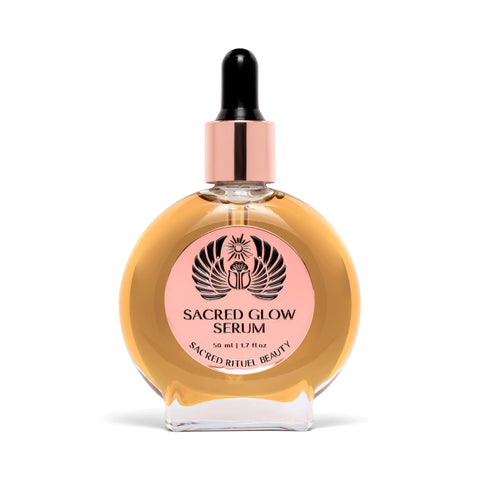
How long hormonal acne lasts depends on the hormones behind it: teenage hormonal acne often eases as hormone levels settle in the late teens or early twenties, while adult hormonal acne, often linked to the menstrual cycle, PCOS, pregnancy, or menopause, can come and go for years until the underlying shifts settle or are addressed with a healthcare provider. There is no single timeline, and there is no overnight fix. The honest, gentle place to start is a calm, consistent routine, supportive everyday habits, and a visit to a dermatologist if your breakouts are persistent, painful, cystic, or spreading. Many people on an acne-prone routine also reach for a nourishing whole-plant oil like Sacred Serum to support the look and feel of calmer, more hydrated skin.
Key Takeaways:
- No single timeline: Teenage hormonal acne often eases as hormone levels settle, while adult hormonal acne, often tied to the menstrual cycle, PCOS, pregnancy, or menopause, can come and go for years.
- Appearance-side support: A calm, consistent routine, supportive everyday habits, and a nourishing whole-plant oil such as Sacred Serum face oil can support the look and feel of calmer, more comfortable skin over time.
- When to get guidance: Persistent, painful, cystic, or spreading breakouts, or acne with other symptoms like irregular periods, warrant a board-certified dermatologist.
At Sacred Rituel, we work with cold-pressed, whole-plant botanicals to nourish skin and support its moisture barrier. Hormonal acne is a common concern at many stages of life, and this article explains what tends to drive it, what to expect about how long it lasts, and how to support the look and feel of comfortable, calmer-looking skin with a gentle, consistent routine.
What Is Hormonal Acne?
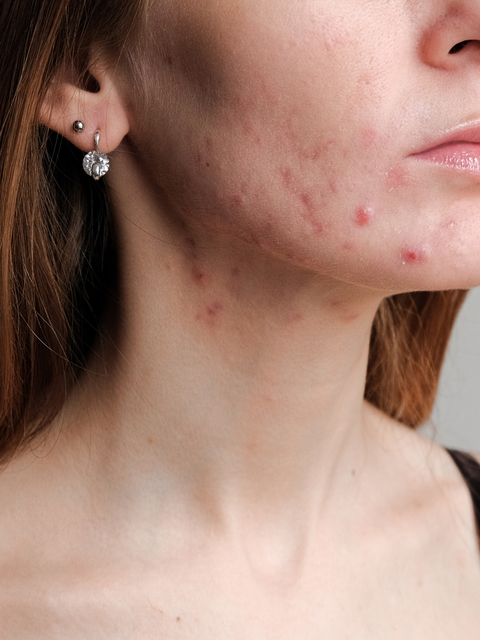
Hormonal acne is acne connected to fluctuations in your hormones. Those shifts can be associated with more oil on the skin, pores that clog more easily, and the kind of environment where breakouts form. It is most often associated with puberty, but it can show up at various stages of life, particularly for people whose hormones shift around the menstrual cycle. It often appears on the lower part of the face, such as the chin, jawline, and around the mouth, and can show up as deep, sometimes painful bumps that are slow to settle.
Hormonal acne is typically linked to changes in hormone levels during menstruation, pregnancy, menopause, or with conditions like polycystic ovary syndrome (PCOS). Stress and certain medications can also play a role. Unlike acne tied mainly to surface-level factors, hormonal acne is driven by internal changes, which is part of why it can be slower to settle.
Because hormonal acne is driven from within, the kindest thing you can do for the outside is keep your routine gentle. A nourishing, cold-pressed oil such as the Sacred Serum whole-plant oil blend supports the look and feel of comfortable, hydrated skin without a heavy, pore-burdening feel, and pairing it with a non-stripping cleanse like the Cosmic Cleansing Oil keeps acne-prone skin from being scrubbed raw. For more on choosing oils when skin breaks out, see our guide to facial oil for acne prone skin.
Can hormonal acne occur at any age?
Yes. Hormonal acne can occur at any age, because it follows your hormones rather than a fixed age range. It is most common during puberty, but the same hormonal shifts can prompt breakouts during menstruation, pregnancy, and menopause, which is why some people see it for the first time well into adulthood.
The shifts most often associated with hormonal acne involve androgens, hormones present in everyone, which can be linked to more oil on the skin. In people who menstruate, breakouts often track with the menstrual cycle, particularly in the days before a period. Other common contributors include:
- Polycystic Ovary Syndrome (PCOS): A condition associated with hormonal imbalance and higher androgen levels, which can be linked to persistent breakouts.
- Pregnancy: Hormone changes during pregnancy can be associated with flare-ups, especially in the first trimester.
- Menopause: As estrogen declines, the relative balance of androgens can shift, which is often associated with adult breakouts.
- Stress: Stress is linked to higher cortisol, which can be associated with oilier-looking skin and more visible breakouts.
- Medications: Some medications, such as certain birth control pills or steroids, can shift hormone levels and be associated with breakouts.
Knowing which life stage or contributor is driving your skin helps you choose a gentle routine and recognize when it is worth asking a dermatologist for guidance. Whatever your age, the daily goal is the same: support the look and feel of calmer, comfortable skin. A cold-pressed botanical oil like Sacred Serum is one gentle step many people reach for. If your breakouts came on suddenly and deep, our piece on what triggers sudden cystic acne and how it relates to Accutane goes deeper.

How Long Does Hormonal Acne Last?
Hormonal acne can be persistent because it is connected to your body's internal hormonal shifts rather than to one external trigger. There is no single answer to how long it lasts: it depends on age, any underlying health conditions, and how the skin is cared for over time.
Duration Of Hormonal Acne In Adolescents
For many teenagers, hormonal acne arrives alongside puberty. As hormone levels fluctuate during these years, oil glands often become more active and breakouts appear. For many, this eases as they grow older and hormone levels begin to settle. The timeline varies from person to person, though: some see a clear change in their late teens or early twenties, while others continue to break out into adulthood if hormonal shifts persist.
Persistent Hormonal Acne In Adults
In adults, hormonal acne can be a long-term companion. It is often linked to conditions like PCOS or to the menstrual cycle. Breakouts may flare predictably before a period or during stressful stretches without fully settling in between, and they can continue into the 30s, 40s, and even 50s, especially around menopause when hormones shift again. Without addressing the underlying hormonal factors, this kind of acne can stay around for years. A gentle, non-stripping routine, such as cleansing with our gentle oil cleanser and nourishing with a whole-plant oil, supports the look and feel of comfortable skin through those ups and downs.
How Lifestyle And Care Shape The Duration
How long hormonal acne lasts is shaped not only by age or health conditions but also by how the skin is supported day to day. A diet that supports hormone balance, steady stress management, enough sleep, and a consistent routine built for acne-prone skin all help. Approaches that address the underlying hormonal picture are decisions to make with a healthcare provider, but the at-home side is about keeping the routine gentle and consistent so skin stays comfortable.
Hormonal Acne During Menopause
Menopause is another season when hormonal acne can begin or intensify. As estrogen levels drop while androgens stay relatively steady, the shift in balance can be associated with flare-ups that persist through and beyond menopause. Management and a conversation with a healthcare provider can help, and the everyday goal remains supporting the look and feel of calmer, comfortable skin.
Can men get hormonal acne?
Yes. Men can get hormonal acne, particularly from shifts in testosterone during puberty or from other hormonal changes later on. Hormonal acne follows androgens, which everyone has, so it is not limited by gender. Beyond who experiences it, several factors shape how long it lasts and how noticeable it becomes:
- Hormonal fluctuations: The degree and frequency of hormonal change matters. Conditions like PCOS, menopause, and pregnancy can mean longer stretches of imbalance, which is associated with more persistent breakouts.
- Genetics: Your genetic makeup influences how skin responds to hormonal change. A family history of hormonal acne can make it more likely and longer-lasting.
- Lifestyle choices: Diet, stress, and sleep all interact with hormones. High stress and poor sleep can be associated with more visible breakouts.
- Skincare routine: The products you use can support or aggravate acne-prone skin. Harsh or heavy, pore-burdening products can make things look worse, while a consistent, gentle routine supports calmer-looking skin.
- Medical conditions and medications: Conditions like PCOS or thyroid disorders, and some medications, can shift hormone levels and influence how long acne lasts.
- Care approach: A timely, appropriate plan, often guided by a dermatologist, can shape how the condition unfolds over time.
Recognizing these factors helps you and your provider build a more personalized approach. On the at-home side, a gentle whole-plant oil such as the Sacred Serum face oil is one calming step. Weather plays a role too: dry, cold conditions can leave acne-prone skin stripped and irritated, which we cover in the link between dry skin and acne for Accutane users and in how winter conditions can trigger acne and impact Accutane users.
How To Support Acne-Prone Skin Day To Day
Because hormonal acne is driven from within, the most realistic at-home goal is supporting the look and feel of comfortable, calmer-looking skin while you address the hormonal picture with a professional. A gentle, consistent routine matters more than any single dramatic product, and the medical decisions belong with your dermatologist or healthcare provider.
Keep Cleansing Gentle And Non-Stripping
Harsh, foaming cleansers can leave acne-prone skin feeling tight and stripped, which can make the skin look more irritated. A non-stripping cleanse, such as Cosmic Cleansing Oil, lifts away the day without scrubbing skin raw, leaving it feeling clean and comfortable rather than parched.
Nourish With A Whole-Plant Oil
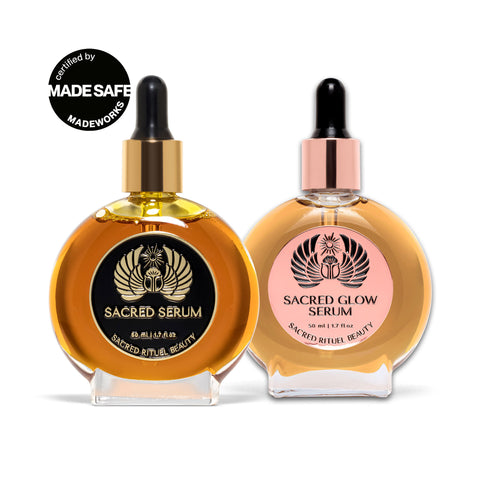
It can feel counterintuitive to add oil to breakout-prone skin, but a lightweight, cold-pressed blend is different from heavy, occlusive products. Our Sacred Serum is a blend of fourteen cold-pressed organic botanical oils, rich in fatty acids, antioxidants, and polyphenols, that is compatible with the skin's own lipid matrix and supports the look of the moisture barrier. Many customers on acne-prone routines describe it as hydrating without feeling greasy, which is why it sits comfortably in a calming routine. For a fuller look at oils and breakouts, see our guide to facial oil for acne prone skin.
Patch-Test Anything New
Before adding a new oil or product to acne-prone skin, patch test it. Apply a small amount to the inside of your forearm and wait twenty-four hours before using it on your face. This simple step helps you spot any sensitivity early, since the goal is calmer, comfortable skin rather than a fresh source of irritation.
Build A Simple, Steady Ritual
Consistency does more than any one-off treatment. A simple daily ritual is easy to keep up: cleanse gently, then press a few drops of oil into slightly damp skin morning and night. The Sacred routine set pairs Sacred Serum with Rose Toner and Body Oil so the rest of your skin gets the same gentle care.
Support Skin From Within
Everyday habits show up in your skin. A balanced diet, steady stress management through movement or rest, and enough sleep all support your skin's natural resilience. These habits will not replace medical care for hormonal acne, but they make the at-home routine more effective and support a healthier-looking glow.
When To See A Dermatologist
While many people support acne-prone skin at home, there are clear times to see a board-certified dermatologist. A professional can assess what is driving your breakouts, coordinate care for any underlying condition, and discuss prescription options, which are decisions to make with a provider rather than on your own. Consider seeing a dermatologist if you notice:
- Persistent or severe acne: If breakouts are not settling with a gentle routine, or are deep, painful, or cystic, a dermatologist can assess and guide care.
- Scarring: If you are noticing marks or scarring, professional guidance early can help. A dermatologist can talk through the options suited to your skin.
- Emotional impact: Acne can affect mental health and self-esteem. If it is affecting your quality of life, a dermatologist can help and may refer you to further support.
- Possible hormonal conditions: If you suspect a hormonal condition like PCOS, or notice symptoms like irregular periods or excess hair growth alongside breakouts, a dermatologist can help coordinate diagnosis and care.
- Spreading or changing skin: If breakouts are spreading or your skin is changing in ways that concern you, a professional assessment is worthwhile.
- Recurring flare-ups: If acne keeps returning, a dermatologist can help you build a longer-term plan.
Seeing a dermatologist can make a real difference in how comfortably you move through hormonal acne, supporting both the physical and the emotional sides of the experience.

Final Thoughts
Hormonal acne can feel like a long journey, but it is one you can move through with patience and steady, gentle care. Because it is driven by internal factors, the medical side belongs with your dermatologist or healthcare provider, while the at-home side is about keeping your routine calm and consistent so skin stays comfortable.
A non-stripping cleanse, a nourishing whole-plant oil, supportive everyday habits, and professional guidance when you need it all work together. Everyone's skin is different, so listen to your skin, give changes time, and stay gentle with yourself along the way.
With a patient, consistent approach, you can support the look and feel of calmer, more comfortable, healthier-looking skin through every season of hormonal change.
Frequently Asked Questions
Can hormonal acne occur at any age?
Yes. Hormonal acne follows your hormones rather than a fixed age, so it can show up at any stage of life. It is most common during puberty, but the same shifts during menstruation, pregnancy, and menopause mean some people see it for the first time in adulthood. A gentle, consistent routine, such as a non-stripping cleanse and a nourishing oil like Sacred Serum, supports the look and feel of comfortable skin at any age, and a dermatologist can guide persistent breakouts.
Can men get hormonal acne?
Yes. Men can get hormonal acne, particularly from changes in testosterone during puberty or from other hormonal shifts later in life. Hormonal acne follows androgens, which everyone has, so it is not limited by gender. The same gentle, consistent routine supports calmer-looking skin for anyone, and a dermatologist can help if breakouts are persistent, painful, or cystic.
Does hormonal acne only appear on the face?
No. While hormonal acne commonly appears on the lower face, around the jawline, chin, and mouth, it can also show up on the back, chest, and shoulders. Wherever it appears, the at-home goal is the same: keep the routine gentle and non-stripping so skin stays comfortable, and see a dermatologist if breakouts are widespread, painful, or persistent.
How can I tell if my acne is hormonal?
Hormonal acne often appears in a particular pattern, such as along the jawline and lower face, and tends to track with hormonal changes like the days before a period. If your breakouts come and go with your cycle or with stress, hormones may be involved. A dermatologist can help confirm what is driving your skin, especially if you also notice symptoms like irregular periods.
Can stress cause hormonal acne?
Stress can play a role. It is linked to higher cortisol, which can be associated with oilier-looking skin and more visible breakouts. Stress alone does not usually create hormonal acne on its own, but it can be a contributor. Steady stress management, enough sleep, and a calm, consistent routine all support the look and feel of comfortable skin.
What are the stages of hormonal acne?
Hormonal acne often follows a familiar arc: skin may look oilier, then develop clogged-looking pores, then form raised breakouts that can be deeper and slower to settle, and finally calm down, sometimes leaving a temporary mark behind. The pattern varies from person to person and can repeat with each hormonal shift. A gentle routine supports comfortable-looking skin through the cycle, and a dermatologist can guide deeper or cystic breakouts.
At what age is hormonal acne the worst?
There is no universal worst age. For many, hormonal acne peaks during puberty and eases in the late teens or early twenties. For others, especially people who menstruate, it can be most noticeable in the 20s and 30s, or again around menopause as hormones shift. Because it follows your hormones rather than a fixed age, the timeline is personal. A dermatologist can help if breakouts are persistent or severe at any stage.
Radiance Is Personal. Let’s Reveal Yours...
All Day Glow Essentials