
How Winter Conditions Can Trigger Acne And Impact Accutane Users
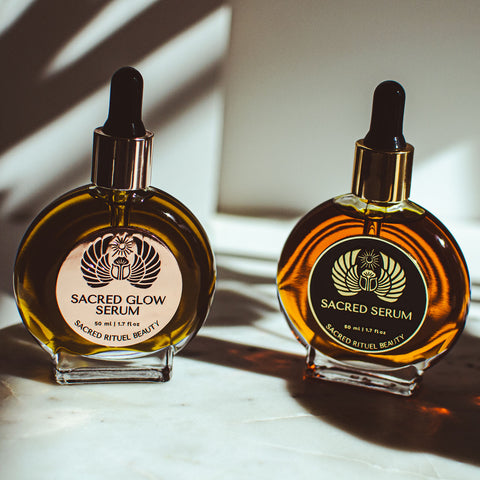
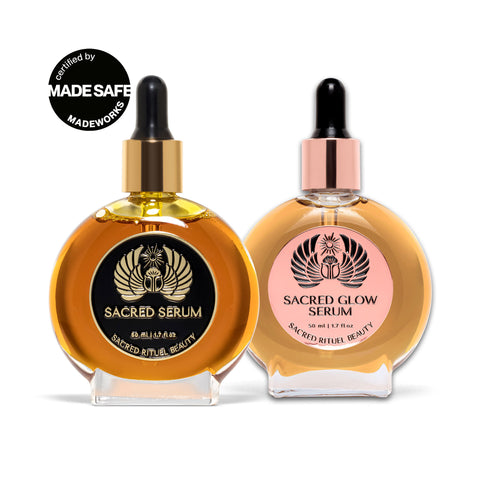
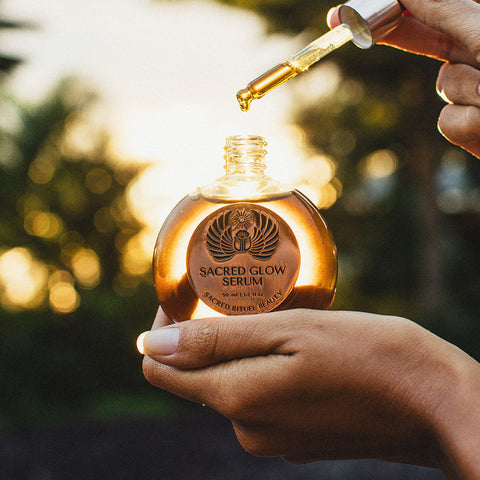
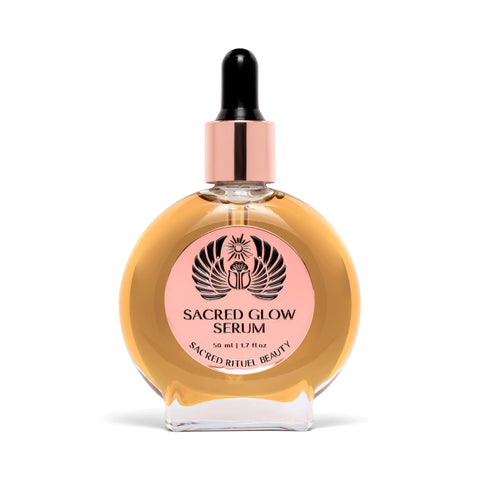
Your skin can look worse in winter because cold air, low humidity, and indoor heating pull moisture from the surface, which weakens the look of the skin barrier and can leave skin dry, flaky, and prone to more visible breakouts. The gentlest place to start is a calm, hydrating routine, soft breathable fabrics, and a check-in with a dermatologist if breakouts are painful, cystic, or spreading, since persistent acne warrants professional care. Many people on a drying winter or Accutane routine also reach for a nourishing whole-plant oil like Sacred Serum to support the look and feel of comfortable, hydrated skin through the colder months.
Key Takeaways:
- Why winter is hard on skin: Dry air, a weakened-looking moisture barrier, and the dryness-then-oiliness cycle can leave skin looking dull and prone to more visible breakouts in the colder months.
- If you are on Accutane: Accutane is a prescription acne medication that significantly reduces how much oil your skin makes, so winter dryness and sensitivity can feel more intense. It is prescribed and monitored by a dermatologist, so always follow their guidance.
- Gentle, appearance-side support: A non-stripping routine, soft fabrics, and a cold-pressed whole-plant oil such as Sacred Serum face oil can support the look and feel of calmer, more comfortable, hydrated skin.
Winter can be a tough season for skin. The combination of cold air, low humidity, and indoor heating often leaves skin feeling dry, irritated, and unbalanced, and for some people those harsh conditions line up with more visible breakouts, something people often call winter acne. If you are on Accutane, the dryness and sensitivity of winter can feel even more pronounced. At Sacred Rituel we work with cold-pressed, whole-plant botanicals to nourish skin and support the look of its moisture barrier, and this article explains what tends to happen to skin in winter and how to support a calmer, more comfortable look through the season.
What Is Winter Acne And Why Does It Happen?
Winter acne describes breakouts that show up or look worse in the unique conditions of the colder months. During winter the air holds less moisture, and the mix of biting wind and indoor heating can really dehydrate skin. While you might expect dry skin to mean fewer breakouts, the dryness can set up conditions that make breakouts more likely. Here is what tends to be going on:
The Dryness Then Oiliness Cycle
When skin gets very dry, it can respond by producing more surface oil, and that extra oil can mix with dead skin cells on the surface and leave skin looking congested and prone to breakouts. In winter skin can struggle to find its balance, so you may notice a back-and-forth between tight, flaky patches and oilier-looking areas. A gentle, hydrating routine helps skin feel more balanced. If your skin tends toward dryness, you may find it helpful to read about the link between dry skin and acne, especially for Accutane users.
A Weakened-Looking Skin Barrier
Your skin barrier is the surface layer that helps hold moisture in, and cold weather and indoor heating can leave it looking compromised and feeling fragile. When the barrier is stressed, skin can feel more reactive and breakouts can look like they linger longer. Supporting the barrier with nourishing, cold-pressed oils is one of the gentlest things you can do. A cold-pressed blend like Sacred Serum is rich in fatty acids, antioxidants, and polyphenols that support the look of the moisture barrier.
Irritation From Layers And Scarves
In winter we bundle up in scarves, turtlenecks, and heavy coats, which can trap sweat, oil, and bacteria against the skin. This is common on areas like the jawline, neck, and back, where fabric rubs against the skin. If skin is already dry and fragile, that extra friction can leave it looking red and prone to flare-ups. Soft, breathable fabrics and gentle cleansing help.
Stress And Winter Blues
Shorter days and colder weather can make life feel more stressful, and stress is often associated with more visible breakouts. People also tend to reach for comfort foods or skip movement in winter, which can indirectly show up in how skin looks. Rest, gentle routines, and small steady habits all support a calmer-looking complexion.
Why does my skin look so bad in winter?
If you are on Accutane, winter can be especially demanding on your skin. Accutane is a prescription acne medication that works by significantly reducing the amount of oil your skin produces. With less surface oil, skin is already more prone to dryness, and winter conditions amplify that, since the dry air and harsh wind strip away what little surface moisture is left and can leave skin feeling tight, flaky, and looking irritated.
Accutane can also leave the skin feeling more sensitive to outside irritants like cold air and the fabrics of winter clothing, which can show up as redness and small cracks at the surface if skin is not cared for gently. Because winter affects hydration, the look of any breakout or irritation may take longer to settle. None of this is medical advice about your prescription. Accutane is prescribed and monitored by a dermatologist, so always follow their guidance, and bring any winter dryness or sensitivity to them.
What you can do at home is keep things gentle and hydrating. Many people on a drying routine reach for a gentle whole-plant oil like Sacred Serum to support the look and feel of comfortable, hydrated skin, layered over a soothing mist on damp skin. If your breakouts came on suddenly or feel cystic, it is also worth understanding what triggers sudden cystic acne and how it relates to Accutane.
Is acne worse in summer or winter?
It depends on your skin. Summer breakouts often trace to sweat, oil, and humidity, while winter breakouts tend to come from dryness and a stressed-looking barrier, so both seasons can affect skin differently. In winter, certain areas are more prone to looking congested because of dryness, friction from clothing, and the environment. Here is a closer look at the spots most affected:
- Face: The face is the most common site for winter breakouts, especially the cheeks, chin, and around the nose. Dry air and indoor heating can leave skin flaky, while scarves or masks trap sweat and oil and make breakouts more visible.
- Lips and surrounding area: People on Accutane often notice extreme dryness around the lips. This delicate skin can crack, flake, and develop bumps as dead skin builds up at the surface.
- Jawline and neck: Heavy scarves and high-neck clothing can trap moisture and bacteria against the skin, leaving the jawline and neck looking irritated and congested.
- Back and shoulders: Winter layers, especially sweaters and coats in non-breathable materials, create friction and trap sweat, which makes the back and shoulders common spots for winter body breakouts.
- Hands and forearms: Less common, but dry skin on the hands and arms from harsh winter air can sometimes look bumpy, especially if heavy lotions sit on the surface.
These areas are vulnerable in winter, but with a gentle routine and a few simple habits you can support a calmer, more comfortable look. A clean, non-stripping cleanser can lift the day off without leaving skin tight, and a nourishing oil afterward helps skin feel comfortable rather than parched.

Why is my skin more oily in the winter?
Your skin can look oilier in winter because it is responding to dryness. When the air is cold and dry and indoor heating pulls moisture from the surface, skin can produce more oil to compensate, and that extra oil on an already stressed-looking barrier can make skin look both flaky and shiny at once. It is not a sign you need to scrub harder, in fact over-washing tends to make the cycle worse.
The gentlest way through is to keep skin hydrated and the barrier supported rather than stripping the oil away. Cold-pressed, whole-plant oils are well suited to this because they are compatible with the skin's own lipid matrix. A few that people find especially comfortable in winter:
Jojoba Oil
Jojoba Oil is close in structure to the skin's own surface oil, so it feels lightweight and absorbs without leaving a greasy film, which makes it a comfortable choice when skin feels both dry and congested. It helps skin hold onto moisture, which soothes the look of dry, flaky patches from harsh winter air.
Rosehip Oil
Rosehip Oil is rich in fatty acids and a natural source of carotenoids and vitamin C, antioxidants many people associate with a brighter, more even-looking tone. It is light, absorbs well, and supports the look of skin recovering from winter dryness.
Sea Buckthorn Oil
Sea Buckthorn Oil is packed with antioxidants, including vitamins C and E and carotenoids, that support skin against everyday environmental stress and help skin look comfortable through winter's drying effects. Its bright orange color is intense, so it shines as one carefully blended note among many in a finished oil.
Calendula And Chamomile
Calendula and chamomile are botanicals long loved in herbalist tradition for sensitive, dry-looking skin. They are gentle and soothing, which makes them comforting for skin that feels tight or looks red in cold, dry weather. As a whole-plant blend rather than isolated actives, they help skin feel calm and cared for.
What weather causes acne?
Both hot and cold weather can play a role in how skin looks. Heat and humidity bring more sweat and surface oil, while cold, dry weather draws moisture out of skin and can leave it flaky, tight, and prone to looking congested. Wind and indoor heating add to the winter version of this. The throughline is that anything that disrupts the look of the skin barrier, whether it is summer sweat or winter dryness, can make breakouts more visible.
Because weather is something you cannot control, the useful focus is supporting your skin through it. A steady, gentle routine matters more than any single product, and many people build theirs around a hydrating mist, a nourishing oil, and soft fabrics against the skin. The Sacred routine set pairs Sacred Serum with a rose toner and body oil so your face and the rest of your skin stay comfortable through the season. If you find you break out around the same time each cycle, it can also help to learn about how long hormonal acne tends to last.
Why do I get acne only in winter?
If breakouts show up mainly in the colder months, it is usually the season's effect on your skin's moisture and barrier rather than something you are doing wrong. Skin that is balanced most of the year can tip into the dryness-then-oiliness cycle once the heating comes on and the air turns harsh, and that shift is what tends to show up as winter breakouts. For Accutane users, who already have less surface oil, that seasonal swing can feel sharper.
The encouraging part is that a seasonal pattern responds well to seasonal care. Hydrate more, strip less, protect skin from friction, and lean on barrier-supporting oils. Oils are often misunderstood by people with breakout-prone skin, so it can be reassuring to read why facial oil suits acne-prone skin when it is the right kind of oil, used gently.
How can I support clearer-looking skin in winter?
Preventing the winter slump is mostly about protecting skin from the season's harshness and not over-correcting. A few steady habits go a long way toward a calmer, more comfortable, clearer-looking complexion:
Hydrate Consistently
In winter the moisture barrier takes a hit, so a nourishing, lightweight oil pressed into damp skin can make a real difference to how comfortable skin feels. Cold-pressed oils like rosehip and jojoba are compatible with the skin's own lipids and absorb without sitting heavy. A blend like Sacred Serum brings fourteen of these whole-plant oils together to support the look of the moisture barrier.
Avoid Overwashing
It can feel satisfying to wash often in winter, but over-washing strips the surface oils skin needs and can leave it dry and reactive. Aim for a gentle cleanse twice a day, and consider a soothing cleanser that lifts away the day without leaving skin tight. In the morning a quick rinse with lukewarm water may be enough if your skin feels balanced.
Use A Humidifier
Indoor heating dries out the air, which constantly pulls moisture from your skin. A humidifier puts some of that moisture back, keeping the air in your home more skin-friendly. A level around 40 to 60 percent is a comfortable target.
Protect Skin From The Sun
Cold does not mean the sun is off duty. UV is present even on cloudy or snowy days and reflects off snow, so daily broad-spectrum sun protection still matters in winter, especially for Accutane users, whose skin can be more sun-sensitive. A dedicated broad-spectrum SPF 30 sunscreen is the tool for this, applied every morning. (Sacred Serum is a nourishing whole-plant oil, not a sunscreen, so it is not a substitute for SPF.)
Switch To Gentle Products
Harsh exfoliants and strong actives can do more harm than good when skin is already dry. Choose calming, hydrating products that soothe rather than strip. If you still want exfoliation, a mild option once a week is plenty for most people. Soft is the watchword all winter.
Avoid Friction From Clothing
Heavy scarves, hats, and synthetic fabrics can irritate skin, especially when they trap sweat and bacteria. Reach for breathable, soft materials like cotton or silk, and wash them often, since buildup can transfer back to your skin.
Stay Hydrated And Eat Skin-Friendly Foods
Drinking water matters year-round and especially in winter against dry air and indoor heat. Pair that with foods rich in omega-3 fatty acids, like salmon or chia seeds, and antioxidant-rich produce like berries and leafy greens, which support overall skin health from within.
Be Gentle With Breakouts
When breakouts appear, resist piling on multiple products, which can leave skin drier and more irritated. Handle the area gently, keep the surrounding skin nourished, and give it time. If breakouts are not settling, a dermatologist can guide you.
Patch-Test Anything New
Before adding any new oil or product to your winter routine, patch test it first. Apply a small amount to your inner arm and wait 24 hours to make sure your skin is comfortable with it before applying to your face. Winter skin and Accutane-affected skin can both be more reactive, so this simple step is worth the wait.

When To See A Dermatologist
A gentle winter routine supports the look and feel of calmer skin, but some breakouts warrant professional care. See a board-certified dermatologist if your acne is persistent, painful, cystic, or spreading, if it is leaving marks or scarring, or if winter dryness becomes severe. This is especially important if you are on Accutane: it is a prescription medication that is prescribed and monitored by a dermatologist, so any dosing questions, side effects, or winter dryness and sensitivity should go to them, never adjusted on your own. A dermatologist can confirm what is going on and guide the care, including any prescription options, that is right for your skin.
Final Thoughts
Winter acne can feel like a frustrating part of the colder months, but with the right knowledge and a gentle approach it is manageable. Understanding how winter conditions affect the look of your skin, especially if you are on Accutane, lets you take proactive steps to support and protect it. Whether it is hydrating consistently, running a humidifier, or leaning on nourishing cold-pressed oils, small changes add up. Your skin is unique, so be patient and gentle with yourself, and if your winter breakouts persist or feel difficult to manage, do not hesitate to consult a dermatologist for professional guidance.
Sources:
- Blaak, J., & Staib, P. (2022). An updated review on efficacy and benefits of sweet almond, evening primrose and jojoba oils in skin care applications. International Journal of Cosmetic Science, 44(1), 1-9.
- Baral, P., Bagul, V., & Gajbhiye, S. (2020). Hemp seed oil for skin care (non-drug cannabis sativa L): A review. World J. Pharm. Res, 9, 2534-2556.
- Ferreira, E. B., Vasques, C. I., Jesus, C. A. C., & Reis, P. E. D. (2015). Topical effects of Chamomilla Recutita in skin damage: A literature review. Pharmacologyonline, 3(2015-), 123-130.
Frequently Asked Questions
Why does my skin look so bad in winter?
Winter pulls moisture from your skin. Cold air, low humidity, and indoor heating dehydrate the surface and stress the look of the skin barrier, which can leave skin looking dull, flaky, and prone to more visible breakouts. A hydrating, non-stripping routine, including a nourishing whole-plant oil like Sacred Serum, helps skin look and feel more comfortable and balanced.
Is acne worse in summer or winter?
It depends on your skin. Summer breakouts often come from sweat, oil, and humidity, while winter breakouts tend to come from dryness and a stressed-looking barrier. Both seasons can affect skin differently, so the most helpful step is matching your routine to the season, leaning toward hydration and gentleness in winter.
Why is my skin more oily in the winter?
Oilier-looking skin in winter is usually a response to dryness. When the air is cold and dry and indoor heating pulls moisture from the surface, skin can produce more oil to compensate, so you may see both flaky patches and shine at once. Keeping skin hydrated and the barrier supported, rather than over-washing, helps skin look more balanced.
What weather causes acne?
Both hot and cold weather can play a role. Heat and humidity bring more sweat and surface oil, while cold, dry weather draws moisture out and can leave skin flaky, tight, and prone to looking congested. The common thread is that anything that disrupts the look of the skin barrier can make breakouts more visible, so supporting the barrier through each season is the useful focus.
Why do I get acne only in winter?
If breakouts show up mainly in the colder months, it is usually the season's effect on your skin's moisture and barrier rather than anything you are doing wrong. Skin that is balanced most of the year can tip into a dryness-then-oiliness cycle once heating comes on and the air turns harsh. Seasonal patterns respond well to seasonal care: hydrate more, strip less, and lean on barrier-supporting oils. If breakouts are persistent or painful, see a dermatologist.
How can I support clearer-looking skin in winter?
Focus on protecting skin from winter's harshness without over-correcting: hydrate consistently, avoid over-washing, run a humidifier, choose soft breathable fabrics, and keep products gentle. A cold-pressed whole-plant oil such as Sacred Serum pressed into damp skin supports the look and feel of a comfortable, more balanced complexion. Patch test anything new on your inner arm for 24 hours first, and see a dermatologist if breakouts are persistent, painful, or cystic.
Radiance Is Personal. Let’s Reveal Yours...
All Day Glow Essentials