Why Acne Leads To Persistent Hyperpigmentation
Acne leads to persistent hyperpigmentation because the inflammation of a breakout prompts the skin to make extra melanin, the pigment that gives skin its color, leaving a darker-looking mark once the spot has settled. These post-breakout marks are a cosmetic concern, not scars, and the gentlest place to start is daily sun protection, a calm and consistent routine, not picking at breakouts, and a visit to a dermatologist if the marks are spreading, persistent, or you suspect melasma. Many people also support the look of a more even tone with a nourishing whole-plant oil like Sacred Serum, whose rosehip and sea buckthorn carotenoids customers associate with brighter, more even-looking skin.
Key Takeaways:
- Why it happens: Inflammation from a breakout prompts the skin to make extra melanin (or damages tiny blood vessels), leaving a darker or red-looking mark after the spot has healed.
- Appearance-side support: Daily sun protection, a gentle and consistent routine, not picking at breakouts, and a nourishing whole-plant oil such as Sacred Serum face oil can support a more even-looking tone over time.
- When to get guidance: Persistent, painful, cystic, or spreading acne, or marks you suspect may be melasma, warrant a visit to a board-certified dermatologist.
At Sacred Rituel, we work with cold-pressed, whole-plant botanicals to nourish skin and support its moisture barrier. The marks a breakout leaves behind are a common and frustrating cosmetic concern, and this article explains what tends to cause them, how to support a more even-looking complexion with a calm routine, and when it is worth checking in with a dermatologist.
What is the difference between acne pigmentation and hyperpigmentation?
Acne hyperpigmentation is the darker-looking, discolored spots that show up after a breakout has healed. These spots are not scars, they are a kind of discoloration linked to excess melanin, the pigment responsible for your skin color. When skin gets inflamed during a flare-up, that inflammation can prompt the area to produce more melanin, leaving a darker-looking patch once the spot is gone. Acne pigmentation is simply the term for marks left specifically by acne, while hyperpigmentation is the broader word for any darkening from extra melanin, whatever its source.
These marks can stick around for a while, especially if breakouts keep happening or the area is not protected from the sun. The reassuring part is that post-breakout marks are usually a cosmetic concern that becomes less noticeable over time with a gentle, consistent routine.
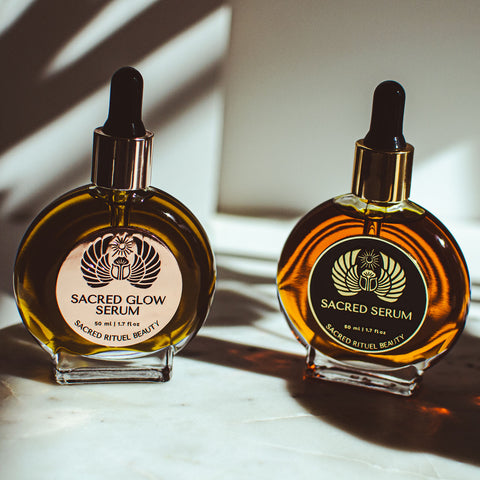
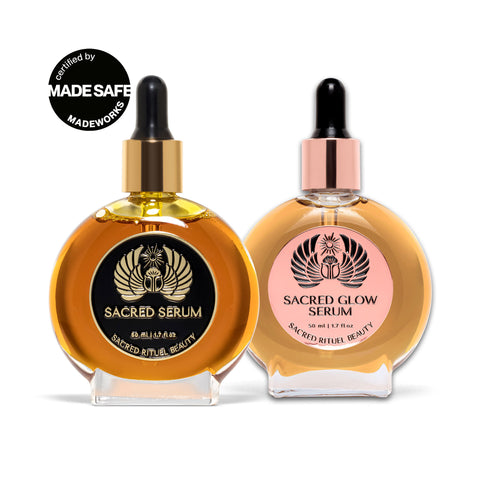
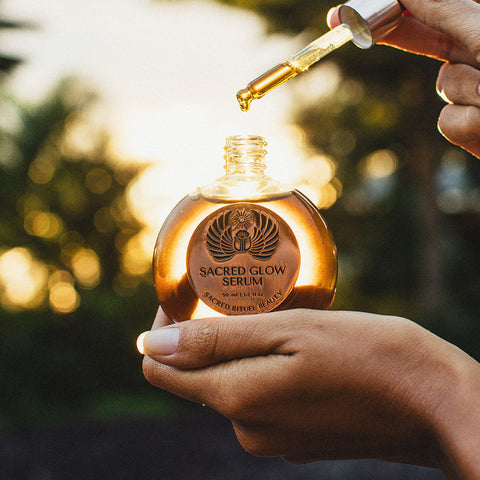
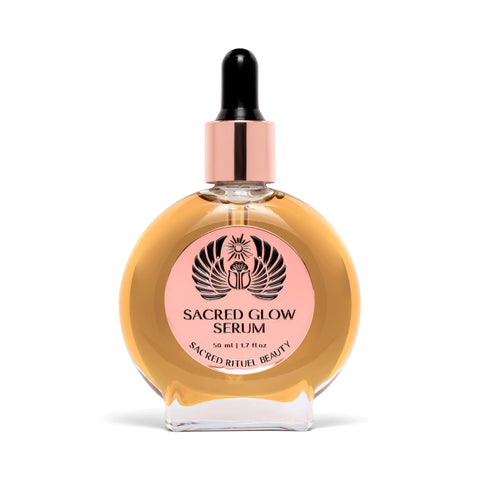
One gentle step many people reach for is our Sacred Serum face oil, a cold-pressed blend of 14 whole-plant botanical oils that supports the skin's moisture barrier with fatty acids and antioxidants. Its Rosehip Oil and Sea Buckthorn Oil carotenoids are ingredients customers associate with brighter, more even-looking skin. In our reviews, many people focused on dark marks describe that their dark spots have diminished in appearance, and many note their skin tone starting to even out.
Why is my acne hyperpigmentation not going away?
When you get a pimple, your skin is dealing with inflammation, and that inflammation is part of the skin's natural healing process. In some people the area produces more melanin as it settles, which can leave the spot looking darker than the surrounding skin. If marks are not fading, it is usually because breakouts are still happening, the area is getting UV exposure without protection, or the marks are simply deep enough to take months of patient, consistent care.
The severity of the marks often depends on a few things, like the type of acne, your skin tone, and whether the spot was picked at or popped. Messing with a breakout tends to make the mark more noticeable because it increases inflammation, so the gentlest move is to leave it alone. If your breakouts are persistent, painful, or cystic, that is worth raising with a dermatologist, and you can read more about what triggers sudden cystic acne and how it relates to Accutane.
It is also worth mentioning that UV exposure can make these marks look darker, so daily sun protection is one of the most helpful habits. Dryness can play a role too, and here is more on the link between dry skin and acne, which Accutane users in particular notice.

Types Of Hyperpigmentation Linked To Acne
Not all post-breakout marks are the same, and understanding the differences can help you choose a gentle routine and know when to ask for guidance. Here are the two most common types you will see after a breakout:
Post-Inflammatory Hyperpigmentation (PIH)
Post-inflammatory hyperpigmentation, or PIH, is the most common kind of discoloration that shows up after acne. It appears as flat, darker-looking spots that can range from pink to brown depending on your skin tone. PIH usually becomes less noticeable over time on its own, though it can take months without care, and a gentle, sun-aware routine supports a more even-looking tone along the way.
Post-Inflammatory Erythema (PIE)
Post-inflammatory erythema, or PIE, is often confused with PIH but is a little different. Instead of darker spots, PIE looks like red or purplish marks left behind after a breakout settles. These marks are linked to changes in the tiny blood vessels under the skin during inflammation rather than to extra melanin. PIE is more common on lighter skin tones and can take time to fade. If red marks are persistent or you are unsure what you are seeing, a dermatologist can take a look.
How can I support more even-looking skin after breakouts?
There is no overnight fix for post-breakout marks. The gentlest approach is a calm, consistent routine that supports the skin barrier and protects against further darkening, with the goal of a more even-looking tone over time rather than an instant change. A few habits make the biggest difference:
- Protect from the sun every day. Daily broad-spectrum sun protection is the single most helpful habit, since UV exposure is a common reason marks look darker.
- Keep the routine gentle and consistent. Harsh products can irritate skin, and irritation is a common lead-in to darker-looking marks. A gentle cleanser lifts away makeup, sunscreen, and the day without stripping the skin.
- Nourish the barrier with whole-plant oils. A cold-pressed oil like the Sacred Serum face oil supports the moisture barrier with fatty acids and antioxidants. Its Rosehip Oil is a natural source of vitamin C and carotenoids, while Sea Buckthorn Oil and Blackberry Seed Oil add carotenoids and fatty acids, ingredients many customers associate with a brighter, more even-looking tone.
- Do not pick at breakouts. Picking increases inflammation and makes a darker-looking mark more likely. Let a spot settle on its own.
- Be patient and consistent. A visible change in the look of marks usually takes several weeks to a few months of steady care.
A simple daily ritual makes this easy to keep up: cleanse with Cosmic Cleansing Oil, then press Sacred Serum into slightly damp skin. The Sacred routine set pairs the serum with rose toner and body oil for the rest of your skin. Many people on a drying routine reach for a gentle whole-plant oil like this to support the look and feel of comfortable, hydrated skin.
If breakouts or marks are persistent, a dermatologist can talk through the options that suit your skin and skin tone. Hormonal patterns matter too, and you can read more about how long hormonal acne tends to last before it clears up.
A Note On Common Brightening Ingredients
Vitamin C is one ingredient many people associate with the look of a brighter, more even tone, and it occurs naturally in the rosehip and sea buckthorn that go into Sacred Serum. Beyond what a whole-plant oil offers, a dermatologist can talk you through prescription or clinical options if you want them, and because some of those can cause side effects they are best used under professional guidance. Sacred Serum is not a substitute for any of those options; it is a gentle, whole-plant oil that supports the barrier and a more even-looking tone as part of a calm routine, and it is a good idea to talk to a dermatologist before layering it with other treatments.
Preventing Acne And Hyperpigmentation
Prevention is always gentler than chasing marks after the fact, and a few steady habits can lower the chances of both breakouts and the darker-looking marks they leave behind. Here is how:
Stick To A Consistent Skincare Routine
A gentle, consistent routine supports calmer-looking skin. Cleanse to lift away dirt, oil, and makeup, then nourish the barrier with a lightweight oil or moisturizer suited to your skin. A whole-plant oil such as the Sacred Serum blend hydrates without a heavy, greasy feel, which many customers note keeps skin comfortable rather than congested.
Always Wear Sunscreen
Sunscreen is your best everyday defense against darker-looking marks. When skin is settling after a breakout it is especially vulnerable to darkening from UV rays, so a broad-spectrum sunscreen of at least SPF 30, applied every morning, helps keep marks from looking darker. Sacred Serum is a nourishing oil, not a sunscreen, so always pair it with dedicated sun protection.
Avoid Picking Or Popping Pimples
This one is tough, but picking at a breakout increases inflammation and makes a darker-looking mark, or even a scar, more likely. Let the spot settle on its own and handle the area gently.
Keep An Eye On Diet And Stress Levels
Breakouts can sometimes be linked to diet or stress. Foods high in sugar and dairy seem to be a trigger for some people, so it can be worth noticing patterns. Managing stress through movement, mindfulness, or rest supports your skin's natural resilience too. Cold weather can also play a part, as in how winter conditions can trigger acne and affect Accutane users.

Patch-Testing A New Oil
Before adding any new oil to your routine, patch test it first. Apply a small amount of Sacred Serum on your inner arm and leave it for 24 hours before using it on your face. Skin that is settling after breakouts can be sensitive, and a reaction can itself leave a darker-looking, post-inflammatory mark, so this simple step is worth the wait.
When To See A Dermatologist
Most post-breakout marks are a cosmetic concern you can support at home with daily sun protection and a gentle routine. It is worth seeing a board-certified dermatologist if your acne is persistent, painful, cystic, or spreading, or if you have marks you suspect may be melasma, since true melasma needs professional guidance and is not something to self-diagnose. If you are using a prescription such as Accutane, that is prescribed and monitored by a dermatologist, so always follow their guidance and never start, stop, or change a prescription on your own. A dermatologist can confirm what is going on and discuss the approaches that suit your skin and skin tone, including any prescription options.
Final Thoughts
Dealing with post-breakout marks can feel like a never-ending battle, but a calm, consistent approach helps you support your skin over time. Understanding why the marks happen, whether from extra melanin or from changes in tiny blood vessels, helps you respond gently rather than aggressively. Daily sun protection, not picking at breakouts, and a nourishing whole-plant oil like our Sacred Serum all support a more even-looking tone.
The key is patience. The look of these marks changes gradually, but staying consistent with your routine and protective habits gets you there. Your skin is unique, so it can take some trial and error to find what works best for you, and if marks are persistent or you suspect melasma, a dermatologist can tailor guidance to your needs.
Sources:
- Chaikul, P., Kanlayavattanakul, M., Somkumnerd, J., & Lourith, N. (2021). Phyllanthus emblica L.(amla) branch: A safe and effective ingredient against skin aging. Journal of Traditional and Complementary Medicine, 11(5), 390-399.
- Valerón-Almazán, P., Gómez-Duaso, A. J., Santana-Molina, N., García-Bello, M. A., & Carretero, G. (2015). Evolution of post-surgical scars treated with pure rosehip seed oil. Journal of Cosmetics, Dermatological Sciences and Applications, 5(2), 161-167.
- Li, Q., Wang, J., & Shahidi, F. (2016). Chemical characteristics of cold-pressed blackberry, black raspberry, and blueberry seed oils and the role of the minor components in their oxidative stability. Journal of Agricultural and Food Chemistry, 64(26), 5410-5416.
Frequently Asked Questions
What is the difference between acne pigmentation and hyperpigmentation?
Acne pigmentation is the term for darker-looking marks left specifically by a breakout, while hyperpigmentation is the broader word for any darkening of the skin from extra melanin, whatever the cause. Both describe the appearance of the skin, not a scar. A gentle, sun-aware routine supports a more even-looking tone over time.
Why is my acne hyperpigmentation not going away?
Marks often linger because breakouts are still happening, the area is getting UV exposure without protection, or the marks are simply deep enough to take months of patient care. Daily sun protection, not picking at breakouts, and a gentle routine all help. If marks are persistent or you suspect melasma, a board-certified dermatologist can guide you.
Is acne hyperpigmentation permanent?
Post-breakout marks are usually not permanent. With a consistent, gentle routine and daily sun protection, they tend to become less noticeable over weeks to months, though some take longer than others. True scars are different from pigment marks, so if you are unsure what you are seeing, a dermatologist can tell them apart and advise.
Why do pimples turn into hyperpigmentation (PIH)?
When a pimple is inflamed, that inflammation can prompt the surrounding skin to produce extra melanin as it settles, leaving a flat, darker-looking mark called post-inflammatory hyperpigmentation. Picking at a breakout increases the inflammation and makes a mark more likely, so the gentlest move is to leave the spot alone and protect it from the sun.
How can I support more even-looking skin after breakouts?
A gentle, consistent routine is the natural approach: protect skin from the sun every day, keep products non-irritating, do not pick at breakouts, and nourish the barrier with a cold-pressed, whole-plant oil. Sacred Serum's rosehip is a natural source of vitamin C and carotenoids, with sea buckthorn and blackberry seed oils adding more, ingredients many customers associate with a brighter, more even-looking tone. In our reviews, many people focused on dark marks describe that their dark spots have diminished in appearance. Give it weeks to months, and see a dermatologist if marks are persistent.
Radiance Is Personal. Let’s Reveal Yours...
All Day Glow Essentials