
The Real Benefits Of Using Herbal Skincare
The real benefit of herbal skincare is that it feeds your skin with whole plants instead of isolated chemistry, and whole plants do more for skin than the sum of their parts. A botanical formula brings the fatty acids, antioxidants, polyphenols, and vitamin cofactors of the plant kept together, and that full phytocomplex works in concert in a way no single synthesized molecule can replicate (Russo 2019). Plant oils are also documented to support and repair the skin's moisture barrier, and because they share the structure of skin's own lipids, they sink in and reinforce that barrier rather than sitting on top (Lin et al. 2018). This is the tradition Sacred Rituel is built on: every product is formulated by folk herbalist Marysia Miernowska, founder of the School of the Sacred Wild, and our hero Sacred Serum is a cold-pressed, whole-plant face oil made from fourteen organic botanical oils. It is also what people in our community tell us: many describe a healthy glow, lasting moisture, and softer skin, one writing simply that it is "magic in a bottle." A note of good practice: patch test any new oil on your inner arm first.
Key Takeaways:
- Whole plants outperform isolated actives: Herbal skincare delivers the full phytocomplex of the plant, its fatty acids, antioxidants, polyphenols, and vitamin cofactors kept together, and that synergy does more for skin than any single synthesized molecule (Russo 2019).
- Plant oils nourish and reinforce the barrier: Botanical oils are documented to support and repair the skin's moisture barrier, and because they are compatible with skin's own lipids they sink in to condition rather than sit on top (Lin et al. 2018).
- Cold-pressed and whole matters: Cold-pressing preserves the delicate antioxidants, tocopherols, and carotenoids that heat and solvents destroy, which is why our Sacred Serum is built from fourteen cold-pressed organic botanical oils.
Does your skin keep searching for balance no matter how many products you try? So much of conventional skincare chases quick fixes with isolated, lab-made actives, leaving skin reliant on the next step instead of genuinely nourished. Herbal skincare takes a different and, frankly, older path: it works with the plant kingdom that has cared for skin for centuries, and it works.
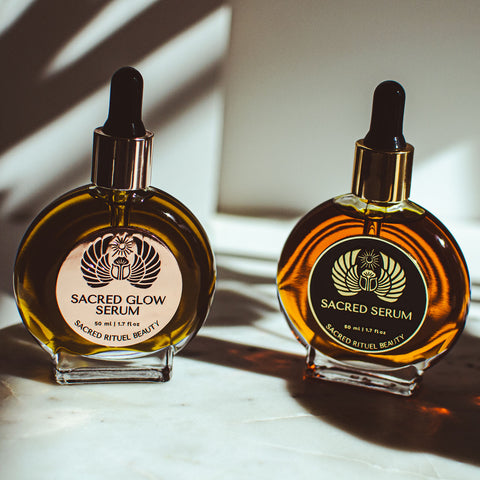
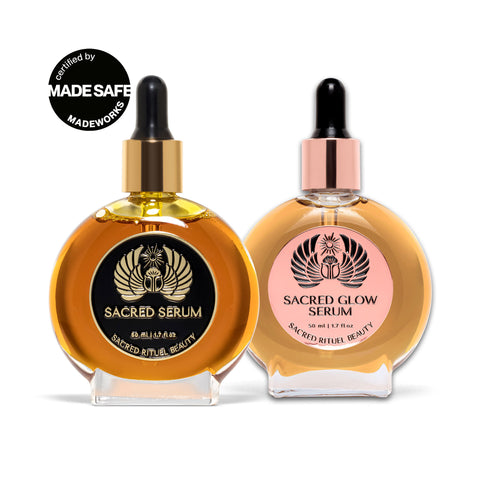
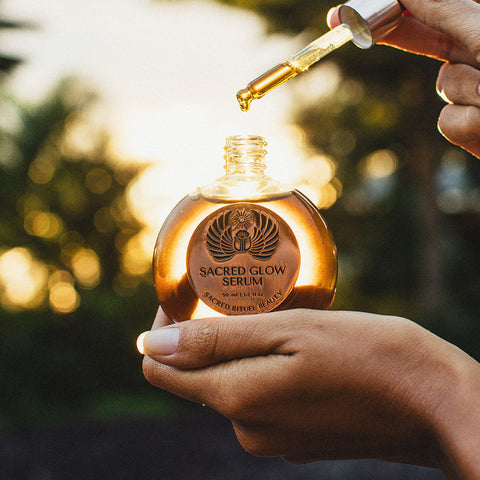
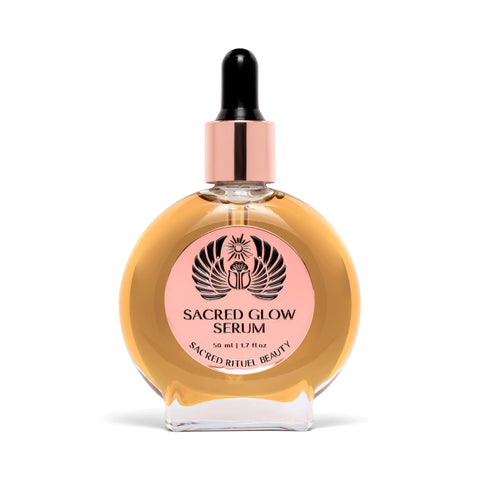
At Sacred Rituel, every product is formulated by folk herbalist Marysia Miernowska, founder of the School of the Sacred Wild, from cold-pressed, whole-plant botanicals chosen for what plants actually do for skin. Our hero is Sacred Serum, a single-step face oil built from a whole-plant phytocomplex of fourteen organic botanical oils, herbal infusions, and specialty extracts.
In this guide we will define what herbal skincare really is, look at the science of why whole plants nourish skin so well, walk through the ingredient heroes worth knowing, show how herbal formulas adapt across skin types, and help you tell a genuinely botanical product from a marketing label.
What Is Herbal Skincare?
Herbal skincare means caring for your skin with whole plants, drawing on the fatty acids, antioxidants, vitamins, and aromatic compounds that botanicals naturally hold, rather than on synthetic additives or single isolated actives. Where conventional formulas often build around one lab-made molecule, an herbal formula keeps the whole plant intact, so the skin receives the full spectrum of what that plant offers.
This is not a trend. The herbalist tradition behind these botanicals carries centuries of observation, and modern science is steadily confirming what herbalists have long known. The plant world is rich with compounds that nourish and soothe skin, and the most rewarding way to receive them is the way the plant made them: together, in their natural matrix, gently extracted so nothing delicate is lost.

The Science Of Why Whole Plants Nourish Skin
Confidence in herbal skincare is not wishful thinking. There is real science behind why a whole-plant formula nourishes skin so well, and it is worth understanding so you can choose with intention. Here is what the research actually shows.
The Whole Plant Does More Than Its Parts
A plant is not one active ingredient; it is a phytocomplex of many compounds that work together. Research on the entourage effect describes how the full spectrum of a plant's constituents can act in concert, so the whole is more effective than any isolated molecule taken alone (Russo 2019). This is the heart of the herbalist tradition: the plant already holds its actives in balance, alongside the cofactors that help skin make use of them. Stripping a plant down to a single synthesized molecule throws that balance away.
Plant Oils Are Compatible With Your Skin
Plant oils are documented to support and repair the skin's moisture barrier, and because their lipids share the structure of the skin's own, they are compatible with its natural lipid matrix (Lin et al. 2018). Rather than coating the surface, a botanical oil sinks in to condition the deeper layers of the outer skin and reinforce the barrier that holds moisture in. Our Sacred Serum is formulated on exactly this principle, and people in our community feel the difference, with many describing lasting moisture and one writing that her skin is "radiant, hydrated, glowing."
Natural Nutrients Come With Their Cofactors
Form matters as much as the nutrient itself. Vitamin C delivered in a whole-food plant matrix arrives with the cofactors that aid its uptake, which research links to greater bioavailability than an isolated form (Carr and Vissers 2013). Natural vitamin E is the same story: in nature it is a full family of tocopherols and tocotrienols, while a synthetic version is usually a single fraction. Whole-plant skincare gives skin the complete, balanced version the plant evolved, not a stripped-down imitation.

The Herbal Ingredient Heroes Worth Knowing
Once you know a few botanicals well, reading an herbal label becomes a pleasure rather than a guessing game. These are some of the plant heroes that earn their place in a whole-plant face oil, and what the science and the herbalist tradition say each one does for skin.
- Jojoba Oil: Technically a liquid wax, jojoba's wax esters closely resemble the skin's own sebum, which is why it absorbs so readily and suits nearly every skin type. It is balancing and nourishing, a true cornerstone of botanical skincare.
- Rosehip Oil: A natural source of vitamin C and carotenoids, rosehip is clinically shown to improve the look of redness and discoloration, which is why it is so beloved for supporting an even, radiant complexion.
- Pomegranate Seed Oil: Rich in punicic acid and polyphenol antioxidants, pomegranate is a prized botanical for supporting the look of firm, supple, resilient skin.
- Sea Buckthorn: One of the most carotenoid-rich oils in the plant world, sea buckthorn brings a wealth of antioxidants and supports a luminous, nourished glow.
- Chamomile and Calendula: Gentle herbal infusions long relied on in the herbalist tradition to soothe the look and feel of sensitive, easily irritated skin.
The real magic is not in any one of these alone but in the way a thoughtful herbalist composes them into a whole-plant blend, layering their gifts into something greater than the sum of its drops. If you are new to this world, our guide to jojoba oil for skin is a lovely place to go deeper.
How Herbal Skincare Works With Different Skin Types
One of the quiet strengths of herbal skincare is its adaptability. Because whole-plant ingredients are rich in balancing natural compounds rather than aggressive synthetics, they tend to meet skin where it is. Here is how different skin types respond to whole-plant formulas.
- For Sensitive Skin: Soothing botanicals like chamomile, calendula, and rose support comfort and calm the look of redness without harsh chemicals. Many people with reactive skin tell us this is where herbal oils shine, one writing that with our serum her "skin has never been so calm."
- For Oily or Combination Skin: A jojoba-rich blend is naturally balancing, because jojoba's resemblance to sebum helps oily and dry areas alike. People consistently tell us a whole-plant oil absorbs cleanly, one noting it works "without leaving a greasy residue." If congestion is a concern, it is worth knowing your ingredients, so see our guide on pore-clogging ingredients to avoid.
- For Dry or Mature Skin: Rich plant oils like rosehip and pomegranate deliver fatty acids and antioxidants that condition thirsty skin and support a supple, smoother-looking complexion. Many in our community describe softer skin and the look of fine lines softening over time.
- For Normal Skin Seeking A Glow: A whole-plant face oil keeps healthy skin radiant and nourished. A recurring theme in our reviews is the compliments, one customer writing that "everyone stops me to say wow you're glowing."
This adaptability is part of why a single well-made botanical oil can simplify a whole shelf of products. If a pared-back routine appeals to you, you may enjoy our roundup of the best minimalist skincare brands.

How To Tell Genuine Herbal Skincare From A Label
With so many brands labeling themselves "natural" or "clean," it helps to know what genuinely sets a whole-plant formula apart. Keep these in mind, and you will choose with real confidence.
Look For Cold-Pressed, Whole-Plant Oils
Cold-pressing extracts oil without heat, which preserves the delicate antioxidants, tocopherols, polyphenols, and carotenoids that heat and chemical solvents destroy. A whole-plant oil keeps the full spectrum of the plant intact rather than isolating a single fraction. This is why purity and method matter as much as the plant on the label.
Prioritize Ingredient Transparency
Brands confident in their formulas list every ingredient plainly, botanical oils, herbal infusions, and essential oils alike. Transparency lets you recognize what you are putting on your skin and steer clear of vague terms like "proprietary blend." An honest, fully disclosed plant list is the sign of a maker with nothing to hide.
Choose Certified Organic And Truly Clean
Certified organic botanicals are grown without synthetic pesticides, which is gentler on your skin and on the earth. It is also worth choosing fragrance-free formulas: synthetic fragrance is a common trigger for sensitive skin, so the scent of a true herbal product should come from the plants themselves and nothing added. Sacred Serum is USDA Organic, MADE SAFE, and Leaping Bunny certified, and its aroma comes entirely from its botanicals.
Building A Simple Herbal Ritual
The beauty of whole-plant skincare is that it does not require a crowded shelf. A few well-made botanical steps, used consistently, do more than a dozen single-active products chasing quick fixes.
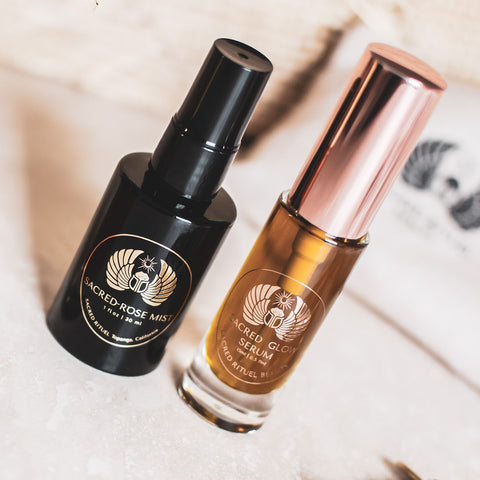
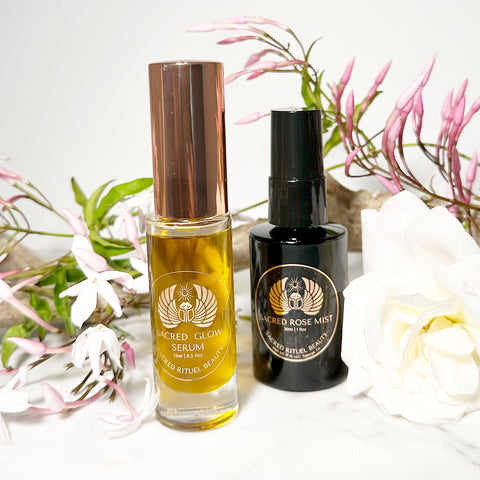
A simple daily ritual can be as easy as misting clean skin and pressing in a whole-plant face oil. For the face, a dedicated facial oil like Sacred Serum is the heart of it: one pump pressed into clean, slightly damp skin in the morning. If you would like the whole ritual together, the Sacred routine set pairs the serum with a rose mist and a whole-plant body oil, so face and body are cared for as one. And on days you want to slow down, a botanical mask is a lovely addition: our guide to DIY face masks for glowing skin is full of plant-based ideas.
Whenever you add a new oil to your routine, it is good practice to patch test it first. Apply a small amount to your inner arm and leave it for 24 hours; if your skin stays comfortable, you are good to use it more widely.
Final Thoughts
Herbal skincare is not a softer, lesser version of "real" skincare. It is skincare in its most complete form: the whole plant, gently extracted, given to your skin with its actives and cofactors intact. The science is clear that whole-plant oils support the moisture barrier and that natural nutrients arrive in a more usable form, and the herbalist tradition behind these botanicals carries centuries of confirmation.
That is the tradition Marysia built Sacred Rituel on, and it is what our community tells us every day, in their own words: a healthy glow, lasting moisture, calmer-looking skin, and softness they did not expect from something so simple. If you want skin that feels genuinely nourished rather than merely managed, the plant world is the most generous place to begin.
Sources:
- Hoang, H. T., Moon, J.-Y., & Lee, Y.-C. (2021). Natural Antioxidants from Plant Extracts in Skincare Cosmetics: Recent Applications, Challenges and Perspectives. Cosmetics, 8(4), 106. https://doi.org/10.3390/cosmetics8040106
- Schagen, S. K., Zampeli, V. A., Makrantonaki, E., & Zouboulis, C. C. (2012). Discovering the link between nutrition and skin aging. Dermato-Endocrinology, 4(3), 298-307. https://doi.org/10.4161/derm.22876
- Abdalla, S., Aroua, M. K., & Gew, L. T. (2024). A Comprehensive Review of Plant-Based Cosmetic Oils (Virgin Coconut Oil, Olive Oil, Argan Oil, and Jojoba Oil): Chemical and Biological Properties and Their Cosmeceutical Applications. ACS Omega, 9(44). https://doi.org/10.1021/acsomega.4c04277
- Silva, D., Ferreira, M. S., Sousa-Lobo, J. M., Cruz, M. T., & Almeida, I. F. (2021). Anti-Inflammatory Activity of Calendula officinalis L. Flower Extract. Cosmetics, 8(2), 31. https://doi.org/10.3390/cosmetics8020031
- Russo, E. B. (2019). The Case for the Entourage Effect and Conventional Breeding of Clinical Cannabis: No “Strain,” No Gain. Frontiers in Plant Science, 9, 1969. https://doi.org/10.3389/fpls.2018.01969
- Lin, T.-K., Zhong, L., & Santiago, J. (2018). Anti-Inflammatory and Skin Barrier Repair Effects of Topical Application of Some Plant Oils. International Journal of Molecular Sciences, 19(1), 70. https://doi.org/10.3390/ijms19010070
- Carr, A. C., & Vissers, M. C. M. (2013). Synthetic or Food-Derived Vitamin C: Are They Equally Bioavailable? Nutrients, 5(11), 4284-4304. https://doi.org/10.3390/nu5114284
Frequently Asked Questions
Do herbal skincare products expire faster than synthetic ones?
Whole-plant products often carry fewer synthetic preservatives, so a sensible shelf life is part of their honesty. Cold-pressed botanical oils stay potent for many months when kept away from heat and direct light, which is also why the best are bottled in light-shielding glass. Use a clean, dry applicator, store your oil somewhere cool, and check the packaging for the recommended use-by window. A fresh, well-stored botanical oil is delivering its antioxidants at full strength, which is exactly what you want from herbal skincare.
Can herbal skincare help with hormonal skin changes?
Whole-plant skincare adapts beautifully to skin that shifts with hormonal changes, because balancing botanicals meet skin where it is rather than forcing it. A jojoba-rich face oil resembles the skin's own sebum, so it suits skin that swings between oily and dry, and soothing botanicals like rose and calendula support the look of calm, comfortable skin. People navigating these shifts often tell us a whole-plant oil keeps their skin feeling balanced and looking its best. Many in our community with sensitive, changeable skin describe a noticeable calm, one writing her "skin has never been so calm."
How does herbal skincare differ from clean beauty products?
"Clean beauty" is a broad marketing term that mainly tells you what is left out. Herbal skincare is a positive philosophy about what goes in: whole plants, gently extracted, with their fatty acids, antioxidants, and vitamin cofactors kept together rather than isolated. A clean product can still be built around synthetic actives; a true herbal formula draws its benefits from the plant kingdom itself. The whole-plant approach also tends to favor cold-pressing and full ingredient transparency, so you know exactly which botanicals you are giving your skin.
Will herbal products work if I live in a polluted city environment?
Yes, and this is where antioxidant-rich botanicals truly shine. City air exposes skin to free radicals, and whole-plant oils are abundant in the antioxidants, polyphenols, and carotenoids that help defend against that oxidative stress, exactly the actives cold-pressing preserves. Ingredients like rosehip and sea buckthorn are especially carotenoid-rich. Pressing a botanical oil into clean skin in the morning gives city skin a nourishing layer of plant antioxidants, and it pairs well with a dedicated daytime SPF for fuller protection.
Can herbal skincare help minimize fine lines naturally?
Whole-plant oils are a wonderful, gentle way to support the look of smoother, more supple skin. Botanicals like rosehip, a natural source of vitamin C and carotenoids, are clinically associated with improving the look of an uneven complexion, and pomegranate's antioxidants support a firm, resilient appearance. Consistency is what matters: used daily over time, a nourishing botanical oil helps soften the look of fine lines. Many people in our community tell us exactly this, one writing that her "fine lines are even fading."
Are herbal skincare products suitable for teenagers?
Yes, gentle whole-plant skincare is a lovely way for teens to start a simple routine. Lightweight botanicals like jojoba resemble the skin's own sebum and absorb without leaving a greasy residue, so they suit younger, often oilier skin without stripping it. A pared-back ritual of cleansing gently and pressing in a little whole-plant oil teaches good habits early. As always, patch test a new oil first, and for any persistent skin concern it is worth checking in with a dermatologist.
Radiance Is Personal. Let’s Reveal Yours...
All Day Glow Essentials