Fungal Acne vs Hormonal Acne: How To Tell Them Apart And Support Each
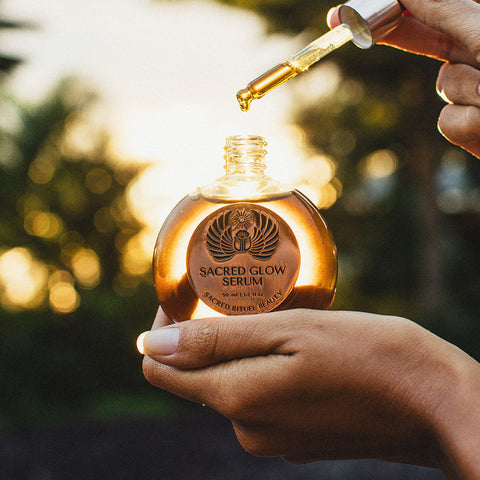
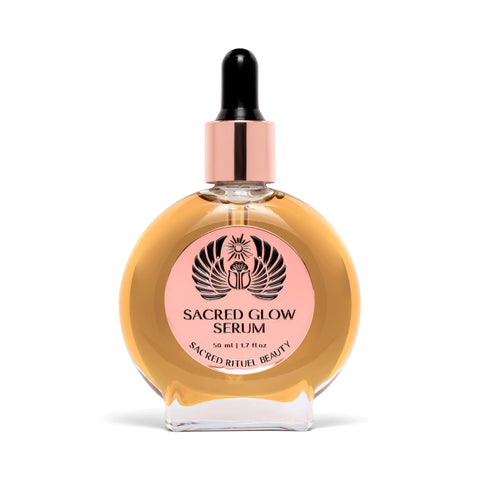
Fungal acne and hormonal acne look similar but come from different places: fungal acne (Malassezia folliculitis) is an overgrowth of the skin's natural yeast and shows up as small, uniform, often itchy bumps on oilier areas like the chest, back, and forehead, while hormonal acne is tied to hormone shifts and tends to settle as deeper, tender breakouts along the jawline and chin. Telling them apart matters because they call for different professional care, so a board-certified dermatologist is the right person to confirm which you have. Alongside that guidance, a calm, fragrance-free routine and a nourishing whole-plant oil like Sacred Serum can support the look and feel of comfortable, balanced skin, with many customers describing fewer visible breakouts and a healthy glow over time.
Key Takeaways:
- Two different roots: Fungal acne is an overgrowth of the skin's natural yeast (Malassezia), while hormonal acne is tied to shifts in hormone levels. They can look alike but call for different professional care.
- How to read your skin: Fungal acne tends to be small, uniform, itchy bumps in clusters on oilier areas; hormonal acne tends to be deeper, tender breakouts along the jawline and chin that flare on a cycle.
- Appearance-side support: A gentle, fragrance-free routine and a nourishing whole-plant oil such as Sacred Serum face oil can support the look and feel of calm, comfortable skin alongside whatever care a dermatologist recommends.
- When to get guidance: Persistent, painful, cystic, or spreading breakouts, or acne that does not respond to gentle care, are worth a visit to a board-certified dermatologist.
At Sacred Rituel, we work with cold-pressed, whole-plant botanicals to nourish skin and support its moisture barrier. Fungal acne and hormonal acne are two of the most commonly confused breakout types, and the difference matters because each one is managed differently with professional care. This article explains how to tell them apart, what tends to trigger each, and how a calm, consistent routine can support the look and feel of your skin while you work with a dermatologist on the right plan for you.
What Is Hormonal Acne?
Hormonal acne is acne that is influenced by fluctuations in hormone levels. It is common in teenagers going through puberty, in people during menstrual cycles, pregnancy, or menopause, and in those with conditions like polycystic ovary syndrome (PCOS). It typically appears on the lower part of the face, including the jawline, chin, and around the mouth, and is often deeper, tender, and slower to settle than surface breakouts. Because it is driven by hormones, it tends to flare in sync with hormonal changes, and any medical approach to it is something to discuss with a dermatologist or healthcare provider.
While you work out the right care with a professional, a gentle routine still matters. Many people on a drying or breakout-prone routine reach for a whole-plant oil like the Sacred Serum blend to support the look and feel of comfortable, hydrated skin without a heavy, greasy finish. If sudden deep breakouts are your main concern, you may also find it helpful to read about what triggers sudden cystic acne and how it relates to Accutane.
What Is Fungal Acne?
Fungal acne, also known as Malassezia folliculitis or pityrosporum folliculitis, is caused by an overgrowth of yeast within the hair follicles. Unlike typical acne, which is often associated with bacteria, fungal acne involves Malassezia, a yeast that naturally lives on everyone's skin. When it grows out of balance, it can show up as small, uniform bumps that are often itchy. These tend to appear where there are more oil glands, such as the chest, back, and sometimes the face. Fungal acne is frequently mistaken for regular acne, which is exactly why a professional assessment is so useful before settling on any approach.
Because fungal acne thrives in warm, damp conditions, keeping the skin clean and comfortable helps the look of it. A lightweight, fragrance-free oil blend like our Sacred Serum is built from cold-pressed botanicals chosen to feel comfortable on the skin rather than heavy, and pairing it with a gentle cleanser at the end of the day helps lift away the sweat and buildup that can leave skin feeling congested.

What is fungal acne and how does it differ from regular acne?
Although fungal acne and hormonal acne can look alike at first glance, they have distinct differences that are worth recognizing so you can get the right professional care.
- Cause: The main difference is the root. Fungal acne is an overgrowth of yeast within the hair follicles, while hormonal acne is tied to fluctuations in hormone levels.
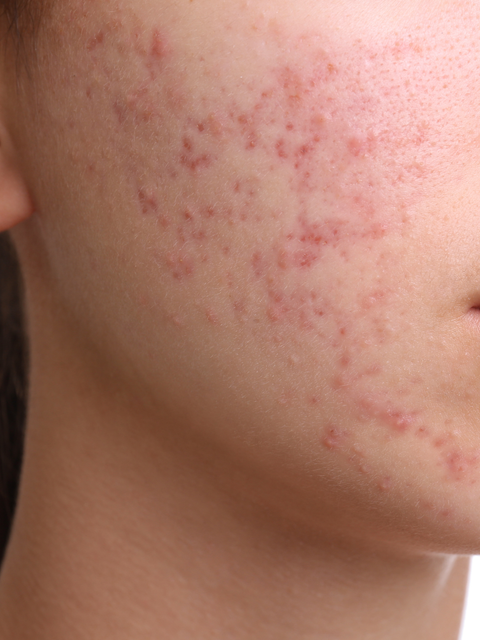
- Appearance: Fungal acne usually shows up as small, uniform bumps that may be itchy and often appear in clusters, typically on areas with more oil glands like the chest, back, and sometimes the face. Hormonal acne tends to show up as deeper, tender breakouts, often along the jawline and chin.
- Location: Fungal acne is more common on the body (chest, back, and sometimes face), whereas hormonal acne mostly affects the lower face, including the jawline and chin.
- Professional care: Because the two have different roots, a dermatologist will approach them differently. Fungal folliculitis and hormonal breakouts are each managed in their own way, which is why an accurate diagnosis comes first, before any product or prescription decision.
Recognizing these differences helps you describe what you are seeing to a dermatologist, who can confirm the type and guide care. Whatever the diagnosis, a calm daily ritual supports the look and feel of your skin alongside it. The Sacred routine set pairs Sacred Serum with Rose Toner and Body Oil for a simple, fragrance-free routine you can keep up consistently.
How To Identify Fungal Acne
Fungal acne is often mistaken for bacterial acne because the two can look similar. Understanding its key characteristics can help you describe what you are seeing to a dermatologist, who can confirm whether it is fungal and guide the right care. Here are the signs that tend to point toward fungal acne.
Appearance: Recognizing The Look Of Fungal Acne
Fungal acne typically shows up as small, uniform bumps that are often itchy. Unlike bacterial acne, these usually do not develop into blackheads or whiteheads. They tend to appear in clusters, giving the skin a bumpy texture rather than isolated lesions. That uniformity is a useful clue that you might be dealing with fungal rather than bacterial acne.
Location: Identifying Common Areas Affected By Fungal Acne
Fungal acne commonly affects areas with higher oil production, such as the chest, back, shoulders, and sometimes the forehead. While it can appear on the face, it is more often found on the body. Its tendency to cluster where sweat and oil build up is another clue, since those conditions create a friendly environment for yeast.
Itching: A Key Symptom Of Fungal Acne
One of the most distinguishing features of fungal acne is itching. If your breakout is itchy, it is more likely to be fungal than bacterial or hormonal. This is a helpful detail to mention to a dermatologist, since itchiness alongside uniform bumps is a common fungal-acne pattern.
Triggers: Understanding What Can Worsen Fungal Acne
Fungal acne can be set off or worsened by hot, humid weather, heavy sweating, and occlusive products that trap moisture against the skin. These create the warm, damp conditions where yeast tends to flourish. Recognizing your own triggers helps you keep skin comfortable. Showering after a workout, choosing breathable fabrics, and keeping your routine light and fragrance-free all help the look and feel of the skin.
Response To Care: Why Fungal Acne Behaves Differently
Fungal acne does not tend to respond to standard bacterial-acne products, and if breakouts persist or worsen after those, it may be fungal. This is an important signal to bring to a dermatologist rather than guessing, since the management of fungal folliculitis is genuinely different. A lack of improvement with standard acne products is a strong reason to get a professional assessment.
How can I tell if I have hormonal acne?
Hormonal acne is influenced by fluctuations in hormone levels, and it has a few recognizable features in its location, timing, and the type of breakouts it tends to produce. Understanding these can help you recognize the pattern early and bring it to a dermatologist or healthcare provider for the right guidance.
Location: Recognizing The Hormonal Belt
Hormonal acne typically appears on the lower part of the face, particularly the jawline, chin, and sometimes the neck. This pattern is often called the hormonal belt. Breakouts in these areas are a strong hint that hormonal shifts are at play, since this part of the face tends to be more sensitive to those changes than the forehead or cheeks.
Timing: The Cyclical Nature Of Hormonal Acne
One of the most telling signs of hormonal acne is its cyclical pattern. For many people, flare-ups line up with the menstrual cycle, often a week or so before a period. Hormonal acne can also become more pronounced during pregnancy, menopause, or with conditions like PCOS. If you are wondering about the bigger timeline, you may find it helpful to read how long hormonal acne tends to last and when it clears up.
Type Of Breakouts: Deeper, Tender Lesions
Hormonal acne is often marked by deeper, tender breakouts rather than surface blackheads or whiteheads. Because these sit lower in the skin, they can be slower to settle and are best assessed by a dermatologist, who can talk through options and help reduce the chance of marks being left behind.
Triggers: What Can Worsen Hormonal Acne
Hormonal fluctuations are the main driver, but other things can add to it. Stress is a significant contributor, and diet can play a role too, particularly high-glycemic foods and dairy for some people. Certain medications can also influence hormonal breakouts, which is one more reason to talk things through with a healthcare provider rather than self-managing.
Other Signs: Recognizing A Wider Hormonal Picture
Sometimes hormonal acne comes alongside other signs of a hormonal pattern. People with PCOS, for example, may notice irregular cycles, extra hair growth, or other changes alongside breakouts. These additional signs are worth mentioning to a healthcare provider, since they point toward a fuller picture that a professional can assess.
Supporting The Look And Feel Of Your Skin Day To Day
Whatever a dermatologist confirms, a calm, consistent routine supports how your skin looks and feels while you work on the underlying picture. The aim here is comfort and resilience, not a quick fix, and the same gentle habits help both fungal-prone and hormonal-prone skin.
- Keep skin clean and comfortable. Showering after sweating, choosing breathable clothing, and removing the day's buildup with a gentle cleanser helps skin feel fresh, which matters most for fungal-prone areas where dampness lingers.
- Choose light, fragrance-free products. Heavy, strongly fragranced products can irritate skin and feel occlusive. A lightweight whole-plant oil that absorbs cleanly is gentler company for breakout-prone skin.
- Nourish the barrier with whole-plant oils. A cold-pressed blend like Sacred Serum face oil is rich in fatty acids, antioxidants, and polyphenols that support the look of the moisture barrier. Its Jojoba Oil closely mirrors the skin's own lipids, so it feels hydrating without a greasy finish, something many customers describe as hydrating without clogging.
- Patch test anything new. Before applying a new oil to your face, patch test it on your inner arm and wait 24 hours to make sure your skin is comfortable with it. Breakout-prone skin can be reactive, and patch testing first is the gentlest way to introduce anything new.
- Be patient and consistent. The look and feel of skin shifts gradually with steady care, usually over several weeks, so consistency matters more than any single product.
A simple daily ritual makes this easy to keep up. Many customers describe calmer-looking skin and a healthy glow after settling into a routine built around the Sacred routine set. If dryness is part of your picture too, it is worth understanding the link between dry skin and acne, which Accutane users in particular notice.
Preventing Fungal Acne
Lowering the chance of fungal-acne flare-ups is largely about the conditions you create for your skin, since this type tends to follow heat, sweat, and trapped moisture. A few steady habits help keep skin comfortable and clear-looking.
- Keep skin dry and clean. Fungal acne thrives in moist environments, so showering promptly after sweating and wearing loose, breathable clothing both help. Keeping fungal-prone areas like the chest, back, and shoulders clean and dry is one of the most useful habits.
- Choose lighter, fragrance-free products. Heavy, occlusive products can trap moisture against the skin, which is the kind of environment yeast prefers. Lighter, cleanly absorbing products are a gentler choice for fungal-prone skin.
- Be thoughtful with antibiotics. Overusing antibiotics can disrupt the skin's natural balance, which can in turn let yeast overgrow. If you are prone to fungal acne, use antibiotics only under the guidance of a dermatologist, and ask them about approaches that preserve your skin's natural balance.
- Manage heat and humidity. Hot, humid conditions increase sweat and oil, which can feed fungal flare-ups. Cooling down and staying dry, especially in a warm climate, helps keep skin comfortable.
Preventing Hormonal Acne
Supporting skin against hormonal breakouts is a more holistic picture that touches diet, stress, sleep, and routine. Some of it is best worked out with a healthcare provider, but several everyday habits support how your skin looks and feels.
- Eat a balanced diet. A diet rich in fruits, vegetables, and whole grains helps keep blood sugar steady. For some people, easing back on dairy and high-glycemic foods is associated with fewer breakouts, though this varies, so notice what works for you.
- Manage stress and sleep. Stress is a known contributor to hormonal breakouts. Stress-reducing habits like movement, meditation, or simple downtime, plus enough sleep, all support a calmer-looking complexion.
- Keep your routine gentle and consistent. A steady, fragrance-free routine suited to your skin supports its look and feel. Cleanse gently, then nourish the barrier with a cold-pressed oil blend like Sacred Serum, which many customers describe as hydrating without feeling greasy.
- Talk to a professional about hormones. For persistent or severe hormonal acne, a dermatologist or healthcare provider can discuss whether a medical approach is right for you. Any hormonal therapy is a decision to make with a professional, not on your own, and it is especially worth discussing for conditions like PCOS.
- Notice your patterns. Tracking when breakouts appear, particularly around your cycle, gives you and a dermatologist useful information for fine-tuning care over time.
When To See A Dermatologist
Some breakouts settle with gentle, consistent care, but a board-certified dermatologist is the right person to confirm whether you are dealing with fungal acne, hormonal acne, or something else, and to guide care for either. Because fungal folliculitis and hormonal acne are managed in genuinely different ways, an accurate diagnosis matters before any product or prescription decision. See a dermatologist if your breakouts are persistent, painful, cystic, or spreading, if they are not responding to gentle care, or if they are affecting how you feel day to day.

Persistent Breakouts That Are Not Settling
If breakouts are stubborn despite weeks of gentle, consistent care, it is worth seeing a dermatologist. They can assess your skin, confirm the type of acne, and talk through approaches that are more likely to suit it. Fungal acne in particular often needs a different approach than bacterial acne, which a professional can identify.
Painful Cysts Or Nodules
Deeper, painful cysts or nodules are best assessed early. Because they sit lower in the skin, they can be slow to settle and carry a higher chance of leaving marks. A dermatologist can talk through the options that suit your skin and help reduce that risk.
Breakouts That Affect How You Feel
Acne does not only affect skin, it can affect confidence and mood. If breakouts are causing real distress, a dermatologist can help with both the look of your skin and a plan that supports your wellbeing, and they can loop in other providers where helpful.
Marks Or Scarring
If you notice marks or scarring beginning to form, it is worth getting professional input early, since these are easier to address sooner. A dermatologist can talk through the approaches best suited to your skin.
Signs That Need Prompt Attention
Breakouts that become very red, swollen, painful, or start to leak fluid may need prompt medical attention. A dermatologist can assess what is going on and recommend appropriate care.
Wider Symptoms Alongside Breakouts
If you notice other changes alongside acne, such as hair changes or irregular cycles, these can point toward a wider hormonal picture like PCOS. A dermatologist or healthcare provider can evaluate the full picture and guide care for both the breakouts and the underlying pattern.
Final Thoughts
Telling fungal acne and hormonal acne apart is the helpful first step, because the two have different roots and are managed differently with professional care. Fungal acne is an overgrowth of the skin's natural yeast and tends to be small, uniform, itchy bumps; hormonal acne is tied to hormone shifts and tends to be deeper breakouts along the jawline and chin. A board-certified dermatologist can confirm which you have and guide the right plan.
Alongside that guidance, a calm, consistent, fragrance-free routine supports the look and feel of your skin. A nourishing whole-plant oil like Sacred Serum is something many people on a breakout-prone or drying routine reach for to support comfortable, hydrated skin, with customers describing fewer visible breakouts and a healthy glow over time. If colder weather is part of your story, you may also want to read how winter conditions can trigger acne and affect Accutane users.
Sources:
- Pretsch, A., Nagl, M. M., Schwendinger, K., Kreiseder, B., Wiederstein, M., Pretsch, D., Miroslav Genov, Hollaus, R., Zinssmeister, D., Abdesamad Debbab, Harald Hundsberger, Eger, A., Proksch, P., & Wiesner, C. (2014). Antimicrobial and Anti-Inflammatory Activities of Endophytic Fungi Talaromyces wortmannii Extracts against Acne-Inducing Bacteria. PLOS ONE, 9(6), e97929–e97929. https://doi.org/10.1371/journal.pone.0097929
- Fox, L., Csongradi, C., Aucamp, M., du Plessis, J., & Gerber, M. (2016). Treatment Modalities for Acne. Molecules, 21(8), 1063. https://doi.org/10.3390/molecules21081063
- Malgotra, V., & Singh, H. (2021). Malassezia (Pityrosporum) Folliculitis Masquerading As Recalcitrant Acne. Cureus. https://doi.org/10.7759/cureus.13534
- Ramasamy, S., Barnard, E., Dawson, T. L., & Li, H. (2019). The role of the skin microbiota in acne pathophysiology. British Journal of Dermatology, 181(4), 691–699. https://doi.org/10.1111/bjd.18230
- Mohsin, N., Hernandez, L. E., Martin, M. R., Does, A. V., & Nouri, K. (2022). Acne treatment review and future perspectives. Dermatologic Therapy, 35(9). https://doi.org/10.1111/dth.15719
Frequently Asked Questions
What is fungal acne and how does it differ from regular acne?
Fungal acne, or Malassezia folliculitis, is an overgrowth of the skin's natural yeast within the hair follicles. It tends to look like small, uniform, often itchy bumps in clusters on oilier areas such as the chest, back, and forehead. Regular acne is more often associated with bacteria and typically involves blackheads or whiteheads. Because the two are managed differently, a dermatologist is the right person to confirm which you have.
How can I tell if I have hormonal acne?
Hormonal acne tends to settle on the lower part of the face, along the jawline and chin, and often shows up as deeper, tender breakouts. A telling sign is timing: it commonly flares on a cycle, such as the week before a period, and can shift during pregnancy, menopause, or with conditions like PCOS. If this pattern sounds familiar, a dermatologist or healthcare provider can confirm it and guide care.
What are the signs that my acne is fungal rather than bacterial or hormonal?
The clearest clues for fungal acne are itchiness, small uniform bumps that cluster together, a location on oilier areas like the chest, back, and forehead, and a tendency not to settle with standard bacterial-acne products. Hormonal breakouts, by contrast, are usually deeper and tender along the jawline. Bring these details to a dermatologist, who can confirm the type rather than leaving you to guess.
Is it necessary to see a dermatologist for acne, or can it be managed with home remedies?
Mild breakouts often settle with gentle, consistent care, but a board-certified dermatologist is the right person to confirm the type of acne and guide care, which matters because fungal and hormonal acne are managed differently. See one if your breakouts are persistent, painful, cystic, or spreading, or if they are not responding to gentle care. Alongside professional guidance, a calm routine with a whole-plant oil like Sacred Serum can support the look and feel of comfortable skin.
How do I know if my acne is fungal or hormonal?
Two details help most: location and feel. Fungal acne tends to be itchy, uniform bumps clustered on oilier areas like the chest, back, and forehead, while hormonal acne tends to be deeper, tender breakouts along the jawline and chin that flare on a cycle. These are clues, not a diagnosis, so a dermatologist is the one to confirm which you have and guide the right care.
What can be mistaken for fungal acne?
Fungal acne is often confused with regular bacterial acne, and sometimes with conditions like keratosis pilaris or general folliculitis, because they can all produce small bumps. The giveaways for fungal acne are itchiness, uniform clustered bumps, and a lack of response to standard acne products. Because these look-alikes are managed differently, an accurate diagnosis from a dermatologist is the safest place to start before any product or prescription decision.
Radiance Is Personal. Let’s Reveal Yours...
All Day Glow Essentials