
The Complete Guide To Holistic Skincare Practices
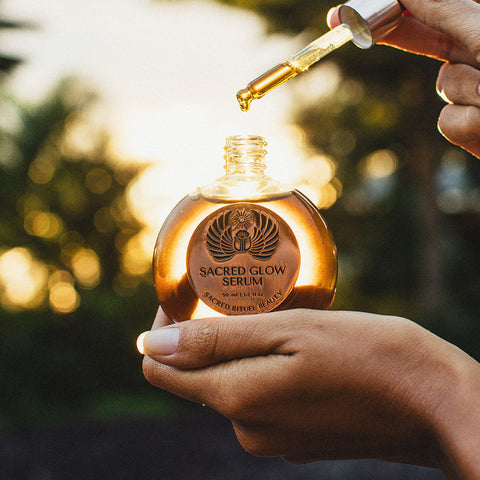
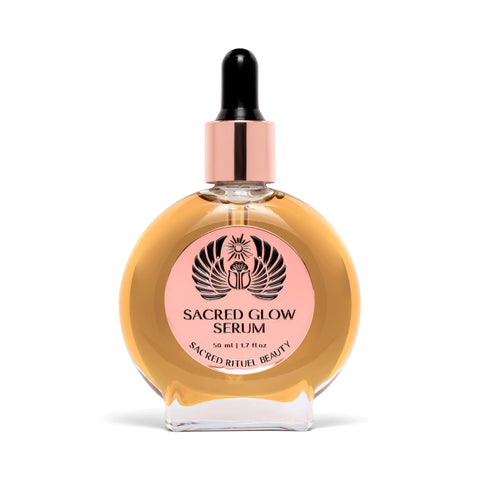
Holistic skincare is an approach that cares for your skin as part of the whole person, working with the body, mind, and the plant world rather than against them. Instead of chasing a single concern with one isolated active, it nourishes the skin with whole, cold-pressed botanicals, supports the skin's own moisture barrier and microbiome, and treats your daily routine as a grounding ritual. This is not a trend to us. It is how folk herbalist Marysia Miernowska, founder of the School of the Sacred Wild, has formulated every Sacred Rituel product, including our hero Sacred Serum, a face oil pressed from fourteen organic botanical oils. The science is encouraging too: plant oils are documented to support and repair the skin's moisture barrier, and the full plant complex does more for skin than any single isolated molecule (Lin et al. 2018; Russo 2019). A quick note of good practice before you begin: patch test any new oil on your inner arm first.
Key Takeaways:
- Holistic skincare treats skin as part of the whole person: It cares for the body, mind, and environment together, using whole, non-toxic, plant-based ingredients and supporting the skin's own balance rather than fighting it with harsh quick fixes.
- Whole-plant botanicals are the heart of it: Cold-pressed plant oils are compatible with the skin's own lipids and are documented to support and repair the moisture barrier, and the synergy of the full plant complex does more than any isolated molecule could.
- The routine is also a ritual: Cleansing, toning, nourishing, and a few mindful add-ons become a daily moment of self-care, which is exactly how Marysia Miernowska formulated the Sacred Rituel range to be used.
Have you ever felt frustrated because your skin still looks dull or irritated even after trying countless products? So many of us get stuck reaching for skincare that promises a quick fix and ends up stripping the very skin it was meant to help. There is a calmer, more rooted way, and it is one the plant world has been teaching for centuries. The real shift is not just about what you put on your skin. It is about caring for it from the inside out, with whole ingredients that are gentle, genuinely nourishing, and safe for both you and the earth.
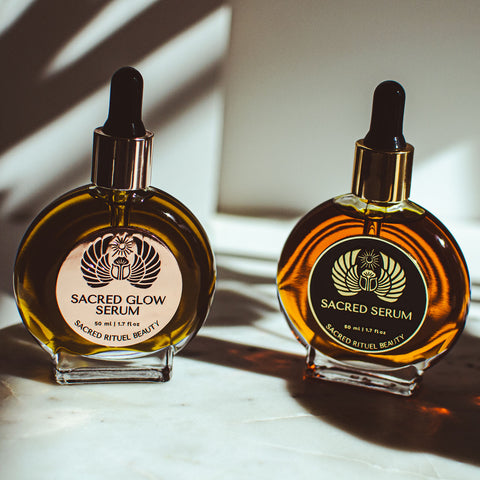
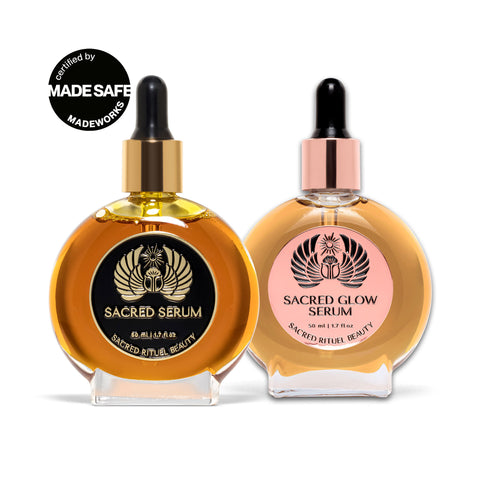
At Sacred Rituel, every product is formulated by folk herbalist Marysia Miernowska, founder of the School of the Sacred Wild, from organic, cold-pressed, whole-plant botanicals chosen for what plants actually do for skin. We make whole-plant skincare because we have seen, across years of customer feedback and centuries of herbalist tradition, that whole plants nourish skin beautifully. Our hero is Sacred Serum, a face oil pressed from fourteen organic botanical oils that supports your skin's natural glow without a single harsh additive.
In this guide we will walk through the principles of holistic skincare, the whole-plant ingredients at its heart, how to build a holistic routine as a daily ritual, and how to make sustainable, mindful choices along the way. Ready to work with your skin instead of against it? Let's begin.
Is holistic skincare suitable for all skin types?
Yes. Holistic skincare suits every skin type, including sensitive, oily, dry, and combination skin, precisely because it does not force a one-size-fits-all active onto your face. It works with your skin's own nature, supporting its balance with gentle whole-plant ingredients you can tailor to what your skin needs. That gentleness is what makes it so widely suitable, and it rests on a few core principles that consider the body, mind, and environment as interconnected parts of healthy skin.
Natural And Non-Toxic Ingredients
Holistic skincare is built on whole, non-toxic ingredients. Synthetic preservatives and synthetic fragrance, common in mainstream products, are frequent triggers for irritation and are better left out entirely. Whole-plant, organic botanicals are gentle and genuinely effective, and there is good reason for that: cold-pressed plant oils share the structure of the skin's own lipids, so they are compatible with its natural lipid matrix and sink in to condition it rather than sitting on top (Lin et al. 2018). This is why Sacred Rituel is fragrance-free and made without synthetic preservatives.
Balance And Prevention
Holistic skincare leans toward balance and prevention rather than harsh correction. When the skin's barrier and microbiome are supported, skin looks calmer and more resilient on its own. Gentle, whole-plant care preserves the microbiome that aggressive surfactants strip away (Boxberger et al. 2021), so the aim is to support the skin's natural rhythms, not to override them.
Nourishing From The Inside Out
What you eat, drink, and how you rest all show up on your skin. A holistic approach pairs topical care with hydration, a nutrient-rich diet, good sleep, and stress management. Nourishing your body from within supports your skin's natural ability to look its healthiest, and the topical ritual becomes the outer half of a whole practice.
Mindful And Sustainable Choices
Holistic skincare also considers its footprint on the earth. Choosing organic, sustainably sourced botanicals, light-shielding glass over plastic, and cruelty-free brands all matter. It is an invitation to be present with your choices so they align with your values, the same reverence for the plant world that guides how Marysia formulates.
At Sacred Rituel, we craft skincare that lives by these principles. Our face oil, Sacred Serum, is pressed from sustainably sourced organic botanicals and bottled to protect its delicate actives. Many people in our community tell us it has become the one product they reach for, one writing that it has "pretty much replaced everything else" in her routine.
How long does it take to see results from a holistic skincare routine?
Holistic skincare is focused on lasting skin health, so while some effects like softness and glow are felt quickly, the deeper, more lasting changes build with consistency over several weeks. Because the approach supports the skin's own balance rather than forcing a fast surface result, the benefits tend to be steady and durable. Here is what that gentle, cumulative care brings.
Healthier, More Balanced Skin
Whole-plant care restores the skin's natural balance by nourishing it rather than stripping it. Instead of disrupting the barrier or the microbiome, gentle botanical care supports them, which is what leads to skin that looks healthier and more resilient over time. People in our community describe this often, one telling us her skin "has never been so calm."

Fewer Harsh Ingredients And Less Irritation
Many conventional products carry synthetic additives that can leave skin dry or reactive. A holistic approach leaves out parabens, sulfates, and synthetic fragrance, which means fewer triggers for sensitive skin. This is one of the most immediate reliefs people notice, and our reviews are full of it, including from people who say they "rarely can use products" and finally found one their skin is happy with.
Lasting Comfort And Glow
Because holistic care addresses the skin's underlying balance rather than a single symptom, the results tend to last. Plant oils deliver the fatty acids and antioxidants skin thrives on and reinforce the barrier that holds moisture in, so skin stays comfortable and luminous. A recurring theme across our reviews is exactly this lasting moisture and glow, with one person writing that her skin looks "radiant, hydrated, glowing."
Improved Overall Wellness
Holistic routines fold in elements of self-care, such as facial massage, slow breathing, and the simple act of being present. These rituals soothe the nervous system as much as the skin, and people often tell us the daily anointing with their oil has become a grounding moment they look forward to, the scent itself part of the calm.
Clean Ingredients To Look For In Holistic Skincare
Choosing the right ingredients is everything in a holistic routine. The focus is on whole, plant-based, sustainably sourced botanicals that are free of synthetic additives, and ideally cold-pressed so their delicate actives survive intact. Cold-pressing extracts oil without heat, preserving the fatty acids, vitamins, and antioxidants that heat or solvents would destroy. Here are some of the whole-plant ingredients most worth looking for, several of which are at the heart of Sacred Serum:
- Jojoba Oil: Jojoba closely mimics the skin's own sebum, its wax esters echoing the lipids skin makes naturally, which is why it absorbs so beautifully and suits nearly every skin type without a greasy residue.
- Rosehip Oil: Rich in essential fatty acids and a natural source of vitamin C and carotenoids, rosehip is clinically associated with improving the look of redness, discoloration, and uneven tone, while deeply nourishing the skin.
- Sweet Almond Seed Oil: Gentle and deeply moisturizing, sweet almond is a lovely choice for skin that craves softness, leaving it nourished and supple.
- Chamomile: A traditional herbalist ally for sensitive skin, chamomile is naturally calming and soothing, helping skin look less red and more settled.
- Frankincense: A treasured botanical in plant-medicine traditions, frankincense is prized for soothing the look of the skin and supporting an even, refined complexion.
A natural source of vitamin C, like the carotenoid-rich rosehip above, is also more at home on the skin than an isolated synthetic, because in the whole-food matrix it arrives with its plant cofactors (Carr & Maggini 2013). And the real power is not in any single botanical but in the way a whole-plant blend brings many into synergy. Herbalists have always understood that the whole plant working together does more than any one isolated part, an understanding the research now describes as the entourage effect (Russo 2019).
Building A Holistic Skincare Routine
Building a holistic routine is less about stacking products and more about a few intentional, whole-plant steps you return to daily, tuned to your skin and your rhythms. Here is how to build one that works with your skin and becomes a ritual you look forward to.
Cleanse: Start Fresh
Cleansing is the foundation, and the gentlest, most barrier-respecting way to do it is with oil. Where harsh foaming surfactants strip the skin and disrupt its microbiome, a non-stripping oil cleanse dissolves makeup, sunscreen, and the day's buildup while leaving the skin's protective barrier intact (Boxberger et al. 2021). Reach for a gentle oil cleanser and massage it into dry skin, then emulsify with warm water. Your skin should feel clean and comfortable afterward, never tight.
Tone: Balance And Refresh
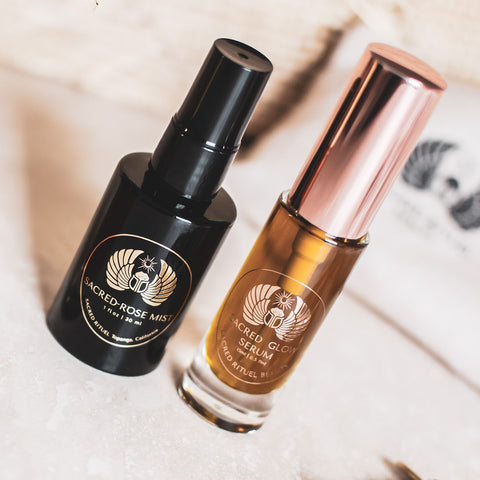
A toning mist rebalances and rehydrates the skin after cleansing and preps it to drink in what comes next. Choose a simple, alcohol-free botanical mist rather than an astringent that strips. A rose mist is naturally cooling and soothing, leaving skin refreshed and calm. Mist it on and press it in while the skin is still damp.
Nourish: Feed The Skin
This is the heart of a holistic routine. A whole-plant face oil delivers the fatty acids, antioxidants, and plant lipids skin needs and reinforces the barrier that keeps moisture in. Press a few drops of Sacred Serum into damp skin morning and night. Because its botanicals are compatible with the skin's own lipids, it sinks in to condition rather than sitting on the surface (Lin et al. 2018). People consistently tell us this single step changed their skin, one writing that her face is "noticeably smoother, less wrinkles and so very soft," and another, at seventy-four, that the routine "really enhances my skin tone and texture."
Gentle Exfoliation: Only As Needed
Holistic care exfoliates sparingly and gently. If your skin asks for it, a soft, natural exfoliant like ground oats or fruit enzymes once or twice a week is plenty. The goal is to encourage a smoother surface without compromising the barrier, so let your skin guide the frequency rather than a schedule.
Protect: Sun Protection Still Matters
Even in a holistic routine, daytime sun protection is non-negotiable. A whole-plant face oil nourishes and supports your skin, but it is not a sunscreen and offers no SPF, so it complements rather than replaces real sun protection. For days out in the sun, layer a broad-spectrum mineral sunscreen with zinc oxide or titanium dioxide over your oil.
Holistic Extras: Mindful Add-Ons
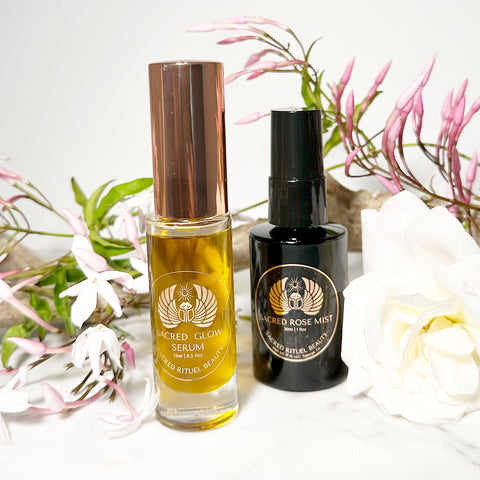
The finishing touch is ritual. A slow facial massage as you press in your oil, a few minutes with a gua sha or jade roller, or simply breathing in the botanical aroma turns skincare into self-care. These small practices ease tension and make the routine a grounding moment, which is the whole point of a holistic approach. For face, tone, and body together, the Sacred routine set brings the ritual into one daily practice.
Sustainable Practices In Holistic Skincare
Holistic care extends its reverence to the earth as well as the skin. By adopting a few sustainable habits, you reduce your footprint while you nourish your skin. Here are some practices worth folding into your routine.
Choose Eco-Friendly Packaging
The beauty industry generates a great deal of plastic waste. Look for brands that bottle in recyclable or reusable materials like glass and aluminum. Light-shielding glass does double duty here: it keeps plastic out of the waste stream and protects delicate plant antioxidants from the light that would degrade them, so the oil stays potent from first drop to last.
Opt For Multi-Purpose, Whole-Plant Products
A whole-plant routine naturally streamlines your shelf. One well-made face oil can take the place of several single-purpose products, which is why so many people tell us their oil "replaced everything else." Fewer, better products mean less consumption and less waste.
Support Cruelty-Free And Ethical Brands
Holistic skincare aligns with ethical practice, including never testing on animals. Look for certifications like Leaping Bunny, and favor brands that source responsibly and partner fairly with the farms and communities that grow their botanicals.
Use Organic And Sustainably Sourced Ingredients
Choose products made with certified organic, sustainably sourced botanicals. Organic farming skips synthetic pesticides and fertilizers, which is gentler on your skin and on the land, and it means the plant lipids reaching your skin are clean and free of residues.
Choose Sustainable Tools And Dispose Mindfully
Swap single-use wipes and cotton rounds for reusable cloths, and recycle empties where your local program allows. These small, consistent choices are the everyday expression of a holistic, earth-honoring routine.

Final Thoughts
Holistic skincare is, at its heart, a return to working with your skin and with the plant world rather than against either. It chooses whole, cold-pressed botanicals over isolated synthetics, supports the skin's own barrier and microbiome rather than stripping them, nourishes from the inside out, and treats the daily routine as a ritual worth slowing down for. The science and the herbalist tradition agree: whole plants nourish skin, and the full plant complex does more than any single molecule alone.
This is the practice Marysia Miernowska built Sacred Rituel around, and it is what people in our community describe back to us in their own words: calmer skin, lasting moisture, a glow that draws compliments, and a daily ritual they cherish. If you want skin that looks healthy and feels cared for, a simple whole-plant routine, kept consistently and with a little reverence, is one of the most rewarding things you can give it. Patch test any new oil first, and let your skin guide you from there.
Sources:
- Dreno, B., Amici, J. M., Demessant-Flavigny, A. L., Wright, C., Taieb, C., Desai, S. R., & Alexis, A. (2021). The impact of acne, atopic dermatitis, skin toxicities and scars on quality of life and the importance of a holistic treatment approach. Clinical, Cosmetic and Investigational Dermatology, 623-632.
- Blaak, J., & Staib, P. (2022). An updated review on efficacy and benefits of sweet almond, evening primrose and jojoba oils in skin care applications. International Journal of Cosmetic Science, 44(1), 1-9.
- Arora, R., Aggarwal, G., Dhingra, G. A., & Nagpal, M. (2019). Herbal active ingredients used in skin cosmetics. Asian J. Pharm. Clin. Res, 12(9), 7-15.
- Lin, T.-K., Zhong, L., & Santiago, J. (2018). Anti-Inflammatory and Skin Barrier Repair Effects of Topical Application of Some Plant Oils. International Journal of Molecular Sciences, 19(1), 70.
- Russo, E. B. (2019). The Case for the Entourage Effect and Conventional Breeding of Clinical Cannabis: No “Strain,” No Gain. Frontiers in Plant Science, 9, 1969.
- Boxberger, M., Cenizo, V., Cassir, N., & La Scola, B. (2021). Challenges in exploring and manipulating the human skin microbiome. Microbiome, 9(1), 125.
- Carr, A. C., & Maggini, S. (2013). Vitamin C and Immune Function. Nutrients, 9(11), 1211.
Keep exploring: which ingredients to avoid in skincare, how jojoba oil works for skin, the best minimalist skincare brands, and DIY face masks for glowing skin.
Frequently Asked Questions
Is holistic skincare suitable for all skin types?
Yes. Holistic skincare suits sensitive, oily, dry, and combination skin alike, because it works with your skin's own nature instead of forcing a single harsh active onto it. It supports the skin's balance with gentle, whole-plant ingredients you can tailor to your needs. A whole-plant face oil like Sacred Serum is compatible with the skin's own lipids, so it nourishes nearly every skin type without a greasy residue. As always, patch test a new oil on your inner arm first.
How long does it take to see results from a holistic skincare routine?
Some effects, like softness, comfort, and a healthy glow, are felt quickly, often within the first days. Because holistic skincare supports the skin's underlying balance rather than forcing a fast surface result, the deeper, more lasting changes build with consistency over several weeks. The benefits tend to be steady and durable. A recurring theme in our reviews of Sacred Serum is exactly this: lasting moisture and glow that grow with regular use, with one person describing her skin as "radiant, hydrated, glowing."
How does stress impact skin, and how can holistic skincare help?
Stress can show up on the skin, leaving it looking dull, reactive, or out of balance. Holistic skincare helps on two fronts. It supports the skin's barrier with gentle, whole-plant care so skin looks calmer and more resilient, and it folds in self-care rituals, like a slow facial massage, mindful breathing, and breathing in a botanical aroma, that ease tension as you go. People often tell us the daily anointing with their oil has become a grounding moment they look forward to, the calm as much a part of it as the skincare.
How can I incorporate mindfulness into my holistic skincare routine?
Treat your routine as a ritual rather than a task. Slow down as you cleanse and press in your oil, breathe deeply and stay present with the sensation and the botanical aroma, and add a few minutes of facial massage or gua sha to release tension. Even a single mindful step, done with attention, turns skincare into a grounding moment of self-care. The Sacred routine set is built to be used exactly this way, as a daily ritual for face, tone, and body together.
What skincare ingredients reduce redness?
Gentle, whole-plant botanicals are the holistic answer to the look of redness. Rosehip oil, a natural source of vitamin C and carotenoids, is clinically associated with improving the look of redness and uneven tone. Chamomile and frankincense are traditional herbalist allies for calming and soothing the look of irritated skin, and barrier-supporting plant oils help skin look more settled overall. People with easily reactive skin often tell us a whole-plant face oil like Sacred Serum leaves their skin looking calmer, one writing her skin "has never been so calm." If redness is persistent or accompanied by other symptoms, see a dermatologist for diagnosis.
Radiance Is Personal. Let’s Reveal Yours...
All Day Glow Essentials