
How A Facial Serum Can Help Reduce Skin Inflammation And Redness
You calm the look of skin inflammation and redness by working with the skin's barrier instead of against it: protect that barrier, simplify your routine, drop harsh and stripping products, and patch test anything new. Redness is the skin's response to stress, so comfort works where force backfires. The botanicals that do this are well documented. Rosehip seed oil is clinically shown to improve the look of redness and discoloration; rose, calendula, and chamomile have soothed reactive skin for centuries in the herbalist tradition. This is exactly the whole-plant care folk herbalist Marysia Miernowska built into Sacred Serum, her cold-pressed blend of 14 botanical oils rich in fatty acids and antioxidants, which thousands in our community reach for when prescriptions left their skin raw and reactive. One honest note: if redness is persistent, painful, or worsening, or you suspect rosacea or eczema, see a dermatologist, because those are medical conditions a clinician diagnoses and manages.
Key Takeaways:
- Redness is a response, and plants answer it: The look of redness is how reactive skin reacts to UV, weather, pollution, and harsh products. The botanicals that calm it are well documented, with rosehip seed oil clinically shown to improve the look of redness and discoloration.
- Comfort over force, with the receipts: A simple, non-stripping routine that supports the moisture barrier helps skin look calmer. Sacred Serum, folk herbalist Marysia Miernowska's cold-pressed blend of 14 botanical oils, is what thousands in our community reach for, with many describing soothed, less-reactive skin.
- Know when to get help: Persistent, painful, or worsening redness, or suspected rosacea or eczema, warrants a board-certified dermatologist, since those are medical conditions a clinician diagnoses and manages. Patch test any new oil for 24 hours first.
When skin flushes and stings for no obvious reason, the instinct is to find something strong enough to shut the redness down. That instinct usually makes reactive skin worse. The skin is asking for comfort, and the plant world has answered that ask for centuries.
Sacred Rituel was founded by folk herbalist Marysia Miernowska, who formulates every product from pure, cold-pressed, whole-plant botanicals chosen to nourish skin and support its moisture barrier. This is the herbalist tradition meeting the research: the same oils Marysia reaches for to calm reactive skin are the ones the science now documents. This article covers what drives the look of redness, the botanicals that calm it, how to build a routine around them, and the one time to see a dermatologist instead.
What causes skin inflammation and redness?
The look of redness and the feeling of irritation almost always mean the skin's protective barrier is under stress. Environmental pollutants, UV exposure, and harsh skincare ingredients set it off. When skin reacts to these aggressors, blood vessels widen and the surface flushes warm and red. The fix is not to attack the redness but to rebuild the barrier that lost the fight, and plant oils are documented to do exactly that, supporting the skin's moisture barrier and slotting into its own lipid matrix (Lin et al., 2018).
For sensitive or reactive skin, redness settles harder. Conditions such as rosacea, eczema, or dermatitis can make skin more prone to the look of redness, and because those are medical conditions, a clinician diagnoses and manages them rather than a face oil. What a gentle, barrier-supporting routine does do, day to day, is help skin look calmer and feel more comfortable. For everyday calming steps, read How To Soothe Irritated Skin: Gentle Remedies That Work.
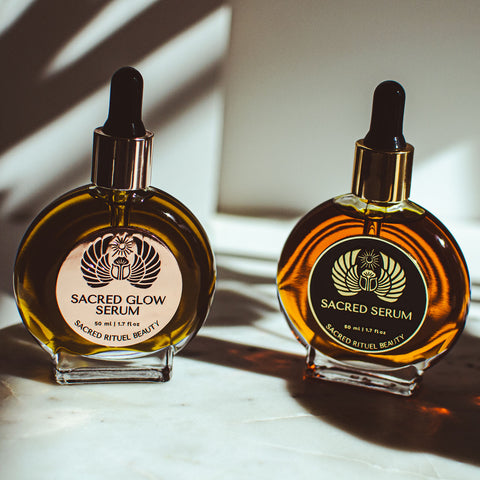
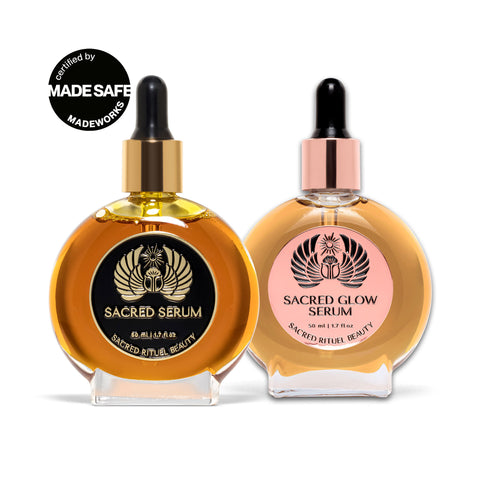
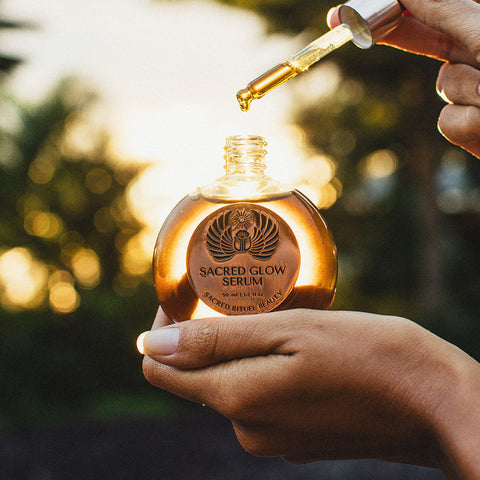
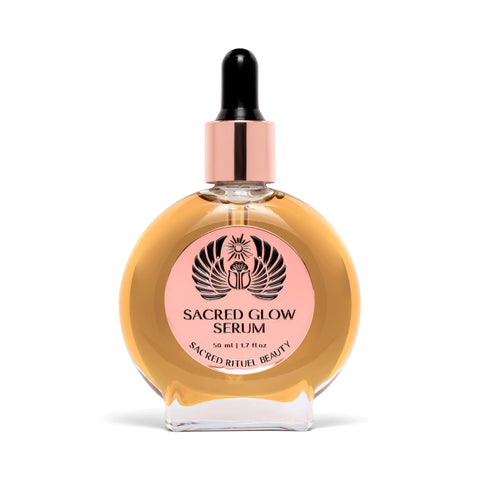
This is the daily comfort step thousands reach for. Sacred Serum face oil is Marysia's cold-pressed blend of 14 botanical oils, rich in fatty acids, antioxidants, and polyphenols, that supports the look and feel of a comfortable, well-moisturized barrier. Many of the people who reach for it came to whole-plant oils after dermatologist-prescribed products left their skin raw and reactive. In our Okendo reviews, soothed sensitivity is the single most-mentioned theme, named again and again, with one writing "my skin has never been so calm" and another that their skin is "less reactive."

Common Causes Of The Look Of Redness
Environmental Stressors
Pollution, UV rays, and extreme weather all challenge the skin. Pollution particles and UV exposure generate free radicals and oxidative stress that strain the skin's protective barrier, while cold, dry air pulls moisture from the surface and leaves skin tight and irritated-looking. Repeated exposure keeps skin in a reactive, flushed state, which is exactly why a daily layer of antioxidant-rich plant oils matters so much for skin that reads as red.
Harsh Skincare Ingredients
Many products provoke reactive skin. Alcohol, synthetic fragrances, sulfates, and harsh preservatives strip natural oils, weaken the barrier, and leave skin stinging and flushed. Gentle oil cleansing takes a different path, lifting away grime while preserving the skin microbiome that harsh surfactants strip. Choosing fragrance-free products and a non-stripping cleanse keeps skin comfortable and looking calmer.
Lifestyle Factors
Stress, diet, and sleep show up on the skin. Stress raises cortisol, which leaves the barrier more reactive. A diet low in essential fatty acids, vitamins, and antioxidants makes skin more prone to looking irritated, and too little sleep gives skin less time to recover, so it looks duller and more flushed. Managing stress, eating well, and prioritizing rest all support calmer-looking skin.
Hormonal Shifts
Hormonal changes, including those around menstruation, pregnancy, or perimenopause, can leave skin more sensitive and reactive. Shifting hormone levels affect oil production, swinging skin toward excess oil or dryness, and people experiencing these shifts often notice their skin looks more flushed and feels less settled. A gentle, hydrating routine helps support comfort through these phases.
Skin Conditions
Conditions such as rosacea, eczema, and dermatitis are common reasons skin looks persistently red and feels irritated. These are medical conditions a clinician diagnoses and manages, and triggers like heat, spicy food, or stress can prompt flare-ups. If you suspect one, a dermatologist is the right starting point. To understand the territory, read The Link Between Rosacea And Autoimmune Disorders and Eczema Vs. Acne - Identifying And Treating Your Condition.
Is a facial serum suitable for sensitive skin?
Hydration That Supports The Feel Of Comfortable Skin
A nourishing facial oil like the Sacred Serum blend delivers lasting moisture, and that matters because dehydrated skin feels tight and reads as more easily irritated. Lightweight botanical oils sit comfortably on the skin and support the look and feel of a well-moisturized barrier through the day. Lasting moisture is named by many customers in our reviews, the kind of steady comfort reactive skin depends on.
Antioxidants From Whole-Plant Oils
Free radicals from pollution and UV exposure put oxidative stress on the skin. Whole-plant oils are naturally rich in antioxidants and polyphenols, and Rosehip Oil is the standout here: a natural source of vitamin C and carotenoids that is clinically shown to improve the look of redness and discoloration over twelve weeks (Valeron-Almazan et al., 2015). That is why a cold-pressed rosehip-rich blend earns its place as a daily layer on skin that reads as red.
Botanical Oils Traditionally Reached For To Comfort The Skin
This is where herbalist tradition and research meet. Rose, calendula, chamomile, and helichrysum have soothed reactive skin for centuries, and the literature now documents their calming, anti-inflammatory constituents. Rosa damascena research documents anti-inflammatory and antioxidant properties; tamanu carries calophyllolide, a documented non-steroidal anti-inflammatory constituent with a long wound-healing tradition. Blended together, these are the botanicals Marysia chose to comfort skin that feels irritated. Customers consistently feel it: calmer redness is named by many reviewers, with one writing "my redness was calmed" and another that it "helps the redness."
A Gentle Layer For Sensitive Skin
Facial oils absorb easily and sit lightly, which suits sensitive, easily flushed complexions. A non-greasy whole-plant oil delivers moisture and a comforting layer without a heavy feel, so it is gentle on skin that reacts to richer creams. As with any new product on reactive skin, patch test first, and keep the rest of the routine fragrance-free and simple.
Supporting The Look And Feel Of A Comfortable Barrier
Reactive skin often feels like its barrier is working overtime. A cold-pressed oil rich in fatty acids supports the look and feel of a comfortable, well-moisturized barrier, with oils like camellia and Sea Buckthorn Oil sitting comfortably on the surface. Whole-plant oils work this way because of the entourage effect, the synergy of the full phytocomplex outperforming isolated molecules (Russo, 2019), and cold-pressing is what preserves those delicate actives. Over time, many people find this steady, gentle care keeps skin looking calmer and feeling more settled.
Whole-Plant Oils People Reach For When Skin Looks Red
Sacred Serum is a blend of 14 cold-pressed organic botanical oils. These are the oils Marysia chose for the look and feel of comfortable, calmer skin, described by their traditional and cosmetic role:
- Organic Jojoba Oil - Jojoba closely resembles the skin's own sebum, making it a balancing, comfortable moisturizer that does not clog pores. It is rich in vitamin E and supports the feel of a well-conditioned barrier.
- Organic Sea Buckthorn Fruit Oil - High in antioxidants and essential fatty acids, sea buckthorn is a vivid, nourishing oil long valued for comforting skin that feels irritated and supporting a healthy-looking surface.
- Organic Rosehip Seed Oil - Rich in essential fatty acids, carotenoids, and vitamins A and C, rosehip is clinically shown to improve the look of redness and discoloration and to soften the complexion.
- Organic Hemp Seed Oil - Rich in omega-3 and omega-6 fatty acids, hemp seed oil is documented for soothing, calming constituents and delivers lasting moisture that keeps skin comfortable.
- Organic Sunflower Seed Oil - Lightweight yet hydrating and rich in vitamin E, sunflower oil supports the feel of soft, conditioned skin while helping maintain moisture balance.
- Organic Lavender - Long loved in herbalist tradition for its calming aroma, lavender is reached for to support a sense of soothed, comforted skin.
- Organic Helichrysum - Known as "immortelle," helichrysum is a treasured botanical with soothing constituents, traditionally used to comfort skin and support a smooth, healthy-looking surface.
- Organic Chamomile - Gentle and aromatic, chamomile is documented for calming, anti-inflammatory constituents and has comforted sensitive, reactive skin for centuries.
- Organic Comfrey - Comfrey is a classic herbalist botanical reached for to soothe the feel of irritated skin and support a comfortable surface.
- Organic Calendula - Calendula is one of the most beloved skin-comforting herbs, documented for soothing botanical constituents and traditionally used to settle sensitive, easily irritated skin.
- Organic Apricot Kernel Oil - Lightweight and nourishing, rich in vitamins A and E, apricot kernel oil moisturizes dry skin without a greasy feel.
- Organic Sweet Almond Seed Oil - An emollient oil rich in fatty acids that softens and smooths skin, especially comforting for dry, sensitive-feeling complexions.
- Organic Blackberry Seed Oil - A potent antioxidant oil rich in omega-3 and omega-6 fatty acids that nourishes and conditions skin.
- Organic Camellia Seed Oil - Lightweight yet deeply moisturizing and rich in antioxidants, camellia is especially comforting for sensitive or dry skin that feels easily irritated.
- Organic Passionfruit Seed Oil - Rich in essential fatty acids and antioxidants, passionfruit oil hydrates without clogging pores, leaving skin soft and balanced.
Building A Gentle Routine For Skin That Looks Red
Prepping The Skin With A Rose Mist
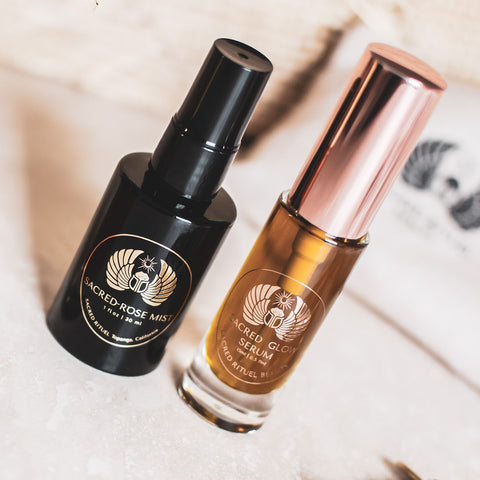
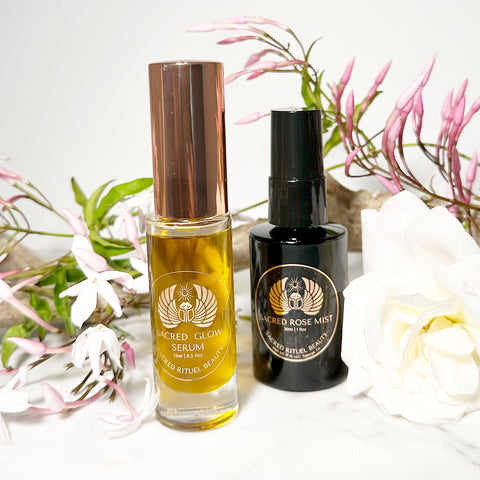
Before pressing in an oil, a hydrating mist gives skin its first layer of moisture. Sacred Rose Mist is a fragrance-free organic rose hydrosol, and rose is naturally cooling and soothing on skin that feels warm and flushed. Misting first leaves skin damp so the oil presses in smoothly, and the cool, simple ritual is a comfort in itself on reactive skin.
Pairing A Mist And A Whole-Plant Oil
Hydration is central to comfortable skin, and pairing a mist with an oil completes the routine. The mist refreshes and dampens, then the Sacred Serum oil presses in to support the look and feel of a comfortable, well-moisturized barrier through the day. Together they keep skin soft, hydrated, and calm. The easiest way to keep it up is the Sacred routine set, which pairs the mist and the whole-plant oil in one ritual.
Keeping The Routine Simple And Fragrance-Free
For reactive skin, less is more. Misting then pressing in an oil lets the botanicals settle without a long list of actives that can provoke a flush. Keeping every step fragrance-free and gentle is one of the kindest things you can do for skin that looks red, and it makes it easier to spot what your skin does and does not like.
Comforting Reactive Skin Through The Day
A mist-and-oil ritual is gentle enough to repeat when skin feels tight or warm, such as after sun or wind. The cooling mist and the comforting oil support the look of calmer skin and the feeling of comfort. For sensitive, reactive skin, this simple, repeatable care feels better than reaching for stronger products, and customers consistently describe skin that feels soothed and "less reactive."
Supporting A Healthy, Comfortable Glow
Used together, a mist and a whole-plant oil support a hydrated, healthy-looking glow. A healthy glow is named by many customers in our reviews, and many describe softer, more comfortable skin alongside it. Over time, this steady, gentle routine helps skin look its calmest and feel its most comfortable.

Patch-Testing A New Oil
Before adding any new oil to your routine, patch test it, which matters even more for reactive, easily flushed skin. Apply a small amount of Sacred Serum to your inner arm and leave it a full 24 hours before using it on your face. If you notice irritation, redness, or any discomfort, do not use it on your face, and check in with a clinician if the reaction persists.
When To See A Dermatologist
This is the one honest limit on everything above. A gentle home routine supports the look and feel of calmer skin, but it is not medical care. See a board-certified dermatologist if your redness is persistent, painful, or worsening, or if you suspect rosacea or eczema, since those are medical conditions that need professional diagnosis. A dermatologist can confirm what is going on and discuss the approaches that suit your skin, including any prescription options, which are best started and adjusted only under their guidance. Seasonal weather shifts how reactive skin behaves too, and you can read more in Why Winter Weather May Influence Your Rosacea Treatment Choi.
Final Thoughts
Skin that looks red and feels irritated is asking for comfort, not force, and the plant world has answered that ask for centuries. Protect the barrier, simplify the routine, keep everything fragrance-free, and patch test anything new. A whole-plant oil rich in rosehip, rose, and calendula supports the look and feel of a comfortable barrier, with many our community describing soothed, less-reactive skin, while a cooling rose mist keeps reactive skin refreshed. Many came to this care after prescriptions left their skin raw, and stayed because it works.
Listen to your skin and be patient. The look of calmer skin builds gradually with steady, gentle care. And if redness is persistent, painful, or worsening, or you suspect rosacea or eczema, a dermatologist can tailor guidance to what your skin actually needs.
Sources:
- Valeron-Almazan, P., Gomez-Duaso, A. J., Santana-Molina, N., Garcia-Bello, M. A., & Carretero, G. (2015). Evaluation of the Effect of Topical Rosehip (Rosa moschata) Seed Oil on Photoaged Skin. Actas Dermo-Sifiliograficas, 106(8), 633-638. https://doi.org/10.1016/j.ad.2015.04.003
- Lin, T.-K., Zhong, L., & Santiago, J. L. (2018). Anti-Inflammatory and Skin Barrier Repair Effects of Topical Application of Some Plant Oils. International Journal of Molecular Sciences, 19(1), 70. https://doi.org/10.3390/ijms19010070
- Russo, E. B. (2019). The Case for the Entourage Effect and Conventional Breeding of Clinical Cannabis: No "Strain," No Gain. Frontiers in Plant Science, 9, 1969. https://doi.org/10.3389/fpls.2018.01969
- Bocheva, G., Slominski, R. M., & Slominski, A. T. (2023). Environmental Air Pollutants Affecting Skin Functions with Systemic Implications. International Journal of Molecular Sciences, 24(13), 10502. https://doi.org/10.3390/ijms241310502
Frequently Asked Questions
What causes skin inflammation and redness?
The look of redness and the feeling of irritation usually mean the skin barrier is under stress from things like UV exposure, pollution, extreme weather, or harsh skincare ingredients. Blood vessels widen in response, which is what produces visible redness and a warm, flushed feeling. Sensitive and reactive skin tends to react more readily. Conditions such as rosacea and eczema can also be involved, and because those are medical conditions, a dermatologist is the right person to diagnose them.
What are the best ingredients to look for in a serum for reducing inflammation?
Look for gentle, fragrance-free, barrier-supporting botanicals with documented soothing constituents. Rosehip seed oil is clinically shown to improve the look of redness and discoloration; rose, calendula, chamomile, and helichrysum carry documented anti-inflammatory and calming constituents in the research and the herbalist tradition. Whole-plant oils like these support the look and feel of calmer, well-moisturized skin. Avoid alcohol, synthetic fragrance, and harsh actives that provoke reactive skin. For a persistent or worsening flush, a dermatologist can advise on what suits your skin.
Is a facial serum suitable for sensitive skin?
A gentle, fragrance-free facial oil suits sensitive skin especially well, since lightweight whole-plant oils absorb easily and support the look and feel of a comfortable barrier without a heavy feel. Sacred Serum is a cold-pressed blend of 14 botanical oils that reactive-skin customers describe as soothing, with many naming soothed sensitivity and comments like "my skin has never been so calm" and "less reactive." Many came to it after prescriptions left their skin raw. Always patch test a new oil for 24 hours first, and keep the rest of your routine simple.
Can I use a serum alongside other skincare products?
Yes, a whole-plant facial oil layers well within a simple routine: cleanse, mist, then press the oil into damp skin. For reactive skin, the kindest approach is to keep the routine short and fragrance-free so it is easy to see what your skin likes. If you use a prescription or a strong active, talk to your dermatologist before layering anything new, and patch test the oil for 24 hours first.
How does hydration play a role in reducing skin inflammation?
Well-moisturized skin looks calmer and feels more comfortable, while dehydrated skin feels tight and reads as more easily irritated. Plant oils are documented to support the skin's moisture barrier (Lin et al., 2018), so pairing a hydrating mist with a nourishing whole-plant oil helps skin feel soothed and look less flushed. Lasting moisture is named by many customers in our reviews, the steady comfort reactive skin depends on day to day.
What triggers facial redness?
Common triggers include sun exposure, heat, cold and wind, spicy food, alcohol, stress, and harsh or fragranced skincare. For people with rosacea or eczema, those same triggers can prompt flare-ups, and those are medical conditions a clinician diagnoses and manages. Keeping a gentle, fragrance-free routine and noticing your own patterns helps. If redness is persistent, painful, or worsening, see a board-certified dermatologist.
How can I support the look of calmer, less-red skin?
Support the look of calmer skin by easing what provokes it: protect the barrier, keep the routine simple and fragrance-free, avoid stripping products, and patch test anything new. A rosehip-rich whole-plant oil such as the Sacred Serum face oil supports the look and feel of a comfortable barrier, with many reviewers describing calmer redness and comments like "my redness was calmed." Give it consistent, gentle care over weeks, and see a dermatologist if redness is persistent, painful, or worsening.
Radiance Is Personal. Let’s Reveal Yours...
All Day Glow Essentials