The Link Between Rosacea And Autoimmune Disorders
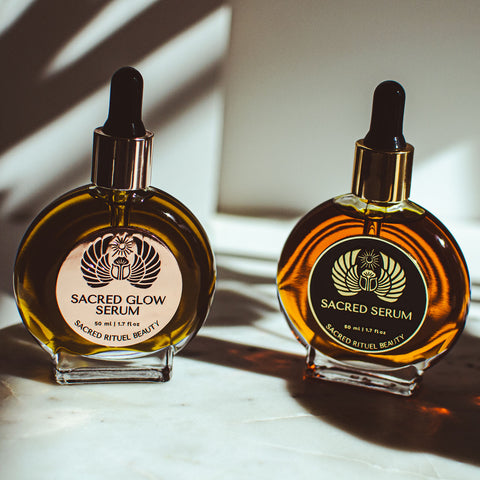
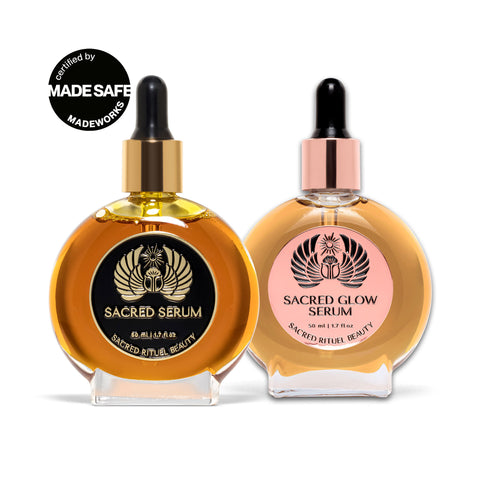
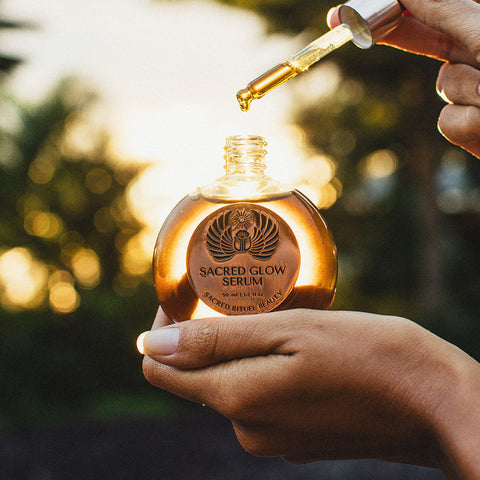
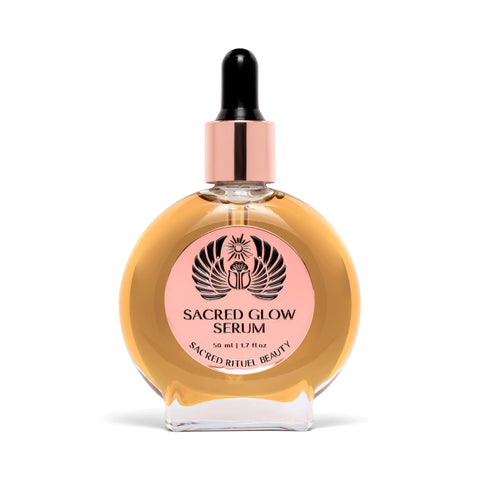
Rosacea is not officially classified as an autoimmune disorder, but it is closely tied to the immune system: research describes it as a chronic inflammatory condition driven by an overactive immune response, and people with rosacea are statistically more likely to also live with certain autoimmune diseases. That overlap is why the question keeps surfacing, even though rosacea has its own mix of genetic, environmental, and microbial roots. Because rosacea is a medical condition, a board-certified dermatologist is the right person to diagnose it and guide treatment. Alongside that professional care, reactive skin asks for one thing above all: gentleness. That is the philosophy behind Sacred Serum, the whole-plant 14-oil blend formulated by folk herbalist Marysia Miernowska to support the look and feel of calm, comfortable, sensitive skin.
Key Takeaways:
- Rosacea and autoimmune activity: Rosacea is not officially classified as an autoimmune disorder, but it involves an overactive immune response and shares some features with autoimmune conditions.
- Root causes and triggers: Rosacea is shaped by several factors, including genetics, immune system overreactions, Demodex mites, environmental triggers, and possibly gut health.
- Managing rosacea: Rosacea is a chronic medical condition. A dermatologist guides diagnosis and treatment, and alongside that a gentle, whole-plant routine helps skin look and feel calmer and more comfortable.
Rosacea is one of the most misunderstood things skin can do. If you live with it, you know the redness, the flare-ups, the sensitivity that seems to arrive out of nowhere, and you have probably wondered whether it is connected to something deeper, like your immune system. The research says the connection is real and worth understanding. So is the question of what gentle, plant-based care can do alongside a dermatologist's guidance.
At Sacred Rituel, every formulation is the work of folk herbalist Marysia Miernowska, founder of the School of the Sacred Wild, who builds each blend from cold-pressed, whole-plant botanicals chosen to nourish skin and support the look and feel of its moisture barrier. This article looks at what rosacea is, how it relates to autoimmune activity, its root causes, gentle ways to keep sensitive skin comfortable, and when it is time to see a dermatologist.
What Is Rosacea?
Rosacea is a chronic skin condition that mostly affects the face. Persistent redness across the cheeks, nose, or chin, and small bumps that can resemble acne, are its hallmarks. Because rosacea can look like other conditions, only a dermatologist can confirm a diagnosis.
Doctors do not know exactly what causes rosacea, but they do know it is more common in people with fair skin and tends to run in families. Triggers like spicy foods, alcohol, stress, heat, or sunlight can set off a flare. It is not dangerous, but living with rosacea can feel like a daily negotiation with your own reflection.
Reactive skin responds to gentleness, and that is exactly what whole-plant care is built for. Sacred Serum is an organic, cold-pressed blend of fourteen plant oils and botanical extracts formulated to support the look and feel of calm, balanced sensitive skin. It is not a treatment for rosacea, and a dermatologist should guide any care plan. But as part of a gentle daily ritual, it is the kind of nourishing care thousands in our community reach for when their skin feels raw and reactive. If irritation is your main concern, our guide on How To Soothe Irritated Skin: Gentle Remedies That Work is a good companion read.
What Are Autoimmune Disorders?
Autoimmune disorders happen when the immune system, which is supposed to protect you from things like viruses and bacteria, gets its signals crossed. Instead of attacking only harmful invaders, it begins targeting your own healthy cells by mistake. It is like a security system so sensitive it sets off alarms when nothing is wrong.
Experts do not fully understand why autoimmune disorders develop, but they point to genetics, stress, infections, and even gut health. Tellingly, having one autoimmune condition makes you more likely to develop another. That clustering is part of why researchers have looked closely at whether conditions like rosacea share autoimmune roots.
Is Rosacea An Autoimmune Disorder?
The short answer: not exactly, but the picture is layered. Rosacea is not officially classified as an autoimmune disease, yet it shares real features with that family of conditions. Research shows that people with rosacea often have an overactive immune response, meaning the immune system reacts too strongly to certain triggers, and that overreaction is associated with the redness, swelling, and irritation that define the condition.
Some scientists believe rosacea involves both an overactive innate immune system, the body's first line of defense, and the kind of chronic inflammation common in autoimmune disorders. Studies have also found that people with rosacea are more likely to live with other autoimmune diseases, such as celiac disease, type 1 diabetes, or multiple sclerosis.
Does that mean an autoimmune problem causes rosacea? Not necessarily. The evidence points to multiple roots working together: genetic factors, environmental triggers, and the immune system's role. For more on how the seasons shape a rosacea care plan, see Why Winter Weather May Influence Your Rosacea Treatment Choice.
Possible Root Causes Of Rosacea
Rosacea is a puzzle, and its exact cause remains unsettled. Researchers believe it arises from a combination of factors, including:
Genetics
If you have rosacea, chances are someone else in your family does too. Studies suggest certain genetic traits predispose people to it, such as fair skin or a tendency to flush easily. Scientists have not pinpointed the exact genes, but the strong familial link makes clear that your DNA plays a significant role in your susceptibility.

Immune System Overreaction
The immune system in people with rosacea can be too eager to defend, even when there is no real threat. Specific immune responses run heightened, which researchers associate with chronic inflammation and the redness and swelling seen in the condition. This overactivity helps explain why triggers like heat, stress, or spicy food can set off such dramatic reactions.
Demodex Mites
Demodex mites are tiny, harmless creatures that naturally live on human skin, especially around hair follicles. People with rosacea often carry higher numbers of them, which may irritate the skin or provoke an immune response. Bacteria associated with these mites might also contribute to flare-ups.
Environmental Triggers
Environmental factors like UV rays, cold winds, or hot weather can irritate sensitive skin and dilate blood vessels, making redness more visible. These triggers do not directly cause rosacea, but they can make existing symptoms more noticeable. Recognizing and avoiding your unique triggers is often one of the first steps in managing rosacea.
Gut Health
The connection between the gut and the skin is drawing real attention, with conditions like small intestinal bacterial overgrowth (SIBO) being studied alongside rosacea. Some research suggests that addressing gut imbalances is associated with improvement in rosacea symptoms. Foods that support gut health, like probiotics and a balanced diet, may also support calmer-looking skin.
Natural Remedies And Lifestyle Tips For Managing Rosacea
Rosacea is a chronic medical condition, and nothing here is a cure or a substitute for a dermatologist's care. That said, alongside professional guidance there are gentle, time-honored habits that keep flare-ups less frequent and skin feeling more comfortable. Here is what generations of herbalist wisdom and modern research both point toward:
Avoid Your Triggers
The first step to managing rosacea is identifying what makes your symptoms flare. Common triggers include spicy foods, alcohol, sun exposure, hot drinks, and emotional stress, but everyone's triggers are unique. Keep a symptom diary to track when your skin flares, and use that information to avoid or minimize those specific factors.
Use Gentle Skincare Products
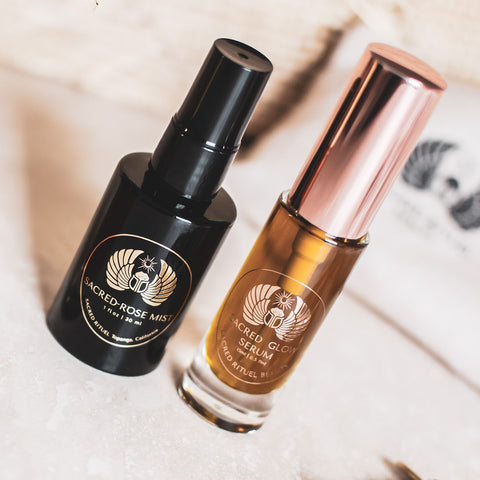
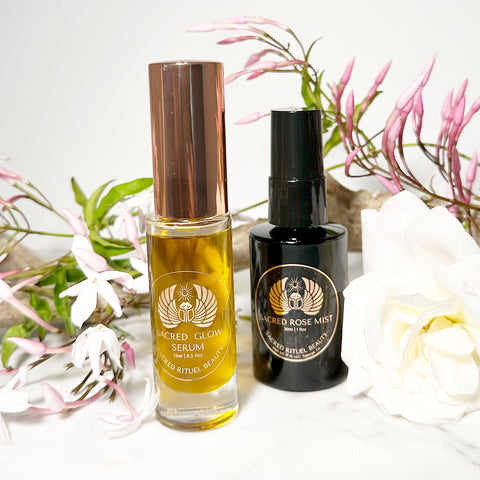
Rosacea-prone skin is profoundly sensitive, so gentle, non-irritating products matter. Choose fragrance-free formulas without alcohol or harsh surfactants, which strip the skin and leave it more reactive. A pure, alcohol-free toner like Sacred Rose Mist brings calm and hydration between cleansing and your oil. Rose is one of Marysia's most trusted botanicals for a reason: research documents Rosa damascena as naturally anti-inflammatory, antioxidant, and calming, and herbalists have reached for rose to soothe heat and redness in the skin for centuries.
Pay Attention To Your Diet
Your diet shapes how reactive your skin feels. Many people lean into whole foods like leafy greens, berries, nuts, omega-3-rich fatty fish, and turmeric, traditionally associated with calming the body, while easing back on common dietary triggers like processed foods, sugar, caffeine, and high-histamine foods such as fermented foods or aged cheeses. A dermatologist or doctor can help you sort out which dietary changes are worth trying.
Support Gut Health
A growing body of research points to a connection between gut health and skin conditions, including rosacea. Probiotic-rich foods like yogurt, kimchi, and sauerkraut help balance your gut microbiome. If you suspect deeper gut issues like SIBO, consult a healthcare provider for testing and possible treatment.
Use Cool Compresses
A cool compress is a quick way to comfort skin during a flare. Soak a soft cloth in cool water or wrap an ice pack in a towel, then gently rest it against the area for 5 to 10 minutes. It makes the skin feel soothed and the redness look calmer for a while.
Try Gentle Natural Topicals
The right plants have comforted sensitive skin for generations, and the science now explains why. Rosehip Oil, one of the cold-pressed botanicals in Sacred Serum, is clinically shown to improve the look of redness and discoloration in a 12-week study (Valeron-Almazan 2015), and it is rich in natural vitamin C and carotenoids. Marysia blends it with rose and other whole-plant oils that are documented to support the skin's moisture barrier and stay compatible with the skin's own lipid matrix (Lin 2018). This is why our community responds the way it does: in our customer reviews, many people with sensitive, reactive skin describe feeling soothed, with comments like "my skin has never been so calm" and "less reactive skin," while others speak directly to calmer-looking redness, telling us "my redness was calmed" and the oil "helps the redness." These are observations about how skin looks and feels, not a treatment claim, and because any topical can irritate rosacea-prone skin, patch test first and check with a dermatologist before adding something new. For more gentle ideas, see How A Facial Serum Can Help Reduce Skin Inflammation And Redness.
Keep A Calm, Consistent Ritual
Sensitive skin rewards a simple, steady routine. Cleanse, mist with an alcohol-free toner, then press a few drops of a whole-plant oil into slightly damp skin. The Sacred routine set pairs Sacred Serum with Sacred Rose Mist so the two work as one calm daily ritual. It does not treat rosacea, but it keeps the routine gentle, which is precisely what reactive skin asks for.
When To See A Dermatologist
Rosacea is a medical condition, so a board-certified dermatologist should diagnose it and guide your treatment. It is especially important to seek professional help in these situations:
- Your symptoms are getting worse: If your redness, bumps, or irritation are becoming more frequent, painful, or severe, a professional can help. Worsening symptoms may call for prescription options, which a dermatologist can discuss with you.
- You are experiencing eye problems: Ocular rosacea is a form of rosacea that affects the eyes, causing redness, dryness, irritation, or even vision changes. If your eyes are involved, do not wait. Seek medical advice to prevent complications.
- Home care is not enough: If gentle, at-home habits are not helping, a dermatologist can tailor a plan to your skin and symptoms.
- It is affecting your mental health: Rosacea can take a toll on confidence and emotional well-being. If you are feeling self-conscious or anxious about your appearance, a professional can help you find solutions.
- You are unsure about a diagnosis: Rosacea can look like other conditions such as acne, eczema, or lupus. A healthcare provider can confirm the diagnosis and rule out other issues. Our guide on Eczema Vs. Acne - Identifying And Treating Your Condition can help you understand the differences while you wait for a professional opinion.
Early, professional care can keep rosacea from worsening, so do not hesitate to reach out if you are struggling.
How To Patch Test A New Oil
Before adding any new oil to your routine, patch test it first, which matters even more for reactive, rosacea-prone skin. Apply a small amount of Sacred Serum to your inner arm and leave it for 24 hours before using it on your face. If you notice any redness, stinging, or irritation, do not use it, and check with your dermatologist. This simple step is worth the wait.

Final Thoughts
Rosacea may be a chronic condition, but it is not something you face alone. Whether you are exploring its links to autoimmune activity, understanding its root causes, or building a gentler routine, there are real steps you can take, with a dermatologist's guidance, to manage your symptoms and help your skin feel more comfortable.
The path is patience and consistency. Pay attention to your triggers, treat your skin with the gentleness it asks for, and seek professional help when you need it. Everyone's journey with rosacea is different, so finding what works for you may take time, but it is worth it.
Rosacea does not define you. With the right care and a calm, whole-plant ritual built on botanicals herbalists have trusted for centuries, you can support skin that looks and feels more comfortable in its own glow.
Sources:
- Powell, F. C. (2005). Rosacea. New England Journal of Medicine, 352(8), 793-803.
- Alia, E., & Feng, H. (2022). Rosacea pathogenesis, common triggers, and dietary role: the cause, the trigger, and the positive effects of different foods. Clinics in Dermatology, 40(2), 122-127.
- Wollina, U. (2019). Is rosacea a systemic disease?. Clinics in dermatology, 37(6), 629-635.
- Valeron-Almazan, P., et al. (2015). Evolution of facial skin photoaging signs after topical treatment with rosehip seed oil. Journal of Cosmetics, Dermatological Sciences and Applications, 5(2), 161-167.
- Lin, T. K., Zhong, L., & Santiago, J. L. (2018). Anti-inflammatory and skin barrier repair effects of topical application of some plant oils. International Journal of Molecular Sciences, 19(1), 70.
Frequently Asked Questions
Is rosacea an inflammatory disease?
Yes. Research describes rosacea as a chronic inflammatory condition that involves heightened immune system activity, which is associated with the redness, swelling, and sensitivity seen in the skin. This is a feature of the condition itself, and a dermatologist is the right person to diagnose rosacea and discuss treatment. Alongside that care, reactive skin does best with gentle, fragrance-free products, which is why so many people reach for a calming whole-plant oil to keep their daily routine soothing.
Why am I suddenly getting rosacea?
Rosacea can seem to appear suddenly when triggers stack up, such as hormonal changes, stress, a more reactive skin barrier, environmental factors like sun or heat, or a new skincare product. If redness appears out of nowhere, look at recent changes in your lifestyle, diet, or routine, and see a dermatologist to confirm whether it is rosacea or something else. Switching to gentle, fragrance-free, whole-plant care that supports the look and feel of the moisture barrier helps keep reactive skin calmer while you sort out the cause.
Who is most prone to rosacea?
Rosacea is more common in people with fair skin and a family history of the condition, and in those who flush or blush easily. It often shows up in adulthood and can affect anyone. Because it can look like other skin conditions, a dermatologist is the best person to confirm whether what you are seeing is rosacea, and a gentle, calming routine supports reactive skin whatever the cause.
What is rosacea and what are its common triggers?
Rosacea is a chronic skin condition that mostly affects the face, with persistent redness across the cheeks, nose, or chin and sometimes small acne-like bumps. Common triggers include spicy foods, alcohol, hot drinks, stress, heat, cold wind, and sun exposure, though everyone's triggers differ. A symptom diary helps you spot yours, and a dermatologist can confirm the diagnosis. Between flares, a calm, gentle, whole-plant routine keeps sensitive skin feeling comfortable.
Why might rosacea appear suddenly?
A sudden flare usually reflects a trigger or a change in your skin's reactivity rather than the condition appearing from nowhere. Hormonal shifts, stress, illness, weather extremes, and new or harsh products can all set it off. Keeping the routine gentle and fragrance-free helps, and a dermatologist can tell you whether a sudden onset is rosacea or another condition that needs different care. Whole-plant botanicals like rose and rosehip, long trusted by herbalists to calm and soothe, are a gentle way to keep reactive skin comfortable day to day.
Radiance Is Personal. Let’s Reveal Yours...
All Day Glow Essentials