Why You Need A Redness Reducing Serum For Irritated Skin
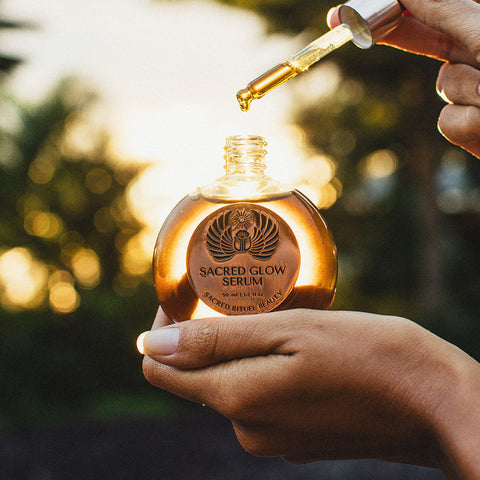
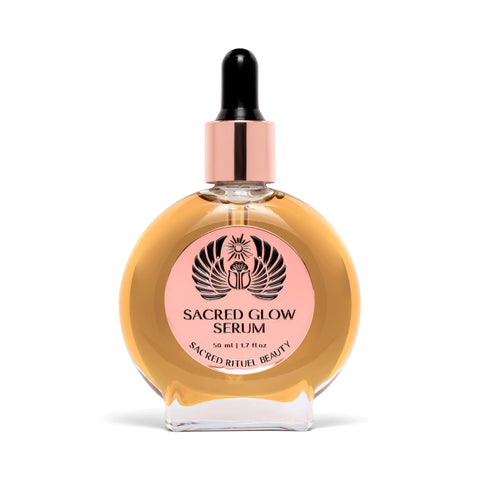
Facial redness has many causes, from everyday environmental stress and a compromised moisture barrier to sensitive, reactive skin, and the right whole-plant oil can genuinely support the look of calmer, less-red skin. The botanicals herbalists have trusted for centuries to soothe and comfort reactive skin are the same ones research now documents: rosehip seed oil is clinically shown to improve the look of redness and discoloration, and rose, calendula, chamomile, and helichrysum carry well-documented soothing, anti-inflammatory constituents. That is why thousands in our community reach for Sacred Serum, a cold-pressed blend of 14 botanical oils formulated by folk herbalist Marysia Miernowska, many of them after dermatologist-prescribed products left their skin raw and reactive. In our reviews, many people with sensitive skin describe it leaving their skin calmer and less reactive. One honest note: if you suspect rosacea or eczema, those are medical conditions a dermatologist diagnoses, so get them checked, and patch test any new oil first.
Key Takeaways:
- Calmer-looking skin, with the receipts: Whole-plant botanicals support the look of calmer, less-red skin and the feel of soothed, comfortable skin. Rosehip seed oil is clinically shown to improve the look of redness, and rose, calendula, chamomile, and helichrysum carry documented soothing constituents.
- Clean and gentle by design: Cold-pressed, plant-based ingredients with no synthetic fragrance are kinder to reactive skin and to the earth, and cold-pressing preserves the delicate actives that heat would destroy.
- One honest medical note: Redness you suspect is rosacea or eczema should be diagnosed by a dermatologist, since those are medical conditions, and you should patch test any new oil first.
When your skin feels reactive and looks flushed, the products that promise the most often deliver the least, and the harsh ones make it worse. There is a better way, and it is the oldest one: whole plants. A thoughtfully formulated whole-plant oil supports the look of calmer skin and the feel of soothed, comfortable skin while it nourishes the barrier that keeps reactive skin reactive.
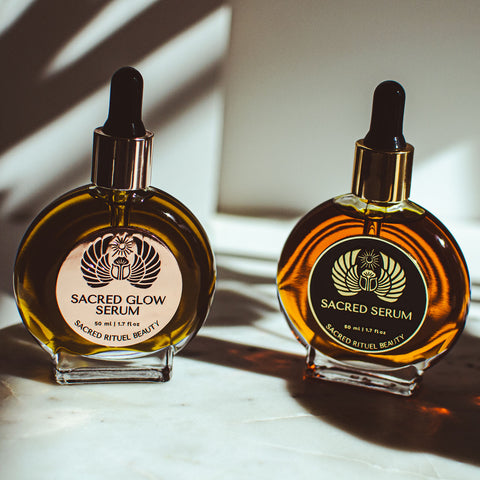
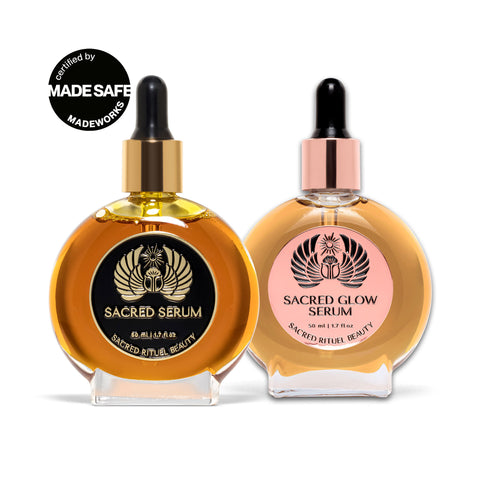
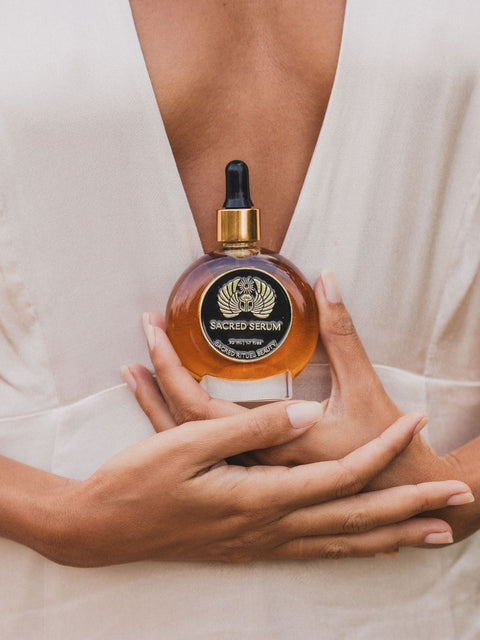
At Sacred Rituel, every product is formulated by folk herbalist Marysia Miernowska, founder of the School of the Sacred Wild, from cold-pressed, whole-plant botanicals chosen for what plants actually do for skin. Our hero is Sacred Serum, a whole-plant oil rather than a synthetic serum, and it is what many people with sensitive, redness-prone skin reach for as their daily ritual, often after prescriptions left their skin raw.
In this article we will look at what causes facial redness, how whole-plant botanicals support the look and feel of calmer skin, and the one situation where redness is worth checking with a dermatologist.
What causes redness on the skin, and can a serum help?
Facial redness has many sources. Common triggers include environmental factors such as pollution, sun exposure, and harsh weather, as well as skincare with synthetic fragrance, alcohol, and other stripping ingredients. Sensitive and reactive skin types flush more easily, and a depleted moisture barrier makes everything worse. Sometimes redness points to a medical condition such as rosacea or eczema, which is why understanding the cause matters before you reach for a product.
For everyday sensitivity and a stressed barrier, the right whole-plant oil does real work: it supports the look of calmer, less-red skin and the feel of soothed, comfortable skin while it nourishes the barrier itself. Plant oils are documented to support the skin's moisture barrier and are compatible with the skin's own lipid matrix, which is exactly what reactive skin needs. The honest exception is medical: if your redness is persistent, painful, or worsening, that is a reason to see a dermatologist rather than keep experimenting, and you can read more about The Link Between Rosacea And Autoimmune Disorders to understand when redness may point to something that needs professional care.
Our Sacred Serum is a whole-plant oil built for sensitive skin: a cold-pressed blend of 14 botanical oils, rich in fatty acids, antioxidants, and polyphenols that nourish and support a comfortable moisture barrier. In our reviews, customers describe it leaving their skin soothed and visibly calmer, one writing, "my skin has never been so calm." This is whole-plant care doing what plants have always done for reactive skin.
What Is A Redness-Reducing Serum?
A redness-reducing serum is a lightweight skincare product chosen to support the look of calmer, less-red skin. Compared with a heavy cream, a serum is usually light and concentrated, and the best ones lean on soothing, plant-derived botanicals that help skin look and feel more comfortable, which is why they are a favorite for sensitive and reactive skin.
Here is where honesty matters. A topical product supports the appearance and feel of your skin and the comfort of your barrier; it is not a medicine and does not treat the underlying cause of a medical condition like rosacea. If you suspect a condition, a dermatologist is the right starting point, and you can read about how the seasons play a role in Why Winter Weather May Influence Your Rosacea Treatment Choices.
Where Sacred Serum differs is that it is not a synthetic serum at all. It is a whole-plant oil, a cold-pressed phytocomplex of fatty acids, antioxidants, and polyphenols, and the synergy of that full plant complex is what herbalists call the whole-plant tradition and what research calls the entourage effect: the intact plant outperforms its isolated molecules. Cold-pressing preserves those delicate actives so they reach your skin alive.

Can I use a redness-reducing serum if I have oily skin?
Yes. Lightweight, plant-based oils suit most skin types, including oily and combination skin, and a well-formulated whole-plant oil absorbs without a heavy, greasy feel. What people with redness-prone skin value most is comfort, and here is what they tell us they notice:
- A soothed feel on application: Pressing the oil in feels comforting and calming on reactive skin.
- A stronger, more comfortable barrier: Regular use of a nourishing whole-plant oil supports the moisture barrier with the fatty acids reactive skin runs short on, which is often less reactive to everyday stress.
- The look of calmer skin over time: People consistently describe their skin looking calmer and less red with steady, gentle care, which describes the appearance of the skin.
- Light and layerable: A whole-plant oil presses easily into damp skin and layers under the rest of your routine.
- Fragrance-free, sensitive-skin-minded: The aroma is the plants themselves, with no synthetic fragrance, the most common trigger for reactive skin.
The evidence is in our community. In our reviews, many people focused on sensitivity describe their skin as calmer and less reactive after using Sacred Serum, with comments like "less reactive skin," many report lasting moisture, and a focused group speak directly to the look of redness, one writing, "my redness was calmed," and another, simply, "helps the redness." Many came to whole-plant oils only after prescription products left their skin raw and reactive. For more gentle approaches, see How To Soothe Irritated Skin: Gentle Remedies That Work.
Gentle, Soothing Ingredients To Look For
When you choose a whole-plant oil for redness-prone skin, you are choosing botanicals herbalists have trusted for centuries and that research increasingly documents. Here are a few worth knowing, described for what the plants are known to do, with the science cited where it exists, and never as treatments for any condition.
Chamomile
Chamomile is one of the most cherished botanicals in the herbalist tradition for sensitive skin, documented in the research for its soothing, anti-inflammatory constituents. It is a classic in calming rituals for skin that looks flushed or feels reactive, helping skin feel calm and comfortable.
Calendula
Calendula is a time-honored botanical herbalists reach for whenever skin needs comforting, documented for its soothing, anti-inflammatory constituents and rich in antioxidants. It supports skin against everyday environmental stress and is a favorite for sensitive, easily flushed complexions.
Rose
Rosa damascena is one of the great soothing botanicals, and research documents its anti-inflammatory, antioxidant, and calming properties. It is hydrating and barrier-supporting, and it carries the kind of reverence the plant has held in skincare for millennia.
Rosehip Oil
Rosehip Oil is the standout for redness. In a 12-week clinical study it was shown to improve the look of redness and discoloration, and it is rich in natural vitamin C and carotenoids alongside the essential fatty acids that support a comfortable, well-conditioned barrier. It is one of the cold-pressed oils in Sacred Serum and a long-loved botanical for skin that looks dull, red, or feels dry and tight.
Helichrysum
Helichrysum is a treasured botanical in the herbalist tradition, documented for its soothing constituents and rich in antioxidants. It supports the feel of soothed, comfortable skin and is prized in gentle rituals for complexions that flush easily.
How To Build A Gentle Routine For Redness-Prone Skin
Adding a whole-plant oil to your routine is simple, and a few steps help you support the look and feel of calmer skin. Here is how to fold it into your ritual:
Start With A Clean Canvas
Begin by cleansing with a gentle, fragrance-free cleanser free from harsh sulfates. Gentle oil cleansing preserves the skin microbiome that harsh surfactants strip, so a clean face lets the rest of your routine absorb without adding new irritants to sensitive skin.
Apply Toner (Optional)
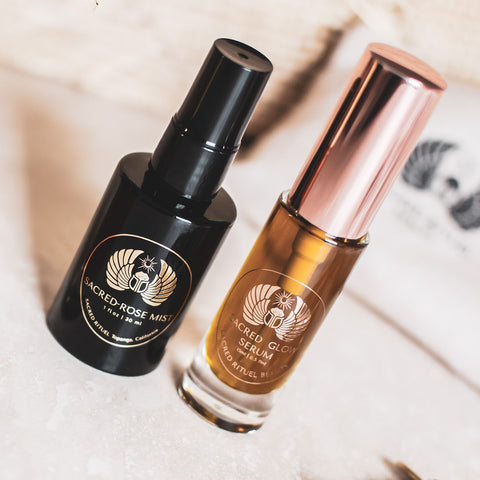
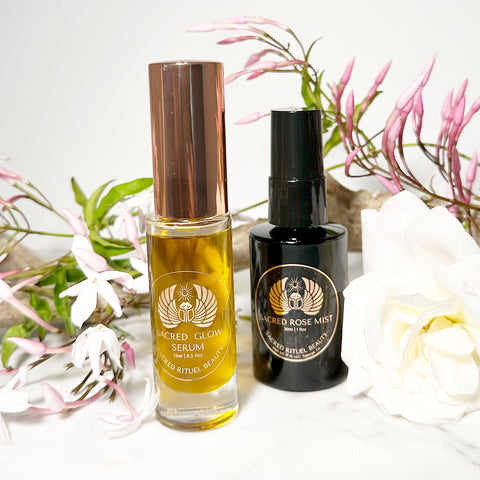
If you use a toner, choose one that is alcohol-free and made for sensitive skin, like Sacred Rose Mist. A gentle rose hydrosol is naturally cooling and soothing, adds a light layer of moisture, and is a comforting step when your skin feels tight after cleansing.
Press In Your Whole-Plant Oil
After cleansing and toning, press a few drops of Sacred Serum into slightly damp skin, focusing on areas that look flushed, such as the cheeks or nose. Pressing rather than rubbing minimizes friction on reactive skin and helps it feel soothed and comfortable.
Follow With Moisturizer If You Like
Once the oil has absorbed, you can follow with a moisturizer suited to sensitive skin to seal in moisture. Choose something without harsh additives so the whole routine stays gentle.
Finish With Sunscreen (AM Only)
In the morning, finish with a broad-spectrum sunscreen of at least SPF 30. Sun exposure is one of the most common reasons skin looks more flushed, so daily protection is one of the kindest habits for redness-prone skin. Sacred Serum is a nourishing whole-plant oil, not a sunscreen, so always pair it with dedicated sun protection.
Make It A Simple Daily Ritual
Consistency matters more than intensity for sensitive skin. A simple ritual is easy to keep: cleanse, mist, then press in your oil morning and evening. The Sacred routine set pairs the whole-plant oil with the rose mist so the gentle steps live together. People with reactive skin tell us a calm, steady ritual is what keeps their skin looking and feeling its most comfortable.
Tips For Choosing A Clean, Gentle Product
Choosing clean, gentle products is good for reactive skin and for the earth. Here is what to look for:
Check For Natural And Organic Ingredients
Look for whole-plant, organic ingredients rather than synthetic additives. Organic botanicals are grown without synthetic pesticides, and simpler formulas carry fewer of the harsh ingredients reactive skin reacts to.
Choose Fragrance-Free
Synthetic fragrance is one of the most common triggers for sensitive, redness-prone skin, so choose fragrance-free. The aroma in a whole-plant oil comes from the botanicals themselves, never from added synthetic fragrance.
Avoid Harsh Chemicals
Steer clear of synthetic fragrance, parabens, sulfates, and other harsh additives. These disrupt the skin's natural balance and leave sensitive skin looking and feeling more irritated.
Support Cruelty-Free Brands
If animal welfare matters to you, look for products labeled cruelty-free. Many cruelty-free brands hold their suppliers to the same standard, supporting a more ethical industry.
Consider A Brand's Environmental Impact
Some brands go further, sourcing ingredients ethically and reducing waste. Choosing brands committed to sustainability means your purchase supports lower environmental impact.
Look For Transparency
Trustworthy brands are open about ingredient sourcing and how products are made, so you know exactly what you are putting on your skin.

Patch-Testing A New Oil
Before adding any new oil to your routine, patch test it first, which matters most for reactive and sensitive skin. Apply a small amount of Sacred Serum to your inner arm and leave it for 24 hours before using it on your face. If you notice any irritation, do not use it on your face. This simple step is well worth the wait for skin that flushes easily.
When To See A Dermatologist
A whole-plant ritual supports the look and feel of calmer skin, and there is one honest situation where it is not the right tool: medical diagnosis. See a dermatologist if your redness is persistent, painful, or worsening, or if you suspect rosacea or eczema, since both are medical conditions that need professional diagnosis and care. A dermatologist can confirm what is going on and discuss the approaches that suit your skin, including any prescription options, which are best used under professional guidance. For more on how redness connects to deeper patterns, see How A Facial Serum Can Help Reduce Skin Inflammation And Redness, and never start, stop, or change a prescription on your own.
Final Thoughts
For anyone with sensitive, redness-prone skin, a calm, consistent whole-plant ritual makes a real difference to how skin looks and feels. The botanicals are doing genuine work: rosehip clinically shown to improve the look of redness, rose and calendula and chamomile and helichrysum carrying documented soothing constituents, and plant oils supporting the barrier that keeps reactive skin calm. Thousands in our community came to these oils after prescriptions failed them, and their skin looks and feels calmer for it.
The path is patience and whole plants. Redness that comes and goes with triggers looks calmer once you remove the irritants and keep your ritual simple. The one honest exception is medical: redness that is persistent, painful, or worsening, or that you suspect is rosacea or eczema, deserves a dermatologist's eye.
Sources:
- Valerón-Almazán, P., et al. (2015). Evaluation of the efficacy of rosehip oil in the treatment of post-surgical scars. A 12-week study of erythema and discoloration.
- Lin, T. K., Zhong, L., & Santiago, J. L. (2018). Anti-inflammatory and skin barrier repair effects of topical application of some plant oils. International Journal of Molecular Sciences, 19(1), 70.
- Srivastava, J. K., Shankar, E., & Gupta, S. (2010). Chamomile: A herbal medicine of the past with a bright future. Molecular Medicine Reports, 3(6), 895-901.
- Russo, E. B. (2019). The case for the entourage effect and conventional breeding of clinical cannabis: No "strain," no gain. Frontiers in Plant Science, 9, 1969.
Frequently Asked Questions
What causes redness on the skin, and can a serum help?
Facial redness can come from environmental stress, sun and weather, harsh or fragranced products, sensitive reactive skin, or a medical condition like rosacea or eczema. A whole-plant oil supports the look of calmer, less-red skin and the feel of soothed skin while it nourishes the barrier, and rosehip seed oil in particular is clinically shown to improve the look of redness. The one honest exception is medical: redness that is persistent, painful, or worsening should be checked by a dermatologist.
Can I use a redness-reducing serum if I have oily skin?
Yes. Lightweight, plant-based oils suit most skin types, including oily and combination skin, and a well-formulated whole-plant oil absorbs without a heavy, greasy feel. In our reviews, many people focused on sensitivity describe their skin as calmer and less reactive after using Sacred Serum. Look for fragrance-free formulas and patch test first.
How often should I use a redness-reducing serum?
Most whole-plant oils can be used once or twice daily, morning and evening, depending on your skin's sensitivity. For reactive skin, steady consistency matters more than frequency. Patch test any new product on your inner arm for 24 hours before facial use, and follow the product's own directions.
What's the difference between a redness-reducing serum and a color-correcting product?
A color-correcting product, like a green-tinted primer or concealer, camouflages the look of redness temporarily with pigment that sits on top of the skin and washes off. A whole-plant oil instead supports the look and feel of calmer skin over time as part of your routine, nourishing the barrier rather than masking. They do different jobs and can be used together.
What serum helps support the look of less-red skin?
Rather than a synthetic serum, many people with sensitive, redness-prone skin reach for a whole-plant oil like Sacred Serum, a cold-pressed blend of 14 botanical oils. It includes rosehip seed oil, clinically shown to improve the look of redness, alongside rose, calendula, chamomile, and helichrysum, botanicals documented for their soothing constituents. In our reviews, many people focused on sensitivity describe their skin as calmer and less reactive, one writing "my skin has never been so calm." Patch test first, and see a dermatologist if you suspect rosacea or eczema.
What causes facial redness?
Facial redness can be triggered by environmental factors like sun, wind, and cold weather, by harsh or fragranced skincare, by sensitive and reactive skin, and by medical conditions such as rosacea and eczema. Removing harsh triggers and keeping a gentle, whole-plant routine often helps skin look calmer, since plant oils support the moisture barrier reactive skin depends on. If redness is persistent, painful, or worsening, or you suspect rosacea or eczema, see a dermatologist for diagnosis and care.
Radiance Is Personal. Let’s Reveal Yours...
All Day Glow Essentials