
What Is The Best Moisturizer For Winter Dry Skin?
For dry skin, the best moisturizer is a whole-plant facial oil, and we have years of community feedback and the plant science to back it. Dry skin is short on the lipids that hold water in, and plant oils are documented to support and repair the skin's own moisture barrier because they are compatible with its natural lipid matrix (Lin et al. 2018). That is why so many people reach for Sacred Serum, a cold-pressed blend of 14 organic botanical oils formulated by folk herbalist Marysia Miernowska, founder of the School of the Sacred Wild. Among people who came to it for dry, thirsty skin, many describe lasting moisture, one writing it "put moisture back in my skin like never before." Below we cover how often to moisturize, why oil-based beats water-based for dry skin, and how to get all-day hydration without a greasy finish.
Key Takeaways:
- The best moisturizer for dry skin is a whole-plant oil: Dry skin lacks the lipids that hold water in, and plant oils are documented to support and repair the skin's moisture barrier because they are compatible with its own lipid matrix (Lin et al. 2018).
- The receipts: Among our community using Sacred Serum for dry, thirsty skin, many describe lasting moisture, and chia seed oil, one of its cold-pressed botanicals, is clinically shown to improve skin hydration and reduce water loss (Jeong 2010).
- Work with your skin's clock: Skin does its deepest repair overnight (Pelle 2018), so a nourishing whole-plant oil at night works with your skin's natural rhythm. For dry body skin, a whole-plant body oil does the same below the neck.
Winter Dry Skin has a way of making everything feel tight, rough, and thirsty. Cold air outside and dry indoor heat strip away the oils your skin needs to hold water, and the thick creams that promise relief often sit on the surface and fade by afternoon. There is an older, more honest answer, and it is the one herbalists have always trusted: whole plants. A well-formulated whole-plant oil supports the look of dewy, hydrated skin and the feel of soft, comfortable skin while it nourishes the moisture barrier that keeps dryness from coming back.
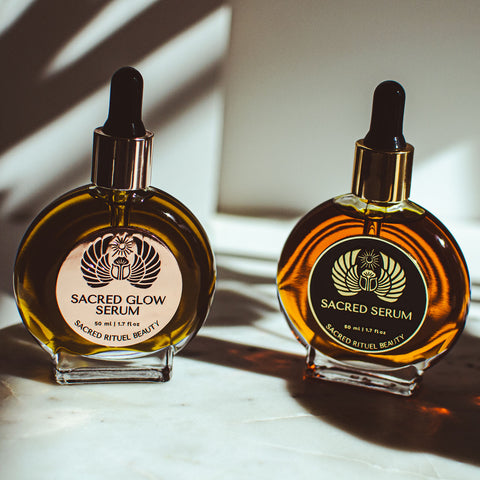
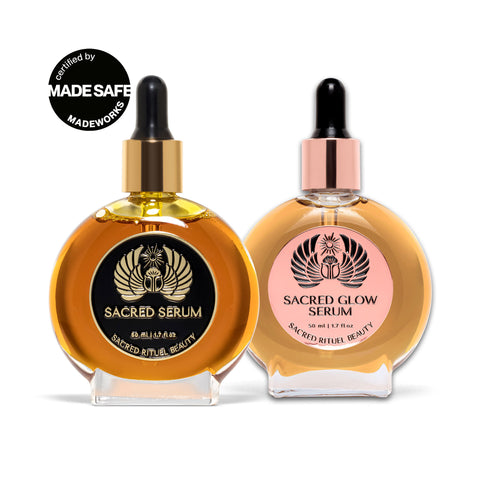
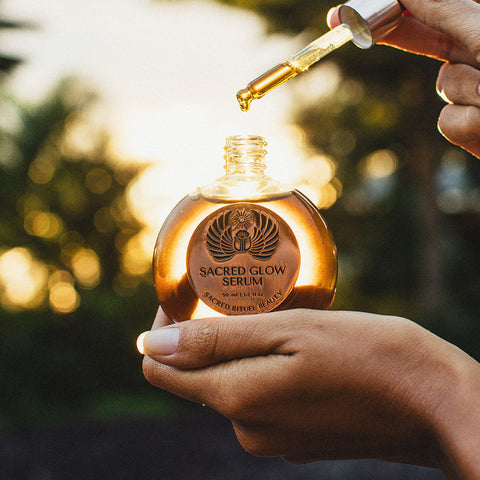
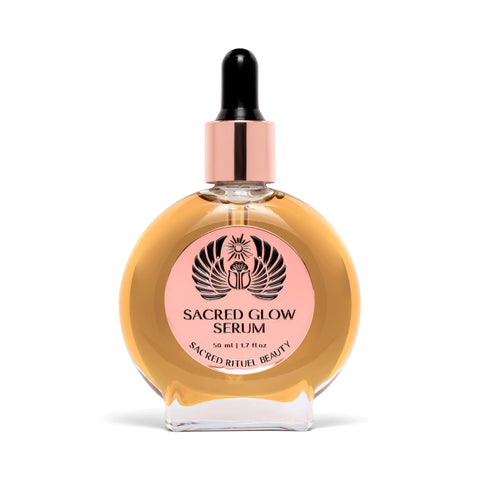
At Sacred Rituel, every product is formulated by folk herbalist Marysia Miernowska, founder of the School of the Sacred Wild, from cold-pressed, whole-plant botanicals chosen for what plants actually do for skin. For the face, our hero is Sacred Serum, a whole-plant oil rather than a synthetic serum, and it is what many people with dry, thirsty skin reach for as their daily ritual.
In this article we will answer how often to moisturize dry skin, whether oil-based or water-based is better, whether you can over-moisturize, how to avoid a greasy finish, and what actually hydrates extremely dry skin.
How often should I moisturize if I have dry skin?
For dry skin, moisturize at least twice a day, in the morning and again before bed, and reapply after cleansing or showering while skin is still slightly damp so you seal water in before it evaporates. The reason this rhythm works comes down to barrier biology: dry skin loses water through a depleted lipid barrier faster than it can replace it, so you are replenishing both the water and the oils that hold it.
The nighttime application matters most. Skin does its deepest repair overnight (Pelle 2018), so a nourishing whole-plant oil pressed in before bed works with your skin's natural rhythm rather than against it. If you want to read more about overnight care for very depleted skin, see What To Do To Heal Raw Skin On Your Face Overnight.
Sacred Serum is built for exactly this: a cold-pressed blend of 14 botanical oils, rich in fatty acids, antioxidants, and polyphenols that nourish the moisture barrier dry skin runs short on. In our reviews, people using it for dry, thirsty skin describe waking to skin that still feels hydrated, one writing it left her skin "now it is hydrated." For the body, the same logic applies with a whole-plant body oil, which you can read about in Does Body Oil Actually Moisturize Skin? Here's The Answer.
Is a water-based or oil-based moisturizer better for dry skin?
For dry skin, oil-based is better. A water-based cream delivers a burst of moisture that can evaporate within hours, while a whole-plant oil supplies the very lipids dry skin is missing and helps hold water in for longer. This is the heart of why a facial oil outperforms a lotion for genuinely dry skin: it is replacing what is depleted, not just adding water that leaves again.
Here is what people with dry, thirsty skin tell us they notice with a whole-plant oil:
- Lasting moisture, not a quick fix: Among our community using Sacred Serum for dry, thirsty skin, many describe lasting moisture, one writing it "put moisture back in my skin like never before."
- A more comfortable barrier: Plant oils are documented to support and repair the skin's moisture barrier and are compatible with its own lipid matrix (Lin et al. 2018), which is exactly what dry skin needs to stop losing water.
- A healthy glow: Nearly a quarter of people in that group describe a healthy glow, one calling it "a sun kissed glow."
- Hydrated, not greasy: A well-made whole-plant oil presses into damp skin and absorbs, leaving skin "feeling moisturized without feeling oily."
- Fragrance-free and gentle: The aroma is the botanicals themselves, with no synthetic fragrance, which dry, easily irritated skin appreciates.
If you want a feel for what well-conditioned, hydrated skin actually looks like, see Supple Skin Meaning: What It Is And How To Achieve It.
The Whole-Plant Botanicals That Hydrate Dry Skin
The best moisturizer for dry skin earns it through the plants inside. Here are a few of the cold-pressed botanicals that make whole-plant oils so effective for thirsty skin, described for what the plants are known to do, with the science cited where it exists.
Chia Seed Oil
Chia seed oil is one of the standout hydrators. In a clinical study it was shown to improve skin hydration and reduce transepidermal water loss (Jeong 2010), which is precisely the two-part job dry skin needs done: add moisture and stop it from escaping. It is rich in omega fatty acids that the barrier depends on.
Jojoba Oil
Jojoba oil closely mirrors the skin's own sebum, so it absorbs readily and conditions dry skin without a heavy residue. Its skin-lipid compatibility is exactly why herbalists and formulators reach for it to smooth a dry, rough surface feel.
Rosehip Oil
Rosehip oil is rich in essential fatty acids and natural carotenoids, a long-loved botanical for skin that looks dull, dry, or feels tight. It nourishes the barrier and supports the look of smoother, more hydrated skin.
Sweet Almond Seed Oil
Sweet almond seed oil is a gentle, time-honored emollient that softens and comforts dry skin. It is mild enough for skin that turns reactive in cold weather and helps skin feel supple rather than tight.
Tocotrienols Vitamin E
Tocotrienols, a potent form of vitamin E, are antioxidants the herbalist tradition and the research both prize for nourishing and protecting skin against everyday environmental stress, supporting the look of healthy, well-conditioned skin.
The deeper point is the whole plant. Cold-pressing preserves these delicate actives that heat would destroy, and the synergy of the full phytocomplex, what herbalists call the whole-plant tradition and what research calls the entourage effect, is why the intact plant outperforms its isolated molecules.
How To Use A Facial Oil For Maximum Hydration
Getting the most hydration from a whole-plant oil is simple, and a few habits make a real difference for dry skin. Here is how to fold it into your ritual:
Apply To Damp Skin
Press a few drops of Sacred Serum into slightly damp skin right after cleansing or misting. Damp skin seals the moisture in before it evaporates, making the oil more effective at locking hydration into the surface.
Press, Do Not Rub
Warm a few drops between your palms and press them gently into your face rather than dragging across the skin. Pressing minimizes friction on dry, sometimes tender skin and helps it feel soothed and comfortable.
Focus On Dry Patches
Give a little extra to the areas that go driest in winter, often the cheeks, around the nose, and anywhere skin looks flaky. These spots need the most lipids to look smooth and hydrated again.
Use At Night For Deepest Repair
Make the evening application your anchor. Skin does its deepest repair overnight (Pelle 2018), so pressing in a nourishing whole-plant oil before bed works with your skin's natural rhythm, and you wake to skin that feels soft and hydrated.
Do Not Forget The Body
Dry skin rarely stops at the jawline. After a shower, while skin is still damp, massage in Sacred Body Oil, a whole-plant body oil with barrier-rich lipids for dry, crepey body skin and a natural botanical aroma from gardenia, vanilla, vetiver, and palo santo. People tell us their "body drinks this in," and you can read more in Revitalize And Hydrate: The Ultimate Guide To Body Oils For Dry Skin.
Building A Simple Dry-Skin Ritual
A consistent, gentle routine does more for dry skin than any single heroic product. Here is a simple ritual that keeps skin hydrated all day.
Cleanse Gently
Start with a gentle, non-stripping Cosmic Cleansing Oil rather than a foaming cleanser that strips the oils dry skin can least afford to lose. Oil cleansing leaves the barrier intact so the rest of your routine can do its work.
Mist To Hydrate
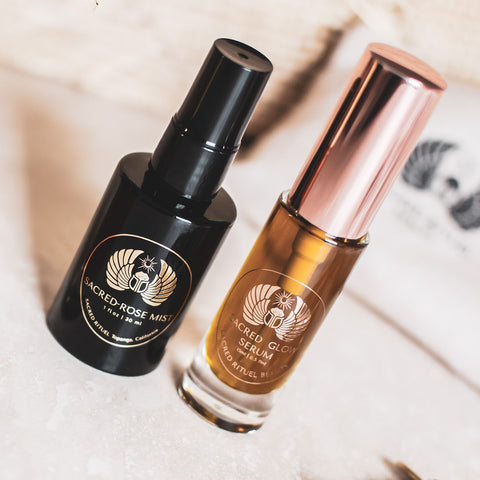
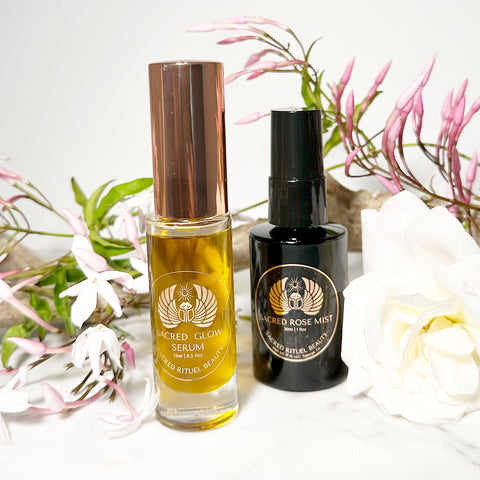
Follow with Sacred Rose Mist while your skin is still slightly damp. A rose hydrosol is naturally cooling and soothing, and it lays down a light layer of water for your oil to seal in.
Press In Your Whole-Plant Oil
Press a few drops of Sacred Serum into damp skin to seal in the moisture and supply the lipids dry skin is missing. This is the step that makes hydration last.
Protect By Day
In the morning, finish with a broad-spectrum sunscreen of at least SPF 30. Sun and wind are two of the biggest reasons winter skin looks dry and rough, so daily protection is one of the kindest habits for dry skin. Sacred Serum is a nourishing whole-plant oil, not a sunscreen, so always pair it with dedicated sun protection.
Make It A Set
The easiest way to keep the steps together is the Sacred routine set, which pairs the facial oil with the rose mist and the body oil so face and body hydration live in one ritual. Consistency, more than intensity, is what keeps dry skin comfortable through the season.

A Note On Itchy, Irritated Skin
Very dry skin in winter can become itchy, flaky, and uncomfortable, and a nourishing whole-plant oil genuinely helps it look and feel softer, calmer, and more hydrated. One honest distinction matters here: ongoing, painful, or spreading rashes, or anything you suspect is eczema or dermatitis, are medical conditions a dermatologist diagnoses, not something a moisturizer treats. If that is what you are seeing, get it checked. And whenever you add a new oil, patch test it first by applying a small amount to your inner arm and waiting 24 hours before using it on your face.
Final Thoughts
The best moisturizer for dry skin is the one that replaces what dry skin is actually missing: the lipids that hold water in. A whole-plant facial oil does exactly that, supporting and repairing the moisture barrier (Lin et al. 2018) while it leaves skin looking dewy and feeling soft. The botanicals are doing real work, with chia clinically shown to improve hydration and reduce water loss (Jeong 2010), and your skin's own overnight repair cycle (Pelle 2018) doing the rest while you sleep.
Thousands in our community came to whole-plant oils for thirsty winter skin and stayed, many dry-skin users describing lasting moisture from Sacred Serum. Keep the ritual simple, press your oil into damp skin morning and night, carry the same care to your body, and your skin will look and feel hydrated all season long.
Sources:
- Lin, T. K., Zhong, L., & Santiago, J. L. (2018). Anti-inflammatory and skin barrier repair effects of topical application of some plant oils. International Journal of Molecular Sciences, 19(1), 70.
- Jeong, S. K., et al. (2010). Effect of topical chia seed oil on pruritus and skin barrier function. Annals of Dermatology, 22(2), 143-148.
- Pelle, E., et al. (2018). Circadian rhythm and the skin: Overnight repair and the chronobiology of cutaneous renewal. (Chronobiology in dermatology review.)
- Kiralan, M., & Yildirim, G. (2019). Rosehip (Rosa canina L.) oil. Fruit Oils: Chemistry and Functionality, 803-814.
Frequently Asked Questions
How often should I moisturize if I have dry skin?
For dry skin, moisturize at least twice a day, in the morning and before bed, and reapply after cleansing or showering while skin is still slightly damp so you seal water in before it evaporates. The nighttime application matters most, since skin does its deepest repair overnight, so a nourishing whole-plant oil like Sacred Serum pressed in at night works with your skin's natural rhythm.
Is a water-based or oil-based moisturizer better for dry skin?
For dry skin, oil-based is better. A water-based cream adds moisture that can evaporate within hours, while a whole-plant oil supplies the very lipids dry skin is missing and helps hold water in for longer. Plant oils are documented to support and repair the skin's moisture barrier because they are compatible with its own lipid matrix. In our reviews, many people using Sacred Serum for dry, thirsty skin describe lasting moisture.
Can you over-moisturize dry skin?
You can use too much product, which leaves a greasy film rather than helping, but a well-formulated whole-plant oil used in a few drops is hard to overdo because it absorbs into the barrier rather than sitting on top. Stick to morning and night, use a small amount, and let it absorb. If your skin starts to feel congested, simply use less.
How can I prevent my moisturizer from feeling greasy on my skin?
Use a small amount, press it into slightly damp skin, and give it a minute to absorb before layering anything else. A whole-plant oil that mirrors the skin's own lipids, like the jojoba in Sacred Serum, sinks in rather than sitting on the surface. In our reviews, people with dry skin describe it leaving skin moisturized without feeling oily.
What is the best moisturizer for extremely dry skin?
For extremely dry skin, a whole-plant facial oil is the strongest choice because it replaces the lipids the barrier is missing instead of just adding water. Sacred Serum is a cold-pressed blend of 14 botanical oils, including chia seed oil, which is clinically shown to improve hydration and reduce water loss. Press it into damp skin morning and night, and carry the same care to the body with a whole-plant body oil. If skin is cracked, raw, or you suspect eczema or dermatitis, see a dermatologist.
What hydrates extremely dry skin?
Extremely dry skin needs both water and the lipids that hold it in, which is why a whole-plant oil works so well: it supplies the fatty acids the barrier depends on and seals hydration in. Botanicals like chia, jojoba, rosehip, and sweet almond are rich in the omega fatty acids dry skin runs short on. Apply to slightly damp skin morning and night, lean on the overnight application when skin repairs most deeply, and keep the routine consistent.
Radiance Is Personal. Let’s Reveal Yours...


All Day Glow Essentials