
Toner For Hyperpigmentation
Are dark spots and uneven patches keeping your glow from showing through? A thoughtfully formulated toner for hyperpigmentation lays the groundwork for brightening by delivering lightweight hydration and helping your next steps spread evenly. It’s the quiet, consistent step that supports clarity day after day, no complicated routine required.
Products formulated with Arnica to address reduce skin inflammation, bruising, and swelling.

What A Toner For Hyperpigmentation Does
A skin brightening toner adds featherlight hydration to soften the look of dryness and helps the rest of your routine glide without friction—critical when you’re targeting discoloration.
Consistent, gentle hydration supports a resilient barrier so brightening steps can do their job. Think of toner as both preparation and care: it improves spread, reduces tugging, and sets your skin up for even application of serum and oil.
Toners for dark spots work best when they’re simple and soothing. Look for hydrosols and plant extracts that feel weightless, sit well under SPF, and won’t pill under makeup. If your discoloration follows breakouts, see our guide to hyperpigmentation acne for post‑blemish support while you brighten.
How To Use Your Dark Spot Serum
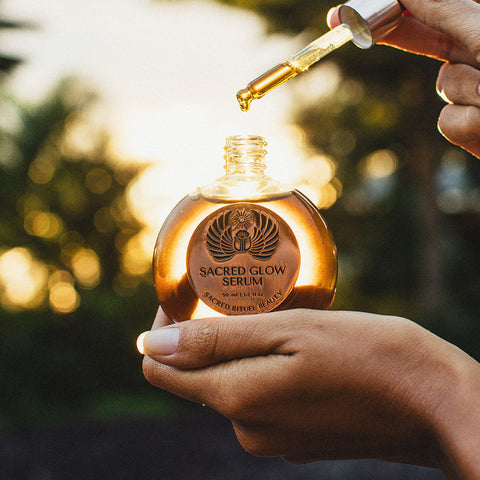
A dark spot serum works best on clean, slightly damp skin so the formula spreads evenly and absorbs without waste. Use 2–4 drops for the face (1–2 for neck), press gently with fingertips rather than rubbing, and allow 30–60 seconds before your next step. Seal with a few drops of lightweight face oil to keep comfort high while your serum for hyperpigmentation does the brightening work.
In the daytime, always finish with mineral SPF to protect results and help prevent new discoloration. Keep the routine steady for 2–4 weeks before you tweak amounts or frequency.
Consistency matters more than complexity. Apply morning and night, use the smallest amount that fully covers the target area, and avoid skipping sunscreen—even on cloudy days or when you’ll be near windows. If your skin is easily sensitized, start once daily for the first week, then build to twice daily as comfort allows.
Prep The Canvas: Cleanse And Hydrate
In the evening, remove sunscreen and makeup with a gentle cleanse so your skin brightening serum can reach the surface evenly.
In the morning, a light cleanse or a lukewarm rinse is usually enough. Mist or sweep on a hydrating toner so skin is slightly damp, this improves glide and lets you use fewer drops without tugging.
Application Technique: Press, Don’t Rub
Dispense the serum into clean fingertips and press over areas of concern first, then feather outward. Patting helps minimize friction and keeps reactive skin calm.
Avoid the immediate eye area and any open blemishes; for the neck and chest, start with 1–2 drops and patch test.
Morning Vs. Evening: Smart Layering
AM: cleanse or rinse, hydrate, apply the hyperpigmentation serum, seal with a few drops of oil, then use mineral SPF. Keep layers light so sunscreen sits smoothly.
PM: after cleansing and toner, apply serum on damp skin and seal with oil; a brief, gentle massage can support product spread and relaxation.
Pairing With Other Actives
If you also use exfoliants or retinoids, alternate nights rather than stacking to avoid over‑exfoliation. Keep exfoliation to 1–2 times per week and monitor comfort closely.
When introducing vitamin C or other brighteners, add them slowly and observe how your skin responds. The goal is steady progress from a serum for uneven skin tone without tipping the barrier out of balance.
Pacing, Comfort, And Progress Tracking
Expect improved softness and a subtle glow within days, with visible brightening typically building over 4–8 weeks. Take a photo in the same lighting every two weeks so you can spot changes accurately.
If you experience lingering redness or tightness, reduce to once daily or pause for 48 hours, then reintroduce gradually. Sunscreen is the non‑negotiable partner step that preserves gains and helps prevent new spots.
Ingredients To Look For In A Hyperpigmentation Toner
Focus on botanicals that support clarity without harshness. Hydrosols (like rose or chamomile), glycerin, and antioxidant‑rich plant extracts add hydration and comfort with a barely‑there feel. Lightweight formulas that layer well under mineral SPF make daily use—and results—more likely.
Equally important is what to skip. If you’re avoiding flare‑ups, minimize heavy fragrance and keep INCI lists short and readable. A calm barrier responds better to brightening steps over time.
Tone‑Inclusive Guidance Matters
Melanin‑rich skin can be more prone to post‑inflammatory hyperpigmentation from friction or picking, so a soft touch matters.
Apply toner to damp skin, press rather than rub, and take care around areas that see frequent rubbing (mask lines, collars, hats). Daily SPF is non‑negotiable for every tone, indoors and out.
For nuance on melanin‑rich complexions and targeted care choices, read hyperpigmentation treatment for dark skin. Pair your toner for hyperpigmentation with a serum and oil you’ll use consistently—small, repeatable steps create visible change.
Build A Simple Brightening Ritual
A consistent routine is more powerful than a complicated one. Keep your core steps focused and repeatable: cleanse or rinse, apply a skin brightening toner to damp skin, layer your serum, seal with a few drops of oil, and protect with mineral SPF in the morning.
This rhythm cushions the barrier, reduces friction, and helps your brightening products distribute evenly over areas of concern.
Think “light layers, gentle pressure, steady cadence.” Apply toner and serum while skin is slightly damp to improve glide and minimize tugging. Press products in rather than rubbing, adjust the number of drops by zone, and give every step 30–60 seconds to settle before the next. Over 2–4 weeks, most complexions show a calmer, more balanced look when these basics stay the same.
Morning Routine (AM)
Cleanse or rinse, then apply your skin brightening toner to damp skin. Follow immediately with a thin layer of serum and seal with a few drops of lightweight face oil. Finish with mineral SPF to protect progress and help prevent new discoloration; keep textures featherlight so sunscreen sits smoothly.
Evening Routine (PM)
If you wore sunscreen or makeup, double cleanse gently. While skin is still damp, apply hyperpigmentation toner, press in your serum, and seal with oil to buffer comfort overnight. A brief, soft press with the palms helps distribute product evenly without rubbing or heat.
Weekly Tweaks & Exfoliation
Limit exfoliation to one or two gentle sessions per week so you don’t create rebound irritation that can lead to more visible marks.
Keep brightening steps on non-exfoliation nights to maintain comfort. If a step tingles or tightens for more than a minute or two, scale back frequency before you consider stronger products.
Sensitive Skin Pacing
Start once daily with toner and serum for the first week, then increase to twice daily as comfort allows. Choose minimalist, fragrance-light formulas and patch test along the jawline for 24 hours before full use. If you get reactive, reduce the number of drops, add a little extra oil for cushion, and let consistency do the work.
Seasonal & Climate Adjustments
In warm, humid weather, keep layers sheer and re-mist as needed for slip before serum. In cold, dry conditions, apply toner to damp skin and consider a second pass before sealing with oil. Small adjustments by climate help your toner for dark spots stay comfortable and effective year-round.
Common Mistakes To Avoid
Don’t rub or over-wipe—friction can worsen post-inflammatory marks. Avoid stacking multiple strong actives on the same night; alternate instead. Most importantly, never skip daily mineral SPF, even on cloudy days or when you’ll be near windows—consistent protection preserves gains and prevents new spots.
Progress Tracking & Patience
Take a quick photo in the same lighting every two weeks to notice subtle improvements you might miss day-to-day.
Expect softer texture and a fresher look within days, with visible evening typically building over 2–4 weeks when toner, serum, oil, and SPF are used consistently. If lingering redness or tightness appears, step back to once daily until skin re-balances.
Why A Toner For Hyperpigmentation Matters
A toner for hyperpigmentation does more than refresh; it lays an even, hydrated base so brightening steps distribute uniformly. On slightly damp skin, a lightweight mist or sweep reduces friction, cushions the barrier, and helps your serum and oil glide with fewer drops.
Over time, this gentle, consistent prep supports a calmer complexion and a more uniform look, without adding complexity to your routine.
Hydration is the quiet hero of brightening. A steady veil of water-binding ingredients keeps the surface comfortable so you’re less tempted to rub, over-wipe, or over-exfoliate—habits that can make dark marks linger. Keep the formula simple, the touch soft, and the cadence steady morning and night.
What Sets A Hyperpigmentation Toner Apart
A great hyperpigmentation toner is featherlight, fast-absorbing, and easy to layer. Look for hydrosols and other plant-based hydrators that feel weightless yet keep skin comfortably dewy. The goal is slip and comfort—not a tacky film—so your next steps spread evenly over areas of concern.
How To Choose A Skin Brightening Toner
Prioritize short, readable ingredient lists and gentle profiles if you’re sensitive. Aim for textures that sit well under mineral SPF and don’t pill under makeup. If fragrance bothers you, pick naturally aromatic hydrosols or low-fragrance options, and always patch test along the jawline for 24 hours before full use.
The Damp-Skin Advantage
Apply your skin brightening toner to skin that’s just cleansed and still slightly damp. That hint of water improves glide, helps you use fewer drops of serum, and reduces tugging—especially important on areas with visible spots. Give each layer 30–60 seconds to settle before the next.
Matching Toner To Skin Type
For dry or dehydrated skin, consider a second light pass of toner before sealing with oil at night. Combination or oily complexions usually prefer ultra-sheer mists that add slip without weight. Very reactive skin benefits from minimalist formulas and a press-don’t-rub application so your toner for dark spots supports comfort as well as clarity.
Common Mistakes To Avoid
Don’t rub, over-wipe, or stack multiple strong actives on the same evening—alternate instead. Keep exfoliation gentle and infrequent so you don’t trigger rebound irritation. Most importantly, pair your even skin tone toner with daily mineral SPF; consistent protection preserves gains and helps prevent new discoloration.
Read also:
- How To Stop Oily Skin: Tips For A Shine-Free Complexion
- Ingredients To Avoid In Skincare: Protect Your Skin’s Health
- Natural Skincare Ingredients: Benefits For Healthy Skin
Frequently Asked Questions About Toner For Hyperpigmentation
What results can I expect from a toner for hyperpigmentation, and how soon?
A toner sets the stage by improving hydration and spread, which helps brightening steps work evenly. Most people notice softer texture and a fresher look within days. Visible evening of tone usually builds gradually over 4–8 weeks when toner is used twice daily alongside serum, oil, and daily SPF. Deeper or long‑standing patches may take longer; patience and consistency pay off.
How do I layer a skin brightening toner in my routine?
Apply after cleansing while skin is still slightly damp. Mist or sweep on, then apply a brightening serum and seal with a few drops of oil; finish with mineral SPF in the morning. Press products in gently to reduce friction. Keep layers light so sunscreen and makeup sit smoothly.
Can a toner for dark spots work for sensitive skin?
Yes, when formulas are minimalist and fragrance‑light. Start once daily to test comfort, then move to twice daily as your skin allows. Choose short, readable ingredient lists and textures that feel weightless rather than occlusive. Patch test along the jawline for 24 hours before full use.
What ingredients should I look for, or avoid, in a hyperpigmentation toner?
Look for hydrating humectants (like glycerin) and soothing hydrosols, plus antioxidant‑rich plant extracts that support comfort. Avoid heavy fragrance or harsh exfoliants if you’re prone to irritation. Short INCI lists make it easier to spot potential triggers. Layer with a serum and SPF for best brightening support.
Does toner replace serum in a brightening routine?
They serve different roles. Toner hydrates and preps the canvas; serum delivers concentrated actives; oil seals and comforts. Using all three steps keeps the routine balanced and easy to sustain. If you’re simplifying, keep toner and SPF as your non‑negotiables and add serum as your focused brightening step.
Do I need sunscreen if I only use toner at night?
Yes, UV is a major driver of discoloration and can undo progress quickly. Wear mineral SPF daily, even on cloudy days or when you’ll be near windows. Think of SPF as the partner step to your even skin tone toner. Consistent protection preserves gains and helps prevent new spots.
How should I adjust my toner routine with the seasons?
In warm, humid weather, keep layers featherlight and re‑mist as needed for comfort. In cold, dry conditions, apply toner to damp skin and consider a second pass before sealing with oil. Small adjustments by climate help your routine feel good, and stick.
What should I read if I’m new to brightening?
Start with what is hyperpigmentation for definitions, then learn what causes hyperpigmentation to focus your effort. Explore approaches in hyperpigmentation treatment, and if you’re managing post‑blemish marks, see hyperpigmentation acne. For melanin‑rich complexions, don’t miss hyperpigmentation treatment for dark skin.
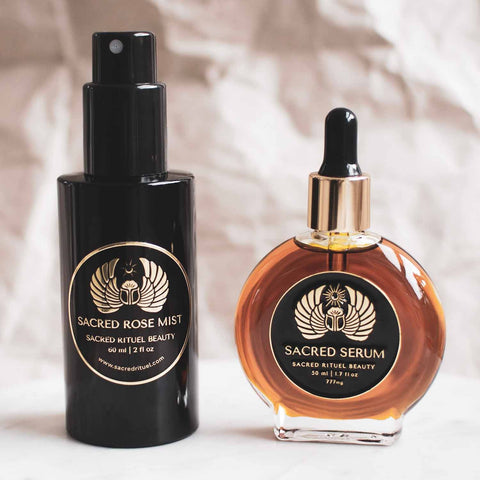
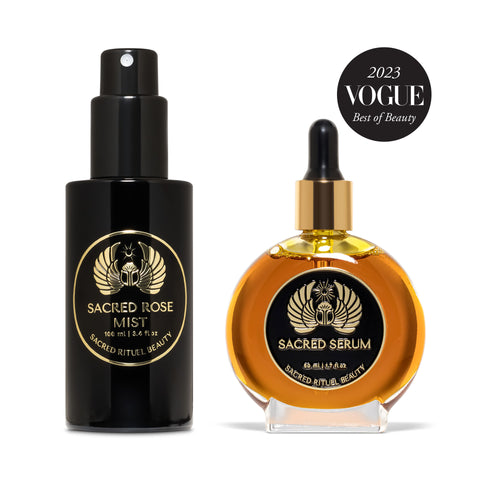
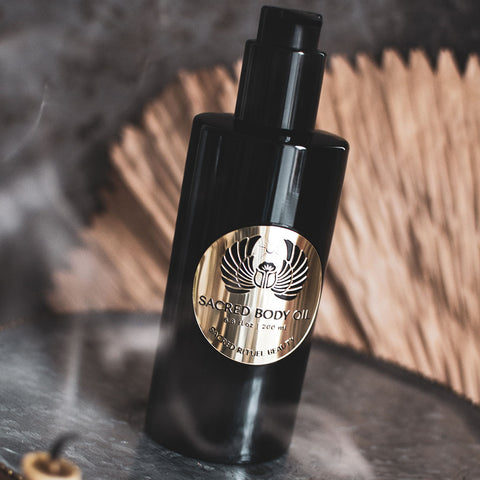
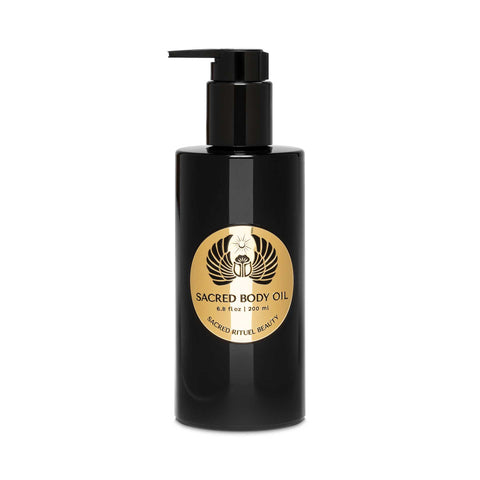
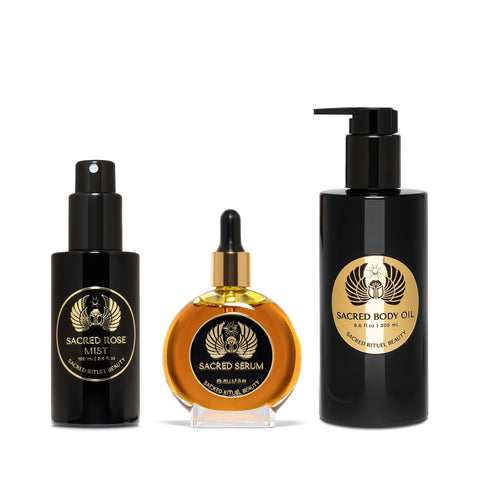
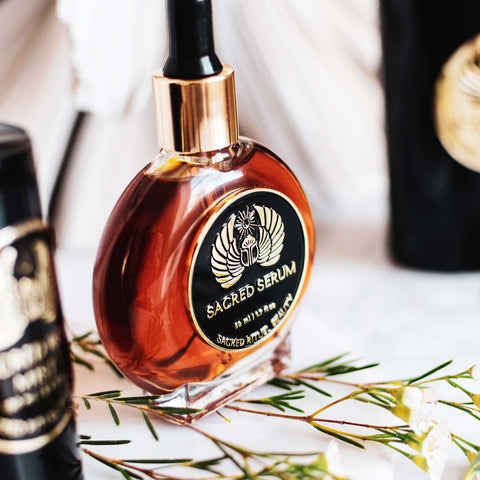
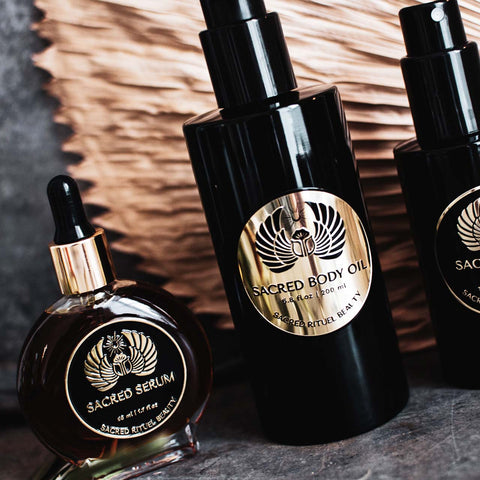
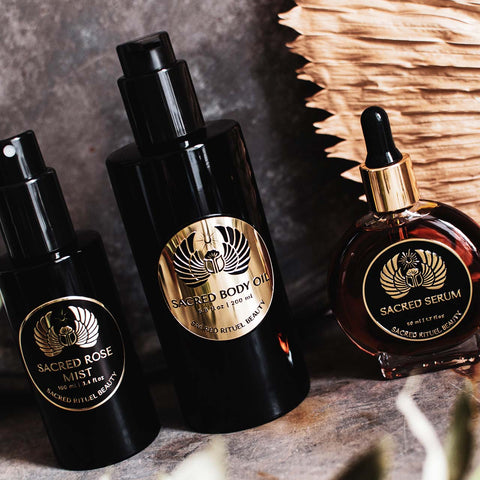
SACRED TRIO | SERUM + ROSE TONER + BODY OIL
Regular price $180.00 Regular price $257.00

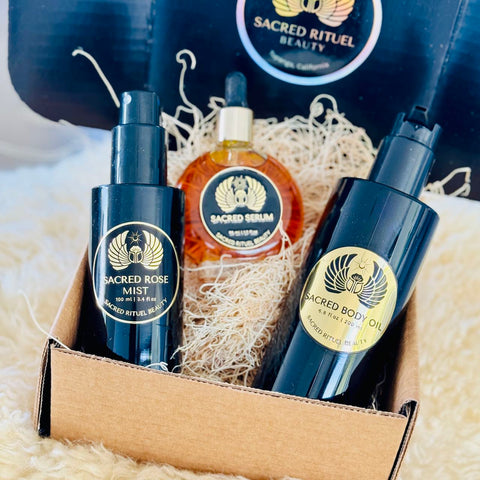
Radiance Is Personal. Let’s Reveal Yours...

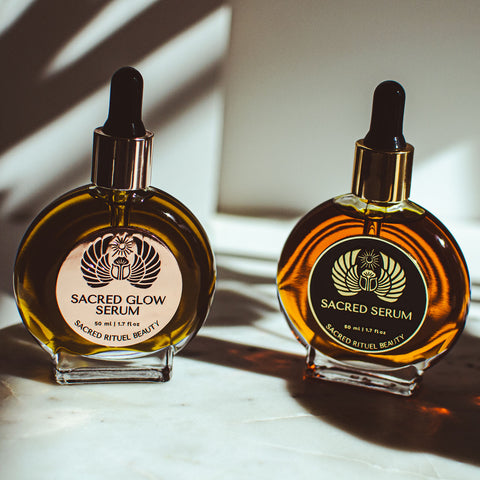
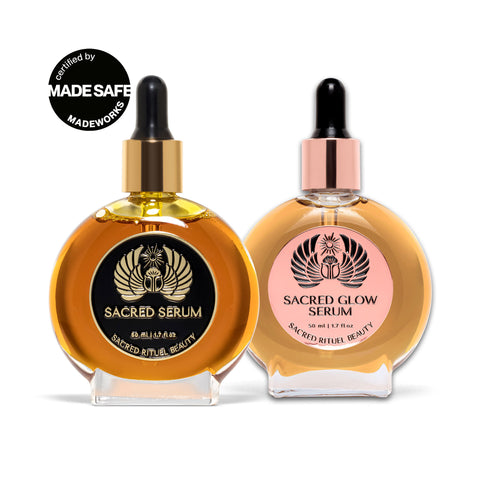
All Day Glow Essentials
Free Shipping on orders over $90
FREE Shipping on orders over $90 and $7 flat rate on all other orders (USA).
See our shipping policy.
Auto Delivery w/ a Subscription
Ensure you ALWAYS have a steady stream of SACRED RITUEL on hand!
Details in our subscriptions page.
No Hassle 30-day Returns
Try SACRED RITUEL for 30 days and send it back for a full refund if it doesn't completely meet your expectations.
Details in our return policy.
SACRED RITUEL is
High potency all organic skincare
Newsletter
Stay connected on wellness tips, exclusive sales and events!