Why Acne Often Leaves Behind Unwanted Dark Marks
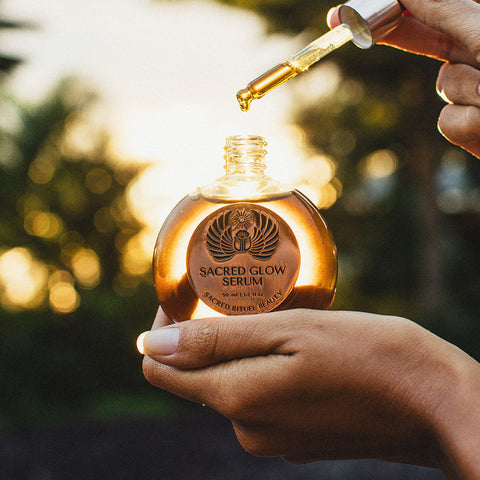
Acne often leaves behind unwanted dark marks because the skin produces extra melanin while it heals from a breakout, leaving a flat, discolored spot known as post-inflammatory hyperpigmentation (PIH). These marks are a cosmetic concern, not the active pimple, and they are most common on medium to deep skin tones. The gentlest place to start is protecting skin from the sun every day, resisting the urge to pick, keeping your routine calm, and seeing a dermatologist if marks are widespread or you suspect something other than PIH. Many people also support the look of a more even tone with a nourishing whole-plant oil like Sacred Serum, whose rosehip and amla antioxidants customers associate with brighter, more even-looking skin.
Key Takeaways:
- Understanding post-inflammatory hyperpigmentation: Dark marks from acne are flat, discolored spots left behind when skin produces extra melanin while healing, and they are more common on medium to deep skin tones.
- Gentle habits matter: Avoid picking at breakouts, protect skin from the sun every day, and keep your routine calm to lower the chances of new dark-looking marks forming.
- Appearance-side support: A nourishing, whole-plant oil such as Sacred Serum face oil supports the look of the moisture barrier with fatty acids and antioxidants, and many customers associate it with a brighter, more even-looking tone over time.
We have all been there. You deal with a pesky breakout, it finally settles, and then you are left with a dark mark that lingers far longer than the pimple itself. These marks, often called post-inflammatory hyperpigmentation (PIH), are incredibly common, especially for people with acne-prone skin.
At Sacred Rituel, we work with cold-pressed, whole-plant botanicals to nourish skin and support its moisture barrier, which gives us a grounded perspective on caring for the look of these stubborn marks. This article explains what contributes to these spots, who is more likely to get them, how they differ from scarring, and the gentle habits that support a more even-looking tone. Many people reach for Sacred Serum as the nourishing oil in that routine.
What Is Hyperpigmentation From Acne?
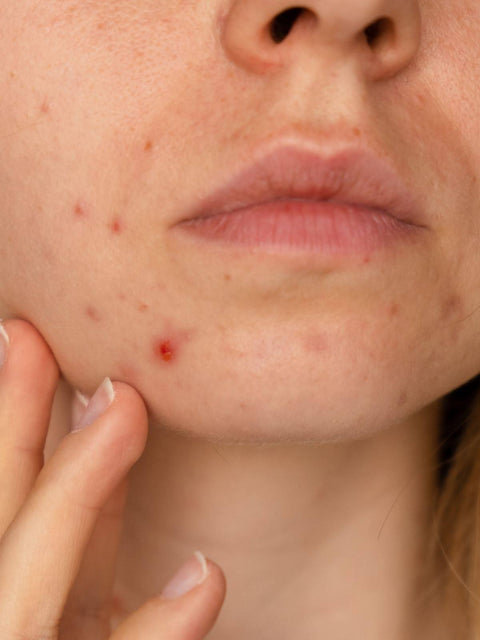
Post-inflammatory hyperpigmentation (PIH for short) refers to dark or discolored spots that appear after a breakout has settled. Unlike active acne, PIH is not raised or bumpy. It is just a flat mark left behind on your skin.
These marks form because of extra melanin, the pigment that gives your skin its color. When skin is irritated or inflamed, such as during a breakout, it can produce more melanin in the healing process. The result is a darker-looking spot that is often more noticeable on medium to deep skin tones but can appear on anyone. If your breakouts tend to be deep or painful, it is worth understanding what triggers sudden cystic acne and how it relates to Accutane, since calmer breakouts tend to leave fewer marks behind.
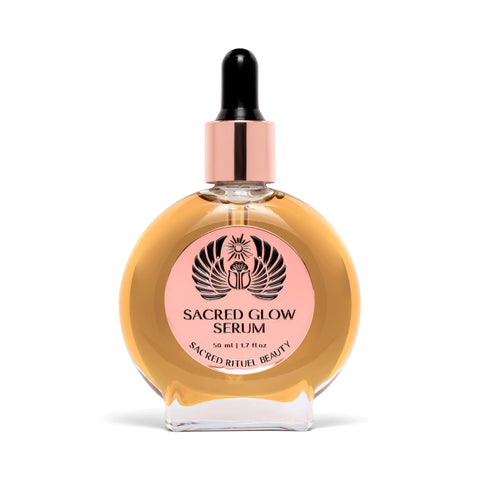
If you want a single, gentle step that supports the look of an even tone, many people reach for the Sacred Serum face oil, a cold-pressed blend of 14 whole-plant botanical oils whose rosehip and amla antioxidants customers associate with brighter, more even-looking skin. It is lightweight, nourishing, and made for daily use.
Why Does Post-Inflammatory Hyperpigmentation Happen?
Post-inflammatory hyperpigmentation happens because your skin is healing itself. When skin experiences inflammation, whether from a pimple, a scratch, or harsh skincare, it triggers a repair response. Part of that response involves producing melanin, which acts as a natural defense.
Certain factors can make PIH more noticeable. Picking at pimples, skipping sun protection, or using overly harsh products can aggravate the skin and deepen the look of discoloration. This is why it helps to care for both acne-prone skin and your skin gently. A calm, barrier-supporting routine, including a nourishing oil like Sacred Serum, gives skin a gentler environment to settle in. If your skin runs dry on top of breaking out, this overlaps with the link between dry skin and acne that Accutane users need to know.
Who Is More Prone To Hyperpigmentation?
Post-inflammatory hyperpigmentation can happen to anyone, but some people are more likely to experience it than others.
- Darker skin tones: People with medium to deep skin tones naturally carry more melanin. When their skin is inflamed, it is more prone to producing extra melanin, leading to darker-looking marks.
- Acne-prone skin: If you regularly deal with acne, the cycle of breakouts and healing increases the chance of developing PIH. Dealing with hormonal acne and how long until it clears up is a helpful read if your breakouts follow a hormonal pattern.
- Sensitive skin: People with sensitive skin or conditions like eczema are more likely to experience inflammation, which can lead to PIH.
- UV exposure: Time in the sun without protection can make existing dark marks look darker and raise the chance of new ones. Sun exposure stimulates melanin production.
If you fall into one or more of these categories, you are not alone. It just means a little extra care can go a long way in protecting your skin and supporting a more even-looking tone.

Is Post-Inflammatory Hyperpigmentation The Same As Scarring?
No, post-inflammatory hyperpigmentation (PIH) is not the same as scarring. Hyperpigmentation is a change in skin color. It is a flat mark caused by extra melanin, and it does not change the structure of your skin. Scarring involves a change in the texture or structure of the skin. Acne scars may look like indentations (atrophic scars) or raised areas (hypertrophic scars), and they come from changes in the skin's deeper layers.
It is also possible to have both PIH and scarring from the same breakout. The look of flat discoloration can be supported with a gentle topical routine, while true scars often involve professional, dermatologist-led options like microneedling or laser treatments. If you are not sure which you are looking at, a dermatologist can tell them apart.
Ingredients To Look For In Products For Dark Marks
The right skincare ingredients can make a real difference to the look of post-inflammatory hyperpigmentation. At Sacred Rituel we take the whole-plant route, leaning on cold-pressed botanical oils whose antioxidants customers associate with a brighter, more even-looking tone.
Vitamin C, The Whole-Plant Way
Vitamin C is a well-known antioxidant that many people associate with brighter, more even-looking skin. You can find it the whole-plant way in Amla Fruit Oil, which is rich in antioxidants and soothing for skin, and you can read more about vitamin C oil for face in our glossary.
Whole-Plant Botanical Oils
A nourishing, cold-pressed oil blend supports the look of the skin's moisture barrier with fatty acids and antioxidants, giving skin a calmer environment to settle in. Rosehip Oil in particular is a long-loved botanical that many people reach for to support a smoother, more even-looking complexion.
If You Want Clinical Options
If you would like to explore clinical or prescription routes for the look of dark marks, a dermatologist can walk you through the options that suit your skin and skin tone. That conversation is the safest place to weigh anything stronger than a gentle, supportive routine at home.
What does hyperpigmentation from acne look like?
Supporting skin against new post-inflammatory hyperpigmentation (PIH) starts with treating your skin gently and being proactive. Here are some habits that help.
Don't Pick Or Pop Pimples
As tempting as it is to pop a zit, doing so causes trauma to the skin and more inflammation. That extra irritation raises the likelihood of post-inflammatory hyperpigmentation and even scarring. Instead, handle breakouts gently and let them settle on their own where you can.
Use Sunscreen Daily
UV rays can make existing dark marks look darker and trigger new ones by stimulating melanin production. A broad-spectrum sunscreen with SPF 30 or higher, applied every morning and reapplied during long stretches outdoors, is one of the most helpful habits there is. Choose a lightweight, non-comedogenic formula if your skin is acne-prone.
Care For Acne-Prone Skin Early And Gently
The longer a breakout lingers, the more it can irritate your skin and raise the risk of PIH. Caring for breakouts early and gently, and checking in with a dermatologist for persistent acne, helps keep inflammation down so fewer dark-looking marks form. Seasonal dryness can play a role too, as in how winter conditions can trigger acne and impact Accutane users.
Choose Gentle, Nourishing Products
Harsh scrubs and strong astringents might feel thorough, but they can strip your skin's natural barrier and cause irritation. A nourishing, non-comedogenic oil like Sacred Serum is a gentler choice. It is a cold-pressed blend of 14 whole-plant oils, rich in fatty acids and antioxidants, that supports the look of the moisture barrier without adding stress. Pairing it with Cosmic Cleansing Oil keeps cleansing gentle so skin has a calmer environment to settle in. If you want a simple, complete ritual, the Sacred routine set brings the serum, toner, and body oil together.
Be Consistent
Skincare takes time, and switching products too often can do more harm than good. Find a routine that suits your skin type and stick with it for at least a few weeks. Consistency helps keep your barrier balanced and supports a more even-looking tone over time.
Avoid Over-Exfoliating
Exfoliating too often can damage your skin barrier, leaving redness, sensitivity, and more visible discoloration. Limit exfoliation to one to three times a week depending on your skin's tolerance, and always follow up with hydration.

When To See A Dermatologist
Most dark marks from acne are a cosmetic concern you can support at home with daily sun protection and a gentle routine. It is worth seeing a board-certified dermatologist if your acne is persistent, painful, cystic, or spreading, if the marks are widespread, or if you suspect something other than PIH, such as melasma, which needs professional guidance. A dermatologist can also tell hyperpigmentation apart from true scarring and talk through options suited to your skin and skin tone. Some people are prescribed medications like isotretinoin (Accutane) for severe acne. Accutane is prescription-only and monitored by a dermatologist, so always follow their guidance and never start, stop, or change it on your own.
How To Patch-Test A New Oil
Before adding any new oil to your routine, patch test it first. Apply a small amount to your inner arm and leave it for 24 hours to check for any redness or reaction before applying it to your face. The skin on acne-prone or marked areas can be delicate, and a reaction can itself leave a darker-looking, post-inflammatory mark, so this simple step is worth it whenever you try something new, including Sacred Serum.
Final Thoughts
Dealing with post-inflammatory hyperpigmentation can be frustrating, but there are plenty of gentle ways to support your skin. Understanding why dark marks happen, who is more prone to them, and how they differ from scarring is a great starting point. From there, choosing nourishing ingredients and adopting gentle, sun-aware habits can help you support a more even-looking tone.
Patience is key. The look of pigment changes gradually, usually over several weeks to months, so stick to a consistent routine, protect your skin from the sun, and be kind to yourself in the process. If marks are widespread or your acne is severe, a dermatologist can guide you to the care that is right for you.
Sources:
- Chaikul, P., Kanlayavattanakul, M., Somkumnerd, J., & Lourith, N. (2021). Phyllanthus emblica L.(amla) branch: A safe and effective ingredient against skin aging. Journal of Traditional and Complementary Medicine, 11(5), 390-399.
- Valerón-Almazán, P., Gómez-Duaso, A. J., Santana-Molina, N., García-Bello, M. A., & Carretero, G. (2015). Evolution of post-surgical scars treated with pure rosehip seed oil. Journal of Cosmetics, Dermatological Sciences and Applications, 5(2), 161-167.
- Ferreira, E. B., Vasques, C. I., Jesus, C. A. C., & Reis, P. E. D. (2015). Topical effects of Chamomilla Recutita in skin damage: A literature review. Pharmacologyonline, 3(2015-), 123-130.
Frequently Asked Questions
Do hyperpigmentation acne scars go away?
True acne scars and flat dark marks are different things. Flat post-inflammatory marks tend to become less noticeable over weeks to months as the skin settles, especially with daily sun protection and a gentle routine. Indented or raised scars involve a change in skin structure and are more persistent, so a dermatologist is the best person to assess them and discuss options.
How can you tell an acne mark from a raised scar?
The simplest tell is texture. If the mark is flat and you only notice a change in color, it is most likely hyperpigmentation. If you can feel a change in the skin's surface, such as an indentation or a raised area, that is a scar. If you are unsure, a dermatologist can confirm which one you are looking at and what suits your skin.
What can be mistaken for hyperpigmentation?
A few things can look similar to post-inflammatory hyperpigmentation. Melasma (often hormone-related), post-inflammatory erythema (pink or red marks rather than brown), and some fungal conditions can all be mistaken for it. Because the right care depends on what it actually is, a dermatologist is worth seeing if marks are widespread or not behaving like typical fading PIH.
Are scars lighter or darker on dark skin?
On deeper skin tones, post-inflammatory marks often appear darker (more brown), because the skin naturally carries more melanin and can respond more visibly to inflammation. On lighter skin, marks may look red or pink at first before settling. Daily sun protection and a gentle, calm routine are helpful for every skin tone.
Why do I get hyperpigmentation after acne?
When skin heals from a breakout, the inflammation can prompt it to produce extra melanin, the pigment that gives skin its color. That extra pigment settles as a flat, darker-looking mark once the pimple itself has gone. Picking at breakouts and sun exposure both make it more likely, which is why a gentle, sun-aware routine helps. Many people also support the look of an even tone with a nourishing oil like Sacred Serum.
What does hyperpigmentation from acne look like?
Hyperpigmentation from acne looks like a flat spot or patch that is darker than the skin around it, left behind where a breakout used to be. It is not raised or bumpy, and it does not change the skin's texture, which is what separates it from a scar. Marks can range from pink-brown to deep brown depending on your skin tone, and they tend to soften gradually over time.
Radiance Is Personal. Let’s Reveal Yours...
All Day Glow Essentials