
The Link Between Dry Skin And Acne: What Accutane Users Need To Know
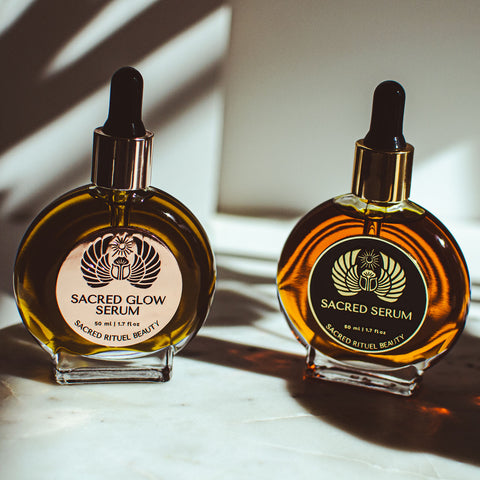
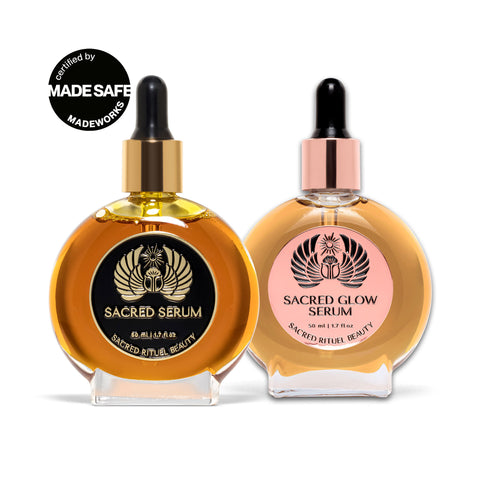
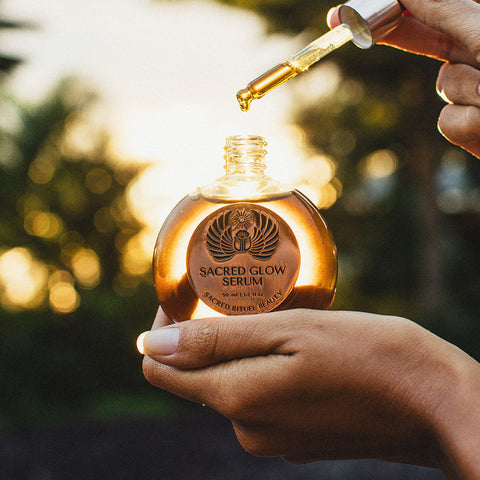
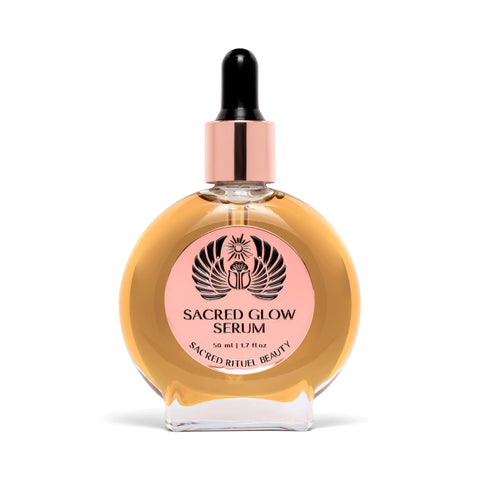
Yes, dry skin can be part of why you break out. When the skin barrier is depleted and dehydrated, it is more easily irritated, dead cells can build up and settle into pores, and the skin can over-produce oil to compensate, all of which can leave breakouts looking worse rather than better. This is especially common on a drying routine like Accutane, which is prescribed and monitored by a dermatologist. The gentlest place to start is a calm, barrier-supporting routine, daily sun protection, and a dermatologist's guidance for anything painful, cystic, or spreading. Many people on a drying routine reach for a nourishing whole-plant oil like Sacred Serum to support the look and feel of comfortable, hydrated skin.
Key Takeaways:
- Dryness and breakouts can go together: A dehydrated, depleted barrier is more easily irritated, can shed flakes that settle into pores, and can prompt extra oil, all of which can make breakouts look worse rather than better.
- Support the barrier, do not strip it: A gentle, hydrating routine with a nourishing whole-plant oil such as Sacred Serum face oil supports the look and feel of comfortable, balanced skin without a heavy, pore-clogging feel.
- Know when to get guidance: Acne that is persistent, painful, cystic, or spreading, and any drying prescription routine like Accutane, are best managed with a board-certified dermatologist.
Dry skin and acne might seem like complete opposites. After all, is not acne supposed to come from oily skin? Yet it is surprisingly common for people to deal with both at once, especially on a drying routine like Accutane, which is well known for leaving skin parched.
At Sacred Rituel, we work with cold-pressed, whole-plant botanicals to nourish skin and support its moisture barrier, so caring for dry, breakout-prone skin is close to our hearts. A gentle whole-plant oil like the Sacred Serum face oil is something many people on a drying routine reach for to support the look and feel of comfortable, hydrated skin.
In this article we explain how dryness and breakouts can be connected, why it happens, and how to support calmer, clearer-looking skin with a gentle routine. Whether you are on Accutane or just navigating a tricky mix of concerns, there are ways to care for both dryness and breakouts without stripping your skin.
Is it better to dry out acne or moisturize it?
Drying skin out tends to backfire. A well-supported, hydrated barrier is generally calmer-looking than a stripped, irritated one. Dry skin happens when the skin lacks moisture or natural oils (called sebum), which can leave it feeling tight, looking flaky, or even cracked. Breakouts are often associated with excess oil, clogged-looking pores, and a stressed barrier. It is tempting to assume dry skin means no more breakouts, but here is why that is not always the case:
Extra Oil As Compensation
When skin becomes too dry, it can prompt the oil glands to produce more sebum to make up for the lack of moisture. That extra oil, though meant to help, can mix with dead skin cells and leave pores looking clogged. The result is breakouts that feel completely unfair when all you wanted was to relieve the dryness. A gentle, non-stripping oil like our Sacred Serum face oil can support a more balanced, comfortable feel without the heavy, pore-clogging finish of richer creams.
Dead Skin Cell Buildup
Dry skin tends to shed more quickly, creating flakes that do not always fall away the way they should. Those flakes can settle into pores and leave them looking blocked, which can show up as blackheads, whiteheads, and the look of inflamed blemishes. Gentle, regular cleansing with an oil-based cleanser like Cosmic Cleansing Oil helps lift away buildup without scrubbing dry skin raw.
Irritation From A Weakened Barrier
Your skin barrier is like a shield that keeps out irritants and holds in moisture. When it is compromised by dryness, irritants such as dirt and pollution can get in more easily, and the skin can look red and irritated. Because that irritated look so often travels alongside breakouts, a depleted barrier can leave skin looking more flushed and blemish-prone. If your breakouts are arriving suddenly and deep, it can help to understand what triggers sudden cystic acne and how it relates to Accutane.
This is a delicate balance, and a drying routine like Accutane can dry skin out further. That is where a nourishing whole-plant oil can support the look and feel of comfortable skin. Sacred Serum is a cold-pressed blend of fourteen organic botanical oils, rich in fatty acids, antioxidants, and polyphenols, that supports the look of the moisture barrier without a greasy, pore-clogging feel. Many customers on a drying routine describe skin that looks calmer and feels more comfortable, with one writing that it is "hydrating without clogging my pores."
How Accutane Leaves Skin Dry And Why That Matters
Accutane (isotretinoin) is a prescription medication a dermatologist may use for severe acne, and one of its best-known side effects is dryness. It works by acting on the sebaceous glands, the ones that produce oil (sebum). With less oil, the skin can also have a harder time holding on to moisture, which is why dryness, chapped lips, and flaking are so common on it. Accutane is prescribed and monitored by a dermatologist, so always follow their guidance on how to use it and how to manage side effects. For more on the seasonal side of this, see how winter conditions can trigger acne and impact Accutane users.
Signs Your Skin May Be Getting Too Dry
Some dryness is an expected part of a routine like Accutane, but there is a line between manageable dryness and skin that is struggling. If your skin becomes excessively dry, it is worth mentioning to your dermatologist. Here are some signs your skin may be getting too dry:
Constant Tightness
If your face feels uncomfortably tight through the day, especially right after cleansing, that is a clear signal your skin is short on moisture. This tightness often comes from a depleted lipid barrier, your skin's natural defense against water loss. Without it, skin struggles to hold hydration and can feel taut and less resilient.
Flaking Or Peeling
Flaking or peeling is not just a cosmetic annoyance, it is a sign skin is dehydrated and shedding too quickly. Those flakes can mix with oil and settle into pores, leaving them looking congested. Peeling can also expose more sensitive skin underneath, making it harder to tolerate products.
Redness And Sensitivity
Dry skin often looks red and feels irritated, as if it is reacting to everything you put on it. This happens because a weakened barrier lets in irritants that would not bother healthy skin. Over time that sensitivity can leave skin looking more flushed and blemish-prone and can make any routine feel harsh. A calm, barrier-supporting approach can help skin look and feel more settled, and a gentle oil like our cold-pressed Sacred Serum is one many people reach for.

Cracks Or Raw Patches
When skin becomes so dry that it cracks or develops raw areas, it is in real distress. These cracks make it harder for skin to keep out bacteria and can sting when exposed to products or weather. If you are seeing this, it is worth checking in with your dermatologist rather than pushing through.
Breakouts That Seem Worse, Not Better
While dryness might seem like it should mean less oil and fewer breakouts, it often works the other way. Overly dry skin can prompt the glands to produce more oil, which mixes with dead skin cells and can leave pores looking clogged. The result is breakouts that linger or look worse, leaving you wondering why your routine is not helping. If this is hormonal in nature, it can help to read about dealing with hormonal acne and how long until it clears up.
Natural Ways To Support Clearer-Looking Skin While Dealing With Dryness
Caring for breakout-prone skin while it is dry calls for a gentle, balanced approach that supports the look of calmer skin without stripping it further. Here are some natural, supportive habits:
Hydrate Inside And Out
Hydration starts with drinking enough water through the day, which supports your overall skin health. On the outside, look for gentle products with humectants like glycerin that draw moisture into skin and help it look plump and smooth. Skip alcohol-based toners and harsh astringents, which can strip skin and worsen dryness.
Opt For Oil Cleansers
Oil-based cleansers dissolve dirt, makeup, and excess sebum without stripping skin of its natural oils. Jojoba oil is close in feel to the skin's own sebum, which makes it a lovely choice for breakout-prone skin. Use an oil cleanser such as Cosmic Cleansing Oil as the first step of your routine, followed by a gentle hydrating cleanser if you like a double cleanse.
Incorporate Gentle Exfoliation
Gentle exfoliation lifts away the dead skin cells that can leave pores looking congested, but harsh scrubs can tear or irritate dry skin. Stick to mild options like finely ground oatmeal mixed with water for a soothing session, and aim for no more than once a week to avoid over-stripping. If you want an oil chosen with breakouts in mind, see our guide to facial oil for acne prone skin.
Moisturize Religiously
Moisturizing is non-negotiable when skin is dry, and a cold-pressed, whole-plant oil can be a real ally. Sacred Serum blends oils like Rosehip Oil, Sweet Almond Seed Oil, and jojoba, which feel light and nourishing on dry skin while supporting the look of the moisture barrier. Press a few drops into slightly damp skin after cleansing to help it look soft and dewy without a heavy, pore-clogging finish.
Try Green Tea Compresses
Green tea is rich in antioxidants called catechins and makes a soothing compress for tired-looking skin. Brew a cup, let it cool, soak a clean washcloth or cotton pad, and press it gently onto your skin for five to ten minutes. This simple ritual can calm the look of redness and feels comforting on dry, sensitive skin.
Is oily or dry skin more prone to acne?
Oily skin has traditionally been linked with breakouts, but dry skin can absolutely be part of the picture too, since clogged-looking pores and a stressed barrier can leave skin looking more blemish-prone. Caring for skin that is both dry and breakout-prone calls for a thoughtful, consistent routine that balances hydration while keeping things gentle. A few habits that help:
- Avoid overwashing: Washing more than twice a day can worsen dryness. Stick to morning and evening cleansing, and skip hot water, which strips moisture.
- Use sun protection daily: Daily broad-spectrum sun protection matters, especially on a drying routine like Accutane, since dry skin is more vulnerable to sun. Choose an SPF 30 or higher made for sensitive or breakout-prone skin. Sacred Serum is a nourishing oil, not a sunscreen, so always use a dedicated SPF for protection.
- Be gentle with spot treatments: Active spot treatments can be drying. Use them sparingly and only where you need them, and follow with a nourishing oil or moisturizer to keep skin comfortable.
- Skip alcohol-based toners: Toners with alcohol can be overly drying. Choose a hydrating mist with calming ingredients like rose water or chamomile instead.
- Do not forget lip and eye care: Dryness often reaches the lips and the skin around the eyes, especially on Accutane. A hydrating lip balm and a gentle eye care step help keep these areas comfortable.
- Keep your routine simple: When skin is dry and breakout-prone, less is more. Stick to the basics and let your skin settle rather than overloading it with products.
- Patch-test new products: Before using anything new on your face, patch test it on your inner arm for twenty-four hours to make sure it does not irritate your already-sensitive skin.
A simple daily ritual makes this easy to keep up. To build the whole routine in one step, the Sacred routine set pairs Sacred Serum with a rose toner and body oil for calm, hydrated-looking skin from face to body.

When To See A Dermatologist
Most everyday dryness and the occasional breakout can be supported at home with a gentle, hydrating routine. It is worth seeing a board-certified dermatologist if your acne is persistent, painful, cystic, or spreading, if breakouts are leaving marks or scarring, or if your skin is cracking or extremely irritated. Accutane in particular is a prescription medication that is prescribed and monitored by a dermatologist, so any decision to start, stop, or adjust it, and how to manage its dryness, belongs with your provider rather than something to navigate on your own. A dermatologist can confirm what is going on and guide the care that is right for your skin.
Final Thoughts
Caring for both dry skin and breakouts can feel like a balancing act, especially on a drying routine like Accutane. Understanding how dryness and breakouts can be connected is the first step toward a routine that actually supports your skin.
The key takeaway is not to ignore your skin's need for hydration. A gentle, consistent routine with hydrating products, barrier-supporting oils, and calming natural rituals can help skin look calmer and clearer without further irritation. A nourishing whole-plant oil like the Sacred Serum is one gentle step many people on a drying routine reach for. Your skin takes time to settle, so be patient with the process.
And if you feel stuck, do not hesitate to consult a dermatologist who can guide you through the complexities of caring for dry, breakout-prone skin, including any prescription routine. With gentle, steady care, a healthy, balanced-looking complexion is within reach.
Sources:
- Blaak, J., & Staib, P. (2022). An updated review on efficacy and benefits of sweet almond, evening primrose and jojoba oils in skin care applications. International Journal of Cosmetic Science, 44(1), 1-9.
- Nikbakht, A., & Kafi, M. (2004, June). A study on the relationships between Iranian people and Damask rose (Rosa damascena) and its therapeutic and healing properties. In VIII International People-Plant Symposium on Exploring Therapeutic Powers of Flowers, Greenery and Nature 790 (pp. 251-254).
- Belkhelladi, M., & Bougrine, A. (2024). Rosehip extract and wound healing: A review. Journal of Cosmetic Dermatology, 23(1), 62-67.
Frequently Asked Questions
Is oily or dry skin more prone to acne?
Oily skin has traditionally been linked with breakouts, but dry skin can play a part too. When the barrier is depleted, dead cells can settle into pores and skin can over-produce oil, which can leave it looking more blemish-prone. A gentle, hydrating routine helps either way, and a dermatologist can guide you if breakouts are persistent.
Can too much moisturizer cause acne?
A heavy or pore-clogging moisturizer can leave skin looking congested, especially if it does not suit your skin. The fix is usually the right texture rather than less moisture. A lightweight, cold-pressed whole-plant oil such as Sacred Serum supports hydrated, comfortable-looking skin without a heavy, pore-clogging feel.
Can stopping skincare help acne?
Stopping harsh or unsuitable products can help, since over-stripping irritates skin and can leave it looking more blemish-prone. Stopping care entirely is rarely the answer, because dead skin and oil can build up. A simpler, gentler routine is usually the better middle ground, and a dermatologist can help you find it.
What does stress acne look like?
Stress-related breakouts often show up as red, tender-looking bumps concentrated around the jawline, chin, cheeks, or forehead. Stress is linked to hormonal shifts that can leave skin looking more reactive. Managing stress, keeping your routine gentle, and seeing a dermatologist for anything persistent or painful all help.
How to know if a breakout is getting better?
As a breakout settles, it tends to flatten, the redness fades, and tenderness eases. You may notice a darker-looking mark left behind, which is normal as skin recovers and usually becomes less noticeable over time. If breakouts keep cycling or leave scarring, a dermatologist can guide you.
Is it better to dry out a breakout or moisturize it?
Drying skin out tends to backfire. A stripped, dehydrated barrier is more easily irritated and can prompt extra oil, which can leave breakouts looking worse. Supporting the barrier with gentle hydration usually leaves skin looking calmer. A lightweight whole-plant oil like Sacred Serum nourishes without a pore-clogging feel.
What do dehydrated-skin breakouts look like?
Dehydrated skin can look tight, flaky, and dull, with small congested-looking bumps and a more reactive, easily-irritated surface alongside breakouts. The barrier needs water and gentle nourishment rather than stripping. A calm, hydrating routine, and a dermatologist for anything persistent, helps skin look more settled.
Radiance Is Personal. Let’s Reveal Yours...

All Day Glow Essentials