Facial Oil For Acne Prone Skin
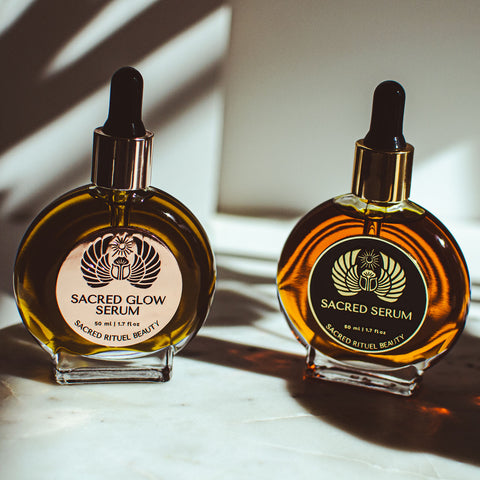
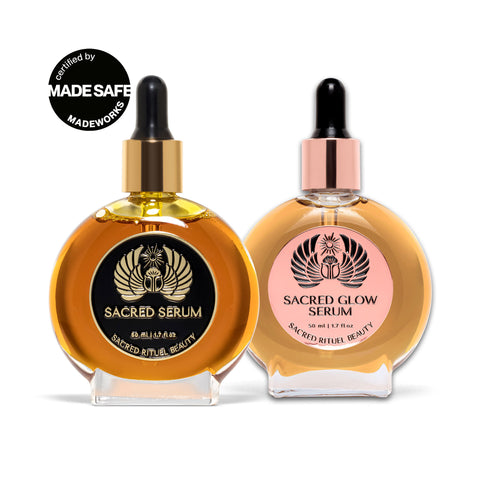
Yes, the right facial oil for acne prone skin can be a calming, supportive part of a routine, as long as you choose a lightweight, non-comedogenic whole-plant oil and use only a few drops. The old idea that every oil clogs pores is outdated. What blemish-prone skin often needs is not less oil but the right kind of plant oil, applied gently and consistently, alongside daily sun protection and a dermatologist visit if your acne is painful, cystic, or spreading. Many people reach for a cold-pressed blend like Sacred Serum, whose 14 botanical oils customers describe as hydrating without clogging pores and never greasy, to support the look of calmer, clearer skin over time.
Key Takeaways:
- One gentle step, many roles: A well-chosen facial oil for acne prone skin can support hydration, the look of the moisture barrier, and a plant-antioxidant layer in one simple step, keeping your routine minimal.
- Whole-plant and clean matters for sensitive skin: Organic, cold-pressed oils free from pesticides, fillers, and synthetic fragrance tend to be gentler on breakout-prone skin than heavily processed alternatives.
- Consistency, plus knowing when to get help: Visible changes come gradually with steady use. If your acne is painful, cystic, or spreading, a dermatologist should guide your care, and always patch test a new oil first.
Can something as simple as oil support acne-prone skin, or is that another skincare myth? For many people, applying oil to already sensitive, blemish-prone skin feels risky. After all, oil is what we were told to fight against, right? But that belief is outdated. What your skin might truly need is not less oil, it is the right kind.
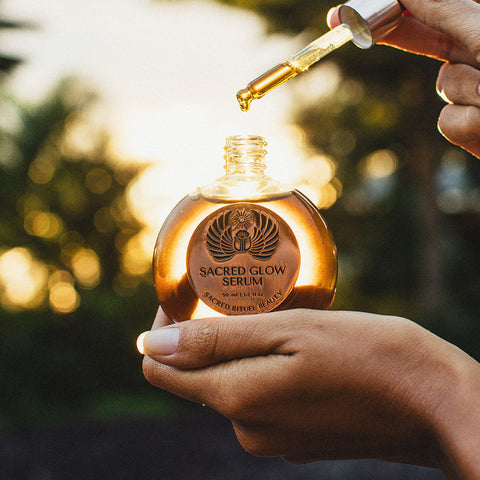
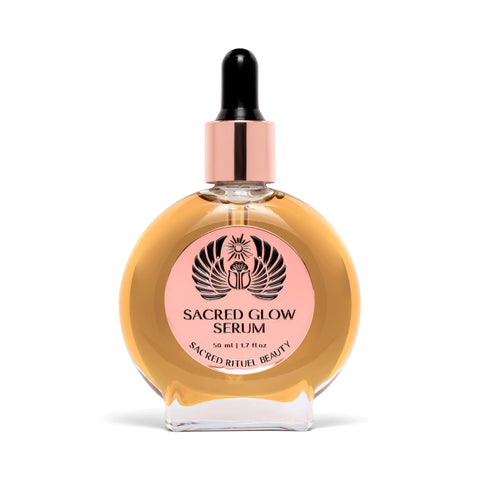
At Sacred Rituel, we have spent years working with plant-based skincare rooted in holistic herbalism and clean beauty. We do not just bottle oils; we craft whole-plant blends from raw, cold-pressed botanicals chosen to feel light and nourishing on breakout-prone skin. Our flagship blend, Sacred Serum, brings together 14 cold-pressed organic botanical oils that many customers describe as hydrating without clogging their pores.
In this piece, we will explore how to choose a facial oil for acne prone skin, how to use it so it works with your skin rather than against it, and when it is time to check in with a dermatologist.
Can Facial Oils Really Help Acne-Prone Skin?
If you have dealt with acne, the idea of putting oil on your face might sound counterintuitive. For years, oil-free products dominated the shelves, suggesting that all oils were pore-clogging culprits. But times, and what we understand about plant oils, have moved on.
Not all oils behave the same way. Certain lightweight, non-comedogenic botanical oils can sit comfortably on blemish-prone skin and support the look and feel of a calmer, more balanced complexion, without the heavy, greasy finish many people fear. These plant oils can be especially welcome for skin that feels tight, dry, or stripped after harsh routines.
The key is choosing the right facial oil for acne prone skin: a whole-plant blend rich in fatty acids and antioxidants, applied in just a few drops. A cold-pressed oil like Sacred Serum supports the look of the skin's moisture barrier rather than adding grease. In Sacred Serum reviews, people on acne-prone routines often describe fewer visible breakouts and skin that simply looks and feels more comfortable. If sudden, deeper breakouts are your concern, it can help to understand what triggers sudden cystic acne before adding anything new.

Can facial oils replace my moisturizer if I have acne-prone skin?
For many people, yes. A nourishing facial oil for acne prone skin can do the work of a moisturizer while also adding plant antioxidants in one step. Choosing well is less about avoiding breakouts and more about supporting your skin's natural balance without disrupting it. Here is what to focus on when choosing acne-friendly oils:
Non-Comedogenic Oils Are Essential
Not all oils behave the same way on the skin. Non-comedogenic oils are known for being less likely to clog pores, making them a sensible starting point if you struggle with congestion. Look for lighter oils such as Jojoba Oil and Rosehip Oil, both of which hydrate while feeling light on the skin.
Cold-Pressed, Organic Ingredients Matter
The way an oil is extracted plays a big role. Cold pressing is a gentle, low-heat method that keeps the oil's full range of fatty acids, vitamin cofactors, and antioxidants intact, the kind that heat-based processing can damage. Organic certification gives you confidence that you are avoiding pesticides, synthetic fillers, and harsh chemicals, which is reassuring for sensitive, blemish-prone skin.
Look For Whole-Plant Oils That Feel Light
Some of the lightest plant oils are close in feel to skin's own lipids, so they tend to absorb well without leaving a heavy film. A blend like Sacred Serum layers 14 of these cold-pressed botanicals together, and many people with combination or oilier skin find it sinks in and never feels greasy. Lighter individual botanicals such as Pomegranate Seed Oil are popular for the same reason.
Skip Synthetic Fragrances And Fillers
Added fragrance may smell nice, but it is one of the most common causes of irritation, especially for sensitive or acne-prone skin, and irritation can lead to more breakouts. Instead, choose oils that rely on botanical ingredients for their natural scent. If your skin tends to react, our guide to the link between dry skin and acne is a helpful read.
Transparency Builds Trust
If you are putting something on your face every day, you should know exactly what it is. Trust brands that share detailed ingredient lists, sourcing practices, and testing. That openness is how you find oils formulated with intention rather than shortcuts.
The Power Of Cold-Pressed, Organic Oils
Not all oils are made the same way, and how they are made matters as much as what they are made from. For acne-prone skin, cold-pressed, organic oils offer purity, potency, and better skin compatibility. Here is why this process is so valued for blemish-prone skin:
Cold-Pressed Extraction Preserves Nutrients
Cold pressing is a gentle mechanical method that extracts oil without high heat or harsh solvents. This helps keep the oil's natural antioxidants, vitamins, and essential fatty acids intact, the constituents that support the look and feel of comfortable, hydrated skin. For acne-prone skin, that often means a lighter, less irritating feel.
No Chemical Residues, Just Pure Oil
Unlike conventional oils processed with solvents, cold-pressed oils are free from leftover chemicals that can irritate sensitive skin. That makes them a sensible choice if you want a plant oil that feels light and clean on the skin. When the oil is pure, your skin gets the full benefit and nothing it does not need.
Organic Ingredients Mean Clean, Conscious Skincare
Choosing organic means the botanicals are grown without synthetic pesticides, GMOs, or artificial fertilizers. For sensitive or acne-prone skin, that can mean fewer of the irritants that lead to flare-ups. It is not only about what is in the oil but also what is left out, and organic keeps things clean from the ground up.
Better Absorption, Lighter Feel
Cold-pressed whole-plant oils tend to feel light and absorb readily, so they are less likely to sit on top of the skin or leave a greasy film, which matters if you layer with other products or makeup. Many people find a blend like Sacred Serum sinks in quickly, delivering moisture without heaviness. If you like to start your routine with an oil cleanse, a gentle cleanser pairs naturally with this step.
Eco-Friendly From Process To Packaging
Cold pressing uses less energy and avoids chemical solvents, making it a more sustainable production method. Paired with thoughtful sourcing and recyclable packaging, it aligns with clean beauty values, so you can care for your skin and tread a little lighter on the planet at the same time.

Will facial oils make my skin feel greasy during the day?
Not if you choose a light oil and use it the right way. A great formula can only go so far if it is over-applied or layered incorrectly. These simple, thoughtful tips help you get the most out of your facial oil for acne prone skin without overwhelming your skin:
- Start with clean, damp skin: Facial oils work best applied after cleansing, ideally while your skin is still slightly damp. This helps lock in hydration and supports even spreading. You can mist your face with a hydrosol or toner first so the oil glides further. Beginning with a cleanser cleanse leaves skin soft and ready.
- Use only a few drops: More is not better with oils, especially for acne-prone or combination skin. Start with 2 to 4 drops, warming them between your palms before gently pressing the oil into your skin. Over-applying can leave a heavier feel and buildup.
- Apply with a pressing, not rubbing, motion: Avoid rubbing the oil in harshly. Instead, press it gently into your face with your fingertips or palms, especially around areas that tend to break out. This reduces friction and helps the oil absorb.
- Mind your layering order: Oils generally go after water-based serums but before heavy creams, if you use creams at all. Applying oil over minimal layers helps keep the finish light and your pores comfortable.
- Keep it simple while you get to know a new oil: Unless a skincare professional advises otherwise, there is no need to layer multiple oils or pile on actives. Give a new oil time to settle into your routine so you can notice how your skin responds, and patch test it first (more on that below).
If you would rather start with a complete ritual, the Sacred routine set pairs Sacred Serum with a rose toner and body oil, so your mist-then-press routine is ready in one place.
How Long Does It Take To See Results?
When switching to a facial oil for acne prone skin, patience matters as much as the ingredients. Natural oils work with your skin's rhythms, not against them, which means changes come gradually but meaningfully. Here is what to expect when you give your skin steady, gentle support:
The Skin Renewal Cycle Takes About A Month
Your skin naturally renews itself roughly every 27 to 30 days as newer cells reach the surface and older ones shed. A consistent, gentle routine works with that rhythm, which is why a calm, barrier-supporting oil tends to show its value over a few weeks rather than overnight.
Some Changes Can Show Within Days
While deeper changes take a few weeks, many people notice a difference in the look and feel of their skin within the first few days, such as a softer texture, less tightness or dryness, and a healthier-looking glow. Lightweight, non-comedogenic oils are rich in nutrients that quickly comfort and hydrate the skin's outer layers. If breakouts seem to come and go with the seasons, our piece on how winter conditions can trigger acne may explain why.
Give It Time And Stay Consistent
Consistency is everything with natural products. Stick with your facial oil for at least 4 to 6 weeks to truly judge how it suits you, especially if your skin is adjusting from harsher treatments or synthetic formulas. The most common reason people do not see a change is switching products too soon. If hormones seem to be driving your breakouts, here is how long hormonal acne tends to last.

Patch-Test Any New Oil Before You Commit
Before applying any new oil all over your face, patch test it. Put a small amount on your inner arm and wait 24 hours to check for redness, itching, or irritation. If your skin stays calm, try a small amount on your jawline next. This simple step is especially worthwhile for sensitive, blemish-prone skin, where a reaction can itself lead to more visible marks. Introduce one new product at a time so you can tell exactly how your skin responds.
When To See A Dermatologist
A gentle oil routine is a lovely way to support the look and feel of acne-prone skin, but it is not a substitute for medical care. See a board-certified dermatologist if your acne is painful, cystic, deep, spreading, leaving scars, or simply not settling with a consistent gentle routine. A dermatologist can assess what is really going on and talk through the options that are right for you, including any prescription treatments, which are decisions to make with a professional rather than on your own. If your breakouts came on suddenly or feel different from your usual skin, our guide to what triggers sudden cystic acne is a good starting point, and a dermatologist can take it from there.
Final Thoughts
When you are caring for acne-prone skin, a facial oil might feel like an unexpected choice, but the right one can be a gentle, supportive part of your routine. By choosing a high-quality, cold-pressed, non-comedogenic whole-plant oil, you are giving your skin light hydration and plant antioxidants that support the look of a calmer, more comfortable complexion. The key is selecting pure botanicals that work with your skin rather than against it, using just a few drops, and patch testing first. With patience and consistency, a facial oil for acne prone skin can shift your routine from fighting breakouts to supporting the look of healthy, resilient skin, and a dermatologist is there for anything that needs more than a gentle routine.
Sources:
- Zahra Piravi-Vanak, Abdolah Dadazadeh, Sodeif Azadmard-Damirchi, Torbati, M., & Martinez, F. (2024). The Effect of Extraction by Pressing at Different Temperatures on Sesame Oil Quality Characteristics. Foods, 13(10), 1472–1472. https://doi.org/10.3390/foods13101472
- Durazzo, A., Fawzy Ramadan, M., & Lucarini, M. (2022). Editorial: Cold Pressed Oils: A Green Source of Specialty Oils. Frontiers in Nutrition, 8. https://doi.org/10.3389/fnut.2021.836651
- Kaseke, T., Opara, U. L., & Fawole, O. A. (2021). Quality and Antioxidant Properties of Cold-Pressed Oil from Blanched and Microwave-Pretreated Pomegranate Seed. Foods (Basel, Switzerland), 10(4), 712. https://doi.org/10.3390/foods10040712
Frequently Asked Questions
Can facial oils replace my moisturizer if I have acne-prone skin?
For many people, yes. A nourishing facial oil can double as a moisturizer, locking in hydration while adding plant antioxidants. If your skin feels balanced and comfortable, you may not need a separate cream on top.
Will facial oils make my skin feel greasy during the day?
Not if you choose a light oil suited to acne-prone skin and use only a few drops. A whole-plant blend like Sacred Serum absorbs quickly and is often described as never greasy. A heavy, occlusive finish usually comes from the wrong oil or from over-applying.
How do I know if an oil is truly non-comedogenic?
Look for lighter oils that rank low on the comedogenic scale, such as Jojoba Oil, rosehip, or pomegranate seed, and brands that share full ingredient lists transparently. Reading the complete INCI helps you avoid heavier oils. The most reliable test is your own skin, so patch test first.
Is it safe to use facial oils during hormonal breakouts?
A gentle, lightweight oil can be a comforting part of your routine during hormonal flare-ups, supporting the look and feel of calmer skin. Stick to a light, non-comedogenic option and apply consistently. If hormonal breakouts are persistent or severe, a dermatologist can guide your care.
Can facial oils help reduce redness and inflammation?
A gentle, barrier-supporting oil can help skin look calmer and feel more comfortable, and many people find a soothing whole-plant oil makes reactive-looking skin appear more even. For persistent redness or inflamed, painful breakouts, a dermatologist can assess what is going on and recommend appropriate care.
Can face oil actually help acne-prone skin?
Yes, the right one can. A lightweight, non-comedogenic whole-plant oil supports the look of the moisture barrier and can leave blemish-prone skin looking calmer and more comfortable. In Sacred Serum reviews, people on acne-prone routines often describe fewer visible breakouts. Use a few drops, stay consistent, and see a dermatologist for severe or cystic acne.
What is the best face oil for acne-prone skin?
The best oil is a light, non-comedogenic, cold-pressed whole-plant blend that suits your skin and that you will use consistently. Sacred Serum is a popular choice for blemish-prone skin: 14 organic cold-pressed botanical oils that customers describe as hydrating without clogging pores and never greasy. Patch test any new oil first, and let a dermatologist guide severe acne.
Radiance Is Personal. Let’s Reveal Yours...


All Day Glow Essentials