
Incorporating Facial Oils Into Your Acne Skincare Regimen
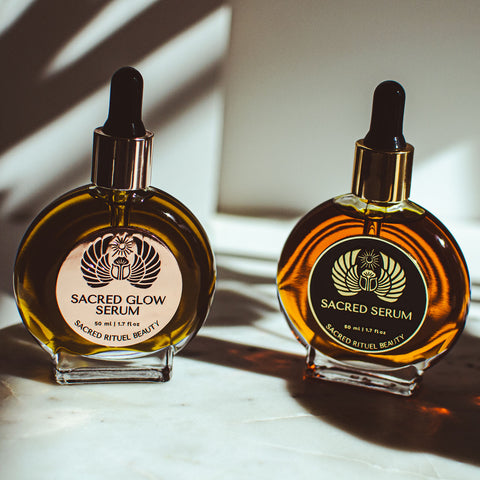
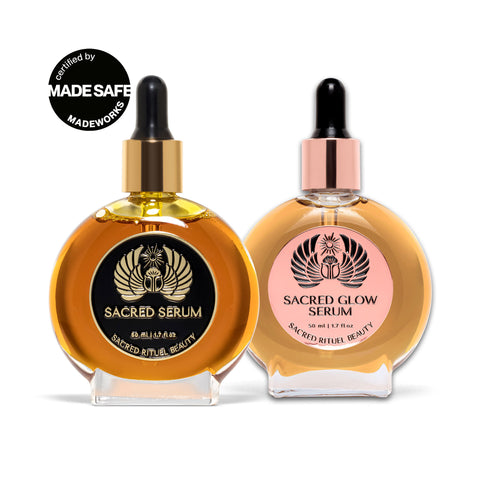
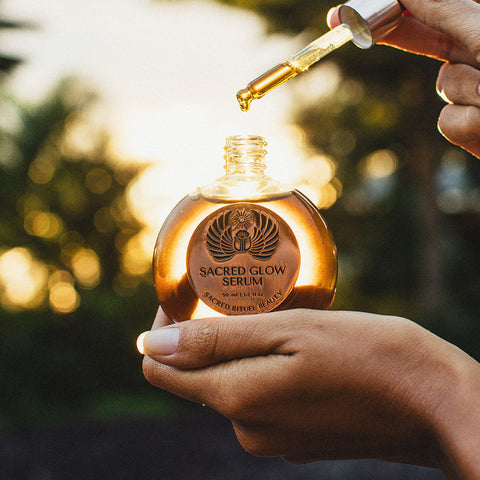
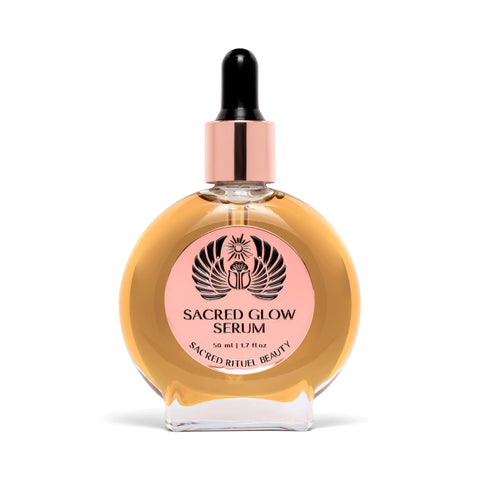
The products worth reaching for in an acne skincare regimen are the gentle ones: a mild non-foaming cleanser, a fragrance-free moisturizer, daily sun protection, and lightweight, non-comedogenic plant oils that support the skin's moisture barrier rather than stripping it. Many people are surprised that the right oil belongs on acne-prone skin at all, but a cold-pressed, whole-plant blend like Sacred Serum is rich in fatty acids and antioxidants and absorbs without leaving skin greasy, which is why customers describe a hydrated, calmer-looking complexion. If your breakouts are painful, cystic, or spreading, the most important product is a board-certified dermatologist's guidance, and you should always patch test any new oil before using it on your face.
Key Takeaways:
- Gentle products belong in an acne routine: Lightweight, non-comedogenic plant oils such as Jojoba Oil and Rosehip Oil can support a hydrated, balanced-looking complexion without leaving skin greasy.
- Cold-pressed oils keep their nutrients: Low-heat cold-pressing preserves the fatty acids and antioxidants that help support the look and feel of comfortable, calmer-looking skin.
- Match the product to your skin and get guidance when needed: Choose oils suited to oily, dry, combination, or sensitive skin, patch test anything new, and see a dermatologist for persistent, painful, or cystic breakouts.
When it comes to acne-prone skin, many people shy away from facial oils. The idea of adding more oil to a complexion that already feels oily sounds counterintuitive. The right oils, though, especially those that are cold-pressed and non-comedogenic, can support a hydrated, more balanced-looking complexion rather than a greasy one.
At Sacred Rituel, we have dedicated ourselves to the craft of holistic, plant-based skincare. Our roots in herbalist tradition, combined with our commitment to purity and sustainability, let us guide you toward a calmer, more comfortable-looking complexion.
In this article we explore which products and ingredients suit acne-prone skin, how cold-pressed oils like Sacred Serum fit into a gentle routine, and when it is time to see a dermatologist.
Can vitamin C help with acne?
Acne is commonly associated with clogged pores, excess sebum, and bacteria. Many people believe that avoiding oils altogether is the way to keep skin clear, but this can backfire. When skin becomes too dry from over-cleansing or harsh treatments, it can feel tight and look more reactive, which is uncomfortable for an already sensitive complexion.
Gentle, non-comedogenic facial oils can help skin feel balanced. Because their texture is close to the skin's own sebum, they sit comfortably and absorb without a greasy finish. By hydrating and nourishing, they support the look of calmer, more comfortable skin and help support the moisture barrier, all of which matter when you are caring for acne-prone skin.
Antioxidants are part of this picture too. Vitamin C is a well-known antioxidant that many people associate with a brighter, more even-looking tone, and it is especially helpful for the look of the marks breakouts can leave behind. Rather than an isolated high-strength vitamin C, our Sacred Serum delivers it the whole-plant way, with cold-pressed Rosehip Oil as a natural source of vitamin C and carotenoids, alongside antioxidant-rich Sea Buckthorn Oil. As with any antioxidant, daily sun protection is what makes the biggest visible difference.
Benefits Of Cold-Pressed Oils For Acne-Prone Skin
Cold-pressed oils are extracted without heat, which helps preserve their natural nutrients, antioxidants, and essential fatty acids. These oils tend to retain more skin-loving properties, which makes them a thoughtful choice for sensitive or acne-prone skin. Some of the qualities people value:
- Hydration with a light, non-greasy feel: Cold-pressed oils like jojoba, rosehip, and argan are non-comedogenic and offer lightweight hydration, which is welcome on acne-prone skin.
- A balanced-looking, comfortable complexion: Because oils such as jojoba are close in texture to the skin's own sebum, they sit comfortably and leave skin looking balanced rather than shiny.
- Calmer-looking skin: Many cold-pressed oils are rich in linoleic acid and omega fatty acids, which support the look of calmer, more comfortable skin.
- Rich in antioxidants: These oils carry vitamins and antioxidants that help skin stand up to everyday environmental stress and support a brighter, more even-looking tone where breakouts have left marks.
Used as part of a gentle routine, cold-pressed oils nourish skin and support a calmer, more comfortable-looking complexion. A cold-pressed, whole-plant blend like Sacred Serum brings several of these oils together in one bottle. If you also experience sudden, deeper breakouts, our guide to what triggers sudden cystic acne is a helpful companion read.
Which ingredients should I avoid in skincare products if I have acne?
Knowing what to leave out matters as much as knowing what to add. On acne-prone skin it helps to skip heavy, pore-clogging oils such as coconut oil, strongly fragranced products, and harsh, drying alcohols, since irritation and dryness can make skin look more reactive. Instead, the oils below are favorites for acne-prone skin because they are lightweight, non-comedogenic, and absorb cleanly.
Jojoba Oil
Jojoba Oil is one of the most popular oils for acne-prone skin because its texture closely resembles the skin's own sebum, so it sits comfortably and leaves skin looking balanced rather than greasy. It is lightweight, non-comedogenic, and rich in vitamins E and B-complex, which support the look and feel of soothed, comfortable skin.
Rose Hip Seed Oil
Rosehip Oil is rich in essential fatty acids and antioxidants, which makes it a favorite for supporting a more even-looking tone and the look of marks breakouts can leave behind. It is non-greasy and quickly absorbed, which suits acne-prone skin well.
Hemp Seed Oil
Hemp seed oil is rich in omega-3 and omega-6 fatty acids. It is non-comedogenic and supports the look of calmer, more comfortable skin, which makes it a thoughtful addition to a gentle acne routine.
Sea Buckthorn Oil
Sea Buckthorn Oil is rich in vitamins C and E, omega-7, and carotenoids, antioxidants many people associate with a brighter, more even-looking complexion and calmer-looking redness. It also supports the moisture barrier, which keeps skin feeling comfortable.
Camellia Seed Oil
Camellia seed oil is lightweight, non-greasy, and easily absorbed, which makes it a comfortable choice for acne-prone skin. It is rich in antioxidants and fatty acids that nourish skin, hydrate without a heavy feel, and support a calmer-looking, more even complexion.
How To Incorporate Facial Oils Into Your Skincare Routine
Bringing facial oils into your routine can be simple, and the key is knowing how and when to use them. A few tips for fitting them into your daily ritual:
Start With Clean Skin
Begin by gently cleansing your face. A non-stripping cleanser such as our Cosmic Cleansing Oil lifts away dirt, makeup, and surface oil without leaving skin tight, which makes it easier for a facial oil to absorb and nourish.

Use A Toner Or Serum First
If you use a toner, apply it before your facial oil. Toners help balance the skin's pH and prepare it to absorb oils more effectively. A simple daily ritual makes this easy to keep up, and our Sacred routine set pairs Sacred Serum with a rose toner and body oil so each step is ready to hand.
Apply The Facial Oil Last
Facial oils are typically the last step. After your moisturizer, press a few drops of Sacred Serum gently into your skin, focusing on areas that feel dry. This seals in moisture and the products underneath, acting as a comforting final layer.
Use Oils At Night
Facial oils can be especially nice at night. While you sleep, your skin rests and recovers, and an evening oil has time to absorb without interference from daytime factors like pollution or sun exposure.
Patch Test Before You Begin
Before using any new oil on your face, patch test it. Apply a small amount to your inner arm and leave it for 24 hours to check for any redness or irritation. Skin that tends to break out can be reactive, so this simple step is worth the wait.
Monitor Your Skin's Response
As with any new product, watch how your skin responds. Start with just a few drops and observe. If you notice irritation or increased breakouts, reduce the amount or how often you apply, and pause if discomfort continues.
When To See A Dermatologist
A gentle routine and the right products can do a lot to support the look and feel of acne-prone skin, but they are not a substitute for medical care. See a board-certified dermatologist if your acne is persistent, painful, cystic, or spreading, or if breakouts are affecting how you feel day to day. A dermatologist can assess your skin and discuss the approaches that are right for you, including any prescription options, which are decisions to make with a professional rather than on your own. If your breakouts came on suddenly, our guide to what triggers sudden cystic acne is a useful read alongside that conversation.
Tips For Choosing The Right Facial Oils For Your Skin Type
Not all facial oils are the same, and choosing the right one for your skin type matters, especially with acne-prone skin. A few tips to help you select based on your needs:
For Oily Skin
If your skin tends to be oily, look for lightweight, non-comedogenic oils that absorb without adding shine. Jojoba oil is an excellent choice because its texture is close to the skin's own sebum, so it leaves skin looking balanced. Hemp seed oil is another good option that hydrates with a light feel. Cold weather can shift how oily or dry skin behaves, which we cover in our look at how winter conditions affect breakouts.
For Dry Or Dehydrated Skin
Dry or dehydrated skin needs oils that bring deep hydration and nourishment. Rosehip seed oil and camellia seed oil are rich in essential fatty acids and antioxidants, which makes them lovely for replenishing moisture and supporting calmer, more comfortable-looking skin. Dryness and breakouts can go hand in hand, something we explore in the link between dry skin and breakouts.
For Combination Skin
If you have combination skin, you want a facial oil that suits both an oilier T-zone and drier cheeks. Sea buckthorn oil is a good option because it nourishes while staying lightweight, and jojoba oil works well because it sits comfortably across different areas of the face.
For Sensitive Or Irritated Skin
For sensitive or irritated skin, choose oils that soothe and comfort. Camellia seed oil and hemp seed oil are gentle and support the look of calmer skin, which makes them a kind choice for redness, irritation, and the discomfort that can come with breakouts. They are also lightweight, so they feel comfortable on reactive skin.
Look For Non-Comedogenic Oils
Whatever your skin type, choose non-comedogenic oils, the ones less likely to clog pores. Jojoba, hemp seed, and rosehip seed all have low comedogenic ratings, which makes them friendly to acne-prone skin. It is best to skip heavier oils like coconut oil, which can feel occlusive on this kind of skin.

Final Thoughts
Building an acne skincare regimen can feel daunting, but the most helpful products are usually the gentlest ones. With the right oils, you can nourish and hydrate your skin while supporting a calmer, more balanced-looking complexion. Cold-pressed, non-comedogenic oils like jojoba, rosehip, hemp seed, and sea buckthorn, brought together in a whole-plant blend like Sacred Serum, offer real benefits with a light, comfortable feel.
The key is to start slow, choose oils based on your skin type, patch test anything new, and pay attention to how your skin responds. And if your breakouts are persistent, painful, or cystic, let a dermatologist guide you. Used thoughtfully, a gentle plant-based routine can support a clearer, healthier, more comfortable-looking complexion over time.
Sources:
- Blaak, J., & Staib, P. (2022). An updated review on efficacy and benefits of sweet almond, evening primrose and jojoba oils in skin care applications. International Journal of Cosmetic Science, 44(1), 1-9.
- Baral, P., Bagul, V., & Gajbhiye, S. (2020). Hemp seed oil for skin care (non-drug cannabis sativa L): A review. World J. Pharm. Res, 9, 2534-2556.
- Koskovac, M., Cupara, S., Kipic, M., Barjaktarevic, A., Milovanovic, O., Kojicic, K., & Markovic, M. (2017). Sea buckthorn oil: A valuable source for cosmeceuticals. Cosmetics, 4(4), 40.
Frequently Asked Questions
Which ingredients should I avoid in skincare products if I have acne?
On acne-prone skin it helps to skip heavy, pore-clogging oils such as coconut oil, strongly fragranced products, and harsh, drying alcohols, since irritation and dryness can make skin look more reactive. Lightweight, non-comedogenic oils like Jojoba Oil are a gentler choice, and a whole-plant blend like Sacred Serum brings several of them together.
How does stress affect acne?
Stress is linked to hormonal shifts that can show up in the skin, so many people notice more breakouts during stressful stretches. Managing stress, resting well, and keeping your routine gentle all support a calmer-looking complexion. If breakouts are persistent or painful, a dermatologist can help you find the right plan.
Can vitamin C help with acne?
Vitamin C is a well-known antioxidant that many people associate with a brighter, more even-looking tone, and it is especially helpful for the look of the marks breakouts can leave behind. Our Sacred Serum delivers it the whole-plant way through cold-pressed Rosehip Oil, a natural source of vitamin C and carotenoids. As with any antioxidant, daily sun protection makes the biggest visible difference.
How often should I exfoliate if I have acne?
A gentle exfoliant once or twice a week is plenty for most people. Over-exfoliating can irritate acne-prone skin and leave it looking more reactive, so a calm, light hand is the kinder approach. Always patch test new products, and check with a dermatologist if your skin is very sensitive.
What natural products are good for acne-prone skin?
Lightweight, non-comedogenic plant oils are a gentle natural choice: jojoba, rosehip, hemp seed, sea buckthorn, and camellia all absorb cleanly and support a hydrated, balanced-looking complexion. A cold-pressed, whole-plant blend such as Sacred Serum combines several of these, and a non-stripping Cosmic Cleansing Oil is a kind first step.
What should I look for in skincare for acne-prone skin?
Look for gentle, non-comedogenic products that support rather than strip the skin: a mild cleanser, a fragrance-free moisturizer, daily sun protection, and a lightweight plant oil. A whole-plant blend like Sacred Serum is rich in fatty acids and antioxidants and absorbs without a greasy finish. Patch test anything new, and see a dermatologist for persistent, painful, or cystic breakouts.
Radiance Is Personal. Let’s Reveal Yours...


All Day Glow Essentials