What Triggers Sudden Cystic Acne And How It Relates To Accutane
Sudden cystic acne usually shows up because something has shifted in your body or environment, most often a hormonal change (a menstrual phase, stopping birth control, stress, or a condition like PCOS), a diet or lifestyle change, a move to a new climate, or a reaction to a new product. Because cystic breakouts are deep, painful, and prone to scarring, the honest first step is to see a dermatologist, especially if your acne is persistent, spreading, or you are on a prescription like Accutane, which is prescribed and monitored by a dermatologist. Alongside professional care, many people on a drying routine reach for a gentle whole-plant oil like Sacred Serum to support the look and feel of comfortable, hydrated skin, and patch-test any new oil first.
Key Takeaways:
- Understand the triggers: Sudden cystic acne is often linked to hormonal changes, diet or lifestyle shifts, environmental changes, or a reaction to a product, and identifying the likely trigger helps you respond calmly.
- Accutane is dermatologist-managed: Accutane (isotretinoin) is a prescription medication prescribed and monitored by a dermatologist; occasional breakouts can still happen, and any questions about it belong with your prescriber.
- Gentle support alongside professional care: A simple, consistent routine, mindful diet, and stress management can complement medical care, and a nourishing whole-plant oil like Sacred Serum face oil supports the look and feel of comfortable, hydrated skin. Patch-test any new oil first.
Sudden breakouts of cystic acne can feel overwhelming, especially when you have been caring for your skin or following a prescription routine like Accutane. These bumps sit deeper than an ordinary pimple, they are more painful, and they can take a toll on how you feel. So why do they seem to appear out of nowhere, and how does it relate to Accutane, the medication a dermatologist may prescribe for severe acne?
At Sacred Rituel, we work with cold-pressed, whole-plant botanicals to nourish skin and support its moisture barrier. With years of crafting organic skincare, we want to share practical, appearance-side insight, while being clear that cystic acne is a medical concern that a dermatologist is best placed to guide.
In this guide we will look at what cystic acne is, why it might suddenly appear, how it relates to Accutane, when to see a dermatologist, and gentle habits you can layer alongside professional care.
What Is Cystic Acne And Why Is It Different?
Cystic acne is the deepest, most intense type of acne. Unlike the smaller whiteheads or blackheads that sit closer to the surface, cystic acne forms deep within the skin. These bumps are inflamed, tender, and notoriously stubborn, which is exactly why they are best assessed by a dermatologist rather than self-treated.
So why does it happen? It usually begins when pores become congested with excess oil, dead skin cells, and bacteria, and the resulting inflammation runs deeper than in other types of acne, triggering a more pronounced reaction in the skin.
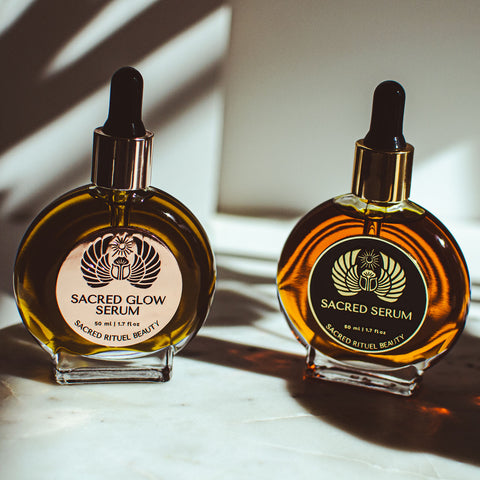
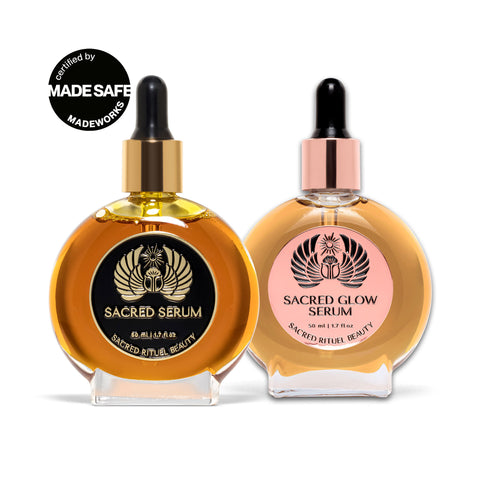
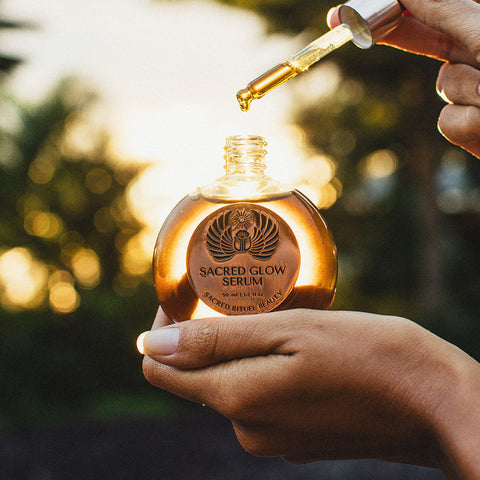
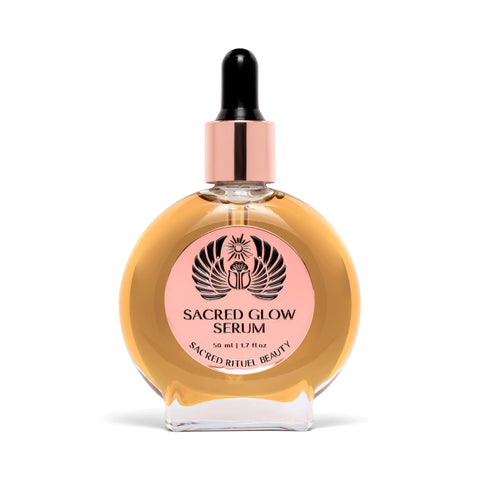
At Sacred Rituel, we believe in gentle, plant-based care that works with your skin's needs. our Sacred Serum is a blend of 14 cold-pressed organic botanical oils, rich in fatty acids, antioxidants, and polyphenols, that supports the look of the moisture barrier and the feel of calm, comfortable skin. It is a gentle whole-plant oil many people reach for while caring for blemish-prone skin, not a treatment for cystic acne itself. If you are also wondering whether oils suit blemish-prone skin, our guide to Facial Oil For Acne Prone Skin goes deeper, and always patch-test a new oil on your inner arm for 24 hours before applying it to your face.
Why Am I Getting Cystic Acne All Of A Sudden?
It is frustrating to wake up with painful cystic acne, especially if your skin has been relatively clear. Sudden outbreaks usually happen because something has shifted in your body or environment.
Hormonal Fluctuations
Sudden hormonal shifts are a top reason for unexpected cystic acne. This can happen during specific phases of your menstrual cycle when estrogen and progesterone levels fluctuate, and events like stopping birth control or periods of high stress can shift androgen levels too. Hormonal acne often appears cyclically and concentrates on the jawline or chin, and if it tends to linger you may find our guide on Dealing With Hormonal Acne: How Long Until It Clears Up? helpful.
Changes In Diet Or Lifestyle
What you eat and how you live can show up in your skin. High-glycemic foods like sugary snacks or white bread can spike blood sugar, which some people find is associated with more breakouts. On top of that, sleep deprivation or chronic stress raises cortisol, which many people notice alongside more inflamed-looking, stubborn cysts.

Environmental Shifts
Your surroundings play a bigger role in skin health than you might think. Moving to a more humid climate can leave skin feeling oilier, and pollution and airborne irritants in a new city or workplace can settle on the skin and disrupt its barrier. Cold, dry conditions matter too, as our look at How Winter Conditions Can Trigger Acne And Impact Accutane Use explains.
Reaction To Products
Even one wrong product can unsettle blemish-prone skin. If you have switched to a new moisturizer, sunscreen, or makeup, it might be too heavy or contain pore-clogging ingredients. This is also why patch-testing is worth the wait: try any new oil on your inner arm for 24 hours before applying it to your face. Interestingly, dryness itself can be a trigger, which we cover in The Link Between Dry Skin And Acne: What Accutane Users Need.
Underlying Health Conditions
Certain health conditions, such as PCOS or thyroid imbalances, can be associated with hormonal changes that show up as cystic acne. If your acne seems persistent and resistant to over-the-counter care, it is worth exploring with a dermatologist whether an underlying health issue is contributing.
Is Accutane Not Effective For My Cystic Acne?
Accutane, or isotretinoin, is a prescription medication a dermatologist may consider for severe acne, including cystic acne. Understanding how it works, and why it might not prevent every breakout, helps set expectations. Accutane is prescribed and monitored by a dermatologist, so always follow their guidance and bring any questions about it to them rather than starting, stopping, or adjusting it on your own.
How Accutane Works
Accutane is a powerful medication that, as commonly described, reduces the amount of oil (sebum) the skin produces and shrinks the sebaceous glands. This is medical context, not something a topical oil does, and the specifics of your treatment are between you and your prescribing dermatologist.
The Purge Phase
If you are currently taking Accutane, you might experience what is often called a purge during the early weeks of treatment, where skin can look worse before it looks better. If this concerns you, your dermatologist is the right person to ask, as they are monitoring your treatment.
Sudden Cystic Acne During Or After Accutane
While Accutane is effective for most people, some still experience occasional breakouts. Commonly described reasons include:
- Hormonal triggers: Even during treatment, hormonal fluctuations can sometimes coincide with temporary breakouts.
- Post-treatment rebound: After completing Accutane, some people notice a mild return of oiliness, and breakouts can follow if other factors like diet or stress come into play.
- Not a one-size-fits-all: In some cases, genetics or an underlying medical condition mean acne persists. Your dermatologist can talk through next steps.
Is cystic acne always hormonal?
Not always. Hormones are a common driver, but cystic acne can also be linked to genetics, stress, diet, and the products you use. Because the cause is not always obvious, a dermatologist is the best person to assess deep, painful, or recurring cysts. Alongside professional care, some gentle, appearance-side habits can help your skin feel calmer and more comfortable.
Warm Compress
A warm compress is a simple way to soothe the feel of a tender cyst. The warmth feels comforting and may ease discomfort. Use a clean, warm towel and press it gently against the area for 10 to 15 minutes, two to three times a day.
Whole-Plant Oils Rich In Fatty Acids
Lightweight, non-comedogenic plant oils are rich in omega-3 and omega-6 fatty acids that support the look and feel of the skin barrier. This is one reason many people with blemish-prone skin reach for a gentle whole-plant blend like the Sacred Serum oil, applied to slightly damp skin so it absorbs comfortably without feeling greasy. Patch-test on your inner arm for 24 hours first.
Sea Buckthorn Fruit Oil
Sea Buckthorn Oil is rich in antioxidants and naturally occurring vitamins, including a natural source of vitamin C and vitamin E. These plant antioxidants support skin against everyday environmental stress and are part of what gives our Sacred Serum blend its nourishing, comforting feel on blemish-prone skin.
Vitamin-C-Rich Botanicals
Plant sources of Vitamin C Oil For Face, such as rosehip and sea buckthorn, are antioxidants many people associate with a brighter, more even-looking tone, which is welcome when breakouts leave marks behind. As with any oil, dab a small amount and keep the rest of your routine gentle and consistent.
Frankincense And Geranium Botanicals
Aromatic botanicals like frankincense and geranium have a long place in herbal tradition for their soothing, grounding quality, and they contribute to the calm, comforting feel of a whole-plant blend. They are not a treatment for cystic acne, and a few drops of a finished, properly diluted oil is always gentler on the skin than concentrated extracts applied alone.
Green Tea Extract
Green tea is rich in polyphenols, antioxidants that support skin against everyday environmental stress. You can find it in skincare or brew a strong cup, let it cool, and use it as a gentle, refreshing rinse for a plant-antioxidant boost.
A Simple Daily Ritual
Keeping things simple makes a routine easy to sustain: cleanse gently with Cosmic Cleansing Oil, then press a few drops of the Sacred Serum oil blend into slightly damp skin. If you would like everything together, the Sacred routine set pairs the serum with toner and body oil for a complete, gentle ritual. Patch-test each new product before regular use.
Who is prone to cystic acne?
People with naturally oilier skin, hormonal shifts, a genetic predisposition, or an underlying condition like PCOS are more likely to experience cystic acne. While you cannot control every factor, a few practical, gentle habits can lower the chances of a sudden breakout, and a dermatologist can help if cysts are deep or recurring.
Maintain A Gentle Skincare Routine
Your skin does not need a dozen products to stay healthy; overdoing it can irritate skin and lead to breakouts. Use a gentle cleanser like Cosmic Cleansing Oil to lift dirt and excess oil without stripping the moisture barrier, followed by a lightweight, non-comedogenic oil or moisturizer. Daily sun protection from a dedicated sunscreen matters too; note that Sacred Serum is a nourishing oil, not a sunscreen, and offers no SPF.
Avoid Pore-Clogging Products
Not all skincare and makeup are created equal, so read labels carefully. Look for products labeled non-comedogenic or oil-free, and avoid thick creams or hair products that might transfer to the skin, especially along the hairline or jaw.
Keep Hands Off Your Face
Touching your face is an easy way to move dirt, bacteria, and oil onto the skin, which can congest pores. It is especially tempting to pick at a cyst, but this can make things worse and raise the chance of scarring, so it is best left alone or shown to a dermatologist.
Watch Your Diet
Certain foods, especially dairy and high-glycemic options like white bread or sugary snacks, are associated with more breakouts in people who are sensitive to them. Try keeping a food journal to spot patterns, and balance your plate with whole foods like fruits, vegetables, lean proteins, and healthy fats.
Manage Stress
When you are stressed, your body produces more cortisol, which many people notice alongside oilier skin and more breakouts. Build in stress-reducing activities like yoga, meditation, or a walk outside, and make time for rest and self-care.
Stay Hydrated
Dehydrated skin can feel tight and look dull. Aim for plenty of water through the day and water-rich foods like cucumber or watermelon, and pair that with a moisturizer or nourishing oil to keep skin feeling balanced and comfortable.
Stick To Consistent Hormonal Management
If your cystic acne is tied to hormonal changes, a doctor may discuss options like birth control or other prescriptions. Speak with your healthcare provider to find what suits your specific patterns, and keep a consistent schedule with any prescribed medication.
Regularly Clean Bedding And Devices
Pillowcases, towels, and phone screens collect dirt, oil, and bacteria. Wash pillowcases and towels at least once a week with a fragrance-free detergent, and wipe your phone with a disinfectant daily.

When To See A Dermatologist
Cystic acne is a medical concern, not just a cosmetic one, so professional care comes first. See a board-certified dermatologist if your acne is persistent, painful, deeply cystic, spreading, or scarring, or if you suspect an underlying condition like PCOS. A dermatologist can confirm what is going on and discuss the approaches that are right for you, including any prescription options such as Accutane, which is prescribed and monitored by a dermatologist and should only be started, stopped, or adjusted under their guidance. Gentle, appearance-side habits and a nourishing oil like Sacred Serum can sit alongside that care, never in place of it.
How To Patch-Test A New Oil
Before adding any new oil to your routine, patch-test it. Apply a small amount of the Sacred Serum face oil, or any new product, to your inner arm and leave it for 24 hours. If you notice redness, itching, or irritation, do not apply it to your face. Blemish-prone skin can be reactive, so this simple step helps you introduce something new with confidence, and it is worth repeating for each new product you try.
Final Thoughts
Dealing with cystic acne, especially when it appears suddenly, can be frustrating and overwhelming. Understanding the likely triggers, and the role of dermatologist-managed treatments like Accutane, can help you respond calmly and seek the right care.
Whether you are layering in gentle habits, simplifying your routine, or seeking professional guidance, cystic acne does not define you. Consistency and patience matter, and a holistic approach that includes healthy lifestyle habits, mindful product choices, stress management, and a board-certified dermatologist's input can make a real difference.
Sources:
- Baral, P., Bagul, V., & Gajbhiye, S. (2020). Hemp seed oil for skin care (non-drug cannabis sativa L): A review. World J. Pharm. Res, 9, 2534-2556.
- Koskovac, M., Cupara, S., Kipic, M., Barjaktarevic, A., Milovanovic, O., Kojicic, K., & Markovic, M. (2017). Sea buckthorn oil: A valuable source for cosmeceuticals. Cosmetics, 4(4), 40.
- Katiyar, S. K., Ahmad, N., & Mukhtar, H. (2000). Green tea and skin. Archives of Dermatology, 136(8), 989-994.
Frequently Asked Questions
Is cystic acne always hormonal?
Not always. Hormones are one of the most common drivers, but cystic acne can also be linked to genetics, stress, diet, and the products you use. Because deep, painful cysts can have more than one cause, a dermatologist is the best person to assess what is happening with your skin.
Who is prone to cystic acne?
People with naturally oilier skin, hormonal shifts, a genetic predisposition, or an underlying condition like PCOS are more likely to experience cystic acne. A gentle, consistent routine helps day to day, and a dermatologist can guide care if cysts are deep or recurring.
How do I know if my cystic acne is bacterial or hormonal?
Hormonal acne often appears cyclically, such as around the menstrual cycle, and tends to concentrate on the jawline and chin, while other breakouts can be more scattered. The patterns overlap, though, so a dermatologist is the right person to assess your skin and tell you what is really driving it.
What conditions are often mistaken for cystic acne?
Conditions like sebaceous cysts, rosacea, and hidradenitis suppurativa can be mistaken for cystic acne because they involve deep, inflamed-looking bumps. Because the right care depends on an accurate diagnosis, a board-certified dermatologist is the best person to tell them apart.
How can you tell if cystic acne is healing?
A settling cyst usually looks less red and swollen and feels less painful, and the bump gradually shrinks over time. Marks can linger after the bump itself calms; a gentle, antioxidant-rich routine supports a more even-looking tone, and a dermatologist can advise if cysts keep returning in the same spot.
What can be mistaken for cystic acne?
Deep, tender bumps from sebaceous cysts, rosacea, hidradenitis suppurativa, or even ingrown hairs can look like cystic acne. If a bump is unusually large, painful, or not responding to gentle care, it is worth having a dermatologist take a look rather than guessing.
What does PCOS-related cystic acne look like?
PCOS-related acne is often hormonal in pattern, concentrated along the lower face, jawline, and chin, and it can be deep and persistent. Because PCOS is a medical condition that involves more than the skin, a dermatologist or healthcare provider is the right person to evaluate it and guide care.
Radiance Is Personal. Let’s Reveal Yours...

All Day Glow Essentials