
Facial Oils And Hormonal Acne: A Natural Skincare Approach
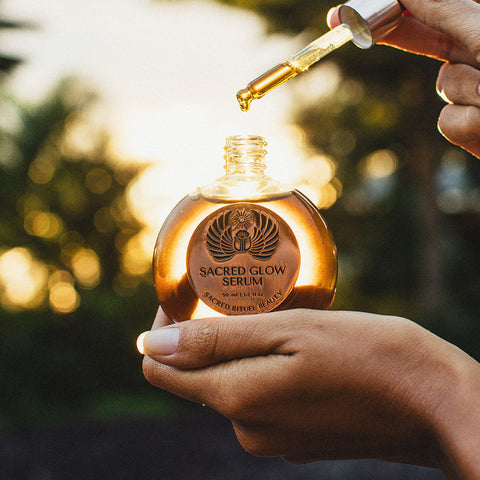
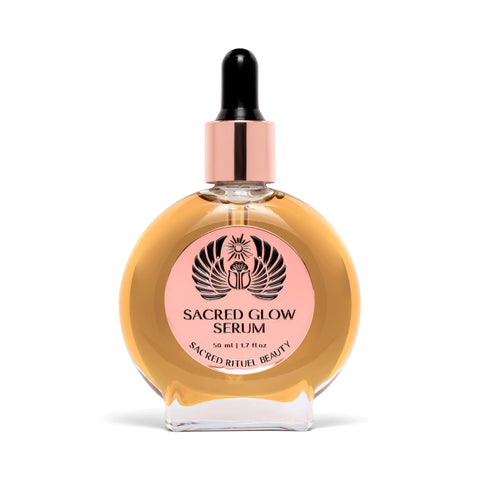
A good skincare routine for hormonal acne is a gentle, consistent one: a mild cleanser, an alcohol-free toner, a nourishing facial oil, a lightweight moisturizer, and daily sun protection, layered without harsh or stripping products. Hormonal acne tends to appear around the jawline and chin in rhythm with your cycle or times of stress, and the calmest approach supports the look and feel of comfortable, balanced skin rather than fighting it. The facial-oil step is where many people reach for Sacred Serum, a cold-pressed blend of 14 organic botanical oils whose fatty acids and antioxidants support the look of the moisture barrier without a heavy, pore-clogging feel. If your breakouts are persistent, painful, or cystic, a dermatologist can guide care that is right for you.
Key Takeaways:
- Recognizing hormonal acne: It often appears around the jawline and chin, usually in sync with your menstrual cycle or times of stress, and can show up at any age.
- A gentle facial-oil routine: Lightweight, non-comedogenic oils such as those in the Sacred Serum face-oil blend can support the look and feel of comfortable, balanced skin without a heavy, greasy finish.
- Habits and guidance matter: Steady sleep, balanced meals, and managing stress all support clearer-looking skin, and persistent or painful breakouts are worth taking to a dermatologist.
If you are here, you probably know how frustrating it can be to deal with breakouts that seem to have a mind of their own. Hormonal acne does not just appear during your teenage years; it can show up at any stage of life, especially around big hormonal shifts. And while there are plenty of acne products out there, not everyone wants to reach first for strong actives or prescriptions.
At Sacred Rituel, we work with cold-pressed, whole-plant botanicals to nourish skin and support its moisture barrier. We have spent years refining our formulations, focusing on what genuinely supports skin, especially when it feels stressed from hormonal fluctuations. In this guide we walk through what hormonal acne is, how to recognize it, and a gentle step-by-step routine, built around a facial oil like the Sacred Serum face oil, that supports the look of clearer, more balanced skin.
Does hormonal acne get worse before it gets better when starting a new routine?
Sometimes, yes. Some people notice a short adjustment period, often called purging, when they start a new routine, where breakouts can briefly seem more active before settling. The gentlest way through it is consistency and patience rather than piling on harsh products. A calm routine built around lightweight, non-comedogenic oils tends to be easier on the skin during this window than stripping cleansers or aggressive spot treatments.
So, what exactly is hormonal acne? In simple terms, it is acne tied to fluctuations in your hormones. These shifts can be linked to your menstrual cycle, pregnancy, stress, or lifestyle changes. When androgens such as testosterone rise, the skin's sebaceous glands tend to produce more oil, which can mix with dead skin cells and contribute to clogged-looking pores and breakouts.
Hormonal acne often appears in specific areas of the face, like the jawline, chin, and lower cheeks. It also tends to be more cystic, meaning breakouts can be deep, swollen, and sometimes painful. Unlike acne that pops up sporadically, hormonal acne often has a rhythm and shows up around the same time each month or during certain life stages. If your breakouts come on suddenly and run deep, it is worth reading about what triggers sudden cystic acne and when to seek guidance.
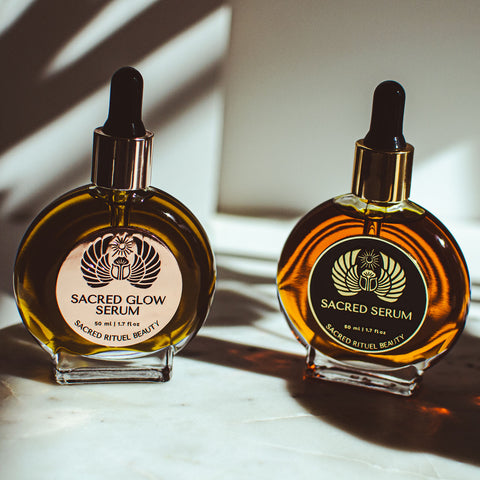
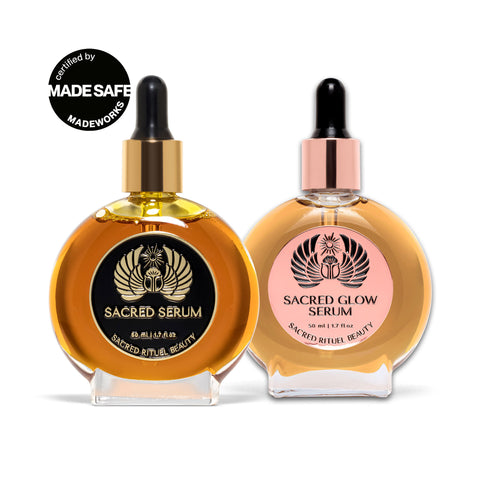
If you want a gentle way to support your skin, our Sacred Serum is a cold-pressed blend of 14 organic botanical oils chosen to nourish without a heavy, pore-clogging feel. Its lightweight oils can become a soothing part of your daily ritual.
Identifying Hormonal Acne: Key Signs And Symptoms
Knowing whether your breakouts are hormone-related can help you tailor your skincare approach. Here are some common signs that your breakouts may be tied to hormonal changes:
- Location matters: Hormonal acne typically appears around the jawline, chin, and sometimes along the neck, where hormone-sensitive sebaceous glands are concentrated.
- Timing and cycles: It often flares in sync with phases of your menstrual cycle, particularly around ovulation or just before your period. Regular breakouts at these times point toward hormones.
- Deep, cystic pimples: Hormonal acne tends to show up as deep, sometimes painful cysts that linger under the skin, unlike smaller, surface-level pimples.
- Persistence in adulthood: While acne is common in teenagers, hormonal acne is often persistent into adulthood, affecting people in their 20s, 30s, and even their 40s, due to ongoing hormonal fluctuations linked to lifestyle, stress, and life stages.
If breakouts coincide with your skin also feeling tight and dry, you may find it useful to understand the link between dry skin and acne as you fine-tune your routine.

Can Facial Oils Help With Hormonal Acne?
If you are used to fighting breakouts with harsh cleansers or drying spot treatments, the idea of adding oil to your face might seem a little backwards. But here is the thing: not all oils are alike, and the right lightweight oils can support the look and feel of calmer, more comfortable skin while helping the skin feel less stripped.
Hormonal acne often comes alongside a skin barrier that feels compromised, which can leave skin feeling sensitive and irritated. Cold-pressed plant oils are rich in fatty acids and antioxidants that nourish the skin and support the look of the moisture barrier. When skin feels properly moisturized and comfortable, it is often less prone to that tight, overstripped feeling that follows harsh routines.
So yes, while it may seem counterintuitive, the right facial oils can be a gentle, natural option as part of a routine for acne-prone skin. Choosing oils that are non-comedogenic, meaning they are unlikely to clog pores, and that suit your skin type is key. Our Sacred Serum face oil blends 14 of them into one lightweight step.
Best Facial Oils For Acne-Prone Skin
Choosing the right oils matters for acne-prone skin. Here are some of the lightweight, non-comedogenic oils people most often reach for, several of which are part of the Sacred Serum blend:
Jojoba Oil
Known for its similarity to skin's own sebum, Jojoba Oil is lightweight and absorbs quickly, providing hydration without a heavy feel, which makes it a popular choice for acne-prone skin. Many people find it leaves skin feeling soft and looking smoother and more even.
Rosehip Oil
Rich in linoleic acid, antioxidants, and natural vitamins A and C, Rosehip Oil is a favorite for skin dealing with post-breakout marks and uneven-looking texture. This lightweight oil is widely associated with a brighter, more even-looking tone over time.
Sea Buckthorn Fruit Oil
This bright orange oil is rich in carotenoids, antioxidants, and omega fatty acids, including the rare omega-7. Sea Buckthorn Oil is a comforting choice for skin that feels irritated, and many people associate it with a calmer, more even-looking complexion.
Hemp Seed Oil
High in linoleic acid, hemp seed oil has a lightweight texture that absorbs quickly, offering hydration without a greasy finish. Its omega-3 and omega-6 fatty acids nourish the skin, making it a gentle moisturizing option for oily, acne-prone skin types.
Sunflower Seed Oil
A gentle, non-comedogenic oil, sunflower seed oil is rich in vitamin E and essential fatty acids that help skin feel comfortable and support the look of the moisture barrier. Its lightweight consistency absorbs easily and layers well with other steps without a heavy, pore-clogging feel.
How can I tell if my skincare products are worsening my hormonal acne?
If new products leave skin looking redder, feeling more sensitive, or breaking out more often, especially with deeper, cystic-looking bumps, they may be too harsh or too heavy for your skin. The fix is usually to simplify: build a consistent routine that supports the look and feel of balanced skin without overloading it with stripping or pore-clogging products. Here is a step-by-step routine to keep things gentle.
Gentle Cleanser
Start with a mild, sulfate-free cleanser that will not strip your skin of its natural oils. Calming ingredients like chamomile or aloe vera can help skin look and feel soothed. A gentle oil-based option such as Cosmic Cleansing Oil lifts the day away while leaving skin feeling comfortable rather than tight, and it preps the skin to absorb the steps that follow.
Toner
Follow cleansing with an alcohol-free toner to refresh skin and help it feel balanced. Ingredients like rose water or green tea hydrate without that tight, dried-out feeling, and a good toner preps the skin to take in oils and moisturizers more effectively.
Facial Oil
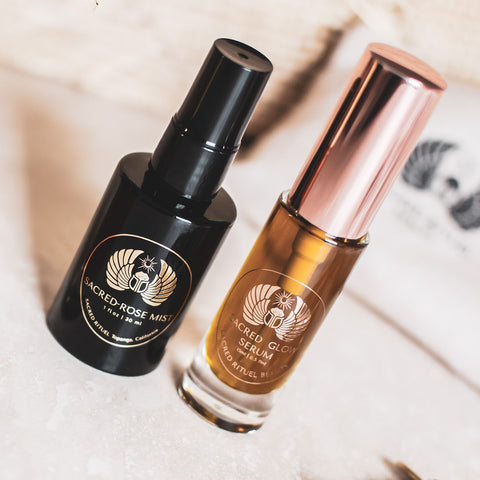
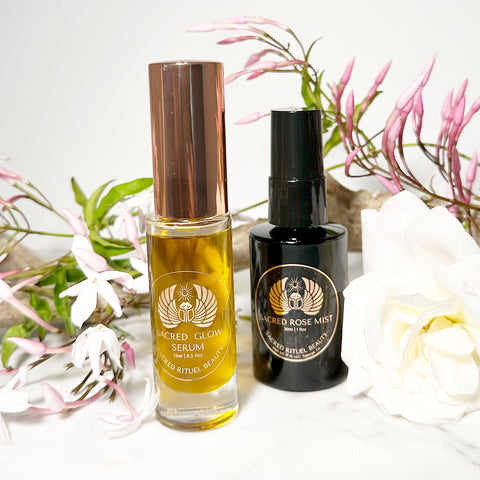
This is the heart of the routine. Press a few drops of a lightweight facial oil into slightly damp skin, focusing on areas prone to breakouts. Sacred Serum brings 14 cold-pressed botanical oils into a single step, rich in fatty acids, antioxidants, and polyphenols that nourish skin and support the look of the moisture barrier. Customers often describe skin that looks calmer and more glowing, hydrating without feeling greasy or clogged. If you would rather start with a coordinated set, the Sacred routine set pairs the serum with rose toner and body oil for face and body together.
Body Oil For Acne-Prone Areas
If you experience hormonal breakouts on your back, shoulders, or chest, consider a lightweight, non-comedogenic oil there too. Apply a thin layer after showering to help that skin feel soothed and hydrated, just as you would on your face.
Moisturizer
Finish with a non-comedogenic, lightweight moisturizer to help skin hold onto hydration without a heavy, pore-clogging feel. Even when you use a facial oil, a moisturizer adds a comfortable layer that keeps skin feeling balanced and looking fresh.
Sun Protection (AM)
Every morning, apply a broad-spectrum sunscreen to protect skin from UV rays. A mineral sunscreen with zinc oxide or titanium dioxide is often gentler on sensitive, acne-prone skin. Daily sun protection also helps post-breakout marks look less noticeable over time. Sun protection is a job for sunscreen, not for facial oil, so keep them as separate steps.
Patch-Test Anything New
Before adding any new oil or product to your face, patch test it. Apply a small amount to the inside of your forearm and wait 24 hours to check for any redness, itching, or irritation. The skin on your face is delicate, and a reaction can itself leave a darker-looking mark, so this simple step is worth the wait every time.
Weekly Additions
- Exfoliation: Use a gentle exfoliant with natural enzymes or mild acids once or twice a week to sweep away dead-looking surface cells and keep pores looking clearer.
- Masking: A weekly clay mask with kaolin or bentonite can help skin feel refreshed and look more matte. Keep it gentle and avoid over-doing it.
Lifestyle And Dietary Tips To Support Clear-Looking Skin
While a gentle skincare routine matters, lifestyle and dietary habits play an equally meaningful role. Because many factors influence hormonal fluctuations, tending to these areas can offer extra support for clearer-looking skin. Here are some tips:
Manage Stress Levels
Elevated stress is associated with hormonal shifts that many people connect to more frequent breakouts. Stress-relieving practices such as mindfulness, yoga, or daily walks can have a calming effect on mind and body. A routine that consistently helps you unwind supports both your wellbeing and the look of your skin.
Prioritize Quality Sleep
Restful sleep supports the body's overnight repair, and skimping on it can leave skin looking tired and more prone to breakouts. Aim for a regular schedule with 7 to 8 hours of uninterrupted rest to give your skin its best chance to look refreshed.
Balance Your Diet
What you eat can influence the hormonal balance behind breakouts. Many people find that easing back on processed foods, refined sugars, and dairy, while leaning into leafy greens, lean proteins, and healthy fats, supports clearer-looking skin. Notice what your own skin responds to.
Stay Hydrated
Hydration supports skin that looks and feels comfortable. Drinking water through the day helps skin stay supple, and well-hydrated skin tends to look more resilient against everyday environmental stress.
Consider Supplements
Some people find that supplements such as zinc, omega-3 fatty acids, or evening primrose oil support their skin and hormonal balance. Because supplements are not right for everyone, consult a healthcare provider before adding any new one to make sure it is safe and suitable for you.
Limit Alcohol And Caffeine
Both alcohol and caffeine can affect hormone balance and hydration, and alcohol can also interfere with restful sleep. Moderating your intake can help your skin stay better hydrated and looking its best over time.

When To See A Dermatologist
A gentle routine and supportive habits can go a long way, but some breakouts call for professional care. See a board-certified dermatologist if your acne is persistent, painful, deeply cystic, scarring, spreading, or simply not responding to a careful routine. A dermatologist can assess your skin, talk through what is driving your breakouts, and discuss the options that suit you, including any prescription treatments, which are decisions to make with a professional rather than on your own. If your breakouts came on suddenly, it can help to read about how seasonal changes can trigger acne and about how long hormonal acne typically lasts before your visit.
Final Thoughts
Navigating hormonal acne can feel challenging, especially when conventional products fall short. A natural skincare approach, built around gentle facial oils, offers a calm way to support the look and feel of more comfortable skin while you care for it. By understanding the rhythm of hormonal acne, you can choose products and habits that work with your body rather than against it.
Consistency and patience are key. Hormonal acne often takes time to respond to a new routine and lifestyle changes. Pairing a thoughtful regimen, with a nourishing facial oil like the Sacred Serum oil blend at its center, with supportive everyday habits is a steady step toward clearer-looking, comfortable skin. Everyone's skin journey is unique, so tune into what works best for you, and reach out to a dermatologist whenever your breakouts need more than a gentle routine can offer.
Sources:
- Bocheva, G., Slominski, R. M., & Slominski, A. T. (2023). Environmental Air Pollutants Affecting Skin Functions with Systemic Implications. International Journal of Molecular Sciences, 24(13), 10502. https://doi.org/10.3390/ijms241310502
- Naidoo, K., & Birch-Machin, M. (2017). Oxidative Stress and Ageing: The Influence of Environmental Pollution, Sunlight and Diet on Skin. Cosmetics, 4(1), 4. https://doi.org/10.3390/cosmetics4010004
- Passeron, T., Zouboulis, C. C., Tan, J., Andersen, M. L., Katta, R., Lyu, X., Aguilar, L., Kerob, D., Morita, A., Krutmann, J., & Peters, E. M. J. (2021). Adult skin acute stress responses to short‐term environmental and internal aggression from exposome factors. Journal of the European Academy of Dermatology and Venereology, 35(10). https://doi.org/10.1111/jdv.17432
Frequently Asked Questions
How can I tell if my skincare products are worsening my hormonal acne?
If new products leave your skin looking redder, feeling more sensitive, or breaking out more often, especially with deeper, cystic-looking bumps, they may be too harsh or too heavy for your skin. Simplify to a gentle, non-comedogenic routine and patch test anything new before applying it to your face.
Does hormonal acne get worse before it gets better when starting a new routine?
Sometimes. Some people notice a short adjustment period, often called purging, where breakouts briefly seem more active before settling, usually within a few weeks. Staying consistent and gentle, rather than piling on harsh products, is the calmest way through it.
Are oil-free products better for hormonal acne?
Not necessarily. Lightweight, non-comedogenic oils can support the look and feel of balanced skin without a heavy, clogging finish. A cold-pressed blend like Sacred Serum is chosen to nourish skin without that greasy feel, so what matters most is picking products that suit your skin type and avoiding heavy, pore-clogging ingredients.
Can wearing makeup worsen hormonal acne?
It can, especially if heavy or left on overnight. Choose non-comedogenic, breathable formulas and remove makeup thoroughly each night. Cleansing well and following with a gentle routine helps your skin look and feel comfortable rather than congested.
Is it okay to use sunscreen if I have hormonal acne?
Yes, daily sun protection is important. Choose a non-comedogenic, mineral-based sunscreen with zinc oxide or titanium dioxide, which is often gentler on sensitive, acne-prone skin, and which can help post-breakout marks look less noticeable over time.
What is a good skincare routine for hormonal acne?
A gentle, consistent routine works best: a mild cleanser, an alcohol-free toner, a nourishing facial oil, a lightweight moisturizer, and daily sun protection. The facial-oil step is where many people press in Sacred Serum, whose cold-pressed botanical oils support the look of the moisture barrier without a heavy feel. Patch test anything new, and see a dermatologist if breakouts are persistent or painful.
What skincare is good for hormonal breakouts?
Gentle, non-comedogenic skincare that supports the skin barrier tends to suit hormonal breakouts best: a sulfate-free cleanser, a calming toner, and a lightweight facial oil rather than stripping or aggressive products. Many people reach for the cold-pressed oils in Sacred Serum to help skin look calmer and feel comfortable. If breakouts are deep, painful, or persistent, a dermatologist can guide care.
Radiance Is Personal. Let’s Reveal Yours...
All Day Glow Essentials