Using Facial Oils To Support Skin Through Hormonal Acne, Naturally
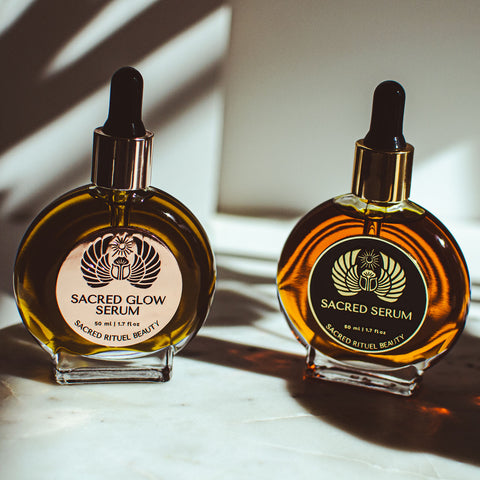
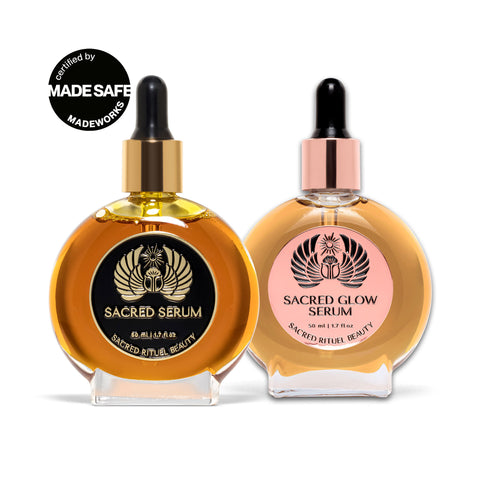
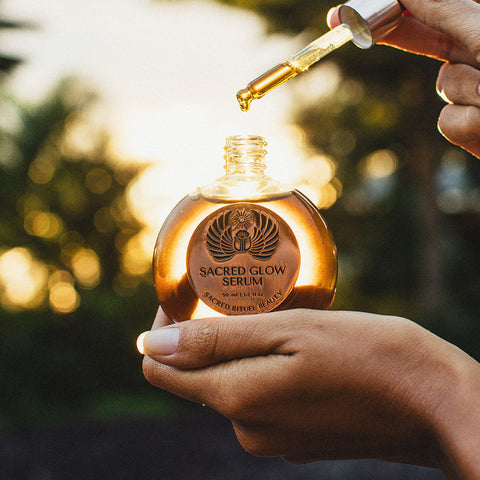
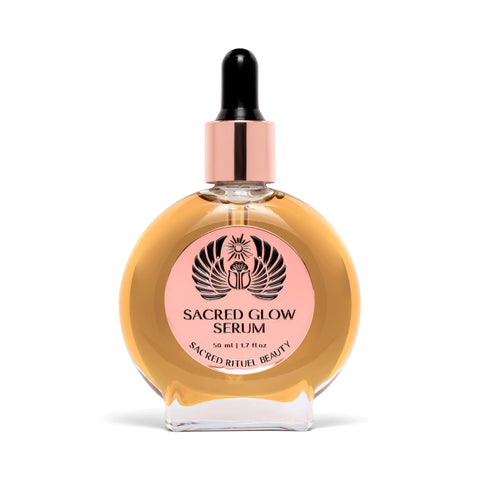
Facial oils can be a gentle, supportive part of caring for skin that is prone to hormonal acne, because the right cold-pressed botanical oils are compatible with your skin's own lipids and help support the look and feel of a comfortable, hydrated moisture barrier. They are not a cure for breakouts, and persistent, painful, or cystic acne deserves a dermatologist's care. As a daily ritual, many people reach for a whole-plant oil like Sacred Serum, a blend of 14 cold-pressed organic oils that customers associate with calmer-looking, more comfortable skin, paired with sun protection, a gentle routine, and patience.
Key Takeaways:
- Facial oils support the look and feel of balanced skin: The right cold-pressed facial oils are compatible with your skin's own lipids and support the look and feel of a comfortable, hydrated moisture barrier, which many people find helpful for acne-prone skin.
- Choose oils based on your skin type: Jojoba and rosehip are lightweight, non-comedogenic options many people prefer for acne-prone skin, while richer oils suit dry or sensitive skin.
- Consistency and patience matter: A gentle, steady routine supports calmer-looking skin over time. Persistent, painful, or cystic acne is worth taking to a dermatologist.
Hormonal acne can feel like an uphill battle, especially when it seems to appear at the worst times. If you have tried various approaches without much success, you might be hesitant to consider oils as part of your skincare routine. After all, the idea of putting oil on already acne-prone skin sounds counterintuitive, right? But facial oils, particularly those made from cold-pressed botanical ingredients, can offer surprising support for the look and feel of your skin. Many people reach for a whole-plant oil like Sacred Serum as part of a gentle daily ritual.
As a brand deeply rooted in herbalist and plant-medicine traditions, Sacred Rituel has spent years working with cold-pressed, whole-plant botanicals that respect your skin's natural balance. Our focus on sourcing the finest cold-pressed oils, kept whole by low-heat extraction, gives us a real understanding of how these oils support sensitive, acne-prone skin.
In this article, we will explore how these oils can support the look and feel of balanced, comfortable skin, when to seek a dermatologist's guidance, and how to introduce a new oil gently and safely.
What Is Hormonal Acne And Why Does It Happen?
Hormonal acne is associated with fluctuations in your body's hormone levels, which can be linked to more oil on the skin. This excess oil, combined with dead skin cells, is often involved in the breakouts many people experience. It typically appears during periods of hormonal change, like puberty, menstruation, pregnancy, or times of stress.
Hormonal acne is often deeper, more tender, and can last longer. These breakouts can also be cystic, meaning they form large, tender bumps beneath the skin that take time to settle. While it might be tempting to turn to harsh products to dry out the skin, these often strip away its natural oils, which can leave skin feeling worse. That is where a gentle facial oil such as the Sacred Serum face oil can play a supportive role. This cold-pressed, whole-plant oil blend is rich in fatty acids, antioxidants, and polyphenols, and supports the look and feel of a hydrated, comfortable moisture barrier without the heavy, greasy feel many people worry about. If your breakouts come on suddenly or feel deep and painful, it is worth reading about what triggers sudden cystic acne and speaking with a dermatologist.
Does hormonal acne go away on its own?
Sometimes. Hormonal acne can settle on its own, particularly after hormonal fluctuations stabilize, but for many people it lingers and benefits from a gentle, consistent routine and, when it is persistent or painful, a dermatologist's guidance. Knowing the signs of hormonal acne can help you understand what you are seeing and respond gently. Here are some common patterns:
- Location: Hormonal acne typically shows up around the lower face, particularly along the jawline, chin, and sometimes the neck. If your breakouts are concentrated in this area, it could be hormonally driven.
- Timing: For many people, hormonal acne flares in a cyclical pattern, often around the menstrual cycle. If you notice your breakouts are worse during certain times of the month, this might be a sign of hormone fluctuations.
- Type of acne: Hormonal acne often consists of deep, tender bumps. Unlike surface-level whiteheads or blackheads, these form deeper under the skin and are harder to address with over-the-counter products.
- Persistent breakouts: If you are well into adulthood but still experiencing acne that lingers despite changes to your routine, it could be related to hormonal changes. Stress, pregnancy, or menopause can all trigger hormonal shifts.
Understanding these patterns can help you tailor a gentle routine and recognize when it is worth checking in with a dermatologist. Hormonal shifts can also overlap with other triggers, such as the way winter conditions can trigger acne or how dry skin relates to acne.
Can stress cause hormonal acne?
Stress is one of the most common things people notice alongside a flare, because it is linked to the same hormonal shifts associated with hormonal acne. Applying oil to already oily or acne-prone skin might seem counterproductive, but facial oils can be a thoughtful part of a calm, supportive routine during stressful, breakout-prone stretches. Here is how facial oils can support the look and feel of your skin during hormonal acne:
Supporting Balanced-Feeling Skin
When your skin is stripped of its natural oils, often from using overly harsh cleansers or products, it can feel tight and look unsettled. By using a facial oil that is compatible with the skin's own lipids, like Jojoba Oil, you can support the look and feel of more balanced, comfortable skin over time.
Soothing-Looking, Comfortable Skin
Many cold-pressed oils are rich in essential fatty acids such as linoleic acid and in antioxidants. Oils like Rosehip Oil and evening primrose are associated by many customers with calmer-looking, more comfortable skin. The whole-plant oils in our Sacred Serum are chosen for this soothing, nourishing quality.
Lightweight, Non-Comedogenic Oils
Not all oils sit heavily on the skin. Some, like jojoba and hemp seed, are widely considered non-comedogenic, meaning they are unlikely to block pores. These oils are lightweight and absorb quickly without leaving a greasy residue, which makes them a thoughtful choice for acne-prone skin. They provide hydration and nourishment while feeling comfortable on the skin.
Supporting The Look Of The Moisture Barrier
The skin barrier is your first line of defense, but it can easily feel compromised after over-exfoliation, aggressive products, or environmental stress. Cold-pressed oils are rich in fatty acids, vitamins, and antioxidants that help seal in moisture and support the look and feel of a comfortable, resilient barrier. A whole-plant blend like the Sacred Serum face oil is formulated with exactly this kind of barrier support in mind.
Best Cold Pressed Oils For Hormonal-Acne-Prone Skin
When it comes to caring for hormonal-acne-prone skin, not all oils feel the same. Some sit heavily, while others are light and well-tolerated. Here are some of the cold-pressed oils many people reach for:
Jojoba Oil
Jojoba Oil closely resembles the skin's own sebum, which is why so many people with oily or acne-prone skin find it sits comfortably and absorbs well. It is lightweight, non-greasy, and widely considered non-comedogenic, making it a gentle everyday option.
Rosehip Oil
Rosehip Oil is rich in vitamins and essential fatty acids like linoleic acid, and it is a natural source of carotenoids and vitamin C. It is lightweight and non-greasy, which many people with acne-prone skin appreciate, and customers often associate it with a brighter, more even-looking glow after post-breakout marks settle.
Hemp Seed Oil
Hemp seed oil is a popular option for acne-prone skin because it is widely considered non-comedogenic and feels light on the skin. Rich in omega-3 and omega-6 fatty acids, it is often associated with calmer-looking skin and works as a comfortable hydrator for both oily and dry skin types.

How To Use Facial Oils In A Gentle Skincare Routine
Incorporating facial oils into your skincare routine can seem a bit daunting, but with the right approach they work harmoniously with your other products. Here is how to use them thoughtfully when your skin is prone to hormonal acne:
Cleanse First
Always begin with a gentle cleanser so your skin is clean and free of dirt, makeup, and excess oil. Cleansing prepares your skin to take in the nutrients from a facial oil. For acne-prone skin, opt for a gentle, oil-based cleanser like Cosmic Cleansing Oil, which lifts away the day without stripping the skin's natural oils.
Use Oils As The Last Step
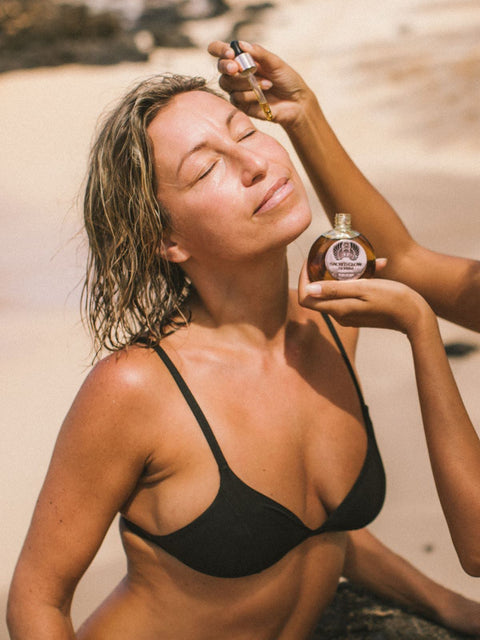
Facial oils are best applied after your other skincare products, particularly water-based serums and moisturizers. Oils create a seal over your skin, locking in moisture. If your skin feels very oily, you can press a small amount of the Sacred Serum blend into slightly damp skin and skip a heavier moisturizer.
Patch-Test Anything New
Before adding any new oil to your routine, patch test it on your inner arm and wait 24 hours before applying it to your face. The skin on acne-prone faces can be reactive, and a patch test helps you make sure a new oil sits comfortably with your skin before regular use.
Start Slow
If you are new to using facial oils, start slowly to see how your skin responds. Begin by applying oil two to three times a week, and gradually increase as your skin becomes more accustomed to it. This gentle introduction helps your skin adjust without feeling overwhelmed.
Build A Simple Daily Ritual
For an easy routine you can keep up, cleanse with Cosmic Cleansing Oil, then press the Sacred Serum oil into slightly damp skin. The Sacred routine set pairs the serum with a rose toner and body oil, so the same gentle, whole-plant care extends to the rest of your skin too.
When To See A Dermatologist
A gentle facial-oil routine supports the look and feel of your skin, but it is not a substitute for medical care. See a board-certified dermatologist if your acne is persistent, painful, cystic, spreading, or leaving scarring, or if it is not responding to a gentle routine. A dermatologist can assess what is going on, talk through options that suit your skin, and guide any prescription treatments, which are decisions to make with a professional rather than on your own. If you have ever wondered how long hormonal acne lasts for you specifically, that is a great question for a dermatologist.
Tips For Choosing The Right Oil For Your Skin Type
Not every facial oil suits every skin type, and choosing the right one helps it sit comfortably. Here are some tips to find a good match for your skin:
For Oily Or Acne-Prone Skin
If you have oily or acne-prone skin, look for lightweight, non-comedogenic oils that feel light on the skin. Jojoba and hemp seed are popular options that absorb well without a greasy finish.
For Dry Skin
If your skin tends to be dry, you will appreciate richer oils that offer deeper hydration. Rosehip and argan are well loved for dry skin, providing comfort and support for the look of the moisture barrier.
For Combination Skin
Combination skin can be tricky since it involves both oily and dry areas. Versatile oils like jojoba and rosehip work well, offering hydration to dry areas while feeling light across the T-zone.
For Sensitive Skin
If you have sensitive skin, opt for gentle oils like chamomile or rosehip, which many people find soothing and unlikely to cause irritation. Always patch-test a new oil on your inner arm for 24 hours first.
Check For Purity
When choosing an oil, make sure it is cold-pressed and pure. Cold-pressed oils keep their nutrients intact, which means more for your skin. Avoid oils with added fragrances or synthetic ingredients that could irritate sensitive, acne-prone skin.

Final Thoughts
Hormonal acne can be frustrating, but with a gentle, consistent approach you can support the look and feel of calmer, more comfortable skin. Facial oils, especially those that are cold-pressed and tailored to your skin type, can bring nourishment and barrier support without stripping the skin, helping it find its natural equilibrium.
By weaving a whole-plant oil like our Sacred Serum into your routine and staying consistent, many people notice calmer-looking skin and a healthier-looking glow over time. Everyone's skin is different, so finding the right oil and rhythm may take a little experimentation. Patience is key with a natural approach, and the reward of comfortable, radiant-looking skin is well worth it.
Embrace the care of whole-plant botanicals and give your skin the gentle attention it deserves. And if your acne is persistent, painful, or cystic, let a dermatologist be part of your team, since some breakouts genuinely need professional care.
Sources:
- Baral, P., Bagul, V., & Gajbhiye, S. (2020). Hemp seed oil for skin care (non-drug cannabis sativa L): A review. World J. Pharm. Res, 9, 2534-2556.
- Belkhelladi, M., & Bougrine, A. (2024). Rosehip extract and wound healing: A review. Journal of Cosmetic Dermatology, 23(1), 62-67.
- Sandha, G. K., & Swami, V. K. (2009). Jojoba oil as an organic, shelf stable standard oil-phase base for cosmetic industry. Rasayan J Chem, 2(2), 300-306.
Frequently Asked Questions
Does hormonal acne go away on its own?
Sometimes. Hormonal acne can settle on its own once hormonal fluctuations stabilize, but for many people it lingers and benefits from a gentle, consistent routine. A whole-plant oil like Sacred Serum can support the look and feel of comfortable skin in the meantime. If your acne is persistent, painful, or cystic, a dermatologist can help.
Can stress cause hormonal acne?
Stress does not directly create breakouts, but it is linked to the hormonal shifts associated with hormonal acne, so many people notice flares during stressful stretches. Managing stress, keeping your routine gentle, and supporting the look and feel of your skin with a soothing oil all help. A calm daily ritual can be a grounding part of that.
Is hormonal acne related to gut health?
There is growing interest in the connection between gut health and skin, and some people find that a balanced, fiber-rich diet supports how their skin looks and feels. The relationship is still being understood, so it is best to treat diet as one supportive habit among many. A dermatologist or healthcare provider can offer guidance tailored to you.
Does drinking water help with hormonal acne?
Staying hydrated supports overall skin comfort and a healthy-looking complexion, but drinking water is not a fix for hormonal acne on its own. Pair good hydration with a gentle routine, sun protection, and a nourishing oil like Sacred Serum that helps your skin feel comfortable and hydrated from the outside in.
Will hormonal acne ever go away?
For many people hormonal acne does ease over time, especially as hormone levels settle, though it can come and go with hormonal cycles. A gentle, consistent routine supports calmer-looking skin along the way. If breakouts are persistent, painful, or cystic, a board-certified dermatologist can assess your skin and guide longer-term care.
What is a gentle routine for hormonal-acne-prone skin?
Keep it simple and kind to your skin: cleanse gently with Cosmic Cleansing Oil, then press a lightweight, whole-plant oil like Sacred Serum into slightly damp skin. Patch-test any new oil on your inner arm for 24 hours first, protect your skin from the sun, and give the routine several weeks. For persistent or painful breakouts, see a dermatologist.
Radiance Is Personal. Let’s Reveal Yours...
All Day Glow Essentials