How to Tell Melasma from Freckles and Sun Spots
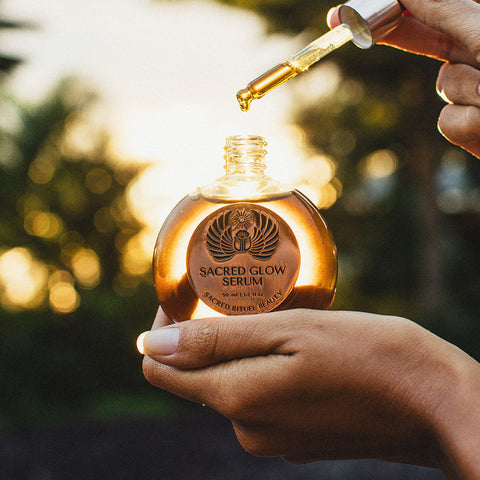
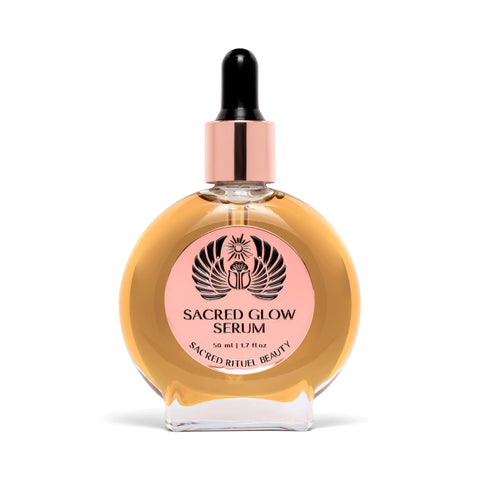
The quickest way to tell melasma from freckles and sun spots is by their pattern, cause, and timing. Freckles are small, scattered, genetic spots that darken in summer and lighten in winter. Sun spots are flat, isolated brown marks that build up from years of UV exposure and tend to appear later in life and stay put. Melasma shows up as larger, often symmetrical patches, is frequently linked to hormonal shifts, and is made more pronounced by sunlight. None of the three are harmful, but they are easy to confuse, and suspected melasma is best confirmed by a dermatologist rather than self-diagnosed. Daily sun protection is the foundation for all three, and many people support the look of a more even tone with a nourishing whole-plant oil like Sacred Serum, whose rosehip and sea buckthorn carotenoids customers associate with brighter, more even-looking skin.
Key Takeaways:
- They are different things: Freckles are genetic and fluctuate with the seasons, sun spots build up from cumulative UV exposure, and melasma is often hormone-related but made more pronounced by sunlight.
- Appearance-side support: Daily sun protection plus a gentle, consistent routine, including a nourishing whole-plant oil such as Sacred Serum face oil, can support a more even-looking tone over time.
- When to get guidance: Spots that grow, spread, change color, or that you suspect may be melasma warrant a board-certified dermatologist, since true melasma needs professional guidance.
Skin pigmentation is a natural part of how the body responds to sunlight, hormones, and aging. Even so, it can be hard to tell the difference between melasma, freckles, and sun spots, since all three can show up as darker areas on the skin. While each is harmless in most cases, they have distinct causes and characteristics, and understanding those differences is the first step toward choosing the most supportive care.
At Sacred Rituel, we work with cold-pressed, whole-plant botanicals to nourish skin and support its moisture barrier. This article looks at melasma, sun spots, and freckles side by side, breaking down what each one is, how to tell them apart, and gentle, appearance-side ways to support skin with pigmentation. Many people supporting the look of a more even tone reach for a nourishing whole-plant oil such as Sacred Serum face oil as part of a calm routine.
Are freckles a sign of sun damage?
Not exactly. Freckles are genetic in nature, meaning some people are simply more predisposed to them, and they darken with sun exposure and lighten during seasons with less sunlight. Unlike sun spots, freckles are not considered a form of skin damage; they are clusters of pigment the skin produces naturally, and many people embrace them as a feature of their skin's character.
This is also why melasma, sun spots, and freckles are so often confused. At first glance they all appear as darker pigment, and they tend to show up in the places most exposed to sunlight, like the face, shoulders, and arms. The difference lies in their patterns, triggers, and how they behave over time: melasma often appears in larger patches, freckles are usually small and scattered, and sun spots form as flat brown marks after years of UV exposure. If you are weighing freckles against more permanent marks, this companion piece on Sun Damage: How To Tell If It's Freckles Or Age Spots A goes deeper.
What Is Melasma?
Melasma is a form of hyperpigmentation that usually appears as larger, symmetrical patches on the face, especially on the cheeks, forehead, and upper lip. Unlike freckles or sun spots, melasma is more often linked to hormonal changes, such as pregnancy or birth control use, though sun exposure can make it more pronounced.
Melasma is more common in people experiencing hormonal shifts and in those with medium to deeper skin tones, where it can also be more persistent. While melasma itself is harmless, many people look for ways to soften its appearance for cosmetic reasons. Consistent sun protection and gentle, plant-based care can support the look of more even skin and help keep patches from looking darker. Because melasma can be tricky to identify and is best not self-diagnosed, suspected melasma is worth confirming with a dermatologist. If your skin has darkened without an obvious cause, this related read on Addressing Unexplained Skin Darkening With Facial Serums may help.
What Are Freckles?
Freckles are small, flat spots that typically appear on sun-exposed areas of the skin, most often on the face and arms. They are genetic, so some people are more predisposed to them than others, and they tend to become darker with sun exposure and lighter during seasons with less sunlight.
Unlike melasma or sun spots, freckles are not considered a form of skin damage. They are clusters of pigment the skin produces naturally. While some people choose to soften their appearance, many embrace freckles as a unique feature that reflects their skin's natural character.
What Are Sun Spots?
Sun spots, also called solar lentigines, are flat, brown patches that develop on areas of skin that get the most sun over time, such as the face, chest, and hands. Unlike freckles, which can lighten when sun exposure decreases, sun spots usually remain once they appear.
They are a visible sign of accumulated UV exposure and often become more common with age. While harmless, many people choose to soften their appearance with supportive skincare and a focus on daily sun protection to help prevent new ones from forming. For more on telling these marks apart, see Sun Damage: How To Tell If It's Freckles Or Age Spots A.

Melasma vs Freckles: Key Differences
At first glance, melasma and freckles can both look like brown spots, but their behavior and causes set them apart. Melasma usually forms larger, patch-like areas and is often tied to hormonal changes. Freckles appear as small, scattered spots that are primarily genetic and become more visible with sun exposure.
Another distinction is permanence. Melasma tends to linger and often calls for consistent, supportive care, while freckles can darken in summer and lighten in winter. Understanding these differences helps you choose the right approach, whether that is embracing freckles as part of your skin's natural look or supporting the look of melasma with lifestyle adjustments and gentle skincare.
Sun Spots vs Freckles: How to Tell Them Apart
While both sun spots and freckles are linked to sun exposure, the way they develop is quite different. Freckles are usually genetic, appearing in childhood and darkening with UV exposure, but they often lighten when sun exposure decreases. Sun spots usually appear later in life and remain on the skin once they form.
Another key difference is size and distribution. Freckles are small and scattered, while sun spots tend to be larger, isolated patches. If you are unsure which you are seeing, looking at the age of onset and whether the spots lighten or stay can often provide clarity.
Can sun spots and melasma appear together?
Yes. Someone with melasma may also develop sun spots from cumulative UV exposure, which can make pigmentation look more complex. The two are often mistaken for each other because both appear as brown discoloration on sun-exposed skin, but melasma usually develops in symmetrical patches, often across the cheeks, forehead, and upper lip, while sun spots show up as individual, flat marks.
The causes also differ. Melasma is strongly linked to hormones and can be associated with pregnancy or birth control, with sunlight making it more pronounced, while sun spots are caused by long-term UV exposure. Recognizing the difference helps you choose the most supportive care. If your pigmentation seems layered or your routine feels less effective in colder months, this read on Why Winter Weather Might Change Your Treatment Approach For offers context, and because melasma in particular can be hard to read, a dermatologist is the right call for a confident diagnosis.
Skin Pigmentation Types and What They Mean
Skin pigmentation can appear in several forms, each with its own causes and characteristics. Freckles are clusters of pigment that respond to sun exposure and are often genetic. Sun spots develop as a sign of accumulated UV exposure over time, while melasma is typically driven by hormonal changes that create darker patches.
Understanding these types helps you identify what is happening with your skin and guides your care choices. While none of them are harmful on their own, they can be softened in appearance with mindful sun protection and supportive skincare. Pigmentation can also be more persistent on richer skin tones, and this read on Addressing Hyperpigmentation For Dark Skin Types speaks to that directly.

Caring for Skin with Pigmentation
Caring for pigmented skin is a balance of daily prevention and supportive routines. While freckles, melasma, and sun spots are different, the way you care for your skin can help soften their visibility and reduce the chance of new spots forming.
Preventive Habits
Daily sun protection is one of the most important steps for all types of pigmentation. Using a broad-spectrum sunscreen, seeking shade during peak hours, and wearing protective clothing all help reduce the impact of UV rays. These simple habits make a noticeable difference in how spots develop and change over time.
Supportive Skincare Options
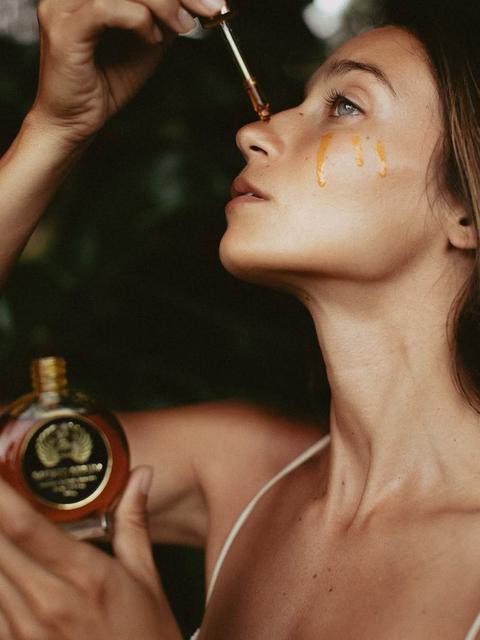
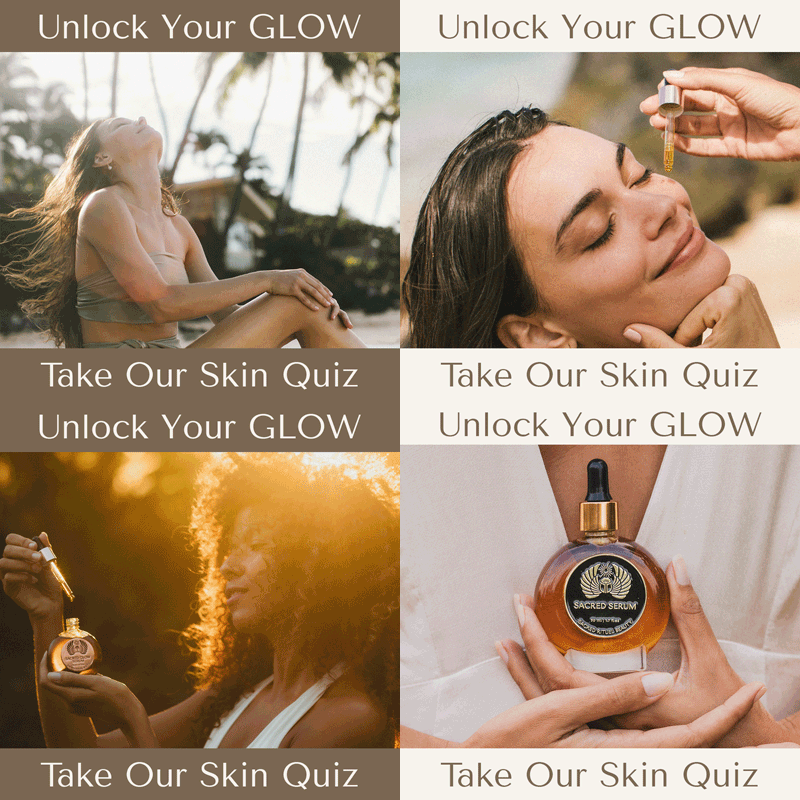
A gentle, consistent routine can support the look of a more even tone. A cold-pressed, whole-plant oil such as the Sacred Serum blend nourishes the skin and supports its moisture barrier with fatty acids and antioxidants. Pairing plant-based care with a hydrating mist like Sacred Rose Mist creates a gentle daily ritual. A simple way to keep this up is the Sacred routine set, which pairs the whole-plant oil with the rose mist. In our reviews, many people focused on dark marks describe that their dark spots have diminished in appearance, and many note their skin tone starting to even out. Before adding any new oil, patch test it first: apply a small amount of the Sacred Serum oil on your inner arm and leave it for 24 hours before using it on your face.
Natural Ways to Support Pigmented Skin
Natural approaches focus on nourishment rather than harsh treatments. Ingredients rich in antioxidants support the skin's natural radiance, and vitamin C is one many people associate with the look of a brighter, more even tone. It occurs naturally in the rosehip and sea buckthorn that go into our Sacred Serum, whose carotenoids customers connect with brighter, more even-looking skin. You can read more in this glossary entry on Vitamin C Oil For Face.
Simple practices after sun exposure help too. Soothing, gentle care calms the skin and supports the barrier. Over time, combining protective habits with plant-based skincare can soften the look of pigmentation and support healthier, more radiant-looking skin. Beyond what a whole-plant oil offers, a dermatologist can talk you through prescription or clinical options if you want them, and some of those are best used under professional guidance.
When to Seek Professional Guidance
While freckles, melasma, and sun spots are usually harmless, it is important to pay attention to changes in your skin. Spots that grow quickly, develop irregular edges, spread, or shift in color should always be evaluated by a dermatologist, who can confirm whether the pigmentation is benign or needs further testing.
This matters most for melasma. True melasma can be hard to tell apart from other pigmentation and is not something to self-diagnose, so suspected melasma, or darkening that is persistent or spreading, warrants a board-certified dermatologist who can confirm what is going on and recommend approaches suited to your skin and skin tone, including any prescription or clinical options. Combining expert advice with mindful, plant-based care offers a balanced approach to long-term skin health.
Everyday Habits to Help Prevent Pigmentation
Caring for pigmentation starts with simple, consistent habits. Applying a broad-spectrum sunscreen daily, even on cloudy days, is one of the most effective ways to help keep melasma from looking more pronounced and to slow new sun spots from forming. Wearing wide-brimmed hats and protective clothing also reduces direct sun exposure.
Lifestyle choices matter too. Eating antioxidant-rich foods like berries and leafy greens supports skin health from within, while staying hydrated helps keep the skin barrier strong. Paired with mindful routines, these habits create a foundation that supports the look of more even skin over time.

Final Thoughts
Melasma, freckles, and sun spots may look similar, but their differences lie in their causes, patterns, and permanence. Freckles are often genetic and fluctuate with sun exposure, sun spots develop from years of UV exposure, and melasma arises from hormonal changes that are often made more pronounced by sunlight.
While none of these pigmentation types are harmful, understanding which one you are seeing helps guide your care. With consistent sun protection, mindful habits, and supportive plant-based skincare like Sacred Serum, you can support the look of more even skin and feel more comfortable in it. And because true melasma needs professional guidance, a dermatologist is the right next step if you suspect it. At Sacred Rituel, our focus is on nourishing rituals that honor the skin's natural beauty.
Frequently Asked Questions
Does melasma ever lessen in appearance on its own?
Sometimes. Melasma can become less noticeable after the hormonal changes behind it stabilize, such as after pregnancy. Often, though, it lingers without consistent, supportive care and daily sun protection. Because melasma is easy to mistake for other pigmentation and is best not self-diagnosed, a dermatologist can confirm what you are seeing and guide you.
Are freckles a sign of sun damage?
Not exactly. Freckles are genetic, though they darken with sun exposure and lighten when there is less sunlight. They are not considered a form of skin damage the way sun spots are, which build up from years of cumulative UV exposure.
Is melasma more common in women?
Melasma is more common in people experiencing hormonal shifts, which is why it is frequently associated with pregnancy or birth control use. It can also be more persistent on medium to deeper skin tones. If you suspect melasma, a dermatologist is the best person to confirm it and advise on care.
Can sun spots and melasma appear together?
Yes. Someone with melasma may also develop sun spots from cumulative UV exposure, which can make pigmentation look more complex. Melasma usually shows up as larger, symmetrical patches while sun spots appear as individual flat marks. A dermatologist can help you tell which is which, especially where melasma is involved.
Does melasma only affect the face?
While melasma is most common on the face, especially the cheeks, forehead, and upper lip, it can also appear on other sun-exposed areas such as the forearms or neck. Because it is easy to confuse with other pigmentation, suspected melasma is worth confirming with a dermatologist rather than self-diagnosing.
How can I tell if it's melasma, sun spots, or freckles?
Look at the pattern, cause, and timing. Freckles are small, scattered, genetic, and fluctuate with the seasons. Sun spots are flat, isolated brown marks that build up from years of UV exposure and tend to stay. Melasma forms larger, often symmetrical patches linked to hormonal shifts and made more pronounced by sunlight. When melasma is a possibility, a dermatologist is the most reliable way to know for sure.
What supports more even-looking skin with pigmentation?
A gentle, consistent routine is the natural approach: daily broad-spectrum sun protection, non-irritating products, and a cold-pressed whole-plant oil. Sacred Serum's rosehip and sea buckthorn are natural sources of vitamin C and carotenoids, ingredients many customers associate with a brighter, more even-looking tone. In our reviews, many people focused on dark marks describe that their dark spots have diminished in appearance. Patch test any new oil for 24 hours first, give it weeks to months, and see a dermatologist if you suspect melasma or the marks are persistent.
Radiance Is Personal. Let’s Reveal Yours...
All Day Glow Essentials