How To Reduce Hyperpigmentation Around The Mouth
Hyperpigmentation around the mouth is darkening of the skin caused by extra melanin, most often from sun exposure, post-inflammatory marks after irritation or breakouts, or hormonal shifts like melasma. The gentlest place to start is daily sun protection, a calm and fragrance-free routine, and a visit to a dermatologist if the darkening is spreading or persistent, since true melasma needs professional guidance. Many people also support the look of a more even tone with a nourishing whole-plant oil like Sacred Serum, whose rosehip and sea buckthorn carotenoids customers associate with brighter, more even-looking skin.
Key Takeaways:
- Common causes: Sun exposure, post-inflammatory marks after irritation or breakouts, hormonal shifts (including melasma), and fragrance or product irritation can all make the skin around the mouth look darker.
- Appearance-side support: A gentle, fragrance-free routine, daily sun protection, and a nourishing whole-plant oil such as Sacred Serum face oil can support a smoother, more even-looking tone over time.
- When to get guidance: If the darkening is spreading, persistent, or you suspect true melasma, a board-certified dermatologist can assess your skin and guide care.
At Sacred Rituel, we work with cold-pressed, whole-plant botanicals to nourish skin and support its moisture barrier. Darkening around the mouth is a common cosmetic concern, and this article explains what tends to cause it and how to support a more even-looking complexion with a calm, consistent routine.
Understanding Hyperpigmentation Around The Mouth
Hyperpigmentation around the mouth describes areas where the skin looks darker than the skin around it. It happens when skin produces more melanin, the pigment that gives skin its color, in one area. It can show up as spots, patches, or a general darkening around the lips and chin, and it can appear on any skin tone, though it is often more noticeable on deeper skin tones.
Hyperpigmentation is usually a cosmetic concern rather than a health problem, but it can affect how you feel about your skin. Understanding what contributes to it is the first step toward supporting a more even-looking tone, and toward knowing when it is worth checking in with a dermatologist.
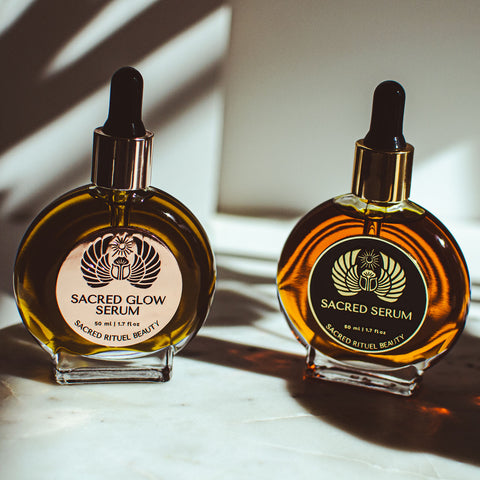
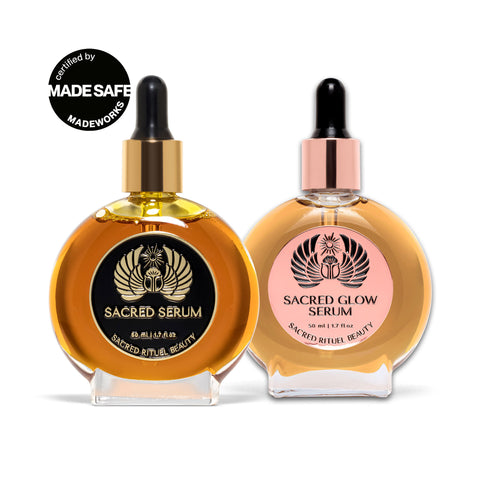
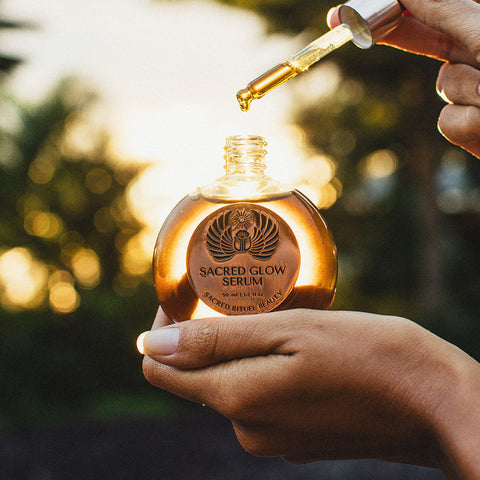
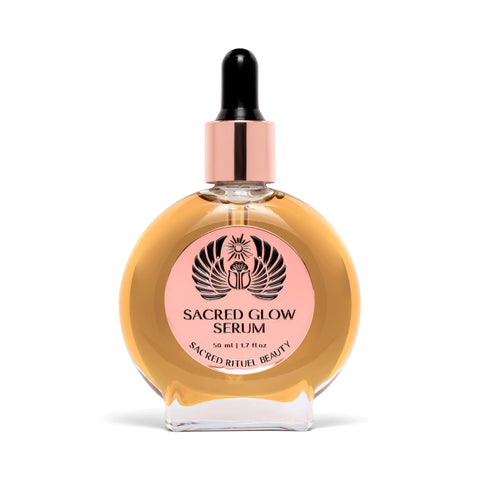
If you want a single, gentle step that supports your skin's barrier and a more even-looking glow, many people reach for the Sacred Serum face oil, a cold-pressed blend whose rosehip oil and sea buckthorn carotenoids customers associate with brighter, more even-looking skin.
What causes hyperpigmentation around the mouth?
Hyperpigmentation around the mouth can be prompted by several things, each linked to more melanin being produced in this area. Some of the most common contributors are:
- Sun exposure: Time in the sun without protection is one of the most common reasons pigment around the mouth looks darker, and this area is easy to miss when applying sunscreen. It can help to understand how sun-related freckles and age spots show up on the skin.
- Hormonal changes: Hormonal shifts, such as during pregnancy (often called melasma) or with some medications, can be associated with darkening around the mouth and elsewhere on the face. If you are not sure what you are seeing, here is how to tell melasma from freckles and sun spots.
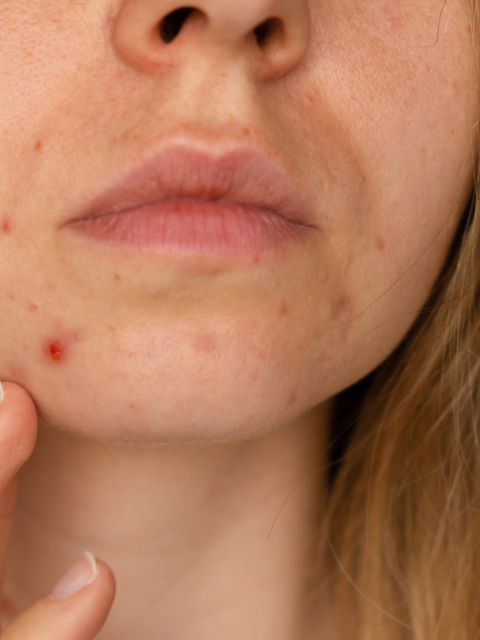
- Post-inflammatory marks (PIH): After the skin settles from irritation or a breakout, it can leave a darker-looking mark. The skin around the mouth is delicate and prone to this, the same way acne often leaves behind dark marks.
- Product irritation: Strongly fragranced or harsh products can irritate this area, and irritation is a common lead-in to darker-looking marks.
- Smoking: Smoking is associated with changes in the look of the skin around the mouth.
- Genetics: Some people are simply more prone to darkening, especially when it runs in the family.
Knowing what tends to contribute to darkening helps you choose a gentle routine and recognize when it is worth asking a dermatologist for guidance.

How can I reduce the look of hyperpigmentation around the mouth naturally?
There is no overnight fix for darkening around the mouth. The gentlest approach is a calm, consistent routine that supports the skin barrier and protects against further darkening, with the goal of a more even-looking tone over time rather than an instant change.
- Protect from the sun every day. Daily broad-spectrum sun protection is the single most helpful habit, since UV exposure is one of the most common reasons pigment looks darker. The skin around the mouth is easy to miss, so cover it well.
- Keep the routine gentle and fragrance-free. Harsh or strongly fragranced products can irritate the delicate skin around the mouth, and irritation is a common lead-in to darker-looking marks. A gentle oil can also help calm the look of redness and inflammation.
- Nourish the barrier with whole-plant oils. A cold-pressed oil like our Sacred Serum supports the moisture barrier with fatty acids and antioxidants. Its rosehip oil is a natural source of vitamin C and carotenoids, and sea buckthorn and baobab add carotenoids and vitamin E, ingredients many customers associate with a brighter, more even-looking tone.
- Patch-test anything new. Try any new product on a small area for a few days before regular use. The skin around the mouth is delicate, and a reaction can itself leave a darker-looking, post-inflammatory mark.
- Be patient and consistent. A visible change in the look of pigment usually takes several weeks to a few months of steady care.
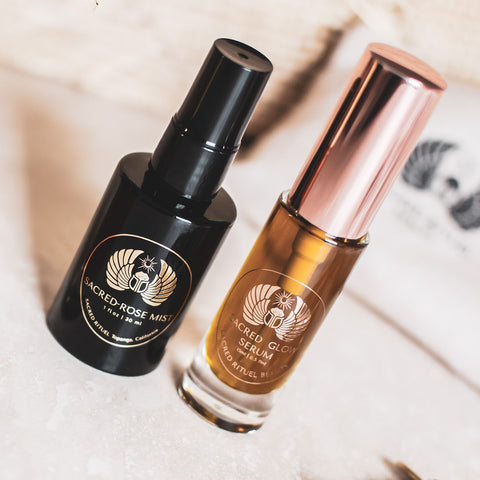
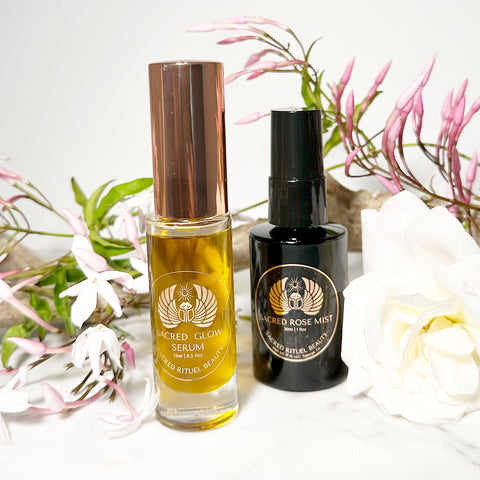
A simple daily ritual makes this easy to keep up: mist with Sacred Rose Mist, then press Sacred Serum into slightly damp skin. The Sacred Trio routine pairs them with Sacred Body Oil for the rest of your skin.
If the darkening is persistent, spreading, or you suspect melasma, a board-certified dermatologist can assess your skin and talk through the options that are right for you and your skin tone.
When To See A Dermatologist
Most darkening around the mouth is a cosmetic concern you can support at home with daily sun protection and a gentle routine. It is worth seeing a board-certified dermatologist if the darkening is spreading, persistent, changing, or if you think it may be melasma, which often needs professional guidance. If the area is also dry and flaky alongside the darker tone, that is worth mentioning too. A dermatologist can confirm what is going on and discuss the approaches that suit your skin and skin tone, including any prescription options, which are decisions to make with a professional rather than on your own.
How can I prevent hyperpigmentation around the mouth?
Darkening around the mouth can be persistent, so prevention matters as much as anything you do day to day. A few steady habits can lower the chances of new dark-looking spots and support a more even-looking tone.
Daily Sun Protection: Your First Line Of Defense
Protecting skin from UV is the most effective everyday habit. Sun exposure is a common reason pigment looks darker and new spots appear. A broad-spectrum sunscreen of at least SPF 30 applied every morning, even on cloudy days, and reapplied during long stretches outdoors, is worth the effort. The skin around the mouth is easy to overlook, so make sure it is covered.
Avoid Picking Or Scratching: Protect Your Skin's Integrity
Post-inflammatory marks often follow picking at breakouts, bites, or other irritation. Try not to touch or pick at the area, and handle any irritation gently so darker-looking marks are less likely to form.
Use Gentle Skincare Products: Prevent Irritation
Harsh products can irritate skin and lead to the kind of inflammation that leaves darker-looking marks. A gentle routine built for sensitive skin is a safer choice. Soothing botanicals such as aloe or chamomile can help keep this delicate area calm.
Stay Hydrated And Moisturized: Support Your Skin's Barrier
A well-supported moisture barrier is more resilient and less easily irritated. Drinking water through the day and using a moisturizer or nourishing oil suited to your skin keeps the barrier comfortable, which supports a more even-looking surface around the mouth.
Incorporate Antioxidants: Support Skin Against Environmental Stress
Antioxidants such as vitamins C and E help skin stand up to everyday environmental stress like UV and pollution. A cold-pressed oil like Sacred Serum face oil carries plant antioxidants, including rosehip vitamin C and carotenoids, sea buckthorn, and pomegranate polyphenols, that support a brighter, more even-looking tone as part of a gentle routine.
Discuss Hormonal Changes With A Professional
Hormonal shifts, including those linked to melasma, are a common contributor to darkening around the mouth. If you think hormones may be involved, a healthcare provider can talk through what is right for you. Addressing those internal factors is often part of keeping new dark-looking spots from forming.
Exfoliate Gently: Support Skin Renewal
Gentle, occasional exfoliation supports natural skin renewal, but over-doing it can irritate skin and make darkening more noticeable. Once or twice a week with a mild option is plenty for most people.
Healthy Everyday Habits: Support Skin From Within
Everyday choices show up in your skin. Not smoking, eating a balanced diet rich in fruits and vegetables, and getting enough sleep all support your skin's natural resilience and a clearer, more radiant-looking complexion.

Final Thoughts
Darkening around the mouth can feel frustrating, but a calm, consistent routine can support a more even-looking complexion over time. Daily sun protection, a gentle fragrance-free routine, nourishing whole-plant oils, and healthy everyday habits all help. If the darkening is persistent or you suspect melasma, a board-certified dermatologist can guide you to the care that is right for you.
Sources:
- Nautiyal, A., & Wairkar, S. (2021). Management of Hyperpigmentation: Current Treatments and Emerging Therapies. Pigment Cell & Melanoma Research, 34(6). https://doi.org/10.1111/pcmr.12986
- Woolery-Lloyd, H., & Kammer, J. N. (2011). Treatment of Hyperpigmentation. Seminars in Cutaneous Medicine and Surgery, 30(3), 171–175. https://doi.org/10.1016/j.sder.2011.06.004
- Chaowattanapanit, S., Silpa-archa, N., Kohli, I., Lim, H. W., & Hamzavi, I. (2017). Postinflammatory hyperpigmentation: A comprehensive overview. Journal of the American Academy of Dermatology, 77(4), 607–621. https://doi.org/10.1016/j.jaad.2017.01.036
Frequently Asked Questions
Can stress cause hyperpigmentation around the mouth?
Stress does not directly create pigment, but it can play an indirect role. Stress is linked to hormonal shifts and to inflammation, and both can be associated with the skin around the mouth looking darker. Managing stress, protecting skin from the sun, and keeping your routine gentle all support a more even-looking tone.
How long does it take to see results from hyperpigmentation treatments?
There is no instant fix. With a consistent, gentle routine and daily sun protection, most people find the look of pigment changes gradually over several weeks to a few months. Patience and consistency matter more than any single product, and a dermatologist can guide you if you want a more targeted plan.
Can over-exfoliating worsen hyperpigmentation around the mouth?
Yes. Over-exfoliating can irritate the delicate skin around the mouth, and irritation is a common lead-in to darker-looking, post-inflammatory marks. A mild exfoliant once or twice a week is plenty for most people, and a calm, barrier-supporting routine is gentler on this area.
Is hyperpigmentation around the mouth more common in certain skin types?
It can appear on any skin tone, but it is often more noticeable on deeper skin tones, which naturally carry more melanin and can respond more visibly to triggers like sun exposure or irritation. Daily sun protection and a gentle routine are helpful for everyone.
Can hyperpigmentation around the mouth disappear on its own?
Sometimes. When darkening follows temporary irritation, the mark may become less noticeable on its own over weeks to months as the skin settles. Pigment linked to ongoing sun exposure or hormones, such as melasma, tends to be more persistent, so daily sun protection helps and a dermatologist can advise if it is not changing.
What causes hyperpigmentation around the mouth?
The most common contributors are sun exposure, post-inflammatory marks after irritation or breakouts, hormonal shifts including melasma, product or fragrance irritation, smoking, and genetics. Each is linked to more melanin being produced in this area. Knowing the trigger helps you choose a gentle routine and know when to ask a dermatologist.
How can I reduce the look of hyperpigmentation around the mouth naturally?
A gentle, consistent routine is the natural approach: protect the area from the sun every day, keep products fragrance-free and non-irritating, and nourish the skin barrier with a cold-pressed, whole-plant oil. the Sacred Serum face oil's rosehip is a natural source of vitamin C and carotenoids, and sea buckthorn and baobab add carotenoids and vitamin E, ingredients many customers associate with a brighter, more even-looking tone over time. Give it weeks to months, and see a dermatologist if pigment is persistent.
Does vitamin C help with pigmentation around the mouth?
Vitamin C is a well-known antioxidant that many people associate with a brighter, more even-looking tone. Rather than an isolated, high-strength vitamin C, our Sacred Serum delivers it the whole-plant way: its rosehip oil is a natural source of vitamin C and carotenoids, alongside other antioxidant oils like sea buckthorn. As with any antioxidant, daily sun protection is what makes the biggest visible difference.
What vitamin deficiency causes dark skin around the mouth?
Darkening around the mouth is most often about sun exposure, hormones, or post-inflammatory marks rather than a vitamin deficiency. That said, low levels of certain nutrients, such as vitamin B12, are sometimes associated with changes in skin color, so if darkening appears suddenly or with other symptoms it is worth asking a healthcare provider. A balanced, antioxidant-rich diet supports skin health generally.
Radiance Is Personal. Let’s Reveal Yours...
All Day Glow Essentials